
Best Carbon Fiber Hardtail Mountain Bike: A Buying Guide for 2026
Disclosure: We may earn a commission when you buy through links on this page, at no extra cost to you. As an Amazon Associate I earn from qualifying purchases. Learn more

Learn how to choose the best carbon fiber hardtail mountain bike with sizing, geometry, brakes, wheels, and budget guidance for cross country and trail use.
A carbon hardtail is the lightest, most direct feeling way to cover fast trails, but the category spans race machines, trail friendly builds, and everything between, and prices run from around $1,500 to well past $6,000. Choosing well means knowing which parts of the spec sheet change your ride and which only change the marketing. This guide walks you through build levels, fit, geometry, and components so you can find the best carbon fiber hardtail mountain bike for your terrain, your goals, and your budget.
Use the comparison table below for a quick scan of current models and prices. Then read the buying guide sections, because frame geometry and fit decide far more about a hardtail than any single component line.
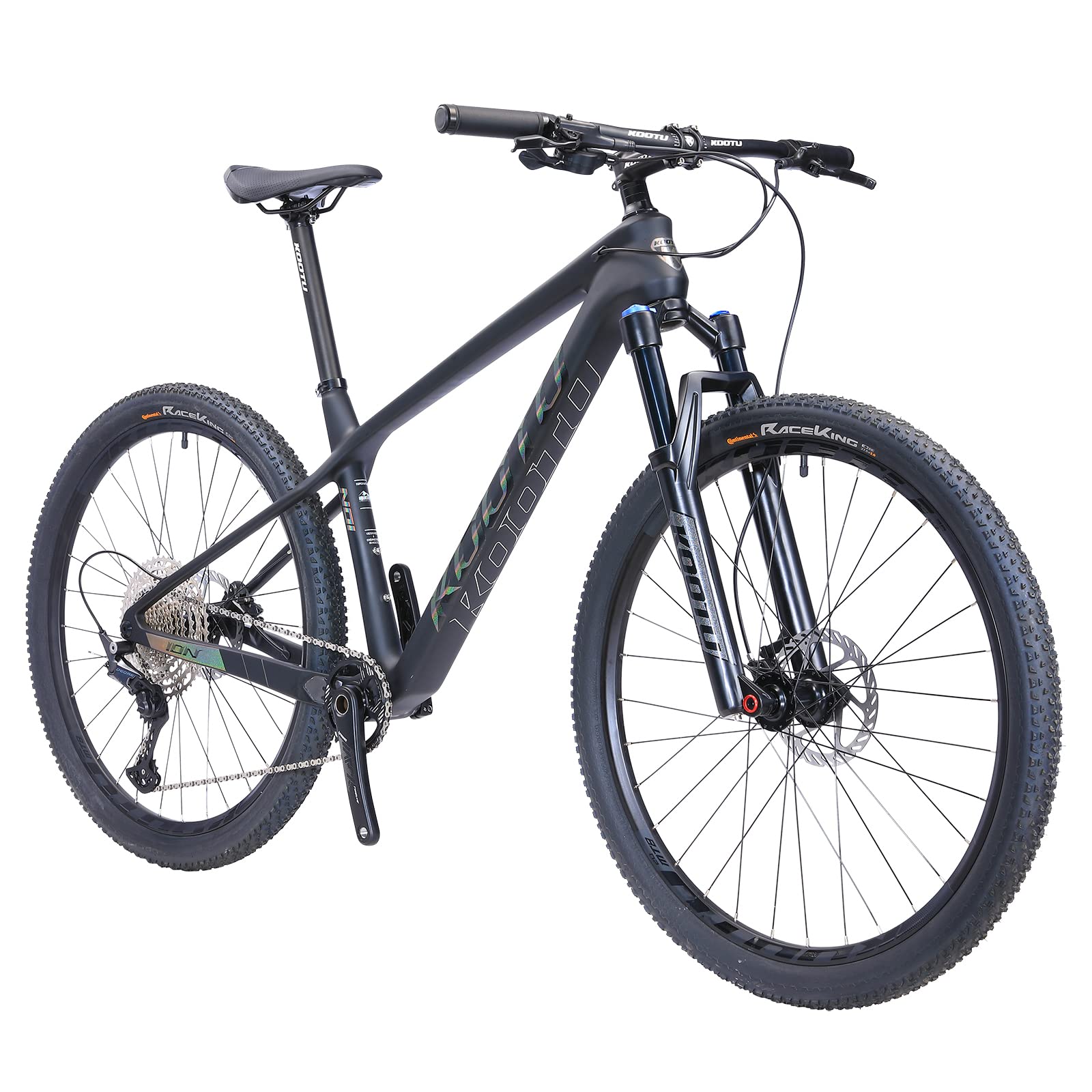
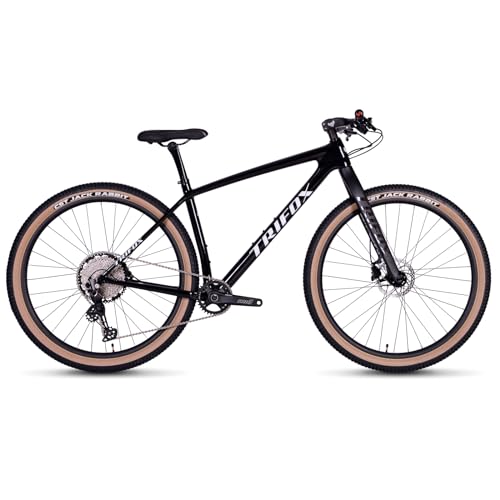
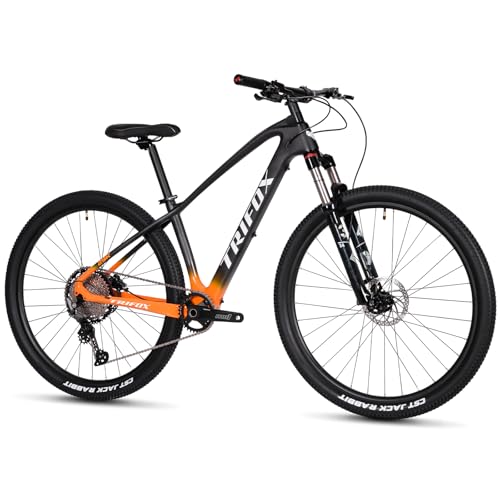
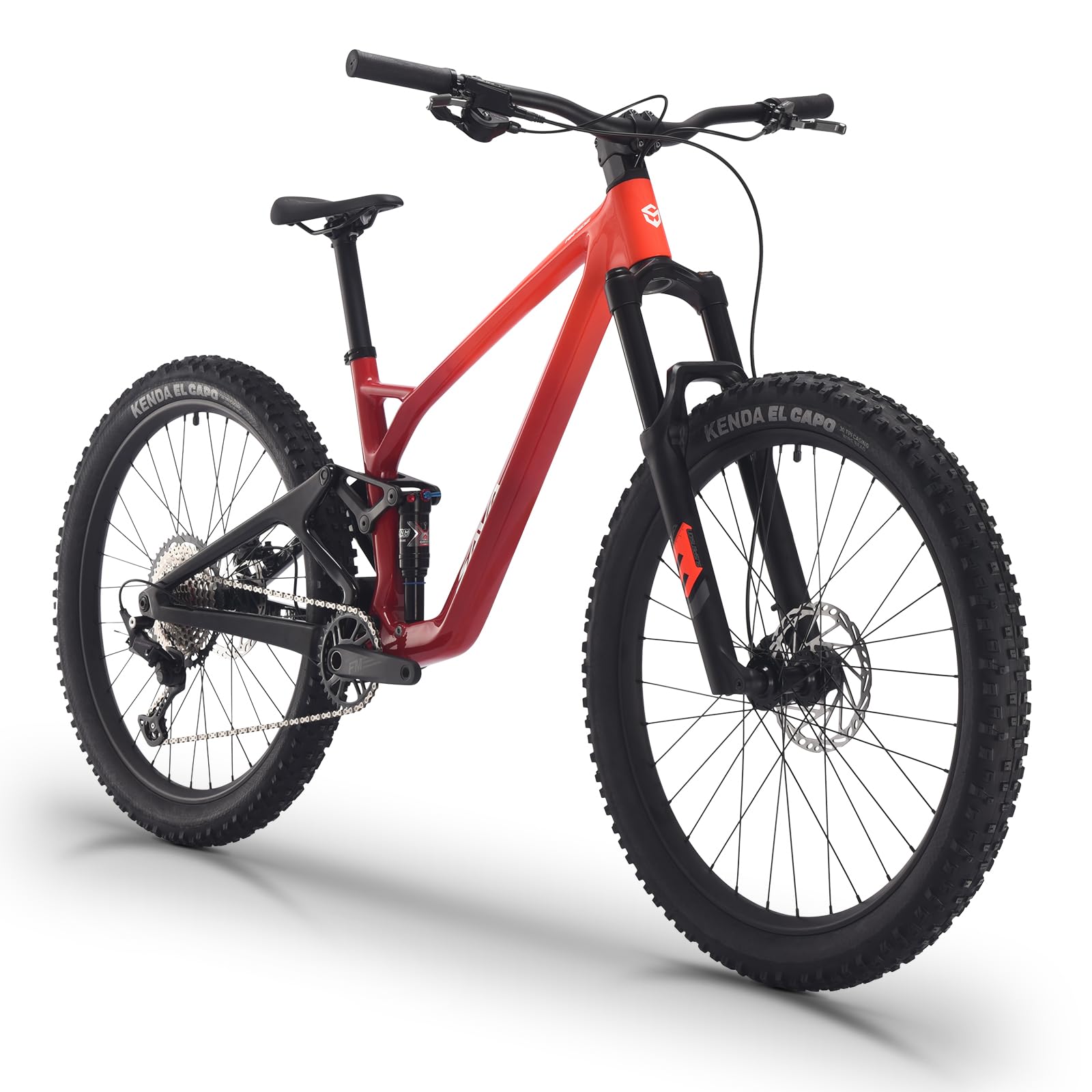
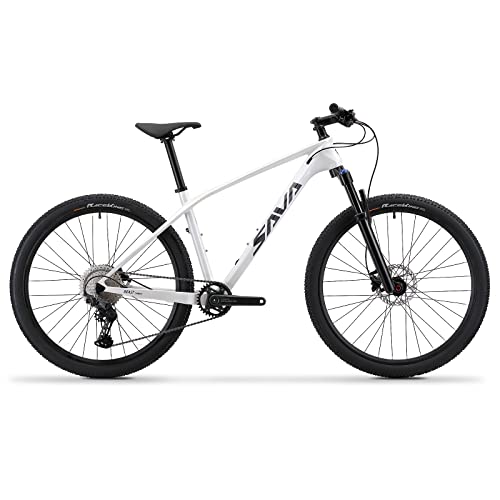
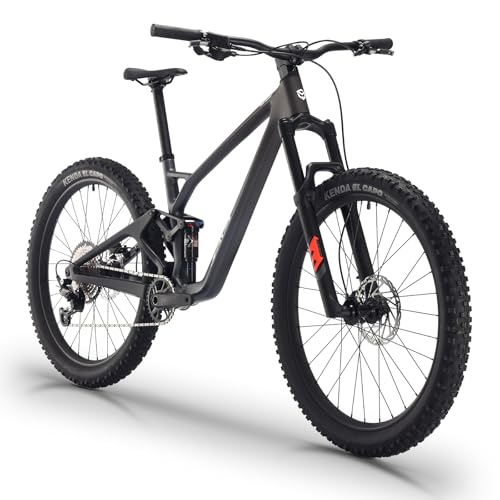
Three Build Levels at a Glance
Overall Build Profile
The balanced build most riders should target pairs a full carbon frame with a 120 mm air fork with rebound and compression adjustment, a 12 speed drivetrain, hydraulic disc brakes, and tubeless ready wheels. Weight typically lands around 22 to 25 lb, light enough to climb eagerly and sturdy enough for rocky descents at sensible speeds. Expect to pay around $2,500 to $4,000 for this profile. It suits riders who race occasionally, ride two or three times a week, and want one bike that does everything on non extreme terrain without a part they itch to replace.
Value Build Profile
The value profile keeps the same carbon frame idea and smart geometry but accepts a heavier fork with simpler damping, a 10 or 11 speed drivetrain, and aluminum wheels that weigh more. Complete weight often sits around 25 to 28 lb, and prices run about $1,500 to $2,500. The ride is still quick and fun, and the parts you give up are exactly the parts that wear out or upgrade easily later. Choose this profile for your first carbon bike, for a second bike, or when your trails are smooth enough that suspension finesse rarely decides your day.
Upgrade Build Profile
The upgrade profile spends on a lighter, stiffer carbon layup, a top tier fork, carbon wheels, and the lightest drivetrain and cockpit parts, bringing weight near or below 21 lb at prices from about $4,000 upward. Acceleration feels instant and long climbs cost noticeably less energy. The trade off, beyond price, is delicacy: ultralight parts demand careful torque, gentle handling during transport, and prompt inspection after crashes. This profile rewards experienced riders and racers who will feel small gains. Everyone else usually gets more joy per dollar from the balanced build plus great tires.
How to Choose the Best Carbon Fiber Hardtail Mountain Bikes: Buying Guide
Bike Type and Riding Style
Hardtails split into cross country race bikes with steep angles and 100 mm forks, and trail hardtails with slacker geometry and 120 to 140 mm forks. Race builds climb like they are impatient and demand attention on descents. Trail builds forgive more, carry speed through rough sections, and suit riders who ride varied terrain for fun. Decide by your local trails and your ambitions. If your riding mixes fire roads, smooth singletrack, and the odd race, a modern cross country build fits. If your descents are rocky and steep, the trail end of the category is the safer home.
Sizing and Fit
Start with the maker chart, matching your height and inseam to a frame size, then verify reach and standover. Hardtails feel longer than they used to, and a reach that suits your torso keeps weight on the front wheel during climbs. Riders between sizes should think about handling: smaller feels nimble, larger feels calm at speed. Because there is no rear suspension, saddle position and tire pressure do much of the comfort work, so leave time to fine tune both. Our guide to the best hardtail carbon mountain bike category compares geometry trends if you want more background before choosing a size.
Brakes (Hydraulic vs Mechanical Disc)
Hydraulic disc brakes are effectively mandatory at this price level. They stop hard with one finger, modulate well on loose surfaces, and keep working in rain that would ruin rim brakes. Two piston calipers suit cross country weight goals, while heavier riders or steep terrain justify four piston fronts. Mechanical disc brakes still appear on the cheapest carbon framed builds as a cost cut, and they feel wooden by comparison. If a build saves money there, it has usually saved money elsewhere too, so look at the whole spec with suspicion.
Frame Material and Geometry
Carbon lets makers tune stiffness where you pedal and compliance where you sit, which is why a good carbon hardtail feels lively rather than harsh. Still, layup quality varies, and a trusted maker with a strong frame warranty matters more than a claimed weight. On geometry, head tube angles around 67 to 69 degrees balance climbing and descending for trail use, while race bikes sit steeper. Longer reach and a steeper seat angle keep modern hardtails composed on climbs. For a wider view of carbon frames across categories, see our guide to the best carbon fiber mountain bike designs.
Wheel Size and Tires
Most carbon hardtails run 29 inch wheels, which roll over roots and rocks with less effort and hold momentum on open trails. Some smaller frames use 27.5 inch wheels to preserve handling and standover for shorter riders. Tubeless setup is close to essential, because low pressure grip is your only rear suspension on a hardtail, and sealant fixes small punctures without stopping. Component shoppers can dig into our guide to the best carbon fiber mountain bike wheels for rim width and weight trade offs, and cockpit choices are covered in our guide to the best carbon fiber mountain bike handlebars.
Carbon Fiber Hardtail Mountain Bikes vs Other Options
Road and Gravel Bikes
Road and gravel bikes are faster on pavement and smooth dirt, lighter still, and built around drop bars and narrower tires. They cannot match a hardtail on rocky singletrack, where suspension, wide tires, and flat bar control take over. Choose gravel if most of your miles are unpaved roads rather than trails. Choose the hardtail if your routes include roots, rocks, and real climbs on dirt, because the wrong tool makes easy trails feel punishing.
Electric Mountain Bikes
Electric mountain bikes add pedal assist that flattens climbs and extends range, at the cost of much greater weight, higher prices, and charging and battery care. Trail access also varies, since some singletrack networks restrict motorized classes. An e bike makes sense when fitness, injury, or steep terrain would otherwise keep you home. A pedal powered hardtail makes sense when you want the lightest, simplest, most affordable ride and full access to non motorized trails.
Kids' Bikes
Kids' bikes are a different purchase entirely, sized by wheel diameter and built for growing bodies at far lower prices. Carbon hardtails start at adult sizes and adult budgets, so a teenager needs a proper fit check rather than an assumption. For young riders, an aluminum hardtail in the right size, ridden often, beats an expensive carbon frame they will outgrow within two seasons. Save the carbon upgrade for the first adult sized bike that will be kept for years.
Care and Maintenance Tips
- Check tire pressure before every ride, since a few psi either way changes grip and comfort more on a hardtail than on any other bike.
- Clean and lube the chain every 100 to 200 miles, and wipe it after wet rides, because a dry chain wears the whole drivetrain faster.
- Use a torque wrench on carbon parts and follow the printed limits, since over tightening a clamp can crush a bar or seatpost.
- Inspect the frame after any crash, tapping along tubes and looking for paint cracks, and have a shop check anything that looks or sounds dull.
- Have a professional tune up yearly, including a fork service at the maker interval, to keep shifting and suspension feeling new.
Frequently Asked Questions
What size bike do I need?
Use the size chart for the exact model, since geometry differs between brands. As a rough starting point, riders near 5 ft 6 in to 5 ft 10 in often fit a medium, with shorter riders on small and taller riders on large or extra large frames. Confirm standover clearance and reach, and if you sit between sizes, pick smaller for playful handling or larger for stability. A brief test ride settles questions no chart can.
How much should I spend on my first bike?
For carbon, plan on the value to balanced range, about $1,800 to $3,500, to get a frame worth keeping and parts that work well. Cheaper carbon builds often cut corners on the fork and brakes, which are the parts you feel most. Keep money aside for a helmet, pedals, a pump, and spare tubes or sealant. Riders who start here rarely feel forced to upgrade within the first two seasons, which makes the higher entry price the cheaper path.
Hardtail or full suspension for beginners?
A hardtail is a fine first mountain bike on smooth to moderate trails, because it costs less, weighs less, and has fewer parts to service while you learn. Full suspension adds comfort and control on rocky terrain and can keep beginners riding longer with less fatigue. The deciding factor is your local trail surface. If your trails are rough enough that you dread the descents, save longer for full suspension. If they flow, a hardtail teaches skills and fitness beautifully.
Is a carbon hardtail more fragile than an aluminum one?
Not in normal riding. Carbon frames handle trail loads well, but they can be damaged by a sharp impact or by over tightened clamps. Use a torque wrench, check the frame after any crash, and ask the maker about frame warranty coverage.
Is a carbon hardtail good for racing?
Yes, a light and stiff hardtail is a classic cross country race tool because it transfers pedaling power directly and climbs quickly. Trail focused hardtails trade a little weight for slacker geometry and more control on descents.
Our Verdict
Fit the frame first, buy the best fork and brakes your budget allows, and set the tires up tubeless before chasing lighter parts. Those three choices decide how a carbon hardtail rides far more than small weight differences do. Check the product table above against the build profiles in this guide, and you will land on the best carbon fiber hardtail mountain bike for your trails and your riding life.


