
Best Carbon Fiber Running Shoes 2026: How Carbon Plates Change Running
Disclosure: We may earn a commission when you buy through links on this page, at no extra cost to you. As an Amazon Associate I earn from qualifying purchases. Learn more

Learn how carbon fiber running shoes work, from plates and foam to fit and race day use. Compare types and find the right pair for your running.
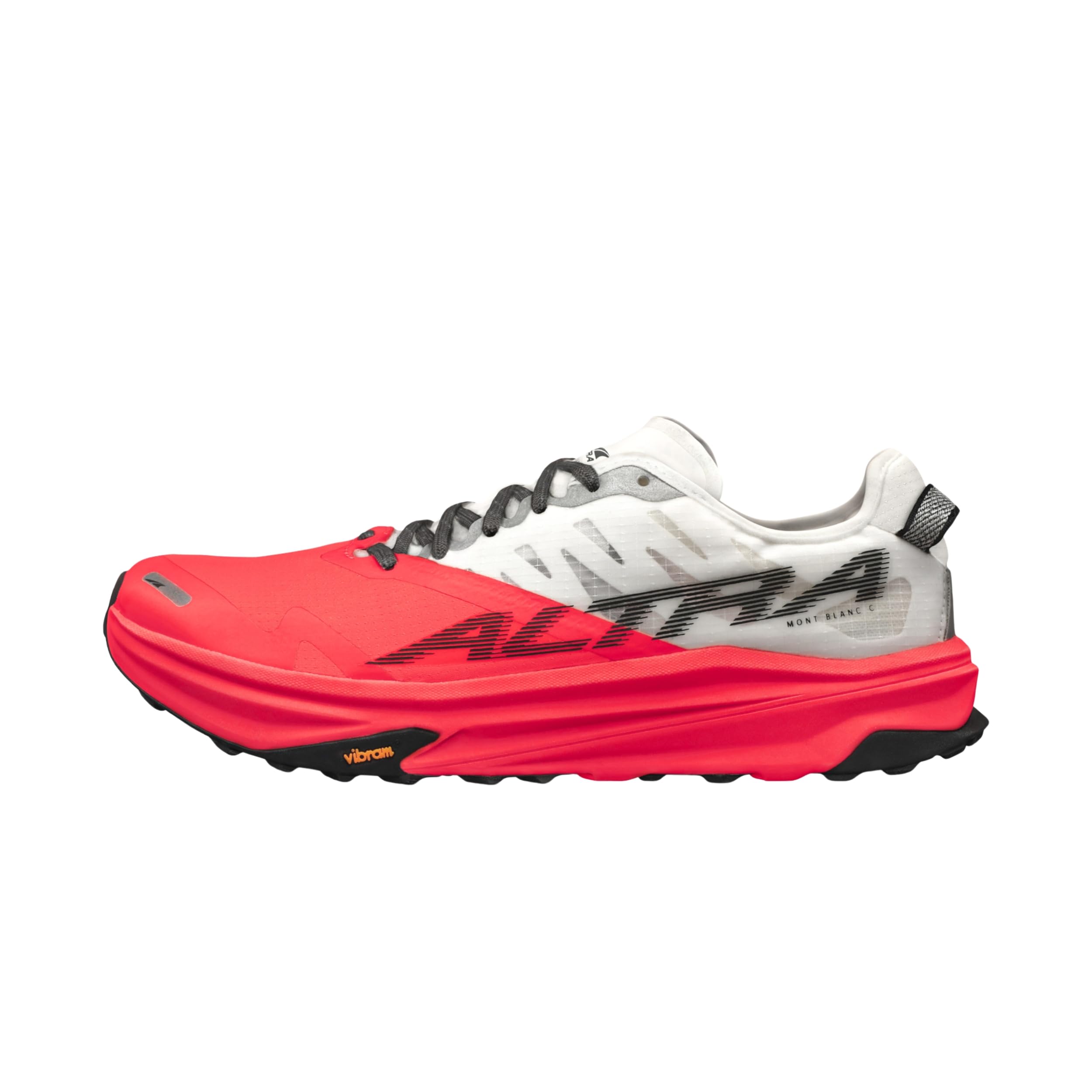
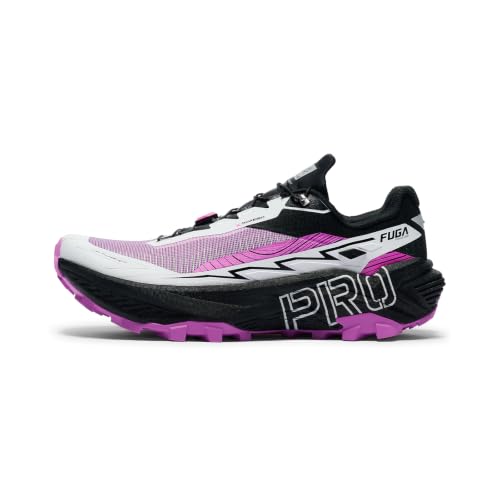
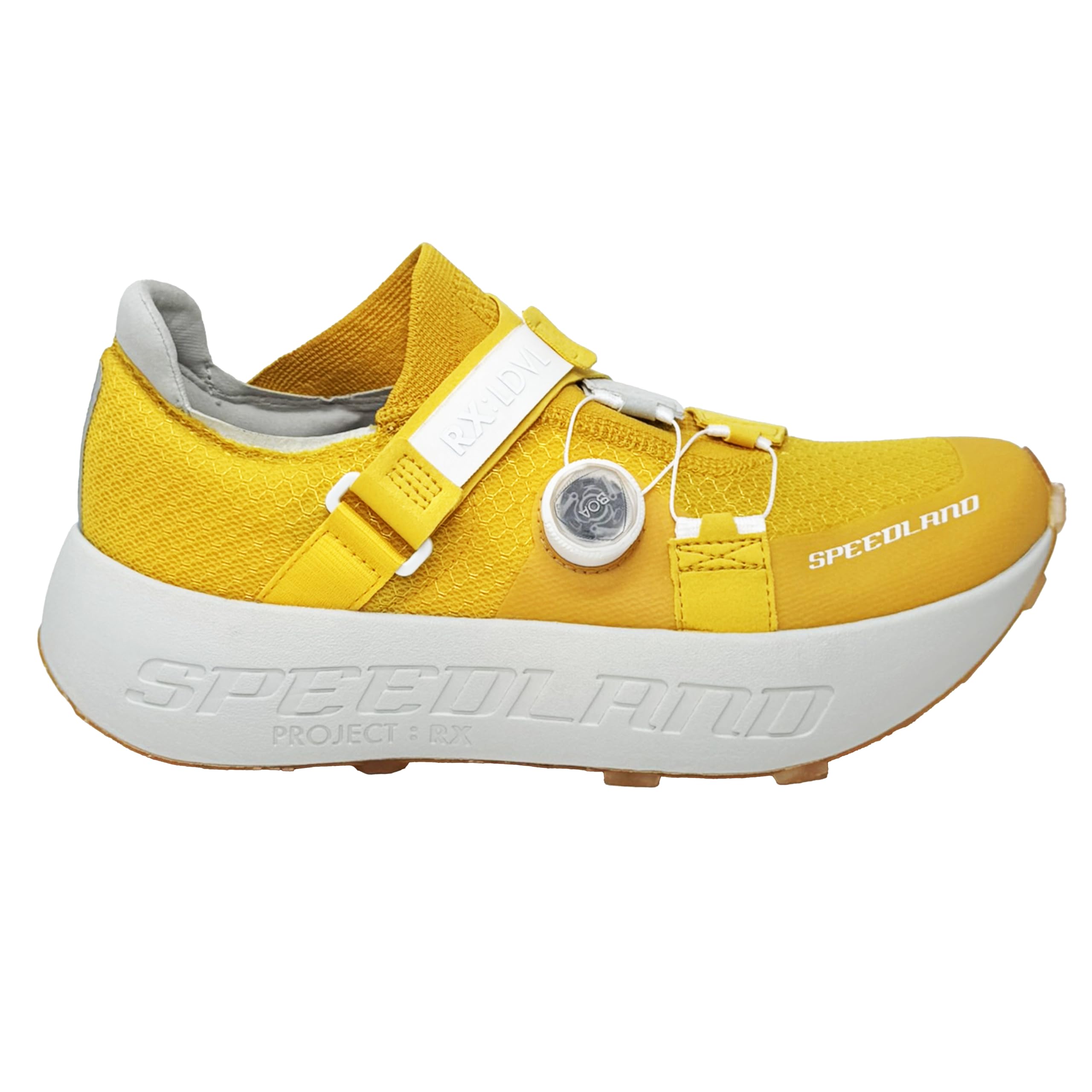
Interest in the best carbon fiber running shoes has grown fast, because carbon plates paired with springy foam promise faster times for many runners. These shoes suit race day and fast training, but they are not the best choice for every run or every foot. The right pair depends on your pace, your race distance, and how your feet handle a stiff, propulsive ride. The comparison table below shows the main shoe types side by side.
Carbon fiber plates sit inside thick foam midsoles and act like a stiff lever that helps the foot roll forward. Foam softness, plate shape, and stack height all change how the shoe feels, so two carbon shoes can ride very differently. This guide explains plates, foam, fit, and sensible use without promising faster times for everyone. Check the product table below when you want a quick recap of the types.
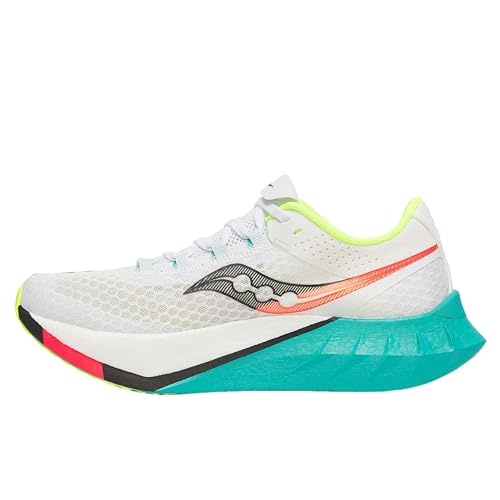
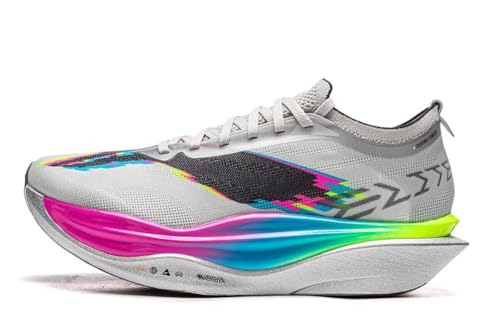
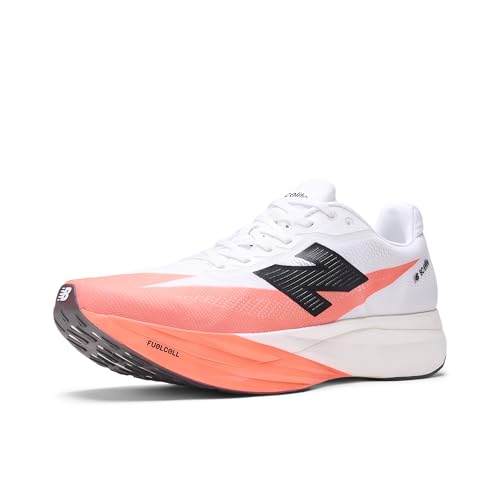


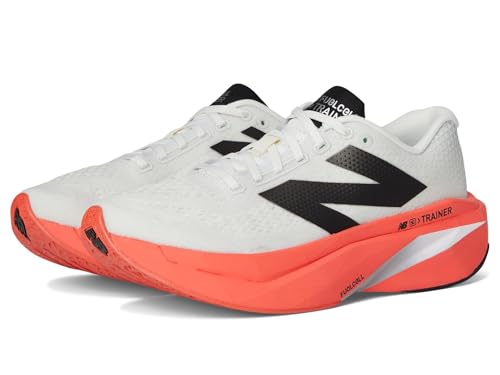
How Carbon Plates and Foam Work
A carbon plate is a thin, stiff layer inside the midsole that resists bending and helps the foot roll through toe off. On its own a plate would feel harsh, so makers pair it with soft, energy returning foam that compresses and rebounds. Together they create a propulsive feel that many runners describe as rolling forward with less effort. The effect varies with pace, since faster runners load the foam and plate more firmly than slower runners.
Plate shape matters as much as plate presence, because curved plates guide the foot differently from flatter plates. Full length plates give the strongest lever effect, while partial plates or forked designs aim for a more natural feel. Foam thickness, often called stack height, adds cushioning but also raises the foot and can feel less stable on turns. Try shoes at your race pace if possible, since a shoe that feels fast walking may feel different at speed.
Race Day, Training, and Everyday Use
Carbon shoes shine brightest on race day and in fast sessions such as tempo runs and intervals. Their light weight and propulsive ride help when legs tire late in a race, which is why many runners save them for key events. Daily training in carbon shoes can still work, but the stiff ride and high cost make them less practical for slow recovery runs. Rotating carbon shoes with regular trainers lets you enjoy race day benefits while building strength in normal shoes.
Durability is a real trade off, since soft race foam wears faster than firmer training foam. Many carbon race shoes lose their best feel after a few hundred kilometers, though exact life depends on weight, pace, and surfaces. Track use is limited for some models by race rules on stack height, so check event rules before buying for competition. For most runners, reserving carbon shoes for races and fast sessions gives the best return per kilometer.
Fit, Stability, and Foot Types
Fit in carbon shoes should feel snug at the midfoot with room for toes to spread, since a loose fit wastes the plate effect. High stack heights can feel tippy for runners with weaker ankles or those who run on cambered roads. Wider base models and stability versions help runners who overpronate, but no carbon shoe fixes poor form on its own. Try shoes on a treadmill or a short outdoor run, and note heel slip and forefoot pressure before committing.
Runners with flat feet, recent injuries, or Achilles sensitivity should approach carbon shoes with extra care. The stiff plate and high stack can change calf and Achilles loading, so build mileage gradually rather than racing in new shoes immediately. Alternate with familiar trainers during the first weeks, and stop if pain appears rather than pushing through. A clinician or running coach can advise if you have a history of foot or leg problems.
Choosing by Distance and Pace
Short races and fast 5k and 10k events suit lighter carbon shoes with lower stack and a snappier feel. Marathon runners often prefer thicker foam for lasting cushioning over many kilometers, even at a small weight cost. Slower marathoners still gain comfort from soft foam, though the speed benefit may be smaller than for faster runners. Match the shoe to your main race distance rather than buying the model worn by elite athletes alone.
Pace also shapes value, since carbon shoes cost more than regular trainers, often from about $180 to $300. If you race a few times a year, a carbon pair reserved for races can last several seasons. If you run daily and race rarely, the same money may buy two pairs of training shoes that serve you better overall. Weigh race frequency, budget, and how much you value race day feel before deciding.
Care, Lifespan, and Buying Tips
Care for carbon shoes by air drying after wet runs and avoiding machine washing or high heat, which can damage foam and plates. Rotate pairs to let foam recover between runs, and track mileage so you notice when the ride softens. Inspect soles for worn rubber and foam creasing, which signal declining performance. Store shoes at room temperature away from direct sun, since heat ages foam faster.
Before buying, confirm return terms that allow a short trial run, since shop walking rarely reveals race pace feel. Compare stack height, weight, and fit across two or three models rather than fixing on one brand early. If possible, borrow or test shoes at a running event before spending race shoe money. The product table above can help you compare the main types once more before you choose.
A Final Check Before You Order
Before ordering, try carbon shoes at your race pace if possible, since walking around a shop rarely shows how a plate behaves at speed. Check heel hold and forefoot pressure on a short run, and note any instability on turns or cambered roads. Confirm return terms that allow a trial run, since a shoe that feels fast for one kilometer may feel different when legs tire. A real run test prevents an expensive mistake.
Plan mileage carefully in new carbon shoes, building up with short fast sessions before racing in them. Alternate with familiar trainers during the first weeks, and watch for calf or Achilles soreness that signals too fast a transition. Keep a simple mileage log so you notice when foam softens and the ride feels flat. Gradual use protects both legs and the shoe investment.
Reserve carbon shoes for races and fast sessions rather than daily training, since soft race foam wears faster than firm training foam. Air dry after wet runs, avoid machine washing and high heat, and store shoes at room temperature away from sun. Rotate pairs when possible so foam recovers between runs. These habits keep race day feel fresh for more events.
Frequently Asked Questions
Do carbon fiber running shoes make you faster?
Carbon fiber shoes can help many runners, especially at faster paces, through a stiff plate and springy foam that aid forward roll. Gains vary with pace, weight, running form, and shoe model, so no shoe guarantees a set time improvement. Slower runners often gain comfort more than speed, while faster runners tend to feel a clearer effect. Test shoes at race pace and judge by feel over several runs, not by marketing claims.
Are carbon running shoes good for everyday training?
Carbon shoes work for fast training sessions, but they are less practical for slow daily runs due to cost, soft foam wear, and a stiff ride. Rotating them with regular trainers builds strength and preserves race shoe life for key events. Daily use also wears race foam faster, so the best feel fades sooner. Reserve carbon shoes for races and fast sessions for the best return and the freshest race day ride.
How long do carbon fiber running shoes last?
Carbon race shoes often lose their best feel after a few hundred kilometers, though exact life depends on weight, pace, surfaces, and foam type. Soft race foam compresses with use, and worn rubber also changes grip and ride. Track mileage from the first run and note when the shoe feels flat or less propulsive. Replace race shoes before a key event if they feel tired, rather than hoping they recover.
Can beginners use carbon fiber running shoes?
Beginners can use carbon shoes, but they should build mileage gradually and keep regular trainers in rotation. High stack heights can feel unstable for new runners, and stiff plates change calf and Achilles loading. Start with short fast sessions, watch for pain, and seek clinician advice if you have foot or leg problems. For most beginners, comfortable training shoes matter more than carbon plates for steady progress.
What is the difference between carbon fiber and carbon plate shoes?
The terms usually describe the same idea, since carbon fiber is the material used to make the stiff plate inside the shoe. Some shoes use full length plates, while others use partial or forked plates for a more natural feel. Plate shape, foam type, and stack height shape the ride more than the word carbon alone. Compare those features across models instead of assuming every carbon shoe rides the same way.
Final Thoughts
Carbon shoes reward runners who race or train fast, fit them snugly, and build mileage gradually in the new ride. They are not a shortcut for training, and their value depends on race frequency, pace, and how your feet handle a stiff, high stack shoe. Reserve them for races and fast sessions, rotate with regular trainers, and replace them when foam feels flat.
The product table above sums up the main types, so compare them once more before ordering. With realistic expectations and a careful fit, the best carbon fiber running shoes can make race day feel lighter and more propulsive without promising miracles.
Related Buying Guides
For a closely related choice, see our guide to best running shoes. You may also find our guide to best carbon fiber plate running shoes. For more on a related option, read our guide to best carbon running shoes.
Another useful comparison is our guide to best carbon fiber shoes. For a related buying angle, see our guide to best carbon plate running shoes.


