
Best Carbon Fiber Plate Running Shoes 2026 for Daily Use
Disclosure: We may earn a commission when you buy through links on this page, at no extra cost to you. As an Amazon Associate I earn from qualifying purchases. Learn more

Learn how carbon fiber plate running shoes work, who benefits, how fit differs from normal trainers, and when the premium price is worth paying.
Carbon plates have changed racing shoes, and best carbon fiber plate running shoes now appeal to far more than elite runners. The comparison table below gives an overview, and this guide explains what the plate actually does. A stiff carbon plate, paired with soft, energy returning foam, helps the foot roll forward efficiently and reduces effort at faster paces.
That benefit comes with trade offs. Carbon plated shoes feel different: firmer, more propulsive and sometimes less stable, especially at slow speeds or on uneven ground. They also cost more and wear faster than everyday trainers. Understanding those trade offs helps you decide whether a plated shoe suits your running, or whether a well cushioned non plated shoe serves you better.
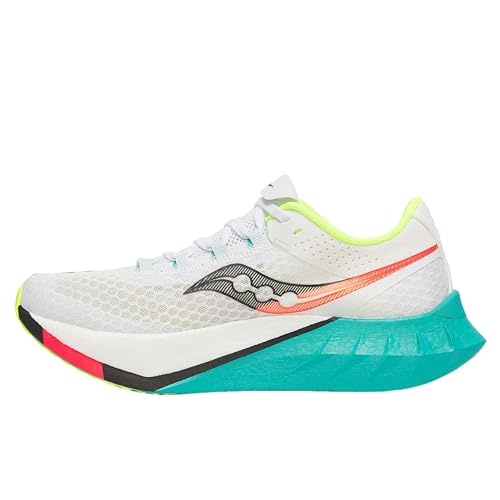
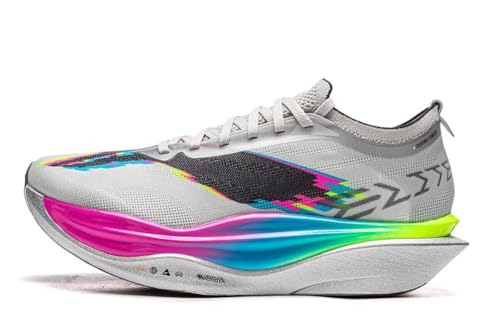
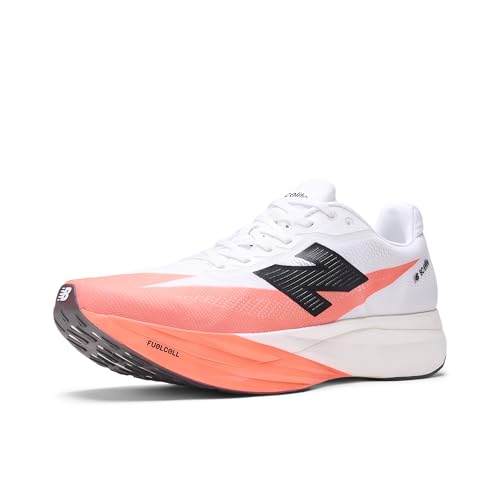


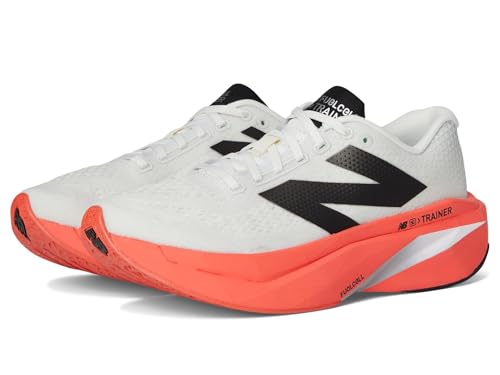
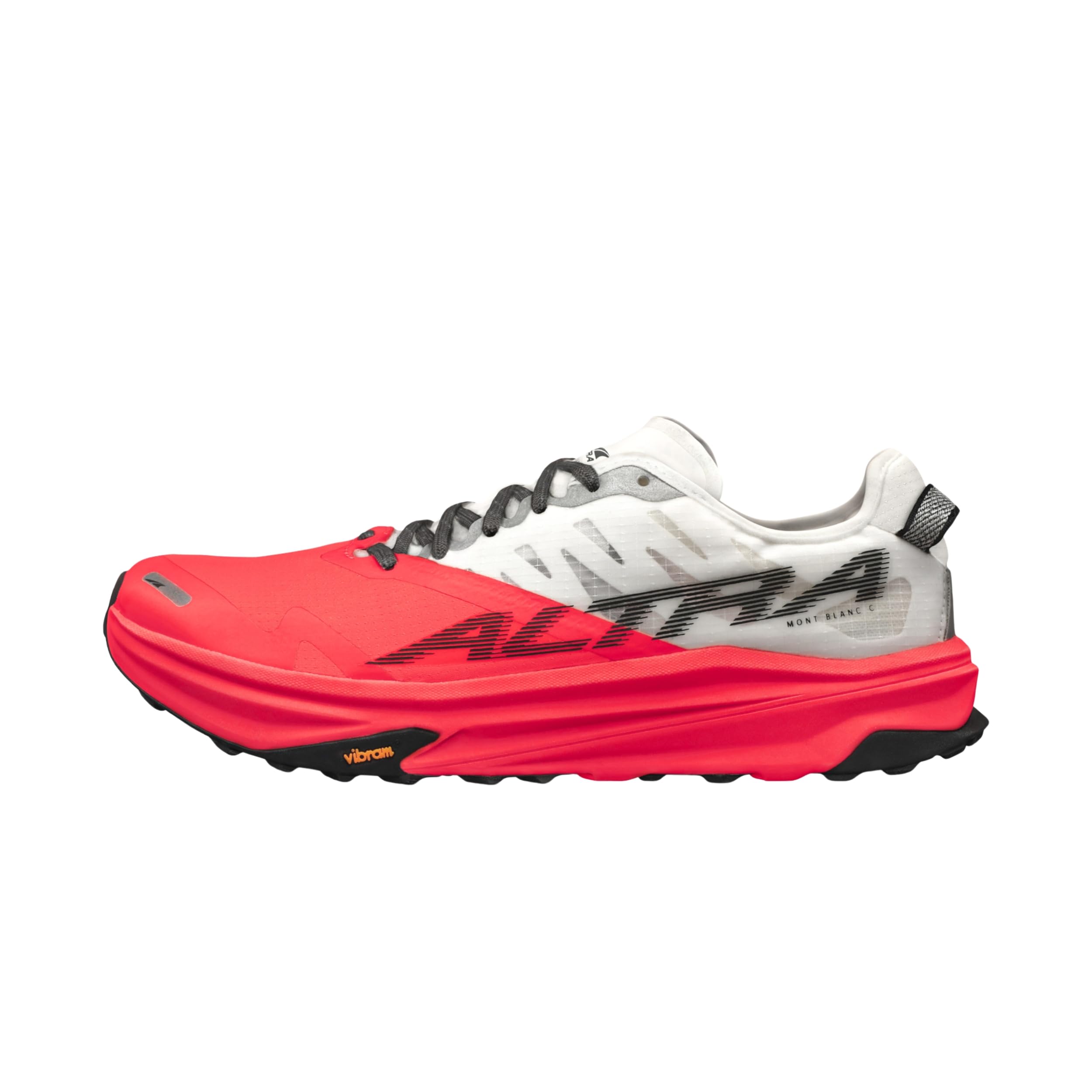
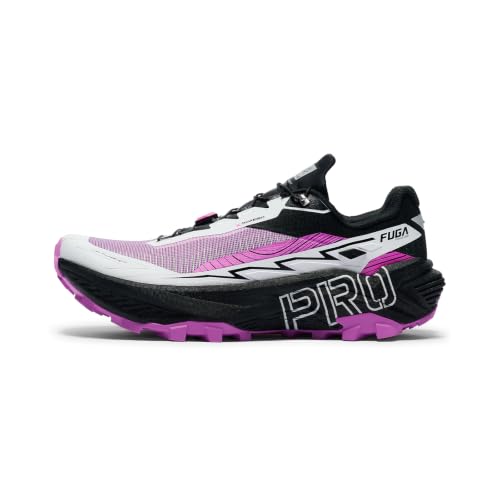
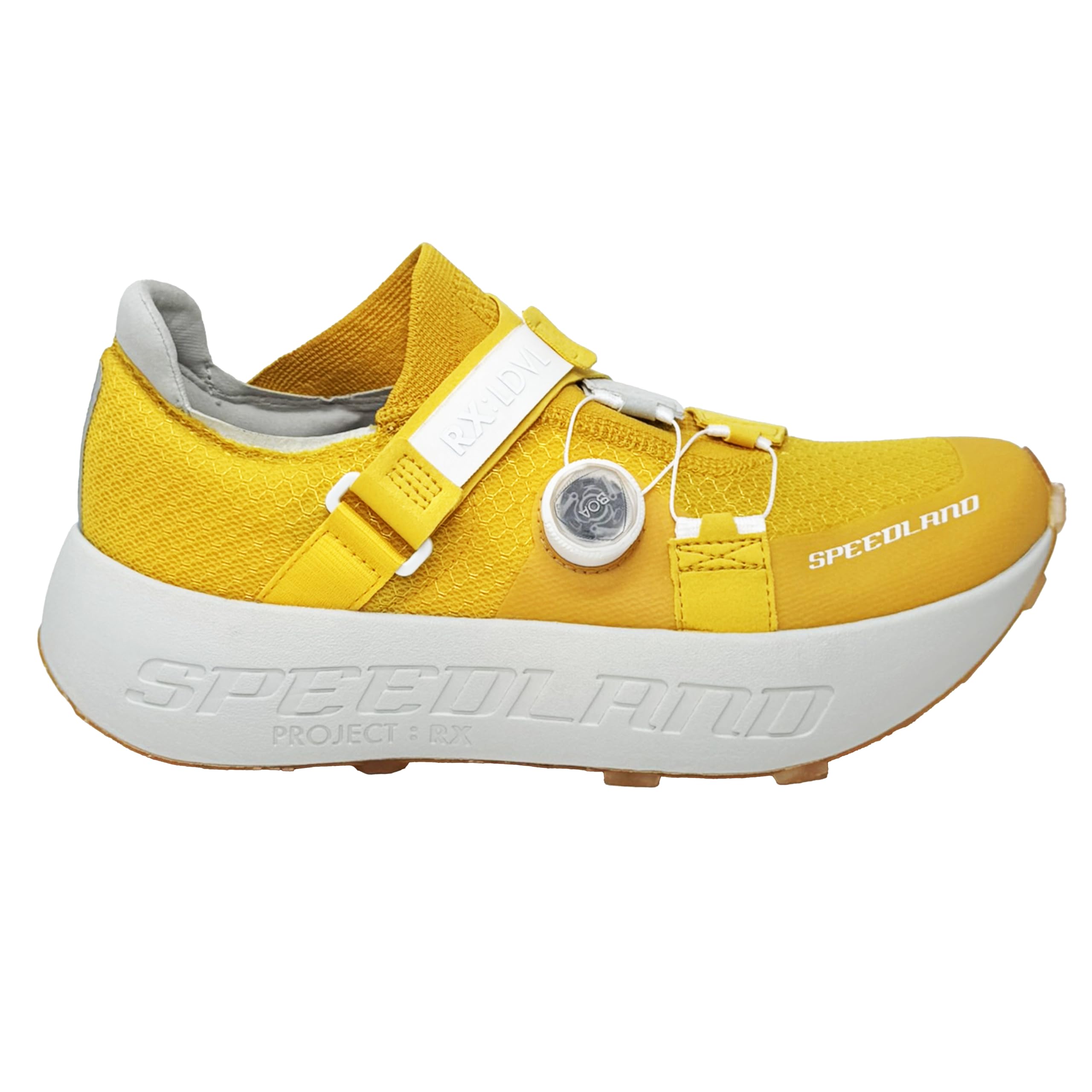
Fit matters enormously. Plated shoes often run narrow or long, and the high stack height changes balance. Try them on a run, not just standing in a shop, and check toe room, heel hold and arch feel. A shoe that feels fast for five minutes may feel awkward after ten miles.
Race distance changes which plated shoe suits you. Short races reward light weight and aggressive propulsion. Marathons reward cushioning that stays comfortable for hours and foam that resists flattening late in the race. A shoe that feels electric for 5K may feel harsh at mile 20.
Match the shoe to your target distance, not just to a fast first impression.
Who Should Buy Carbon Plated Shoes
Runners targeting races, from 5K to marathon, gain most from carbon plates, since the efficiency benefit grows at faster paces. If you race regularly and train consistently, a plated shoe can be a genuine performance tool. It is not magic, but it can make race pace feel slightly easier.
Casual runners and beginners may enjoy plated shoes for occasional fast sessions, but they rarely need them for every run. Everyday training still suits softer, more stable shoes. Rotating a plated racer with a daily trainer protects both your legs and your wallet, since plated foam wears faster under daily mileage.
Key Features to Compare
Foam type shapes the ride more than the plate alone. Modern super foams feel soft and springy, but they vary in durability and stability. Some foams stay lively for many miles, others flatten quickly. Check runner feedback on foam life, not just first run feel, since a shoe that dies early costs more per mile.
Plate shape and stiffness also vary. Full length plates feel most propulsive, while partial plates feel more natural. Stack height affects stability: higher stacks feel faster but wobblier on corners and uneven paths. Lighter shoes help at race pace, but very light uppers may sacrifice lockdown and durability.
Fit, Sizing and Stability
Try plated shoes in your usual running socks and, ideally, after a short run when feet are slightly swollen. Check toe room carefully, since many plated shoes fit long or narrow. Heel slip wastes energy and causes blisters, so lace lockdown matters. If you have wide feet, look for wide versions rather than sizing up blindly.
Stability deserves attention. High stack shoes with soft foam can feel unstable for overpronators or runners with weak ankles. If you need support, look for plated shoes with wider bases or guide rails. A stable plated shoe that keeps your gait clean beats a faster feeling shoe that strains your knees or ankles.
Training, Racing and Durability
Use plated shoes mainly for key workouts and races. Daily use wears the foam faster and may change your gait over time, since the plate does some work your muscles would otherwise do. Keep a regular trainer for easy miles and long slow runs, and save the plated pair for sessions where speed matters.
Track mileage on plated shoes. Many runners find the lively feel fades after a few hundred miles, well before the outsole looks worn. If race day matters, avoid debuting a brand new pair and avoid racing in a pair that has lost its spring. Plan replacement around your race calendar, not just visible wear.
Budget and Value
Plated shoes cost significantly more than daily trainers, so value depends on race frequency. A runner racing several times a year may justify the price. A runner racing once a year may prefer a cheaper plated option or a fast non plated shoe. Watch for previous models on sale, since last season racers often offer similar performance for less.
Avoid buying plated shoes purely for style or hype. If your main runs are easy paced and short, the benefit is small and the cost per mile is high. Spend instead on a comfortable daily trainer and good socks. When race goals grow, a plated shoe becomes a smarter investment.
Quick Checklist Before You Buy
- Use plated shoes mainly for races and key workouts.
- Check toe room, heel hold and stability on a real run.
- Rotate with a daily trainer to protect legs and foam life.
- Track mileage, since foam feel fades before visible wear.
- Consider previous models for better value.
Related guides on carbon plate shoes, carbon running shoes and plated options can help you compare foam, fit and price before race day. best carbon plate running shoes, best carbon fiber running shoes, best carbon plate shoes, best carbon running shoes, best carbon fiber shoes.
Getting the Most From Your Choice
Socks and lacing affect plated shoe fit more than many runners expect. Thin race socks change toe room and heel hold compared with cushioned trainers. Lockdown lacing techniques reduce heel slip without over tightening the midfoot. Test your race day sock and lacing combination on a long run, since small fit differences grow into blisters over distance.
Course profile matters too. Hilly courses demand grip and stability on descents, where high stack shoes feel less secure. Flat road courses let plated shoes shine fully. Wet courses need outsole traction that some race shoes sacrifice for weight.
Check the outsole pattern and grip for your race conditions, not just for dry pavement.
A Final Check Before You Order
Recovery after plated shoe sessions deserves attention. The plate changes calf and foot loading, so some runners feel unusual soreness after first fast runs. Build plated mileage gradually and keep easy days in regular trainers. Stretch calves and feet after sessions, and note any persistent soreness.
Gradual adaptation protects tendons while you gain speed.
Rotation strategy extends shoe life and reduces injury risk. Keep a daily trainer for easy miles, a plated shoe for workouts and races, and perhaps a trail or all weather shoe for bad conditions. Rotation also lets foam recover between runs, since super foams rebound better with rest days. A thoughtful rotation costs more upfront but pays off in durability.
Frequently Asked Questions
Frequently Asked Questions
Do carbon fiber plates make you faster?
For many runners, carbon plates improve running economy slightly, which can translate into faster race times at the same effort. The gain varies by runner, pace and shoe model. Faster runners tend to benefit more. Treat the plate as a small edge on top of training, not a replacement for consistent mileage and good preparation.
Are carbon plated shoes bad for beginners?
Carbon plated shoes are not harmful for beginners in occasional use, but they are rarely necessary. Beginners benefit more from comfortable, stable daily trainers that support natural gait development. A plated shoe can feel unstable at slow paces. Save plated shoes for later, when race goals and training volume make the investment worthwhile.
How long do carbon plated shoes last?
Most plated shoes keep their lively feel for a few hundred miles, though outsoles may look fine long after. Foam compression is the usual limit, not tread wear. Track your mileage and note when the shoe feels flat. Racing in a tired pair wastes the benefit, so plan replacement around key races rather than waiting for visible damage.
Can I train every day in carbon plated shoes?
You can, but it is rarely wise. Daily use wears expensive foam quickly and may reduce the training stimulus for your feet and calves, since the plate assists propulsion. Most coaches suggest rotating plated racers with regular trainers. Use plated shoes for workouts and races, and daily trainers for easy miles and recovery runs.
Do carbon plated shoes help with injury?
Carbon plates do not treat or prevent injury, and they can aggravate issues if fit or stability is wrong. Runners with ankle instability, Achilles problems or knee pain should be cautious with high stack plated shoes. If pain persists, changes with footwear or worsens during runs, talk with a clinician or physiotherapist before continuing in plated shoes.
Final Thoughts
Carbon plated shoes are exciting tools, but they reward thoughtful use. Use the product table above to compare foam, plate design and fit, then rotate them wisely with a daily trainer. That approach gives you race day benefit without unnecessary cost or strain.
Choose fit and stability first, speed second. A plated shoe that suits your feet and gait will serve you far better than the fastest feeling option that fights your stride. Train well, race smart and let the shoe support, not replace, your preparation.
Plated shoes reward runners who choose by distance, fit and course, not by hype alone, and best carbon fiber plate running shoes can be a genuine race day advantage when used wisely. Use the product table above to compare foam and fit, then rotate carefully and race with confidence.


