Best Car Winter Tires 2026: A Guide to Safer Cold Season Driving
Disclosure: We may earn a commission when you buy through links on this page, at no extra cost to you. As an Amazon Associate I earn from qualifying purchases. Learn more

Compare the best car winter tires by cold grip, tread, size and price, and learn how to fit them safely.
Summer and all season rubber stiffens as the temperature falls, and that is when grip matters most. The best car winter tires use a softer compound and a deeper, more cut up tread to keep gripping on cold pavement, slush, packed snow and ice. This guide explains what separates winter tires from all season ones, how to match a tire to your car and climate, and what to check before you buy.
Winter tires help well beyond the snow days. Once the air stays near freezing, a dedicated tire can shorten stopping distances on cold dry and wet roads too. Use the comparison table below for sizes and prices, then read on to judge which features matter for the roads you drive.


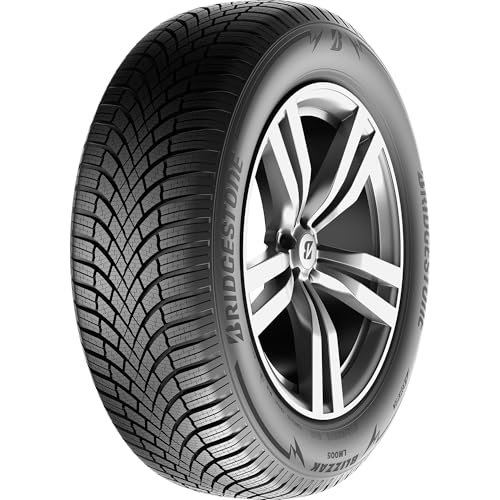
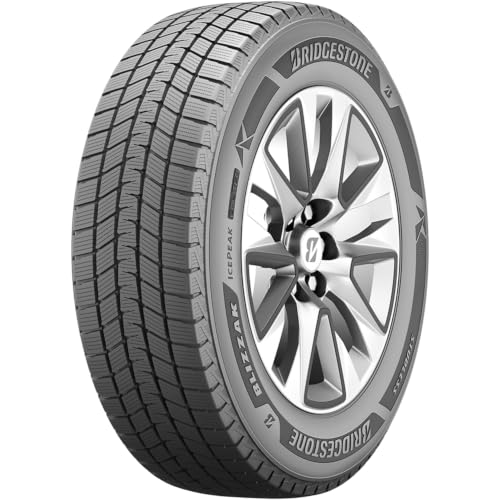
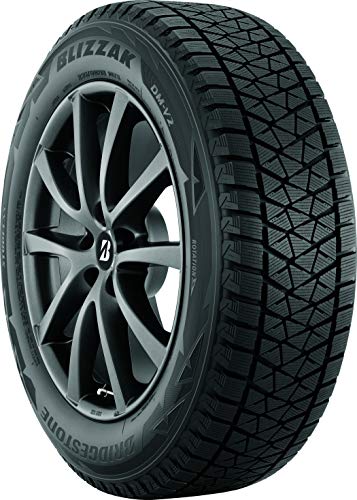
Why Winter Tires Beat All Season Tires in the Cold
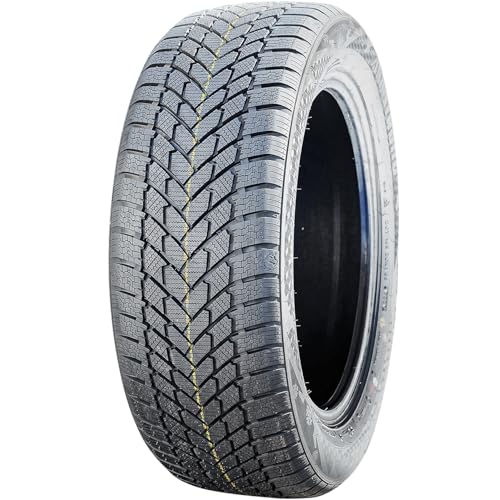
The biggest difference is the rubber itself. A winter compound contains more natural rubber and silica so it stays flexible in low temperatures, while an all season compound turns firm and slides more easily. That flexibility lets the tread conform to small bumps in the road surface and hold on.
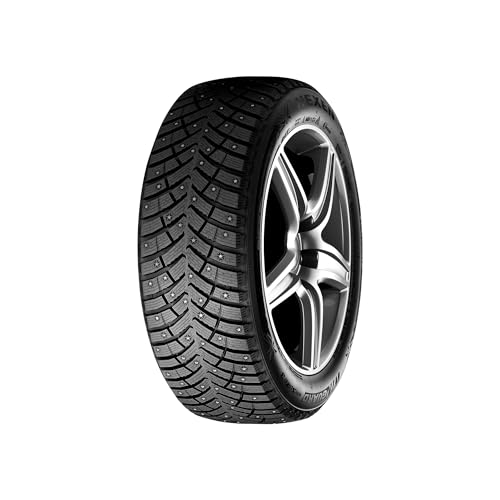
The tread works differently as well. Winter tires carry deep grooves that pack in snow and release it as the tire turns, because snow grips snow better than rubber does. Thousands of thin slits called sipes bite into ice and wet pavement. Look for the three peak mountain snowflake symbol on the sidewall, which marks a tire that meets a recognized snow traction standard. Tires with only an M+S mark meet a looser rule and do not match a true winter tire in deep cold.
Choosing the Best Car Winter Tires for Your Climate
Match the tire to the winter you actually have. Drivers in regions with regular snow and ice benefit most from a full winter tire, while mild climates with cold rain may be well served by a lighter winter design. If you also face a few warm days in winter, remember that soft winter rubber wears faster on hot pavement.
Studless Winter Tires
Studless tires are the most common choice and suit most drivers. They rely on compound and tread design alone, run quietly, and work on snow, slush and cold dry roads. Many modern studless designs also grip surprisingly well on ice thanks to dense siping and special rubber blends.
Studded Winter Tires
Studded tires add small metal pins that dig into hard ice. They help most on glare ice and rural roads that are rarely plowed, but they are louder on bare pavement and some regions restrict or ban them, so check local rules first. For most city and suburban driving, a good studless tire is enough.
All Weather Tires as a Middle Option
All weather tires carry the snowflake symbol yet stay usable year round. They suit mild winters and drivers who do not want to swap tires twice a year, but in heavy snow or deep cold a dedicated winter tire still stops and grips better. Treat them as a compromise, not a replacement.
If you drive a compact vehicle, our guide to the best winter tires for small car covers sizing and traction points that apply to lighter cars. For a broader overview of cold season options, see the best tires for winter.
Features to Compare Before You Buy
Size, Load Index and Speed Rating
Find the exact size on your current tire sidewall or on the door jamb label, written like 225/65R17. Keep the same load index and a speed rating at or above the one your car maker lists. Some drivers choose a slightly narrower winter size to cut through snow instead of floating over it, but ask a tire shop before changing size.
Tread Depth and Wear
New winter tires often start with deeper tread than all season tires. Grip in snow drops quickly as the tread wears down, so many drivers retire a winter tire once the remaining depth is low, well before it reaches the legal minimum. Check the tread with a gauge each season.
Noise, Comfort and Rolling Resistance
Soft compounds and chunky tread blocks can hum more and slightly raise fuel use. Studless designs vary here, so compare owner feedback on road noise if you spend long hours on highways.
Price and Total Cost
Prices vary widely by size and brand, from budget tires at around $60 to $100 each for small sizes to $200 or more for large SUV sizes. Remember mounting and balancing, and consider buying a second set of wheels so seasonal swaps are quicker and cheaper over time.
Fitting and Using Winter Tires Safely
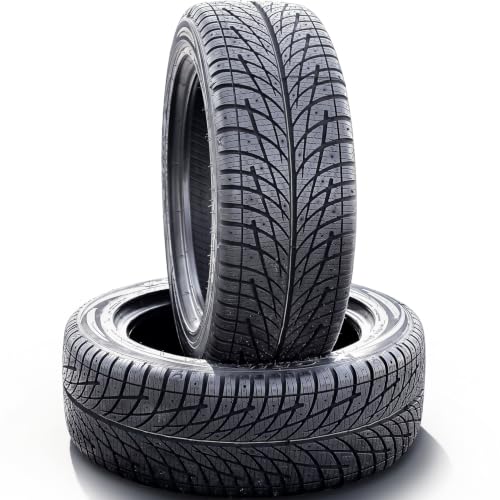
Fit four matching winter tires, never two. Winter tires on only the front or rear axle give the axles different grip, which can cause spins in a turn or a hard stop. Have them mounted and balanced, and check the pressure monthly because cold air lowers it.
Switch when temperatures stay near or below about 7 degrees Celsius (45 degrees Fahrenheit) and switch back in spring. Store the off season set in a cool, dry place away from direct sun, ideally laid flat or hung. Even good tires cannot defeat physics, so leave extra following distance and slow down on snow and ice.
If you only need extra traction for occasional heavy snow, see our guide to the best car snow tires for snow focused designs.
Frequently Asked Questions
When should I switch to winter tires?
Switch when temperatures regularly drop to around 7 degrees Celsius (45 degrees Fahrenheit) or lower, ideally before the first snow or ice. Early fitting avoids long shop queues. Switch back in spring once temperatures stay above that range.
Do small cars need winter tires?
Yes, and small cars often gain a lot. Lighter cars press less weight into the road, so a proper winter compound and tread make a clear difference in braking and cornering. Choose the exact size listed for your car.
Can I mix winter and summer tires?
Mixing is not recommended. Different grip levels front and rear can unbalance the car, especially in braking and cornering. Always fit four matching winter tires, and if the budget is tight, buy a smaller set of four rather than two.
How long do winter tires last?
With seasonal use they often last several winters, depending on mileage, driving style and storage. Check tread depth and sidewalls each season, and replace tires that are worn, cracked or hardened with age.
Are winter tires required by law?
Rules vary by region, with some places requiring winter tires or traction devices in certain months or conditions. Check local regulations before winter, since fines and insurance issues can follow.
Final Thoughts
Winter tires are one of the most effective ways to stay in control in cold weather. Confirm your exact size, look for the snowflake symbol, fit four matching tires and switch at the right time of year. Compare sizes and prices in the product table above, then choose the best car winter tires for your roads and your budget.