Best Car Weather Mats for Every Need: How to Pick the Right One for 2026
Disclosure: We may earn a commission when you buy through links on this page, at no extra cost to you. As an Amazon Associate I earn from qualifying purchases. Learn more

Compare car weather mats by use case, coverage, grip, and care. This guide explains which mat style fits commuters, families, and work vehicles.
There is no single mat that suits every driver, because best car weather mats need to match how you actually use your car. A commuter tracking in rain needs different coverage from a parent dealing with muddy shoes, and a work vehicle needs tougher protection than a weekend car. This guide sorts mats by use case first, then explains the features that matter for each routine. The comparison table below shows the main mat styles side by side.
Start with your messiest regular trip, not with a brand or a price tier. Think about rain, snow, mud, sand, spills, and how often you clean the car. Then check fit for your exact vehicle, because a mat that leaves gaps around the pedals or slides under your feet creates a safety problem. The right mat protects the carpet, stays in place, and cleans up without a fight.





Who Should Buy Which Car Weather Mats?
For Gift Shoppers
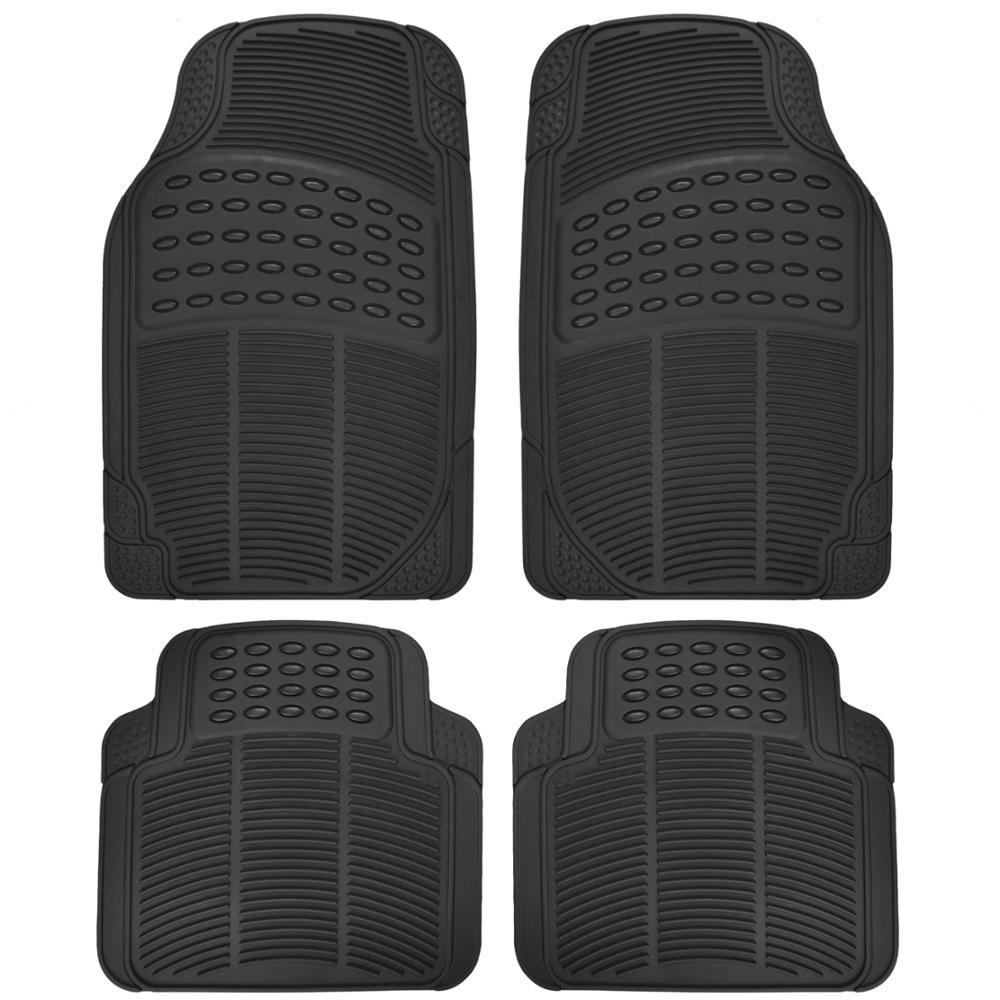
Gift shoppers want a mat that is easy to give and hard to get wrong. A universal or semi custom mat in a neutral color suits this group, because it fits many vehicles and looks tidy without exact measurements. Look for a simple shape, a grippy underside, and a cover or box that keeps it clean until it is opened. A clear warranty and an easy return policy matter more than premium materials here, since the giver may not know the exact vehicle trim.
Include a note with the vehicle year and model if you know it, so the recipient can check fit before installing.
For Value Seekers
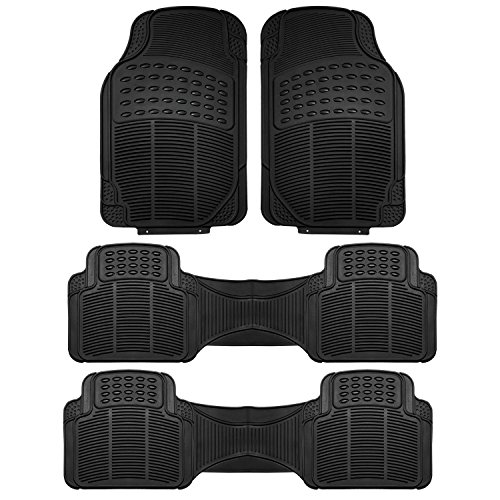
Value seekers want solid protection at a fair price, without paying for features they will never use. A rubber or thermoplastic mat with raised edges and a textured surface usually gives the best balance of durability and cost. Skip deep custom molding if your car sees mostly light rain and dust, and put the savings toward a second set for the rear seats if your family rides along often. Check the thickness and the grip system, because a cheap mat that curls at the edges or slides will need replacing sooner.
A mat that rinses clean in minutes saves more over time than a slightly cheaper mat that stains.
For People Who Want the Best Performance
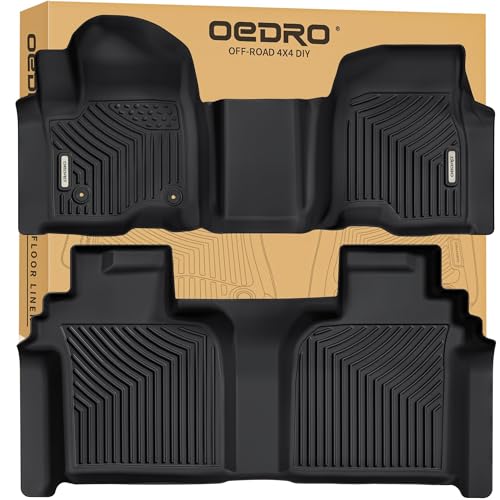
Drivers who want the best performance usually face snow, mud, or work site dirt on a regular basis. For them, a custom molded mat with high side walls, deep channels, and a firm retention system earns its higher price by trapping water and grit before it reaches the carpet. Look for coverage that extends under the pedals area without touching pedal travel, plus a surface that grips shoes without holding mud in hard to clean grooves. Heavier mats also stay put better in large vehicles, though they take more effort to lift out for cleaning.
Pay for coverage and retention first, and treat color and logo details as extras.
For First Time Buyers
First time buyers should keep the choice simple and safe. Start with your vehicle year, make, and model, then pick a mat style that matches your climate and your cleaning habits. A universal mat works if you check the size against your footwell and confirm the retention hooks line up. A custom fit mat removes most guesswork but costs more, so it suits buyers who want a one time install.
Either way, test pedal clearance after install: press each pedal fully and confirm the mat never touches pedal travel. If it does, reposition or replace the mat before driving.
Key Features to Compare
Key Performance Specs
The specs that matter most are coverage, edge height, channel depth, material, and retention. Coverage should extend across the full footwell and up the sides a little, so water cannot run off onto the carpet. Raised edges and deep channels trap slush and spills, while a textured surface keeps shoes from slipping. Rubber stays flexible in cold weather and grips well, while thermoplastic holds a molded shape and rinses clean easily.
Carpet style mats feel softer but trap moisture, so they suit dry climates better than snowy ones. Always confirm the mat leaves full pedal clearance, because no coverage benefit outweighs a pedal problem.
Intended Use and Who It's For
Intended use should drive the mat style you pick. Commuters in rainy cities need full front coverage and easy rinsing, while rural drivers need deep channels for mud and gravel. Families need rear mats too, because children track in sand, snacks, and spills that ruin carpet fast. Work vehicles need heavy duty mats that survive boots, tools, and frequent cleaning.
Pet owners need mats that resist claws and hair and rinse clean without trapping odor. Match the mat to your messiest routine, and the rest of your driving will be covered as well.
Ease of Use and Setup
Ease of use starts with fit and ends with cleaning. Custom mats drop into place and hook onto factory retention posts, while universal mats may need trimming along marked lines. Trim only as directed, and test the fit after each small cut, because a mat cut too short leaves carpet exposed. A good mat lifts out without bending double or spilling trapped water, and it rinses clean with a hose or a damp cloth.
If you clean your car often, a lighter mat you can handle easily beats a heavier mat you dread removing. For more on related mat styles, see our guide to best mats for car in a paragraph about general mat choice.
Maintenance and Long Term Costs
Maintenance decides the real cost of a mat over several years. Rubber and thermoplastic mats usually need only rinsing and air drying, while carpet mats need vacuuming and occasional shampooing. Deep grooves trap grit, so brush them out rather than letting mud dry into a hard layer. Replace a mat when its edges curl, its grip wears smooth, or its retention holes stretch and no longer hold.
A mat that lasts five years at a moderate price costs less per year than a cheap mat replaced twice. Keep a second look at drainage too: a mat that holds water without drying can cause odor under the mat.
Warranty and Customer Support
Warranty terms tell you how much the maker stands behind fit and material quality. Look for coverage of cracking, warping, and retention failure under normal use, and note whether trimming a universal mat voids part of the warranty. A clear fit guarantee helps when a custom mat arrives slightly off, because you can exchange it without a long dispute. Support that answers fit questions by vehicle trim saves more time than a longer warranty with slow replies.
Keep your receipt and vehicle details with the warranty, so a claim later does not depend on memory. If you want a broader view of weather protection, see our guide to best all weather mats alongside this guide.
Common Mistakes to Avoid When Buying Car Weather Mats
- Buying on price alone: a thin mat that curls or slides costs more once you replace it and clean stained carpet.
- Ignoring pedal clearance: a mat that touches pedal travel is unsafe, so test every pedal fully after install and before driving.
- Stacking mats: never stack one mat on top of another, because the top mat can slide and interfere with the pedals.
- Skipping retention: mats without working retention hooks or grips shift during driving, so confirm the retention system fits your vehicle.
- Choosing the wrong size: a mat that is too large bunches against the pedals, while one that is too small leaves carpet exposed to water and mud.
- Forgetting the rear seats: front only protection leaves rear carpet to collect the same mud and spills from passengers.
How to Make Your Car Weather Mat Last Longer
Read the maker guide before first use, and confirm the retention system and any trimming lines for your vehicle. Clean and inspect the mats regularly, shaking out loose dirt and rinsing off mud before it dries into the grooves. Store any spare set in a dry place, flat rather than folded, so the edges do not curl. Check pedal clearance again after every cleaning, because a mat can shift when you put it back.
Replace worn retention clips promptly, and retire a mat whose surface has gone smooth or whose edges no longer lie flat. For floor coverage in general, see our guide to best floor mats for car when comparing mat shapes.
Frequently Asked Questions
Are expensive car weather mats worth it?
Expensive car weather mats are worth it when your driving brings in snow, mud, or work site dirt that cheaper mats cannot contain. Custom molded mats with high walls, deep channels, and firm retention trap more water and grit, and they tend to hold their shape longer. For light rain and mostly dry roads, a mid priced rubber mat often protects just as well and cleans just as easily. The value test is simple: does the mat keep your carpet dry, stay in place, and clean up fast?
If a cheaper mat passes that test, the extra cost buys little.
What features matter most when buying car weather mats?
The features that matter most are exact fit, retention, coverage, edge height, and pedal clearance. A mat that fits your footwell and hooks onto factory retention posts will stay put and protect the carpet underneath. Raised edges and channels matter more than color or pattern, because they decide how much water stays on the mat. Material matters next: rubber grips well in cold weather, while thermoplastic holds a molded shape.
A mat that fails any of these basics will disappoint no matter how good it looks.
How do I maintain a car weather mat?
Maintain a car weather mat by removing it regularly, shaking out loose dirt, and rinsing it with water. Use a brush for dried mud in deep grooves, and let the mat air dry fully before putting it back, so moisture does not sit under it. Vacuum carpet style mats and shampoo them when stains appear, following the maker guide. Inspect retention holes and grip nibs each time you clean, and replace the mat if the edges curl or the grip wears smooth.
A quick rinse after muddy trips prevents most long term staining.
How much should I spend on a car weather mat?
Most drivers can protect a car well for about $30 to $120 per set, depending on fit and material. Universal rubber mats sit at the lower end and suit light weather and easy cleaning. Custom molded sets cost more but fit better and trap more water, which suits snowy climates and work vehicles. Rear mats add to the total, so budget for the full vehicle if passengers ride often.
Spend more only when your climate or job demands deeper channels and stronger retention, not for looks alone.
How long does a car weather mat last?
A car weather mat usually lasts three to six years with regular cleaning, though heavy use in snow and mud shortens that range. Rubber mats may crack in extreme cold if left dirty, while thermoplastic mats may warp if stored folded in heat. Signs of replacement include curled edges, smooth worn grip, stretched retention holes, and cracks that let water through. Cleaning after muddy trips and storing spares flat in a dry place extends life.
For a durable rubber option, see our guide to best rubber car mats when weighing materials.
Final Thoughts
Pick a mat by fit, retention, and coverage first, then by material and price. Measure your footwell, confirm pedal clearance after install, and never stack mats. best car weather mats earn their place when they keep carpet dry, stay put on every trip, and rinse clean without effort. Use the product table above to compare styles side by side, then choose the mat that matches your messiest regular drive.