Best Car Speakers for Bass Without Subwoofer 2026: Fuller Low End From Door Speakers
Disclosure: We may earn a commission when you buy through links on this page, at no extra cost to you. As an Amazon Associate I earn from qualifying purchases. Learn more

Door speakers can sound full without a sub. Learn which size, sealing and settings give the best car speakers for bass without subwoofer, plus what to expect.
Getting strong bass from best car speakers for bass without subwoofer setups is possible, but it needs the right speakers and the right install. The comparison table below summarizes the main options, and this guide explains what actually creates low end in a door. Larger woofers, solid mounting and proper sealing matter more than marketing claims about deep bass.
Door speakers face a hard limit: a small driver in a leaky door cavity cannot move as much air as a dedicated subwoofer. That does not mean bass must sound thin. A well chosen 6 inch or larger woofer, mounted firmly and sealed well, can deliver satisfying bass for most music at normal volume. The goal is clean, musical bass, not window shaking output.
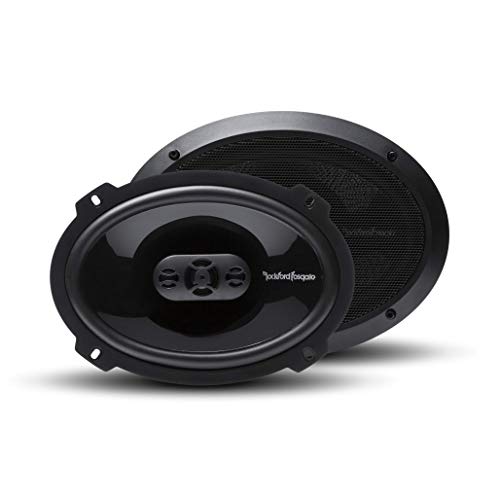

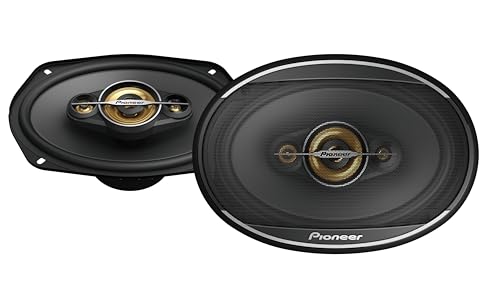


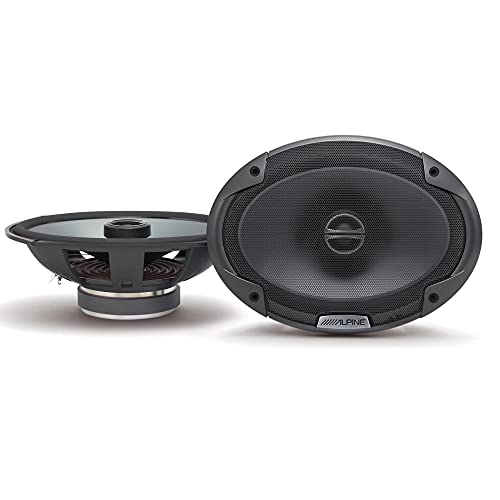
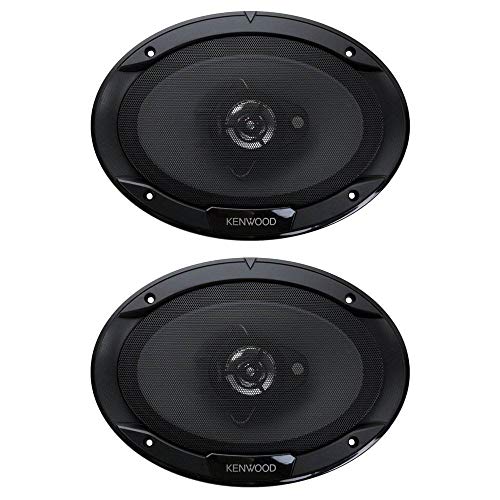

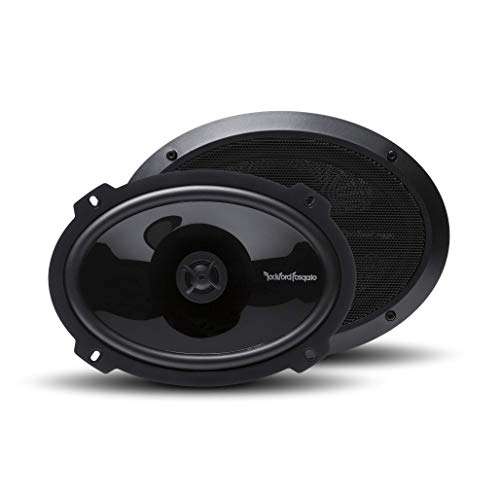
What Bass Without a Subwoofer Can Really Do
Expect trade offs. Bass without a subwoofer will not reach the deepest notes of a large subwoofer, and pushing door speakers too hard causes distortion. Set realistic expectations, choose speakers built for low frequency work and support them with sound treatment and sensible amplifier settings.
Music genre changes what bass without a subwoofer can deliver. Rock and pop rely on punchy mid bass that door speakers handle well. Acoustic music needs warm, natural low end rather than deep rumble. Electronic music demands the deepest notes, where door speakers struggle most.
Matching expectations to genre keeps satisfaction high and avoids chasing an impossible target with door speakers alone.
Who Should Skip the Subwoofer
Drivers with small trunks or no spare space benefit most from a subwoofer free setup. If you need every inch of luggage room, or you lease a car and want a reversible upgrade, door speakers alone keep things simple. Parents and commuters also appreciate a system that sounds good without complex wiring.
Listeners who mainly play rock, pop, podcasts and acoustic music often find door speaker bass sufficient. Bass heavy electronic music and hip hop still sound enjoyable, but the deepest notes will be softer. If you regularly crave very deep bass, a compact powered subwoofer may still be worth considering later.
Key Features to Compare
Woofer size and cone material shape bass output. Larger woofers move more air, so they play lower notes with less strain. Stiff yet light cones, such as polypropylene or treated paper blends, keep bass tight without breakup. Rubber surrounds last longer than foam in hot cars and handle repeated movement better.
Check frequency response and sensitivity together. A speaker rated down to a low frequency may still sound weak if sensitivity is low and power is limited. Higher sensitivity helps factory radios drive bass better. Also check mounting depth, since deeper woofers need more door clearance and may foul window mechanisms.
Door Sealing and Sound Treatment
Sealing is the single biggest improvement for bass without a subwoofer. Factory doors leak sound through holes and thin panels, which cancels low frequencies. Sealing access holes with proper panels and adding sound deadening to the outer door skin turns the door into a better speaker enclosure.
Also check speaker mounting. A speaker screwed to a flimsy adapter ring loses energy. Use solid adapter rings, foam sealing rings behind the speaker and screws that bite firmly. These low cost steps often improve bass more than spending extra on the speakers themselves, and they reduce rattles at higher volume.
Amplifier Settings That Help Bass
An amplifier helps door speakers play bass cleanly by giving them enough power without clipping. Clipping, which happens when an amplifier runs out of clean power, damages speakers and sounds harsh. A modest amplifier with correct gain settings protects speakers and improves low end control.
Set the high pass filter carefully. A filter set too low lets door speakers attempt notes they cannot play, causing distortion. A filter around the lower end of the speaker range keeps bass clean. Also try a gentle bass boost at the radio only after gains are set correctly.
Small adjustments, tested from the driver seat, beat extreme settings.
Budget and Realistic Expectations
Budget speakers with good sealing can satisfy casual listeners. Mid range speakers with larger woofers and better materials suit daily music lovers. Premium speakers add detail and control but still cannot match a subwoofer for the deepest notes. Judge them on clarity and punch at normal volume, not on extreme loudness.
A common mistake is buying speakers purely on wattage ratings. Wattage tells you little about bass quality. Another mistake is skipping door treatment to save money, then blaming the speakers. Spend across speakers, sealing and, if needed, a modest amplifier.
That balance delivers the best bass per dollar in a subwoofer free system.
Quick Checklist Before You Buy
- Choose larger woofers with stiff cones and rubber surrounds.
- Seal door holes and add sound deadening before judging bass.
- Use solid adapter rings and foam sealing rings.
- Set high pass filters to protect speakers from notes they cannot play.
- Judge bass at normal volume, not at maximum.
Related guides on speaker only setups, bass focused speakers and amplifier free options can help you compare before you buy. best car speakers without subwoofer, best car speakers for bass with subwoofer, best car speakers for bass without amp, best car speakers for bass.
Getting the Most From Your Choice
Speaker break in affects bass perception. New speakers often sound stiff and thin for the first hours of play, then loosen and fill out. Avoid judging bass on the first drive alone. Play varied music at moderate volume for a week, then reassess.
If bass still disappoints after break in and sealing, the speaker choice or power may be the limit, not patience.
Equalizer settings shape bass more than many buyers expect. A gentle low frequency lift can warm up door speakers, but heavy bass boost causes distortion and damage. Start flat, set crossover and gain correctly, then add small equalizer adjustments. Test with familiar tracks at normal volume, since extreme settings that impress briefly often fatigue quickly.
A Final Check Before You Order
Passenger comfort matters in a shared car. Bass that sounds great to the driver can overwhelm rear passengers, especially children. Keep volume moderate and bass balanced so everyone enjoys the ride. A system tuned for the driver seat alone may sound boomy elsewhere, so test from different seats before finalizing settings.
Weather and age affect door speakers. Heat, cold and moisture slowly degrade surrounds and adhesives, especially in cars parked outdoors. Choosing speakers with rubber surrounds and moisture resistant materials extends life. Park in shade when possible and avoid blasting cold speakers at maximum volume on winter mornings.
Frequently Asked Questions
Can door speakers really produce good bass?
Yes, good door speakers can produce satisfying bass for most music when they are large enough, sealed well and powered correctly. They will not match a dedicated subwoofer for the deepest notes, but they deliver punchy, musical bass at normal volume. Sealing and mounting quality often matter more than the speaker price alone.
What speaker size is best for bass without a subwoofer?
Larger door speakers, typically 6 inches and above, move more air and play lower notes with less strain. Component woofers in this size range suit bass focused builds. Always check mounting depth and door clearance for your car model, since a speaker that fouls the window mechanism is useless no matter how good it sounds on paper.
Do I need sound deadening for better bass?
Sound deadening helps a lot, because it seals leaks and reduces panel vibration that cancels low frequencies. Even partial treatment on the outer door skin and around the speaker mount improves bass noticeably. It also cuts road noise, which makes music clearer at lower volume. Treat it as part of the speaker upgrade, not an optional extra.
Will an amplifier improve bass without a subwoofer?
A modest amplifier improves bass control and clarity by giving speakers clean power without clipping. It will not turn door speakers into a subwoofer, but it stops distortion at higher volume and lets low notes sound tighter. Set gains correctly and use a sensible high pass filter so speakers are not forced to play notes below their range.
Why do my new speakers sound worse than factory ones?
New speakers can sound worse if they have lower sensitivity than factory units, if doors are left unsealed or if wiring polarity is reversed. Check sensitivity against your radio power, seal the doors, verify wiring and allow a short break in period. If problems persist, an amplifier or a different speaker model may suit your car better.
Final Thoughts on Car Speakers for Bass Without Subwoofer
Strong bass without a subwoofer comes from a system, not a single part. Use the product table above to compare woofer sizes and features, then invest in sealing, solid mounting and sensible settings. That combination delivers clean, enjoyable bass every day.
Set realistic expectations and judge the result at normal listening volume. With the right speakers and install, you can enjoy full sounding music while keeping your trunk space and a simple, reversible setup.
Clean, musical bass is achievable without a subwoofer when speakers, sealing and settings work together, and best car speakers for bass without subwoofer setups prove that balance beats brute force. Use the product table above to compare woofer options, then tune patiently for your car and your music. Compare the best car speakers for bass without subwoofer in the table above one last time before you order.