
Best Car Seat Cushions for Lower Back Pain: Lumbar Support That Fits Your Seat (2026)
Disclosure: We may earn a commission when you buy through links on this page, at no extra cost to you. As an Amazon Associate I earn from qualifying purchases. Learn more

How to choose the best car seat cushions for lower back pain: lumbar pillows, seat cushions with back support, height, firmness, straps and positioning.
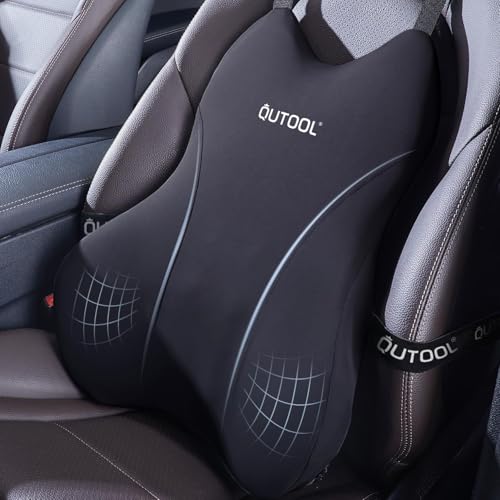
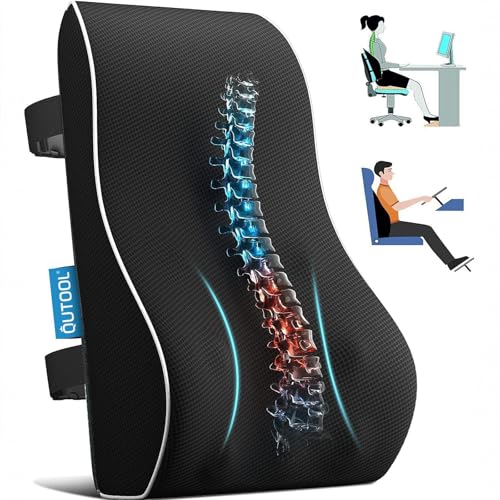
The lower back has a natural inward curve, and many car seats do not fill that gap. Without support, the spine slumps toward the backrest and the muscles work harder to hold you upright. The best car seat cushions for lower back pain fill the space at the curve, hold their position and keep your hips and spine in a comfortable line. The product table above focuses on lumbar pillows and cushions with built-in back support designed for cars, and they differ in firmness, height and attachment.
This guide covers how to choose and position one. For pain that continues, ask your doctor, because a cushion is a comfort aid and not a treatment.



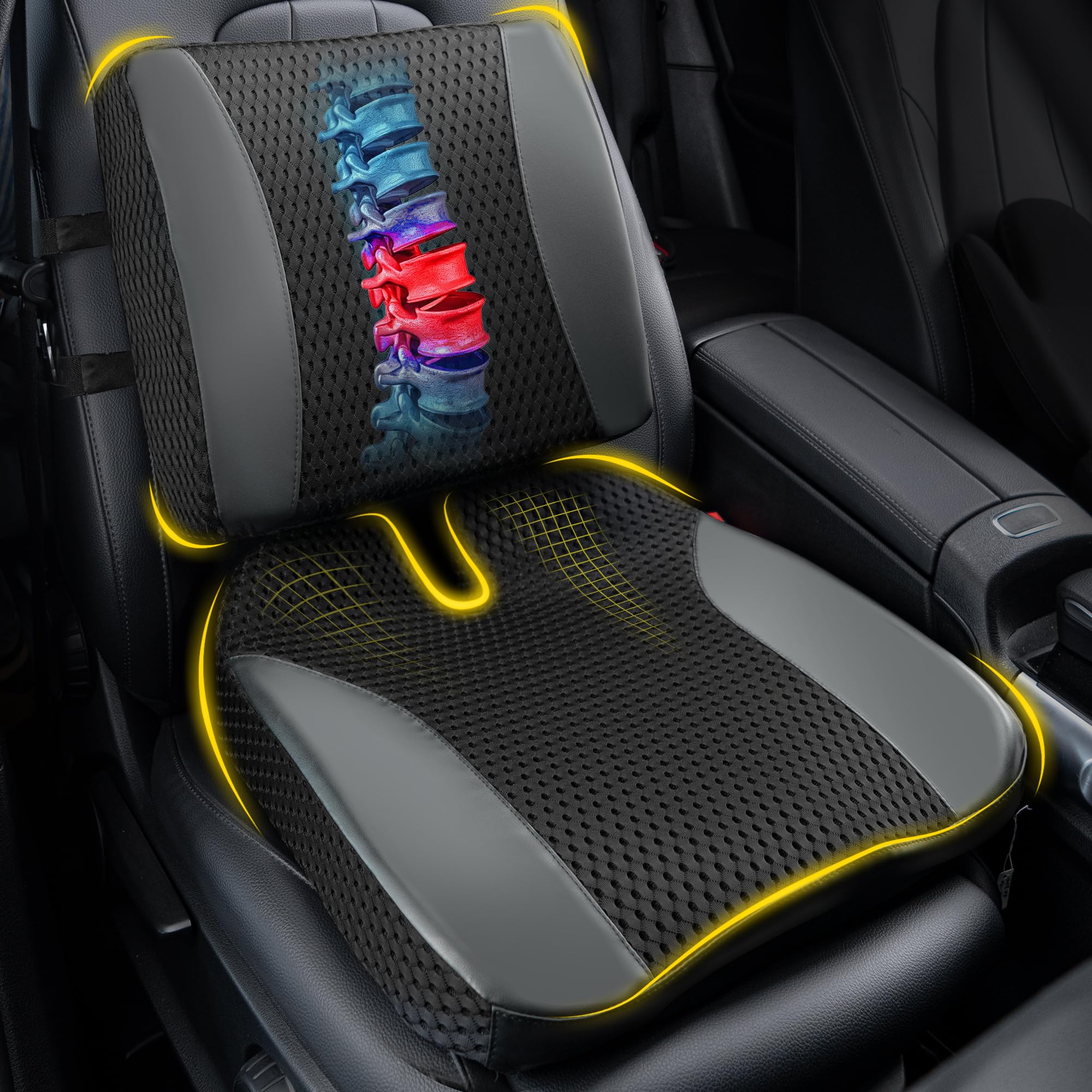
Where Lumbar Support Goes
The lumbar region sits at the small of the back, just above the belt line. A support pad should rest in that curve and feel like gentle fullness, not a hard push. If it presses too high, it tips your shoulders forward, and if it sits too low, it tilts your pelvis. Sit back in the seat, place the pad and then adjust it up or down until your spine feels neutral.
Types of Support
Lumbar Pillows
A separate pad that straps to the seat. It is easy to move between vehicles and adjust. Memory foam versions mold to your back, and mesh-covered ones breathe well.
Seat Cushions With Back Support
A single piece that combines a seat cushion and a back pad. It simplifies installation, and it keeps the two parts aligned, but it is less adjustable.
Adjustable and Inflatable Pads
A pad with an air bladder lets you change the firmness and the height. Such flexibility suits drivers who share a car or who want to vary support over a long trip.
Cooling Versions
Some pads use a gel layer or a ventilated design that reduces heat build-up against the back.
Firmness and Height
Firmness is personal. A pad that is too soft collapses, and one that is too hard creates pressure. Medium firm foam is a common starting point.
Height matters: a tall pad suits a long torso, and a shorter pad suits a smaller frame. Look for a design with a curve that matches your back, and avoid a pad that is so thick that it pushes you forward off the seat.
Attachment and Stability
A pad that slides down every time you shift is annoying. Look for an adjustable elastic strap that fastens around the seat back and a non-slip surface. Check that the strap does not interfere with the seat belt or the seat's controls. Make sure that the pad stays put while you get in and out.
Compatibility With Your Seat
Seats with built-in lumbar adjustments may need only a thin pad, while flat or soft seats benefit from more support. Sport seats with deep bolsters may not leave room for a pad, so measure the space. If your seat has ventilation or heating, check that the pad does not block the effect.
Breathability
A mesh cover allows air to flow, which helps in warm weather. A smooth cover can feel hot and slick against clothes, so choose a textured fabric. A removable cover makes cleaning easy.
Posture Tips
- Sit all the way back so that your hips touch the seat back.
- Adjust the seat so that your knees are slightly bent.
- Keep the backrest slightly reclined, not bolt upright.
- Take a break every couple of hours to stand and stretch.
- Avoid leaning to one side, and do not hold your wallet in a back pocket while driving.
Combining With a Seat Cushion
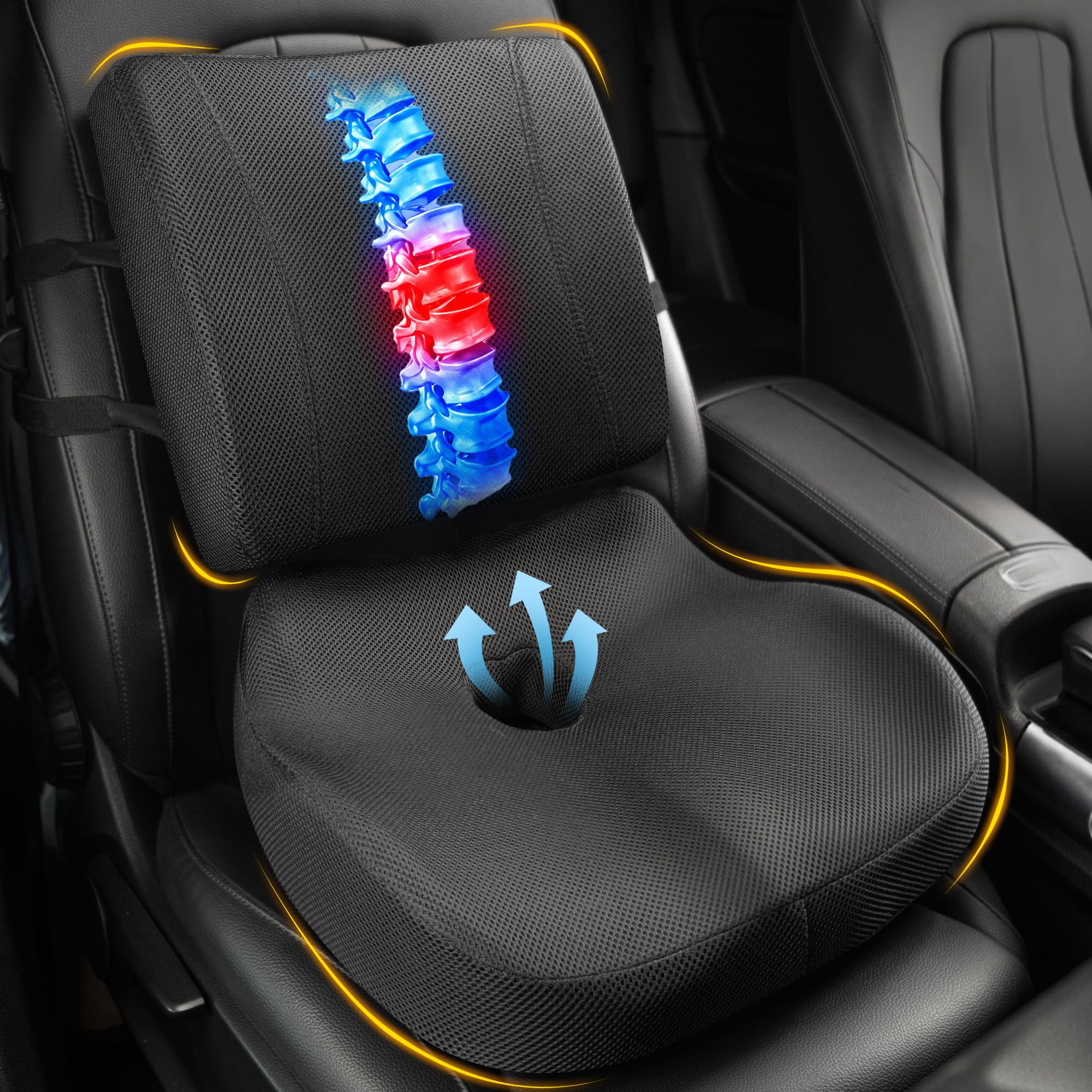
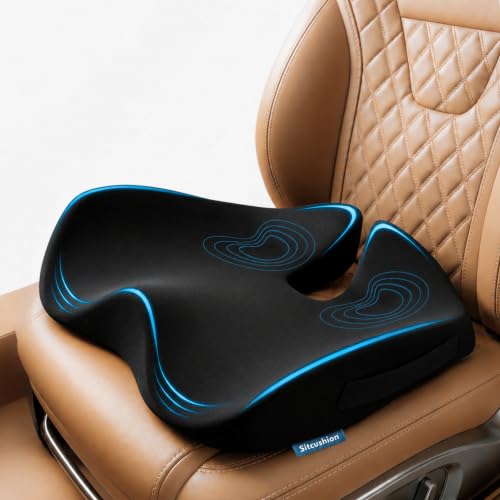
A lumbar pad and a seat cushion can work together, but they must complement each other. A thick seat cushion changes where your lower back meets the pad, so you may need to reposition the support after adding one. Try them together at home in a chair or in the car before a long trip.
Choosing the Best Car Seat Cushions for Lower Back Pain
Measure your seat, decide whether you want a separate pad or a combined cushion and choose a firmness that feels supportive. Check the strap design and the cover. Give any new support a few days, since the body needs time to adjust to a new posture. Buy from a seller with a clear return policy.
Building a Better Driving Position
Support works best when the rest of your seating position is also right. Slide the seat so that you can press the pedals fully without stretching, and bring the wheel close enough that your elbows stay slightly bent. Set the mirrors after you adjust the seat, because a change of posture shifts your view.
If you use a pillow, recheck the headrest, which should sit behind the middle of your head. These small tweaks cost nothing and may make the pad more effective.
Daily Use and Care
Lumbar pads collect sweat where they touch your clothes, so wash or wipe the cover regularly. Foam should be spot cleaned and air dried. Take the pad out of the car in very hot or cold weather, because extremes make foam harder or softer than intended and can age the straps. Check the strap and the stitching every few months, and replace the pad if it has lost its shape.
Getting Used to It
A new support can feel odd at first, especially if you have been slumping for years. Start with short drives, and move the pad a little each day until you find the right spot. Resist the urge to crank it up to the highest position, because too much support is as uncomfortable as too little. If you feel sharp pain or tingling, stop using it and speak to a health professional.
Related Guides
- Best Seat Cushions For Lower Back Pain
- Best Car Seat Cushions For Back Pain
- Best Chair Cushions For Lower Back Pain
- Best Cushions For Lower Back Pain
Frequently Asked Questions
Where should the pad sit?
In the curve of your lower back, just above the belt line.
Is firmer better?
Not always. Medium firm suits many people, but choose what feels comfortable.
Can a pad fix back pain?
It can make a seat more comfortable but is not a treatment. Ask your doctor about ongoing pain.
Will it fit any car?
Most pads fit standard seats. Measure for sport seats and check for any clearance issues.
The Bottom Line
The best car seat cushions for lower back pain fill the curve of your spine, stay in place and breathe. Position them carefully, adjust the seat and take breaks. If the discomfort lasts, speak with a doctor.


