
Best Car Snow Tires: How to Choose Winter Tires for Traction and Control (2026)
Disclosure: We may earn a commission when you buy through links on this page, at no extra cost to you. As an Amazon Associate I earn from qualifying purchases. Learn more

A guide to the best car snow tires: winter compounds, tread patterns, studded and studless types, the snowflake symbol, sizing and installation.
Cold roads change everything about how a car grips. Ordinary tires harden in low temperatures, and ice and snow take away what traction remains. Snow tires, also called winter tires, are built to keep working in those conditions.
The best car snow tires stay flexible in the cold, bite into snow and ice and hold steady when you brake and turn. The product table above lists several studless and studdable winter tires in popular passenger car and SUV sizes.
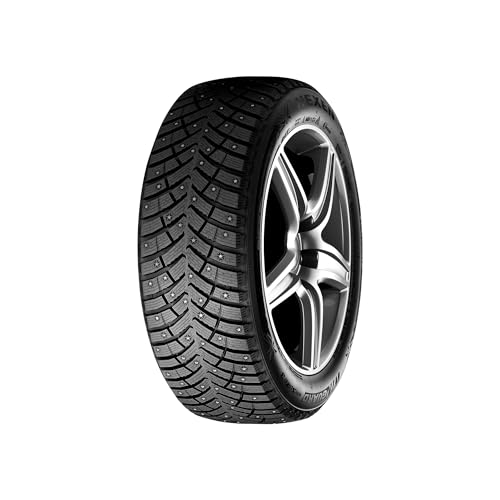
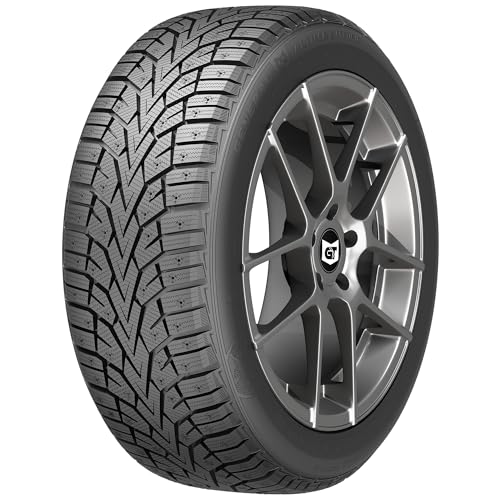
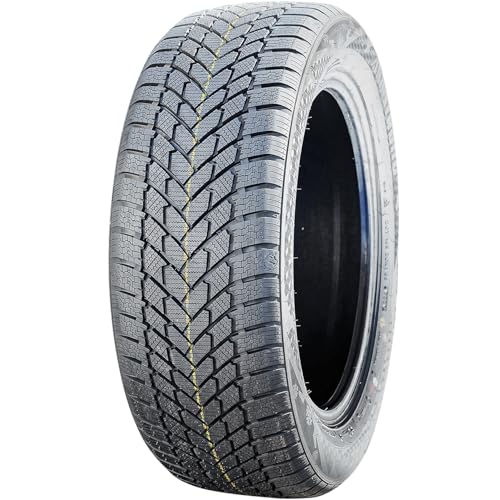
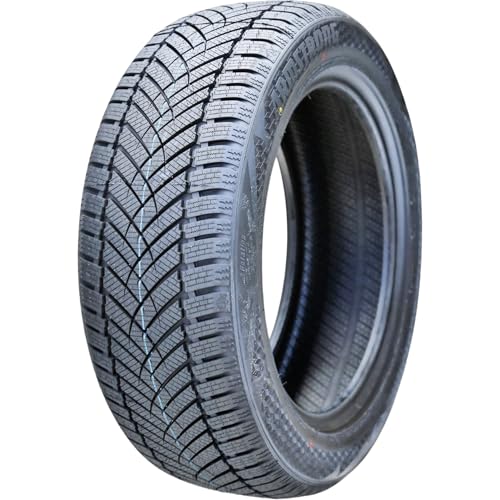
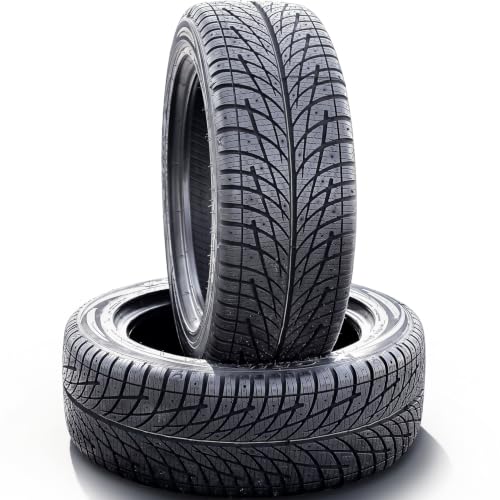
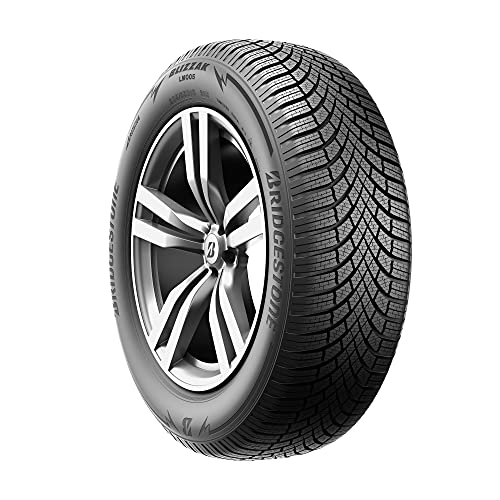

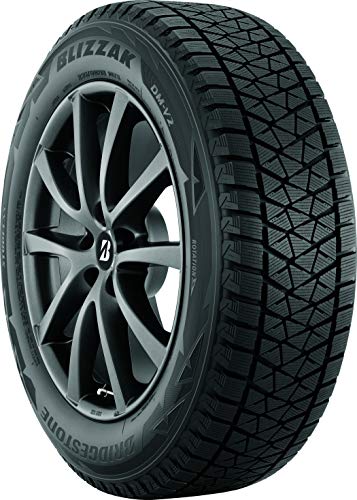
Tires are sold by size and are not one-size-fits-all, so the points below explain how to match a tire to your car and your winter.
What Makes a Snow Tire Different
Three things set snow tires apart. First, the rubber compound stays soft in cold weather, while summer and all-season compounds stiffen. Second, the tread has deep grooves that pack with snow, because snow grips snow, and the pattern pushes slush away. Third, thousands of tiny slits called sipes, which are cut into the tread, create edges that bite into ice.
Together they shorten stopping distances and improve control on cold, wet and snowy roads.
Winter, All-Season and All-Weather
- Winter or snow tires: best for sustained cold, snow and ice.
- All-season tires: a compromise for mild winters with light snow.
- All-weather tires: an all-season design with a winter rating, useful for moderate climates.
If your winters are harsh, dedicated snow tires deliver the best grip. If you rarely see snow, all-weather may be enough.
The Mountain and Snowflake Symbol
Look for a pictogram of a mountain with a snowflake on the sidewall. It shows that the tire meets a set performance standard for severe snow service. Tires that carry only the M+S mark do not necessarily meet that standard. For serious winter use, the snowflake symbol is the better guide.
Studded or Studless
Studded tires have small metal pins that dig into ice and give extra grip on hard-packed surfaces. They are noisy on dry pavement and may be restricted in some places or seasons, so check local rules. Studless tires use special compounds and tread designs to grip ice without pins and are quieter, so most drivers choose them. Some tires are studdable, which means they have holes where studs can be installed.
Tire Size and Fit
Find the size on the sidewall of your current tires, such as a series of numbers and letters, or on the placard in the driver's door jamb. Match the size, load index and speed rating recommended for your vehicle. A tire that is the wrong size can affect handling, the speedometer and the traction control system. If you plan a dedicated winter setup, you may choose a slightly narrower tire on a separate set of wheels, but get advice from a tire shop first.
How Many Tires to Buy
Replace all four. A mix of snow tires on one axle and a different type on the other creates an imbalance in grip, which can cause the car to spin. Some listings in the product table are priced for a pair or a single tire, so check the quantity before you order. Mounting and balancing are extra, so budget for installation.
When to Install and Remove
Winter tires work best when temperatures stay low for weeks at a time, not only on the snowiest days. Install them before the first snow and remove them in spring, when warm roads wear them quickly. Store the off-season set in a cool, dry place, away from sunlight and chemicals.
Wheels and Pressure
A second set of wheels makes seasonal swaps quick and protects the rims. Check the tire pressure monthly, since cold air lowers pressure. Use the number on the vehicle placard, not the sidewall maximum.
A reliable inflator is a good winter companion. Replace the valve stems or sensors as needed if your car has a tire pressure monitoring system.
Driving Tips in Winter
Snow tires help, but they do not make you invincible. Increase your following distance, brake gently and avoid sudden steering moves. Slow down for corners and bridges, which freeze first. Keep a winter kit in the car with a blanket, a flashlight, a shovel and a charged phone.
Choosing the Best Car Snow Tires
Start with your vehicle's tire size and your climate. Choose between studless and studded, and check the snowflake symbol. Compare tread life and the notes on noise and comfort.
Decide whether you want a dedicated winter set with its own wheels. Check the seller's return policy, because tires are heavy and awkward to ship back.
Reading the Sidewall
The sidewall carries a lot of information. The size code lists the width, the height of the sidewall relative to the width and the wheel diameter. A load index tells you how much weight each tire can carry, and a speed rating shows its maximum sustained speed.
The date code, a four-digit number in a small oval, shows the week and year of manufacture. Tires age even when unused, so look for fresh stock when you buy, and do not install tires that are very old.
Tread Depth and Wear
New snow tires have deep tread, and as it wears down they lose their ability to clear snow. Many drivers replace winter tires earlier than all-season tires because the grip declines as the tread shrinks. Use a tread depth gauge or a coin to check the depth every month. Rotate the tires at the interval the manufacturer suggests, and have the alignment checked if you see uneven wear.
Budgeting for a Winter Set
The cost of snow tires includes the tires, the mounting and balancing, and perhaps a set of wheels. Spread across several winters, a dedicated set also saves wear on your summer tires, so the extra cost is partly recovered. Shop early, because popular sizes sell out when the first snowfall arrives. Ask a local shop about seasonal storage, as many offer it for a small fee.
Related Guides
- Best Tire For Snow
- Best Tires For Ice And Snow
- Best Winter Car Tires
- Best Tire Pumps For Cars
Frequently Asked Questions
Can I use snow tires all year?
You can, but they wear faster in warm weather and handle less crisply.
Do I need four?
Yes. Install a full set for balanced grip.
Are all-season tires good enough in snow?
For light snow, perhaps. For heavy snow and ice, snow tires are better.
How long do snow tires last?
It depends on use and storage. Check the tread depth and the age of the tire.
The Bottom Line
The best car snow tires keep their grip in cold, snow and ice, match your vehicle's size and are installed as a full set. Choose studless for most conditions, look for the snowflake symbol and mount them before winter arrives. Good tires are the most important winter safety upgrade for any car.


