
Best Aftermarket Car Audio Speakers by Budget: A Smart Guide for 2026
Disclosure: We may earn a commission when you buy through links on this page, at no extra cost to you. As an Amazon Associate I earn from qualifying purchases. Learn more

Learn what the best aftermarket car audio speakers deliver at each budget, which features deserve your money, and how to plan a smart, balanced upgrade.
Car speakers span an enormous price range, from under $40 a pair to well over $500, and the price tag alone tells you almost nothing about what you will hear in your own car. The best aftermarket car audio speakers for your budget are the ones whose strengths match your stereo, your vehicle, and your listening habits.
This guide is organized by money: what each tier realistically delivers, which features are worth paying for, and which costs hide beyond the box. Start with the comparison table below, then read the tier that matches your budget.


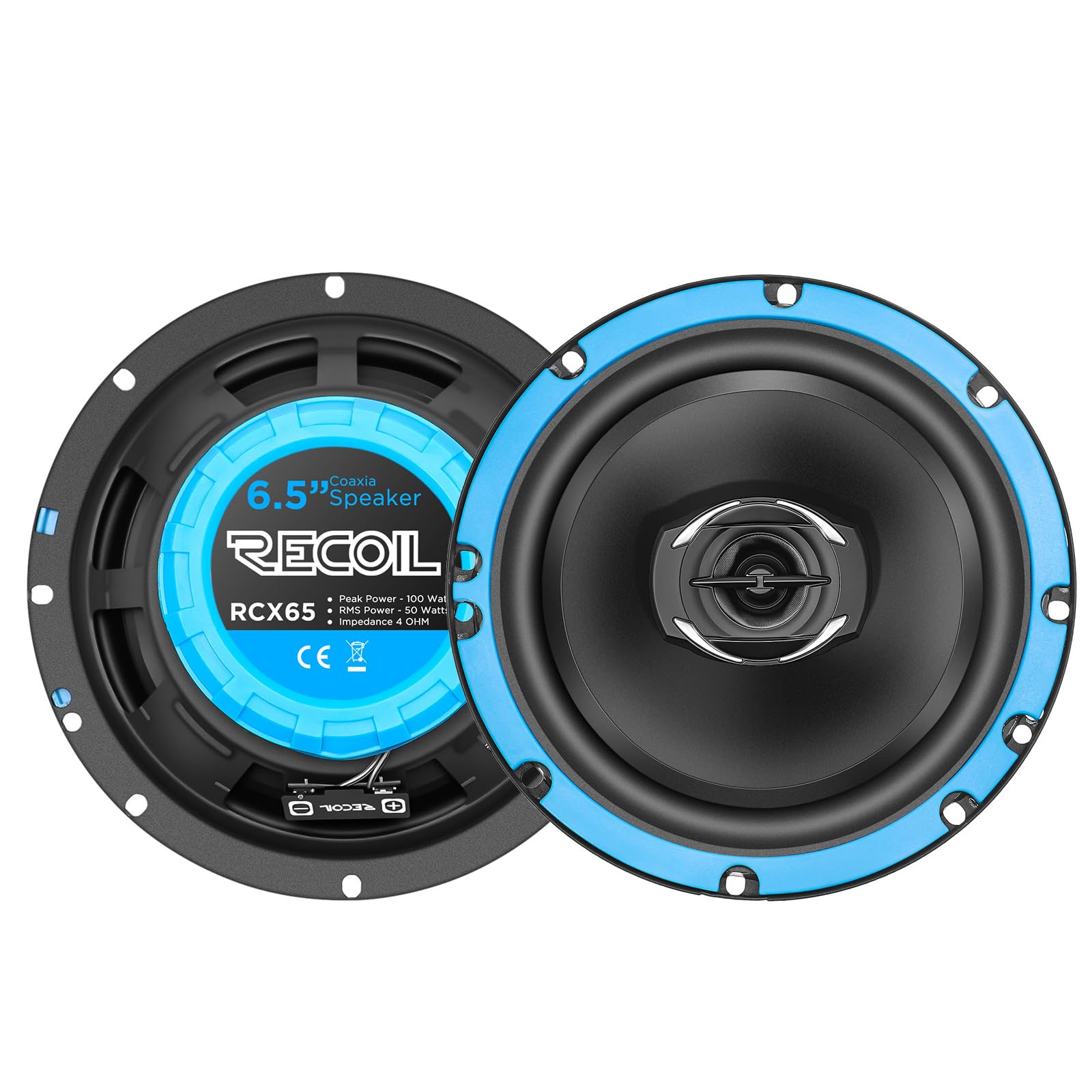
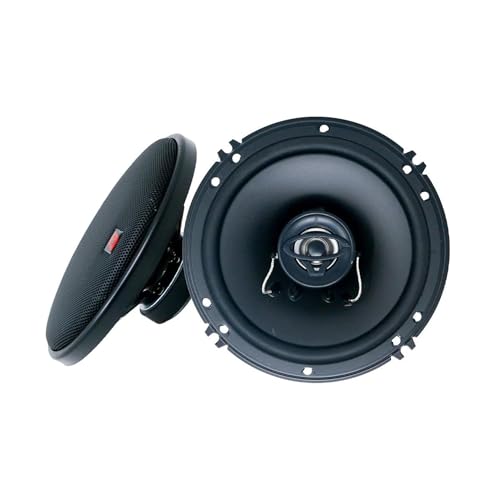
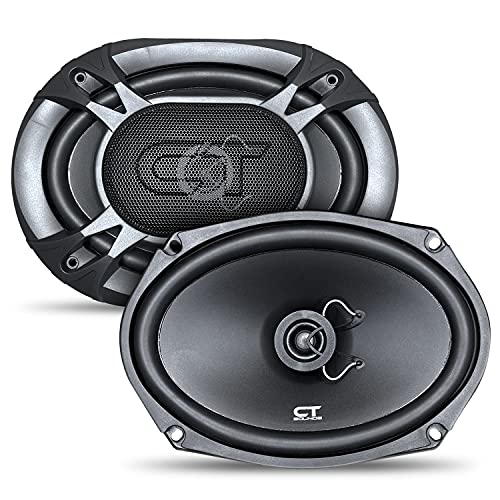
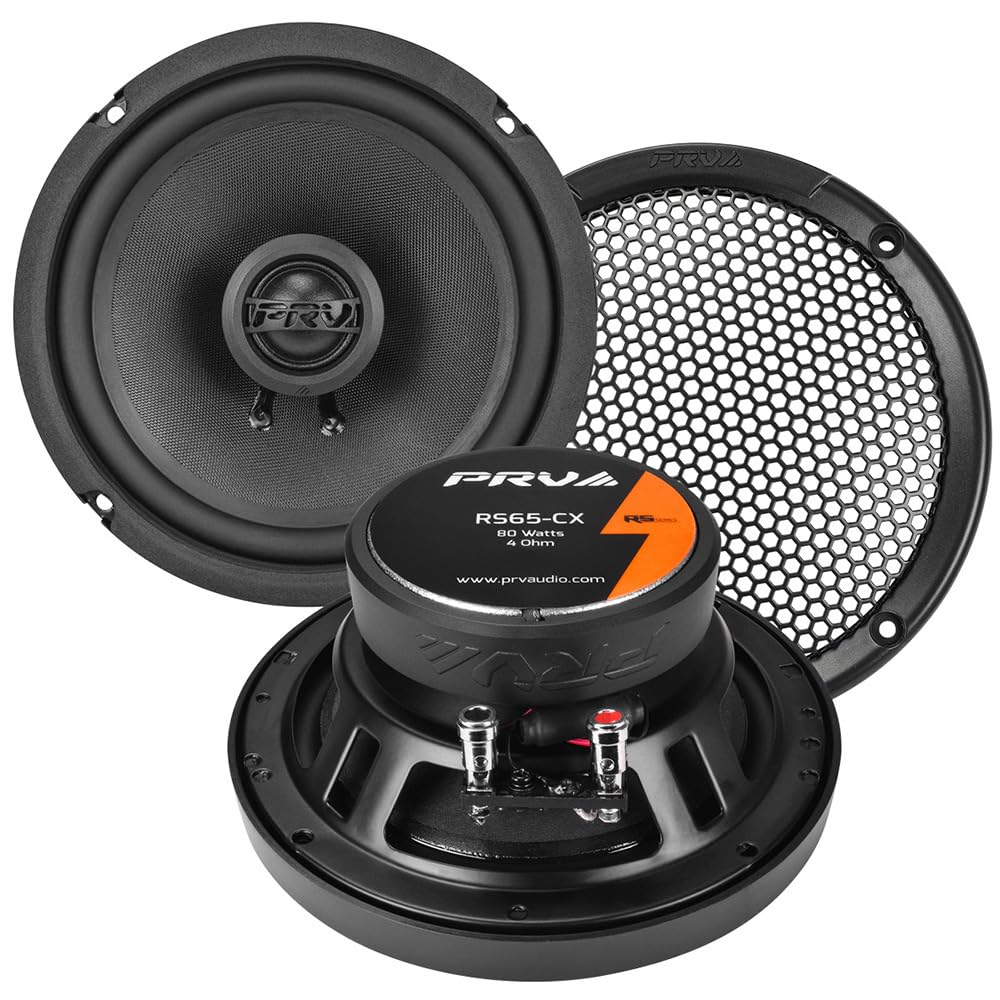


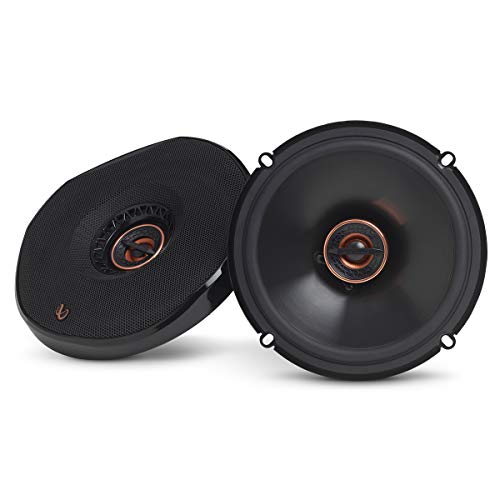

Budget Tiers at a Glance: What Each Level Should Deliver
Rather than naming specific models, use these tier standards to judge any pair you are considering, including the options in the product table above. A pair that misses its tier standard is poor value at any discount.
The Budget Tier Standard
A budget pair, around $40 to $80, should still deliver clear voices, sensitivity high enough for a factory stereo, and materials that survive door moisture. Expect a basic two way coaxial design, a polypropylene cone, and simple mounting hardware. What you give up is refinement: treble can sound coarse at high volume and bass stays modest. For a first upgrade from worn factory speakers, this tier is a genuine improvement, and our guide to the best car audio speakers shows how budget pairs fit into the wider market.
The Midrange Tier Standard
A midrange pair, around $80 to $200, should add smoother tweeters, stronger baskets, better crossovers, and cleaner sound at highway volume. This is where component sets with separate tweeters become common and worthwhile for front doors. Power handling rises, so an eventual amplifier upgrade stays on the table. Most drivers hear the biggest jump in quality moving from budget to this tier, because distortion drops and detail appears in familiar songs without any other change to the system.
The Premium Tier Standard
A premium pair, around $200 to $500 or more, should deliver refined materials, precise crossovers, and tuning that stays composed at any volume. Expect silk or high quality dome tweeters, rigid cones, and cast baskets that resist resonance. The catch is honesty about the rest of your system: premium speakers reveal a weak source and poor installation instead of hiding them. Buy this tier when you also plan proper power and mounting, as explored in our guide to the best car audio speakers for sound quality.
What Your Money Gets You at Each Price Tier
Budget Tier: What to Expect
At this level your money buys efficiency and durability rather than finesse. High sensitivity means your factory head unit sounds louder and clearer without an amplifier, which is the correct priority for a simple swap. Bass will be tighter than old factory speakers but not deep, and loud listening will expose some harshness. Spend budget money on fit and materials, not on impressive peak power numbers. If your factory speakers are torn or silent, this tier restores enjoyable sound for the least money and effort.
Midrange Tier: The Sweet Spot for Most Buyers
Midrange money buys balance: better tweeters that do not fatigue your ears, crossovers that blend woofer and tweeter smoothly, and cones that keep their composure on demanding tracks. Component sets appear here, letting you raise the soundstage by mounting tweeters higher in the door or dash. This tier also suits a staged plan, where speakers come first and a compact amplifier follows later. For most daily drivers, this is where spending stops showing obvious returns unless the rest of the system improves too.
Premium Tier: When Spending More Pays Off
Premium spending pays when your listening is critical, your cabin is quiet, and your source and power are strong. You gain low distortion at high volume, precise imaging, and materials that hold their sound for years. It does not pay when road noise is loud, the head unit is a basic factory unit with heavy equalization you cannot defeat, or installation will be rushed. In those cases midrange speakers plus sound deadening deliver more audible improvement per dollar, a point worth remembering when comparing with our guide to the best aftermarket speakers for car upgrades.
Features Worth Paying For (and Ones to Skip)
Vehicle Compatibility
Compatibility is worth every minute of research and not a dollar extra in hardware. Confirm speaker size, mounting depth, and clearance for windows and trunk springs, and check whether your car uses unusual impedances, since some factory systems run 2 ohm speakers that behave differently with standard 4 ohm replacements. Vehicle specific harness adapters keep the swap reversible and protect factory wiring. A speaker that fits perfectly in a lower tier beats a premium speaker forced in with cut metal and rattling spacers.
Wiring Safety and Correct Polarity
Correct polarity is free performance: speakers wired out of phase cancel bass and blur imaging. Use harness adapters where possible so connections stay secure and correctly oriented, and never leave bare wire twisted and exposed inside a door where moisture collects. Fuse any added amplifier at the battery with the correct rating, and route power cable away from sharp edges. These basics protect both sound quality and the car itself, and they matter at every tier, not just in premium installs.
Ease of Installation
Plug and play style swaps with adapter brackets and harnesses suit most owners and keep a Saturday project to a few hours. Component sets and premium pairs often need tweeter mounting, crossover placement, and door treatment, which adds time or a professional labor bill of around $100 to $250. Factor that labor into the tier decision honestly. A midrange pair you install well will outperform a premium pair installed poorly, and our guide to the best car audio component speakers explains the extra steps components involve.
Features and Extras
Worth paying for: aimable tweeters that lift the soundstage, external crossovers with level adjustment, and grilles that suit visible rear deck mounting. Worth skipping for most buyers: extreme peak power claims, decorative lighting, and exotic cone materials at budget prices where the engineering budget clearly went elsewhere. Built in extras cannot fix a poor match to your power source. If you sing along or listen for vocal detail, our guide to the best voice speakers for car audio covers the tuning traits that keep voices natural.
Performance Specs
Read three numbers and ignore the rest at first: RMS power for continuous handling, sensitivity for volume per watt, and impedance for compatibility with your source. Frequency response ranges are loosely measured and rarely comparable across brands, so treat them as a rough guide only. A speaker rated around 50 watts RMS and 90 dB sensitivity with a small amplifier will play cleaner and louder than a speaker rated at hundreds of peak watts on a factory stereo. Specs describe potential; your system decides how much of it you hear.
Long Term Costs to Factor In
The box price is only part of ownership. Budget for a wiring harness and brackets, usually around $15 to $40, possible sound deadening at about $40 to $100 per pair of doors, and professional labor if you are not installing the speakers yourself. Amplifiers added later bring their own wiring kit and fuse costs. Quality speakers last five to ten years, so the cost per year of a midrange pair is small, while the cheapest pair replaced twice costs more than one good pair. Warranty length and easy returns also carry real value when a door speaker fails early from moisture.
Aftermarket Car Audio Speakers: Your Questions Answered
How long does it last?
Expect about five to ten years from a decent pair, with door moisture and sun exposure on rear decks as the main aging factors. Rubber surrounds and synthetic cones sit at the long end of that range, while foam surrounds in a wet door can fail in three to four years. Longevity improves when speakers are not driven into distortion, because clipped signals overheat voice coils. Inspect surrounds whenever a door panel is off for other work.
Will it fit my vehicle?
Fit depends on the opening size, mounting depth, and what sits behind the panel, and all three vary by model and trim. Measure your current speaker and the space behind it, or use a reputable fitment guide for your exact year and trim before ordering. Shallow mount designs exist for tight doors and are the correct fix when depth is short. Do not rely on a speaker being the right diameter alone; a deep magnet that blocks the window will not fit in any useful sense.
What specs matter most?
Sensitivity matters most for factory stereos, RMS power matters most when an amplifier is involved, and impedance matters for compatibility with certain factory systems. Together those three predict whether a speaker will play loudly enough, handle your power, and load your amplifier safely. After them, consider tweeter material for tone and cone and surround materials for lifespan. Peak power, oversized magnets in photos, and long feature lists are the least reliable guides on a box.
Do I need professional installation?
Most coaxial swaps are realistic home projects with basic tools, patience, and a panel removal guide for your car. Professional help makes sense for component sets, amplifier wiring, or vehicles where airbags sit inside the door or pillar trim you must remove. A fair labor cost is usually money well spent compared with a broken clip, a torn vapor barrier, or a wiring fault. Decide by the complexity of your chosen tier, not by the price of the speakers alone.
The Bottom Line
Decide your tier by your source and your plans: efficient budget pairs for factory stereos, balanced midrange pairs for most drivers, and premium pairs only with power and installation to match. Fit and correct wiring beat raw specifications every time. The best aftermarket car audio speakers for your money are waiting in the product table above, so compare your tier finalists there and spend once, wisely.


