Best Canon Cameras for Portraits in 2026: Types Compared and How to Choose
Disclosure: We may earn a commission when you buy through links on this page, at no extra cost to you. As an Amazon Associate I earn from qualifying purchases. Learn more

Compare the best canon cameras for portraits by sensor size, eye detection autofocus, lens choice, body type and price, with a clear buying checklist.
Choosing a Canon body for portraits feels confusing because the specs that fill a product page are not the ones that shape a face. The best canon cameras for portraits share three strengths: a sensor that renders skin tones smoothly, autofocus that finds eyes reliably, and lenses that separate a subject from the background. Sensor size, lens mount and price split the range into clear types, and the product table below lets you match each type to the way you shoot.
This guide compares Canon camera types rather than naming individual models. It explains who each type suits, which features change your results, and which costs matter once you add a lens.







Types of Canon Cameras Compared
Canon sells portrait capable cameras in three broad types, split mostly by sensor size and lens choice. If you want the wider Canon range first, see our guide to the best canon cameras.
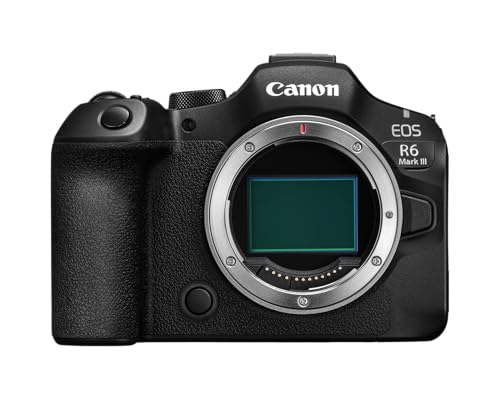
Full Frame Mirrorless Canon Cameras for Studio and Wedding Work
A full frame sensor measures about 36 by 24 mm, and that larger area gathers more light. Skin looks smoother in dim halls, and backgrounds soften more easily at a given aperture because you can stand closer for the same framing. These bodies pair with the widest choice of fast prime lenses, and they suit studio sessions, weddings and paid client work. Expect body prices of about $1,200 to $3,000, plus larger and costlier lenses.
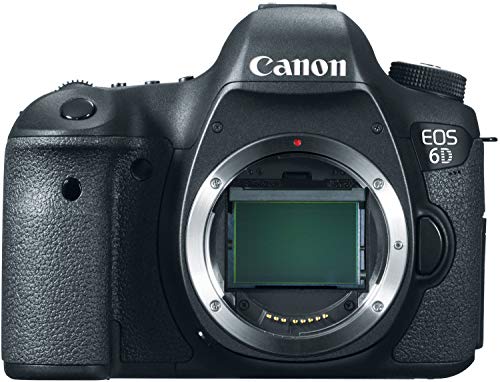
APS C Mirrorless Canon Cameras for Family and Everyday Portraits
An APS C sensor is smaller, about 22 by 15 mm, so the body and lenses shrink and the total cost drops. The narrower view crops the scene, which helps across a room but asks for more space when you want a full length frame indoors. Eye detection autofocus tracks children and pets well. Bodies often cost about $600 to $1,500, leaving real money for a fast portrait lens.
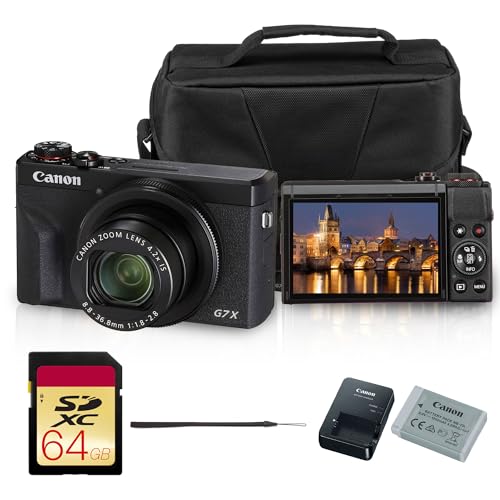
Compact Canon Cameras for Casual Portraits and Travel
A compact Canon camera fixes its lens to the body, so there is nothing to swap or carry. The small sensor limits background blur and low light quality, yet good compacts still focus on faces, fit in a jacket pocket and cost about $300 to $900 complete. That trade suits travel days and family gatherings, plus anyone who knows a larger camera would stay at home.
Full Frame or APS C: Which Canon Sensor Suits Your Portraits?
Compare the two changeable lens types on four points. For background separation, full frame wins, since the same framing and aperture give a shallower look. For low light, full frame keeps skin tones cleaner in a dark room. For size and cost, APS C wins clearly, because smaller lenses travel better and cost less. For reach, the APS C crop helps with distant subjects, while full frame files leave more room to crop later.
Your subjects settle the choice. Paid work and weddings justify full frame because clients notice smooth skin and clean files. Family life, school events and learning portraits favor APS C because the kit stays light and the savings fund a better lens. If brand is still open for you, see our guide to the best cameras for portrait to compare how other makers handle the same trade offs.
Key Features to Compare
Shoppers comparing the best canon cameras for portraits should read each feature through one question: how does this change a face in a photo?
Sensor Size and Soft, Detailed Skin Tones
Sensor size drives portrait quality more than any headline number. A larger sensor collects more light per photo, so skin keeps fine detail and soft shading instead of a waxy look when light drops. Resolution matters for prints and cropping: about 24 megapixels cover large prints and moderate crops, while sensors around 32 to 45 megapixels help when you reframe a group shot into singles. Judge a body by sensor size first and megapixels second.
Autofocus and Eye Detection for Sharp Portraits
Portraits live or die on focus at the nearest eye, and modern Canon eye detection locks onto eyes, faces and heads even when your subject turns or walks. Look for tracking that holds an eye as the person moves, plus a simple way to switch between the left and right eye during a session. This matters most at wide apertures, where the sharp zone may span only a few centimeters. If you shoot children or couples in motion, treat eye detection as a core feature, not a bonus.
Lens Mount and Portrait Focal Lengths
The mount decides which lenses you can use, and the lens shapes the portrait more than the body does. Classic portrait framing comes from about 85 mm on full frame, while 50 mm gives a looser, more environmental look. On an APS C body the view narrows by about 1.6 times, so a 50 mm lens frames faces much like an 80 mm lens on full frame. Wide apertures around f/1.8 to f/2.8 create the soft backgrounds most buyers want.
Image Stabilization and Low Light Performance
Stabilization in the body or the lens steadies your hands, which lets you use slower shutter speeds in window light without blur from camera shake. It pairs with the sensitivity range of the sensor: a body that stays clean at high settings lets you keep shooting in halls, homes and evening shade. Together these features decide how much of your portrait work needs a flash or a tripod. Natural light shooters indoors should weigh this pair heavily.
Ease of Use, Screens and Weather Sealing
Good handling keeps your attention on the person in front of you. A tilting or fully turning rear screen helps with low and high angles, touch focus speeds up candid work, and clear menus matter when you change settings between shots. If you are building your first kit, see our guide to the best canon cameras for beginners for bodies with guided modes and simple controls. Weather sealing adds safety outdoors in light rain or dust, but a sealed body only resists weather with a sealed lens.
Common Mistakes to Avoid
Most portrait regrets come from spending on the wrong part of the kit.
- Choosing a body by megapixels alone leaves you with huge files but soft, poorly focused eyes.
- Spending the whole budget on a body forces you to use a slow kit lens that cannot blur a cluttered background.
- Standing close to a face with a wide lens stretches the nose and forehead and flatters no one.
- Shooting every portrait at the widest aperture leaves the far eye soft whenever your subject turns slightly.
- Ignoring the lens mount locks you out of the fast prime lenses your next stage of portraits will need.
- Paying extra for advanced video features you never record raises the price without improving a still portrait.
Lens and Mount Care Between Shoots
Clean the front lens glass with a soft lens cloth, not your shirt, because shirt fabric can carry grit that scratches coatings. Use a blower to clear dust from the mount area before you change lenses, and keep both caps on whenever a lens is off the body. If spots keep showing in the same place at narrow apertures, book a professional sensor cleaning rather than touching the sensor yourself.
Carry a spare battery to every session, because eye detection and rear screens drain power faster than casual shooting does. Store the camera in a dry, padded bag away from steamy bathrooms and hot cars, and let a cold camera warm up inside its bag after winter shoots.
FAQ
What features matter most in a Canon camera for posed studio portraits?
For posed studio portraits, reliable eye detection and a mount with fast prime options matter most. Studio light removes the low light pressure, so sensor size matters less than it does at weddings. One point buyers miss is flash support: check that the body works smoothly with standard studio triggers.
How much should I spend on a first Canon camera for portraits?
A sensible first Canon portrait kit costs about $800 to $1,800 in total. Split that budget so the lens claims a real share, because a mid priced body with a fast 50 mm prime outperforms a costly body with a slow zoom for faces. Keep a small reserve for a memory card, a spare battery and a bag.
Which Canon sensor handles low light portraits better, full frame or APS C?
A full frame Canon sensor handles low light portraits better because its larger area gathers more light per photo. The gap shows in reception halls and evening rooms, where skin stays smooth instead of grainy. Distance matters too: moving your subject nearer a window can gain more quality than any sensor upgrade. In mostly daylight work, the APS C gap shrinks enough that lens choice decides more.
Do I need image stabilization in a Canon camera for portraits?
You need image stabilization for Canon portraits only when you shoot handheld in soft light at slower shutter speeds. Stabilization calms your own movement, but it cannot freeze a laughing child or a swaying couple. Keep shutter speeds around 1/200 of a second or faster for moving subjects, and let stabilization handle the rest. In a studio with flash, the flash burst itself freezes the subject.
What lens focal length suits portraits on a Canon APS C body?
A 50 mm lens suits portraits on a Canon APS C body because the crop makes it frame faces like an 80 mm lens on full frame. That framing keeps you about two to three meters from your subject, a distance that feels relaxed for both sides of the camera. For tighter head shots, step back and crop rather than moving closer, because extra distance keeps facial proportions natural.
Wrapping Up
Three choices decide most of your results: the sensor size you can afford, eye detection you can trust, and a fast portrait lens in the mount you pick. For Canon stills bodies beyond faces, see our guide to the best photography canon cameras.
Match the type to your subjects first, then let the features above rank the bodies left standing. When you compare the best canon cameras for portraits that way, the right body is the one whose lens budget you can still fund. Use the product table above to check current prices before you decide.