
Best Cameras for Portrait: A First Time Buyer's Guide for 2026
Disclosure: We may earn a commission when you buy through links on this page, at no extra cost to you. As an Amazon Associate I earn from qualifying purchases. Learn more

Shopping for the best cameras for portrait for the first time? Learn the terms, compare options, and avoid rookie mistakes with this easy guide.
Buying your first portrait camera feels confusing because spec sheets lead with numbers that say little about faces. The best cameras for portrait work are the ones that find eyes fast, render skin tones honestly, and pair with a lens that flatters your subject. This guide starts with the basics, then walks through the choices in the comparison table below.
You need to know which few traits shape a portrait, which extras you can skip, and how much camera your plans call for.



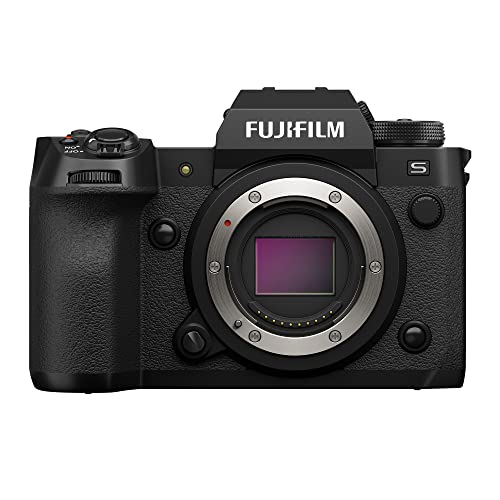
Cameras 101: The Basics for Portrait Work
A camera records light through an objective lens onto a sensor, then turns that light into a photo you can view, share, and print. For portraits, sharp focus belongs on the nearest eye and the light on the face matters more than distant detail. A distracting background should fall soft behind your subject.
That is why shopping for the best cameras for portrait use feels different from shopping for a sports or travel camera. Most portrait models are mirrorless cameras with interchangeable lenses, while point and shoot compacts keep the lens fixed and the body small. Fans of a slower, grainy look can see our guide to the best film cameras for portraits.
Key Features to Compare
Compare these five factors in the same order for every model.
Portrait Features That Matter Most
Three traits do most of the work in a portrait. Eye detection autofocus locks onto a face even when your subject talks or turns slightly, so more frames stay sharp where it counts. A lens with a wide maximum aperture, around f/1.8 to f/2.8, blurs the background and separates your subject from clutter. Calm color handling keeps skin looking natural instead of orange or gray.
Sensor Size, Background Blur and Portrait Depth
Sensor size shapes depth, low light quality, and body size more than the megapixel count does. A 1 inch sensor suits small compacts and gives clean results in good light. An APS C sensor is the middle ground most first time buyers should start with, because it balances price, size, and background blur. A full frame sensor gathers the most light, but bodies and lenses cost and weigh more. Around 20 to 30 megapixels is plenty for large prints.
Ease of Use for Your Skill Level
A camera you understand will beat a stronger camera you avoid, so judge the controls as carefully as the sensor. Look for a clear auto mode, a dial you can reach without lowering the camera, and a menu in plain words. A tilting screen helps you compose at waist level, which also suits readers comparing options in our guide to the best cameras for self portraits. Simple app transfer matters too, since portraits often get shared the same day.
Build, Weather Sealing and Handling
Portrait sessions happen in gardens, on beaches, and on city streets, so the body should shrug off dust and light drizzle. Weather sealing means gaskets around doors, dials, and the lens mount, and it only works when the lens is sealed too. No standard portrait body suits full submersion, so keep it out of heavy rain. A deep, secure grip also reduces hand strain during a long session.
Lens Choice, Focal Length and Aperture
The lens shapes a portrait more than the body does, so budget for glass early. Focal lengths around 50 mm to 85 mm on a full frame body, or about 35 mm to 56 mm on an APS C body, keep faces natural without the stretch a wide lens adds up close. Optical zoom lenses around 24 to 70 mm offer framing flexibility, while a fixed lens usually gives a wider aperture for the same money. Image stabilization steadies handheld shots at slower shutter speeds.
Best Cameras for Specific Needs
Start from how and where you will shoot.
Best Compact Cameras for Portraits
If you want the best compact cameras for portraits in a coat pocket, accept a fixed lens and choose around its strengths. Pick a 1 inch sensor, a lens that reaches the portrait range, and face detection that stays reliable at arm length and across a room. A compact suits travel and family days where a big body would stay home.
Best Affordable Cameras for Portraits
Shoppers hunting the best affordable cameras for portraits get the most value from an APS C body paired with one fast fixed lens. That pairing often costs about $600 to $1,000 as a kit and covers most family and social work. Skip paying extra for high video specs or extreme burst speeds, since portraits rarely need either.
Best Professional Cameras for Portraits
The best professional cameras for portraits earn their price through reliability rather than image quality alone. Paid work calls for two card slots so one card backs up the other, a bright viewfinder for outdoor light, and tethered shooting so clients can view large previews on a computer. Backup gear and dependable autofocus matter more when a session cannot be repeated.
Best Sony Cameras for Portraits
Fans of one system often start with the best sony cameras for portraits because that lineup is known for strong eye detection and a wide choice of native lenses. Check that the lens you want exists in that mount at a price you accept, and hold the body, since grip size varies a lot between models. Readers set on a rival mount can also see our guide to the best nikon cameras for portraits before they commit.
Portrait Cameras That Also Shoot Video Well
If your portraits sit beside clips for family or work, treat video as its own checklist rather than a bonus line. You need clean 4K recording, a microphone input for clear voices, and autofocus that tracks faces without pulsing while you record. A screen that flips forward helps you frame yourself. Watch recording time limits and heat warnings, since a camera that stops mid clip frustrates you fast.
Portrait Cameras Paired With an Android Phone
Many first time buyers edit and share on an Android phone, so the transfer path deserves a check before you buy. Look for fast WiFi and Bluetooth pairing, an app that sends full size files rather than small copies only, and USB C charging so one cable covers camera and phone. A phone can also serve as a remote viewfinder when you step into the frame.
Common Mistakes to Avoid
These errors are common in first purchases.
- Chasing the highest megapixel count leaves less money for the lens that shapes your portraits.
- Buying a wide angle kit lens only makes close faces look stretched and noses look large.
- Ignoring eye detection autofocus means many otherwise good frames land sharp on an ear instead.
- Skipping a spare battery ends a session early because live view and screen review drain power fast.
- Choosing a body with no flash mount or hot shoe limits your lighting options as you grow.
Getting Started and Caring for Your Portrait Camera
On day one, charge the battery fully, format the memory card inside the camera, and turn on face and eye detection. Set the camera to its largest JPEG or raw size, take practice shots of a friend near a window, and check focus on the eyes at full zoom on the screen. Keep your first session short and review what worked while the light is fresh in your mind.
For care, wipe the lens with a lens cloth, not your shirt, since shirt fabric can drag grit across the glass. Carry a spare battery and a blower for loose dust, keep the lens cap on between locations, and store the camera in a dry bag. If spots keep showing in the same place on every photo, have the sensor cleaned by a service shop rather than wiping it yourself.
FAQ
What features matter most in a portrait camera for first time buyers?
Eye detection autofocus, a flattering lens, and honest skin tones matter most in a portrait camera for first time buyers. One trait deserves extra weight here: forgiving auto exposure, since new buyers often shoot in mixed shade and sun. A camera that holds highlight detail on a bright forehead saves portraits that stronger specs alone would not.
Is a smartphone enough for portraits instead of a dedicated camera?
A smartphone is enough for casual portraits in good light, and its portrait mode can blur a background in software. A dedicated camera pulls ahead when light drops, when your subject moves, or when you want real optical blur instead of a software effect that can clip hair and glasses. Buy a camera when those limits show up often.
Which portrait camera traits matter most in low light?
A wide aperture lens and a larger sensor matter most for a portrait camera used in low light. In body image stabilization also helps, because it lets you handhold at slower shutter speeds during evening sessions. One extra check is the autofocus rating in dim light, since some systems hunt for focus indoors long before image quality fades.
How much should a first time buyer spend on a portrait camera?
A first time buyer should plan about $600 to $1,000 for a portrait camera kit that pairs an APS C body with a fast lens. Spending below that range often means a slow kit lens that limits background blur. Above it, gains go mostly to build, speed, and video. Reserve part of the budget for a card and a bag too.
What focal length should a first time buyer choose for portraits?
A first time buyer should start around 50 mm on a full frame portrait camera or about 35 mm on an APS C model. That range keeps a natural working distance, so you can direct your subject without crowding them. Add an 85 mm equivalent later for tighter headshots, where a longer lens gives calmer backgrounds and more flattering spacing.
Final Thoughts
Keep your decision simple. Sensor size sets your ceiling, the lens shapes the look, and eye detection autofocus decides how many frames stay sharp. Match those three to your subjects and budget, then use the product table above to compare models that fit.
When you judge the best cameras for portrait options with that order in mind, the right first camera usually stands out fast. Pick the one you will carry often and let practice do the rest.


