Best Canon APS-C Cameras: A First Time Buyer's Guide for 2026
Disclosure: We may earn a commission when you buy through links on this page, at no extra cost to you. As an Amazon Associate I earn from qualifying purchases. Learn more

New to Canon APS-C cameras? Learn the sensor, lens, video and low light basics in plain English, plus the starter mistakes to skip.
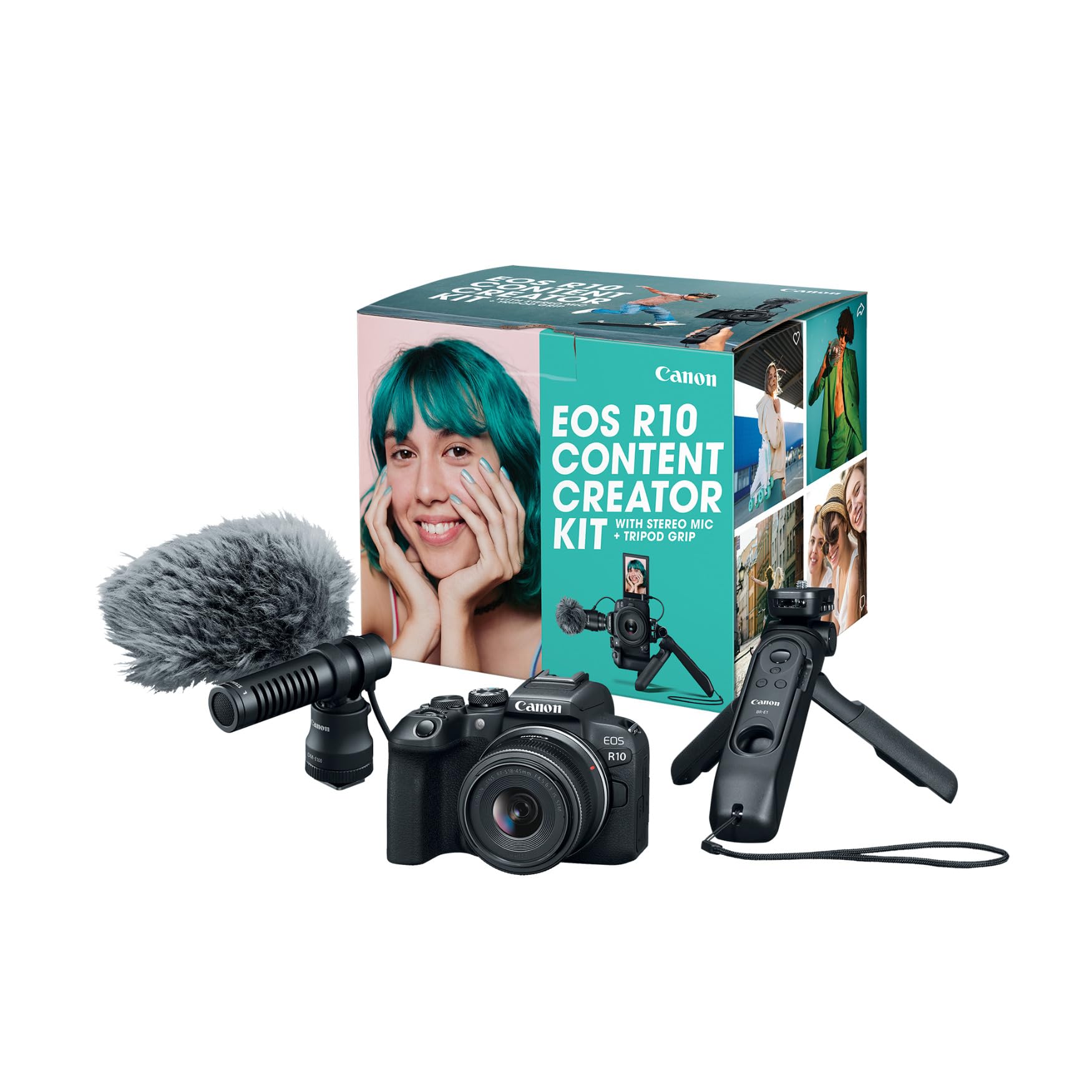
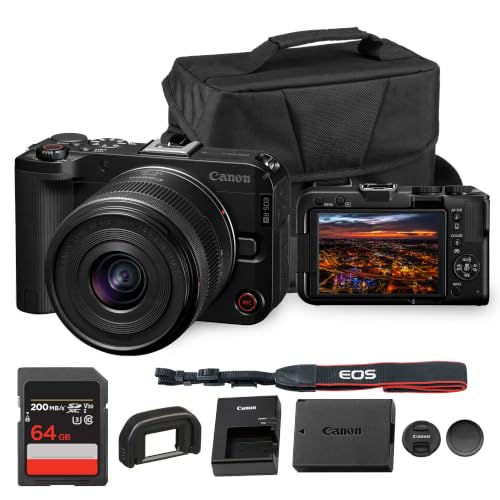
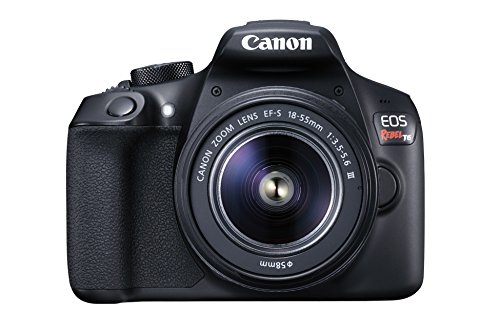
Buying your first real camera gets easier once the terms stop sounding like a new language. This guide explains the class from the ground up, so best canon APS-C cameras stops being a search phrase and becomes a short list you actually understand. You will learn what the format is, which specs matter, and which ones you can safely ignore. The product table below shows the main body types side by side.
Nothing here assumes experience. Each spec is explained in plain English first, then matched to the level a first time buyer should choose, so you can shop with a clear head instead of a long list of numbers.





Canon APS-C Cameras 101: The Basics
APS-C names a sensor size, the light gathering chip inside the camera. The Canon APS-C sensor is smaller than a full frame sensor and much larger than the sensor in a phone, which is why these cameras handle dim rooms and blurred backgrounds better than a phone can. The size gap creates the format's best known trait, the crop: because the sensor sees a smaller slice of the scene, a lens reads tighter than its printed number, by a factor of about 1.6 on this system. A 50 mm lens frames like a short telephoto lens, which helps with portraits and distant subjects and asks for wider lenses indoors. Shoppers comparing the whole format across makers can start with our overview of best APS-C cameras and then come back to the Canon mount with fresh eyes.
Key Specs Explained in Plain English
Sensor Size and Image Quality
Sensor size shapes image quality more than the megapixel count on the box. The APS-C sensor gathers far more light than a phone sensor, so photos stay cleaner at dusk and skin tones hold together better. Megapixels in the low to mid twenties are plenty for large prints and heavy cropping, and more megapixels mostly mean bigger files. Buyers who want the deeper reasoning behind format sizes can read our guide to best APS-C sensor cameras, which compares sensor classes side by side.
Lens Mount and Zoom Range
The lens mount is the system you are really buying, because bodies change and lenses stay. Native lenses mount directly and keep full autofocus and stabilization. Adapted lenses from older Canon mounts work through an adapter, usually with slower focus and extra bulk, so treat the two shelves as genuinely different shelves. The kit zoom that ships with most bodies covers wide scenes to short telephoto and is the right first lens. Our companion guide to best lenses for canon APS-C cameras walks through the second lens most beginners buy and why.
Size, Weight, and Body Style
The format is also a size and price class: a smaller sensor allows smaller bodies and lighter lenses, which is the honest trade this format offers. Mirrorless bodies drop the mirror box and shrink further, and our roundup of best APS-C mirrorless cameras covers that branch of the family. Fixed lens models shrink the kit to a single pocketable body, and the best APS-C compact cameras guide covers those. A camera you carry daily teaches you more than a larger one left at home.
Battery Life and Charging
Mirrorless cameras rate battery life in shots per charge, often about 300 to 500, because the screen and the electronic viewfinder draw power the whole time you shoot. USB C charging is worth having, since a power bank in your bag can top the battery up at lunch. Buy one spare battery with the camera, not after the first dead afternoon. Cold weather drains batteries faster, so keep the spare in an inside pocket on winter walks and swap it warm for the cold one at the car.
Video Capabilities
Most current bodies in this class record 4K video, and the number that matters more is the frame rate: 4K at 30 frames per second suits most beginners, while 4K at 60 gives smoother motion and cleaner slow motion. A screen that flips forward matters if you film yourself, and a microphone input matters if you plan to talk on camera. Built in camera microphones record room echo along with your voice, so an input is the cheapest real upgrade in video quality.
Low Light Performance
Low light is where this format earns its price over a phone. A wider aperture lens, shown by a lower f number, lets in more light, and the larger sensor keeps noise lower as sensitivity rises. Image stabilization in the lens or body steadies slow shutter speeds for still subjects, but it cannot freeze a moving child or pet. For moving subjects after dark, a fast prime lens helps more than any other single purchase you can make.
Rookie Mistakes to Avoid
- Spending the whole budget on the body: a kit with no money left for a memory card, a spare battery, and a bag ends the first outing early.
- Chasing the highest megapixel count: sensor size and lens quality shape your photos far more than a few extra megapixels do.
- Buying adapted lenses first: they look cheap on day one, then you spend a year fighting slow focus at the moments that matter.
- Judging a camera by its rear screen alone: a grip that fits your hand decides whether the camera feels good on a long walk.
- Changing every setting at once: beginners who reset menus weekly never learn which setting caused which result.
Getting Started: Setup and First Use
Charge the battery fully before the first outing, format the memory card in the camera, and set the clock, since file names and sorting depend on it. Change nothing else on day one: shoot on the fully automatic mode for the first walk, then move to aperture priority once you see what the camera chose and why. Clean the lens with a lens cloth, not your shirt, since shirt fabric drags grit across the glass. Carry the spare battery and a small cloth in the same bag every time, so the habit forms before the first missed shot teaches it the hard way.
Canon APS-C Cameras: Your Questions Answered
How much should I spend on my first Canon APS-C camera?
Most first time buyers land between about $600 and $1,200 for a body with a kit lens. That band buys current autofocus, 4K video, and a mount you can grow with for years. Keep about a fifth of the budget back for a spare battery, a fast memory card, and a bag. Spending less usually means an older body with slow focus, while spending more buys speed and weather sealing a beginner rarely uses in the first year.
Is a smartphone enough instead of a dedicated camera?
A phone is enough for snapshots in good light, and it will always win on convenience. A dedicated camera pulls ahead when light drops, when you want a blurred background, or when you need a real zoom rather than a digital crop. The honest test is your own habit: if you often wish your phone photos were sharper at dusk, the camera is not a luxury. If your photos live only on a small screen, the phone may truly be enough.
Which helps low light more, a faster lens or a bigger sensor?
Within this format, the faster lens usually wins. Moving from a kit zoom at f/5.6 to a prime lens at f/1.8 lets in about three times more light, which no setting on the same body can match. That extra light buys faster shutter speeds and lower sensitivity at the same time. A bigger sensor helps too, but it means leaving the format and its smaller lenses behind, a bigger step than most beginners need.
What specs matter most for a beginner buying this format?
Autofocus you can trust, a grip that fits your hand, and a screen you can read in sunlight matter more than headline numbers. After those three, look at the lens mount, because it decides your upgrade path for years. Megapixels, top burst speed, and the highest video mode look impressive on a box and change a beginner's photos the least. A simple rule helps: if a spec needs a paragraph of explanation, it is not the spec to pay extra for yet.
Can I use full frame lenses on an APS-C body?
Yes, lenses made for full frame Canon mounts usually fit this format, directly or through the maker's adapter, and they work well. The crop still applies, so the lens frames tighter than it would on a full frame body. That makes long lenses feel longer, which sports and wildlife shooters enjoy, and wide lenses feel less wide, which room and landscape shooters notice. Many owners buy one full frame lens early as a bridge to a future body.
Wrapping Up
Start with the format, not a spec sheet: the crop shapes your lens choices, the mount decides your upgrade path, and the smaller size is why this class actually gets carried. Match the body to your budget band in the product table above, and keep money back for a spare battery and card. Do that, and your best canon APS-C cameras shortlist will be short for the right reasons. Pick the body you will take out the door, and the learning takes care of itself.