Best Bargain Digital Cameras in 2026: Which One Fits the Way You Use It?
Disclosure: We may earn a commission when you buy through links on this page, at no extra cost to you. As an Amazon Associate I earn from qualifying purchases. Learn more

Match the best bargain digital cameras to family events, travel or learning, with a used checklist for shutter count, sensor dust and returns.
There is no single cheapest camera that suits everyone, because a bargain is only a bargain when it fits the job in front of it. The best bargain digital cameras for a grandparent photographing birthdays would frustrate a student learning exposure, and a travel camera small enough for a coat pocket makes a poor backup body for a working system. This guide starts from use, not from price tags, then shows you how to buy new or used without wasting the savings on a bad copy.
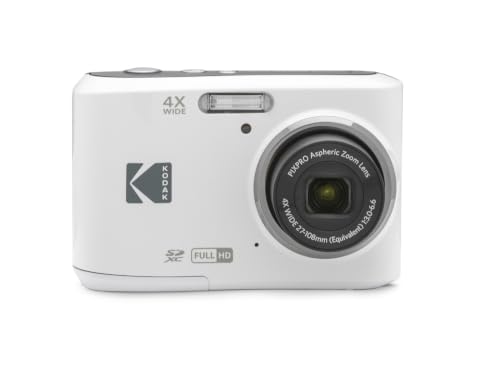
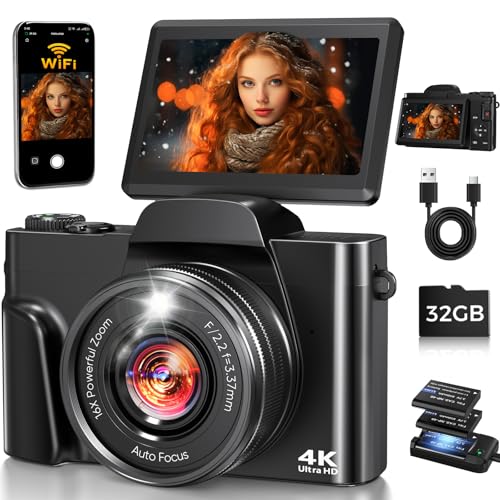
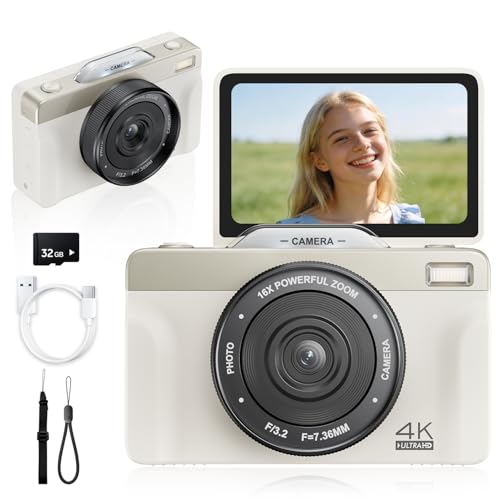
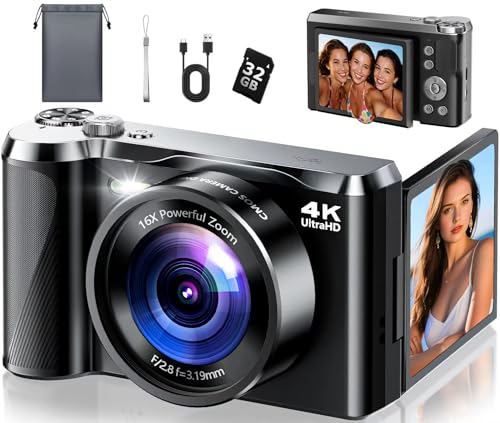
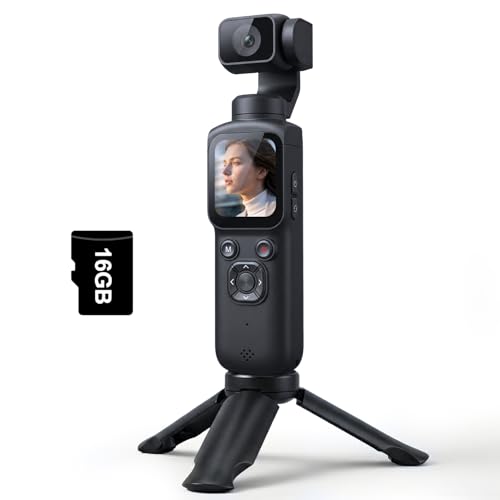
Read your own pattern honestly first: what you shoot, where you shoot it, and how often the camera leaves the house. The product table lists the types that cluster at bargain prices, and the sections after it match those types to real routines.




Match the Camera to the Job You Actually Have
Four buying patterns cover most bargain shoppers. Find yours below, because each one rewards a different set of features and punishes a different set of shortcuts.
Family Snapshots and School Events
Your subjects move, the light is poor, and nobody waits while you dig through menus. Prioritize autofocus that locks onto faces quickly, a zoom that reaches across a school hall, and a flash you can bounce or soften rather than fire straight ahead. Image stabilization matters here more than megapixels, since handheld shots at slow shutter speeds are your everyday reality. A simple compact or an entry mirrorless body with its kit zoom both serve this pattern well, and either beats a phone once the stage lights dim.
Travel That Fits in a Pocket
Travel bargains live or die on size, because the camera you leave at the hotel earns nothing. Look for a body under about 300 grams with the lens attached, a battery that charges over USB, and a zoom range that covers street scenes and distant landmarks without swapping lenses. Travelers comparing truly pocketable options should see our guide to the best small digital cameras before deciding. Accept a smaller sensor as the price of portability, and spend the savings on a wrist strap and a hard case.
A First Camera for Learning the Craft
Learners need manual controls they can reach, a viewfinder or screen that shows exposure changes live, and a lens mount with affordable growth paths. The camera should let you set aperture, shutter speed, and ISO directly, because automatic modes teach nothing. Our roundup of the best starter digital cameras focuses on exactly this learning stage. A used interchangeable lens body often beats a new compact here, since the controls and the lens selection matter more than cosmetic condition.
A Backup Body for a Shooter Who Owns a System
If you already own lenses, a bargain backup means an older body that shares your mount and batteries. It covers weddings, trips, and the day your main body fails, and it can wear a different lens so you stop swapping glass in dusty places. Match the battery type first, then the memory card format, because shared consumables cut the true cost sharply. Sensor generation matters less than compatibility, so one or two generations back is the sweet spot for this pattern.
What the Best Bargain Digital Cameras Realistically Offer
Bargain prices, roughly under $400 new or under $300 used, buy honest tools with visible limits. Knowing those limits in advance is the difference between a smart purchase and a return. Shoppers who want the full price landscape first can scan the wider field of the best digital cameras and then come back to these trade offs.
Sensors and Lenses at the Low End
Expect sensors from one inch down to the small chips in budget compacts, and remember that megapixels say nothing about quality. A larger sensor with fewer megapixels will outshoot a tiny sensor with more, every time, because each pixel gathers more light. Kit lenses at this level are slow and soften at the zoom extremes. None of this blocks good photos in daylight, but it defines the ceiling, and no setting removes it.
Low Light and Indoor Limits
Dim rooms are where bargains show their price. Small sensors raise visible grain as ISO climbs, and slow lenses force shutter speeds that blur moving children and pets. Built in flash helps within about ten feet and flattens faces beyond it. If most of your shooting happens indoors at night, redirect the budget toward the fastest lens you can pair with the body, even if that means an older body. Light gathered by glass beats light invented by processing.
Focus Speed, Stabilization, and Video Trade Offs
Autofocus on bargain bodies is accurate for still subjects and slower to track running ones, so sports shooters should temper expectations or raise the budget. In body stabilization is rare at this level, so lens based stabilization or a steady hand carries the load. Video is usually capped at 1080p or cropped 4K with short clip limits and no microphone input. Those caps are fine for family clips and frustrating for anyone recording talks, lessons, or performances regularly.
Build Quality and Weather Sealing
True weather sealing, with gaskets at the doors and dials, belongs to higher price tiers, so most bargain bodies ask you to keep them dry. Makers sometimes advertise splash resistance without any rated standard behind the words, and that claim deserves skepticism. A rain cover costing about $10 protects a cheap body better than optimistic marketing. Metal lens mounts outlast plastic ones under daily swapping, which matters if the camera will serve for years. Treat bargain build as adequate for careful use, not for abuse.
Buying Used Without Getting Burned
The deepest bargains are secondhand, and the best bargain digital cameras are usually clean used copies of models that were midrange a few years ago. Used buying rewards a checklist, because condition varies more than model choice at this level. Work through these checks before money changes hands. Readers weighing new discount stock against used copies can compare both routes in our broader guide to the best bargain cameras across categories.
Ask for the shutter count on any interchangeable lens body. Entry and midrange shutters are commonly rated around 100,000 to 150,000 actuations, so a body at 20,000 has most of its life ahead while one at 120,000 is priced as the gamble it is. Check the sensor by photographing a plain white wall or clear sky at a narrow aperture like f/16: dark blobs that repeat in the same spots are dust or spots on the sensor, which cleaning may fix, while a scratch will not clean away.
Inspect the lens under a bright light at an angle. Fine scratches on the front element rarely affect images, but fungus looks like tiny branching threads or a cloudy patch inside the glass and spreads with time, so walk away from it. Zoom and focus rings should turn smoothly without grinding or loose wobble.
Check the battery by shooting for ten minutes and watching the gauge, since tired batteries drop fast, and price in a replacement at about $25 to $45 when the gauge sags. Finally, shoot a dark frame and a bright frame and zoom in on both, looking for stuck bright or dark pixels that mark sensor wear.
Run the controls through a full workout before paying. Every dial, button, and joystick should respond without sticking, the card door should latch firmly, and the hot shoe contacts should look clean rather than corroded. Focus the lens on a near object and then a far one and listen for grinding or hesitation, because slow hunting on a healthy battery often signals a tired focus motor. Check the screen for dead patches and the viewfinder for dust you cannot blow out, since viewfinder dirt sits inside the body and is yours forever.
Listings That Are Cheap for a Bad Reason
A price far below every other listing for the same model is information, not luck. Common causes include impact damage that bent the lens mount, water exposure that corrodes slowly, a shutter that fails only at high speeds, and gray market bodies with no local warranty. Sellers who refuse to state the shutter count, show only stock photos, or push for payment outside the platform are telling you the condition is worse than the description. Return terms decide your real risk, so favor sellers offering at least 14 days to try the camera over private sales with none, even when the private price is lower.
Mistakes Bargain Hunters Keep Making
First time bargain hunters, including readers who have already read our guide to the best digital cameras for beginners, tend to repeat the same errors.
- Judging a used body by its paint and screen protector while ignoring shutter count and sensor condition.
- Buying the cheapest body and leaving nothing for the card, battery, and lens the system actually needs.
- Chasing maximum zoom on a compact, which trades away the lens brightness that indoor photos depend on.
- Skipping a trial period, even though focus accuracy and battery health only show themselves in real shooting.
- Assuming a bargain camera stays a bargain after repairs, when one service bill can exceed the savings.
Keeping a Secondhand Camera Reliable
A used camera that passed your checks still deserves basic care to stay dependable. Clean the lens with a microfiber cloth made for optics, never a sleeve, and blow dust off the sensor only with a hand air blower rather than canned air, which can spray residue. Store the body with a charged battery removed during long idle months and keep it in a dry bag away from radiators and damp basements, since humidity feeds lens fungus. Carry a spare battery on any outing that matters, because older batteries fade fastest exactly when the day runs long.
Your Questions Answered
What shutter count is too high on a used camera?
There is no single number, but context makes the judgment easy. Entry bodies are often rated near 100,000 shots and midrange bodies near 150,000, so a camera at half its rating with a matching discount is reasonable, while one near the rating should cost far less. Hobbyist cameras frequently show counts under 30,000 even after years of use. Always weigh the count against the price and the return window rather than treating it as a pass or fail line.
How can a buyer spot sensor dust before paying?
Ask the seller for a recent photo of a plain bright surface taken at a narrow aperture such as f/16, or take one yourself during an in person sale. Dust appears as soft dark spots that stay fixed while you change lenses or zoom. Spots that show at f/16 often vanish by f/5.6, so judge severity by how you shoot. A professional sensor cleaning costs about $40 to $75, which belongs in your offer math.
Are refurbished cameras safer than private used sales?
Generally yes, because maker refurbished gear is inspected, cleaned, and sold with a short warranty, often 90 days. That inspection catches shutter faults and sensor problems a private listing may hide. The trade off is price, since refurbished bodies cost more than private sales of the same model. For a first used purchase, the warranty usually wins. Experienced buyers with a solid inspection routine can accept the private sale risk for the deeper discount.
Can a bargain camera handle video for family events?
Yes, with expectations set by the clip limits most cheap bodies impose. Many stop a single recording at about 20 to 30 minutes, and some overheat sooner in warm rooms, so a school concert may need a restart between pieces. Built in microphones sound thin at distance, which matters more than resolution for speeches. For birthdays and holidays the footage is perfectly watchable. For a full ceremony, position a phone as a continuous backup.
What should a bargain hunter check first in person?
Start with the lens mount and the sensor, because those two decide whether the camera has a future. Look for bent metal around the mount, then take the white wall shot at a narrow aperture to judge the sensor. Fire a burst at the fastest shutter speed to listen for a healthy shutter, and check that every dial and button responds. Cosmetic scuffs come last, since they lower price without lowering performance.
Do bargain cameras hold their value when resold?
Mostly yes, because the steepest price drop already happened before you bought. A clean used body bought at a fair price often resells within about 10 to 20 percent of that price a year later, provided the shutter count stays reasonable and the box and charger survive. Lenses hold value even better than bodies. This flat curve is the hidden advantage of the bargain route: your cost of ownership is the small gap, not the full price.
Final Thoughts
Define the job first, then let the budget follow it. Family shooters need speed and stabilization, travelers need small size, learners need controls, and backup buyers need compatibility. Whether you buy discounted new stock or a checked used copy, the product table above keeps the types and prices in one view. Matched to your routine this way, the best bargain digital cameras deliver years of good photos for money that stays sensible.