Best Aps C Mirrorless Cameras of 2026: Complete Buying Guide
Disclosure: We may earn a commission when you buy through links on this page, at no extra cost to you. As an Amazon Associate I earn from qualifying purchases. Learn more

Compare the best aps c mirrorless cameras by sensor, lenses, video, and price, and learn which features matter for travel, family photos, and everyday shooting.
An aps c mirrorless camera sits in a sweet spot: a sensor far larger than a phone sensor, in a body small enough to carry all day. The hard part is that spec sheets stress megapixels while the things that decide your photos, like autofocus and lenses, get less attention. This guide walks through the best aps c mirrorless cameras by the factors that actually change your results.
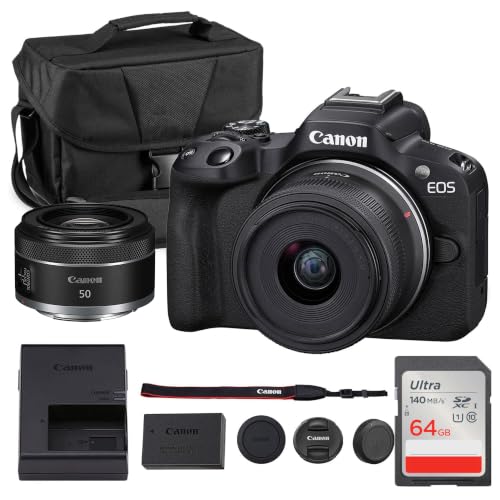
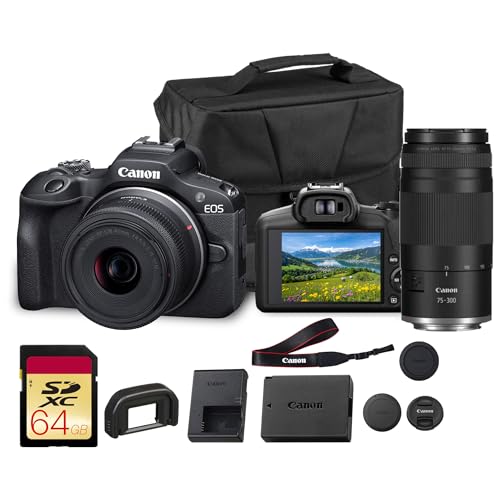
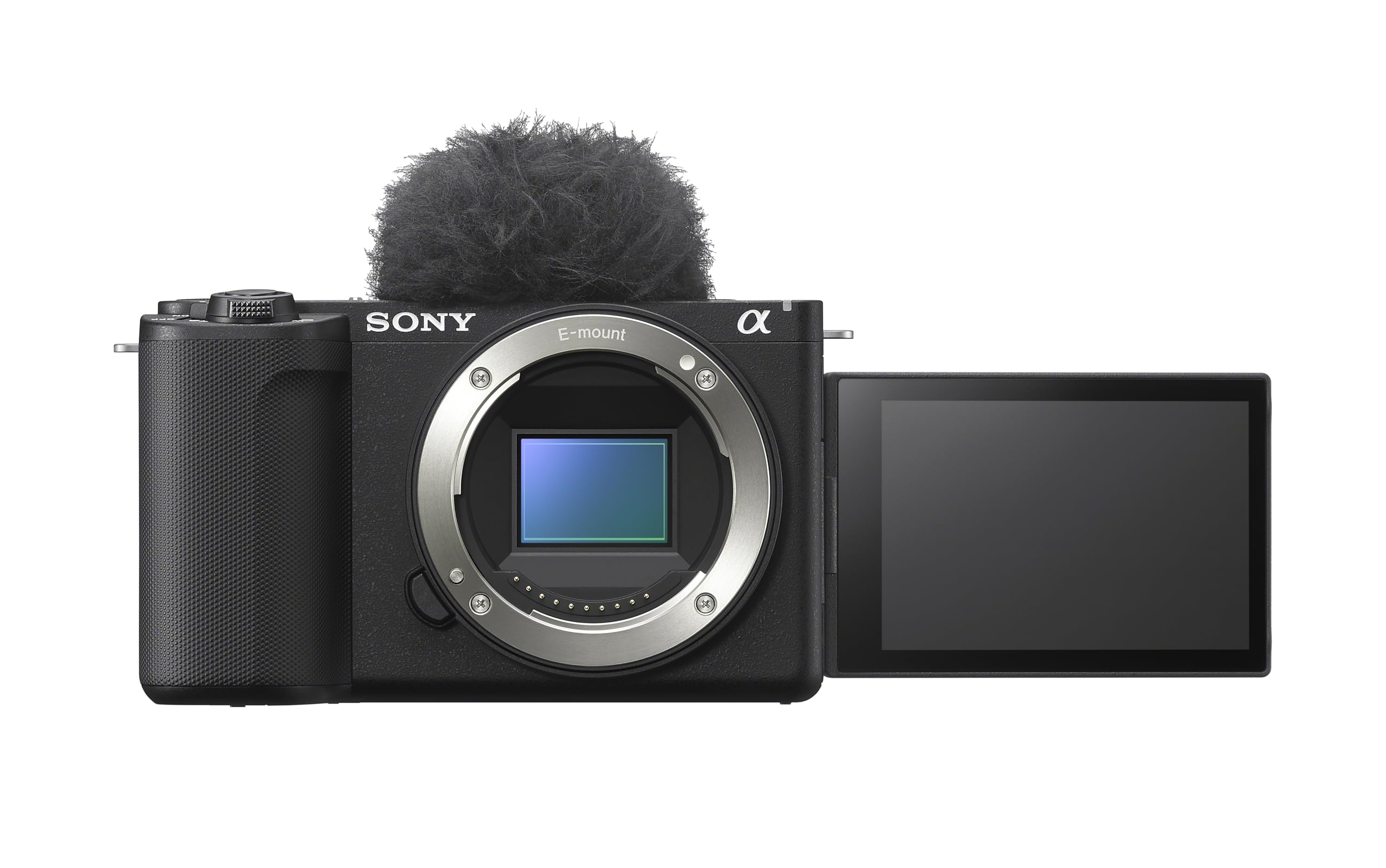
You will learn how sensor size, lens mounts, battery life, and video features differ across price levels. The product table below puts the main options side by side so you can match a camera to your subjects and your budget.




What Your Money Buys at Each Price Level
Most aps c bodies sell between about $500 and $2,500 with a kit lens, and higher prices buy features, not better basic image quality. Even entry models share the same sensor size, so spend first on the lens system you want to grow into.
First Camera Money: About $500 to $900
This level pairs a 24 megapixel sensor with a basic kit zoom, one control dial, and a smaller viewfinder. Autofocus is fine for still subjects and family photos, and 4K video is usually included. Bodies feel lighter and more plastic, and burst shooting is modest. For a first real camera, this tier is already a clear step up from a phone.
The Working Middle: About $900 to $1,500
Mid priced bodies add features photographers feel every day: eye detection autofocus for people and animals, in body stabilization, two control dials, and screens that tilt or flip. Weather sealing appears on some models, and video gains a microphone input. If you shoot weekly and plan to add lenses over time, this is where most buyers settle, because the handling gains are real.
Serious Hobby Money: About $1,500 to $2,500
The top tier buys speed and toughness: faster burst rates, better subject tracking, dual card slots, and 4K video at 60 frames per second. Bodies are more rugged, viewfinders are larger, and some models use stacked sensors with very fast readout. Choose this level for sports, birds, or paid work where a missed frame costs money. For family stills, the gains over the middle tier are small.
How to Choose: Key Features to Compare
Start with the sensor and lens mount, then weigh the factors below against your subjects. Shoppers comparing the best aps c mirrorless cameras usually find that autofocus and lenses matter more than any single number on the box.
Sensor Size and Image Quality
An aps c sensor measures about 23.5 by 15.7 mm, far larger than a phone sensor, so it gathers more light and holds detail in shadows. Most models offer 24 to 26 megapixels, plenty for large prints and cropping. Megapixel count alone does not set quality; lens sharpness and processing matter just as much. Our guide to the best aps c sensor cameras explains sensor differences in more depth.
Autofocus and Ease of Use
Modern autofocus tracks eyes, faces, animals, and vehicles, which takes the luck out of portraits and pet photos. Beginners should look for a full auto mode that still lets you tap the screen to focus, plus guided menus that explain settings in plain words. Wireless transfer to a phone app matters too, since it decides how fast photos reach your phone. A camera that feels easy gets carried more, and that alone improves your results.
Battery Life and Charging
Rated battery life runs about 300 to 500 shots per charge, and heavy video use cuts that figure fast. USB C charging is worth having, since you can top up from a power bank between stops on a trip. Cold weather drains batteries quicker, so winter shooters should budget for a second pack. Check whether a charger is included, because some entry models leave it out of the box.
Lens Mount and Zoom Range
The mount decides which lenses you can buy later, and aps c systems keep lenses smaller and cheaper than full frame lines. Kit zooms usually cover about 15 to 45 mm or 18 to 55 mm, a useful range for travel and family shots. A fast prime lens around 23 mm or 35 mm is the classic first upgrade for low light and blurred backgrounds. Before choosing a mount, price the two or three lenses you actually want.
Low Light Performance
These sensors stay usable at about ISO 3200 to 6400 for events and indoor sports. In body stabilization helps at slow shutter speeds for still subjects, but it cannot freeze a moving child or player. A lens with a wide maximum aperture, such as f/1.8, gathers far more light than a kit zoom at f/4. For night street photos, that lens choice matters more than the body tier.
Video Capabilities
Most models record 4K video at 30 frames per second, and mid tier and up add 4K at 60 for smoother motion. Vloggers should want a fully flipping screen, a microphone input, and reliable face tracking. Long recordings can overheat smaller bodies, so check the maker stated recording limits before buying.
Size, Weight, and Ergonomics
Bodies weigh about 350 to 650 grams before a lens, and the lens often decides how the kit feels on a strap. A deeper grip helps with longer zooms, while flat rangefinder style bodies slip into a jacket pocket with a small prime. Viewfinder size and screen brightness matter outdoors, where glare can hide focus errors. Glasses wearers should check that the viewfinder shows the whole frame comfortably.
Aps C Mirrorless Cameras vs Other Options
Sensor size is only one way to shop. Our guide to the best mirrorless cameras covers every sensor size, and the comparisons below show where this format sits.
Full Frame Mirrorless Cameras
Full frame bodies use a sensor about twice the area, which helps in very low light and gives shallower depth of field. The cost is real: bodies and lenses are bigger, heavier, and pricier. Choose full frame for paid low light work or very large prints. For travel and family use, aps c quality is already hard to fault.
DSLR Cameras
DSLRs use mirrors and optical viewfinders, run far longer per charge, and have deep pools of used lenses. They are also bulkier, and their video autofocus lags behind mirrorless systems. Many of the best aps c cameras are DSLRs, so this route suits buyers who value battery life and bargain lenses over compact size.
Compact Cameras
Compact cameras keep the lens fixed and the body pocket sized, which removes lens decisions entirely. The trade off is flexibility: no swapping to a telephoto for wildlife or a fast prime for portraits. Our guide to the best aps c compact cameras covers the fixed lens models. Choose one if you want simple carry and strong stills without building a lens kit.
Action Cameras
Action cameras are tiny, rugged video tools built for mounts, water, and crashes. Their small sensors and fixed wide lenses make them poor substitutes for still photography. They work best as a second camera for sports footage. If your main goal is photos you can print, stay with an interchangeable lens body.
How to Make Your Aps C Mirrorless Camera Last Longer
- Wipe lenses with a lens cloth, not your shirt, since grit in fabric can scratch coatings.
- Carry a spare battery and rotate both packs, so neither sits empty for months at a time.
- Store the camera in a dry, padded bag away from heat, humidity, and direct sun.
- Update firmware when the maker releases it, since updates often improve autofocus.
- Keep the body cap on when no lens is mounted, and never aim the lens at the sun, since focused sunlight can damage the sensor.
Frequently Asked Questions
Is a smartphone enough instead of an aps c mirrorless camera?
For quick sharing, a smartphone is enough, and its automatic processing is hard to beat for snapshots. A dedicated camera pulls ahead when you print large, shoot in dim light without flash, or want real background blur from a fast lens. It also gives you real zoom through interchangeable lenses. Many photographers keep both: the phone for daily moments, the camera for trips and portraits that matter.
How much should a beginner spend on a first aps c mirrorless camera?
About $500 to $900 buys a capable body with a kit lens, the sensible starting point for most beginners. A useful rule is to hold back about a third of your budget for a second lens, a bag, and spare batteries within the first year. Spending more on the body before you know your subjects usually wastes money. Your second purchase teaches you more about what you need than any spec sheet.
Which is better for low light, an aps c camera or a full frame camera?
A full frame camera is better for low light at the same settings, thanks to its larger sensor. The gap shrinks when the aps c camera wears a fast prime lens, since an f/1.8 aperture gathers several times more light than a kit zoom. In body stabilization lets you hand hold at slower shutter speeds for still scenes. For most indoor events, a mid priced aps c body with a fast lens is fully capable.
What does the 1.5 times crop factor mean on aps c mirrorless cameras?
It means a lens shows a narrower view than the same lens on a full frame body. A 35 mm lens on an aps c camera frames a scene about like a 52 mm lens on full frame, which is handy for portraits. The flip side is that wide views need shorter lenses, such as 10 to 18 mm zooms for interiors. Focal lengths never change; only the framing does.
Can full frame lenses work on an aps c mirrorless camera body?
Yes, full frame lenses in the same mount fit and work on aps c bodies, and the camera simply uses the center of the image circle. That makes them a smart buy if you may upgrade bodies later. The downsides are size and price, since you carry glass built for a bigger sensor. The reverse does not work well, because aps c lenses project too small an image for full frame sensors.
Final Thoughts
Match the lens mount and autofocus to your subjects first, then pick the price tier that fits your budget. The best aps c mirrorless cameras reward buyers who spend steadily on lenses over time rather than chasing the top body at once. Compare your shortlist in the product table above before you order.