
Best Aps C Sensor Cameras in 2026: Which Type Is Right for You?
Disclosure: We may earn a commission when you buy through links on this page, at no extra cost to you. As an Amazon Associate I earn from qualifying purchases. Learn more

Compare aps c sensor camera types by lens mount, autofocus, stabilization and 4K video, with clear price guidance for choosing the right camera.
The same sensor size can sit inside a small travel camera, a video ready mirrorless body or a sturdy DSLR, and that range makes choosing hard. The best aps c sensor cameras share strong image quality, but they differ in size, lens choice, controls and price. This guide compares the types first, so the comparison table below is easier to read.
Start with how you shoot most often. Travel, family events, sports, street photos and video each reward a different body style. The sections below match that use to a type, a lens mount and the features that matter.


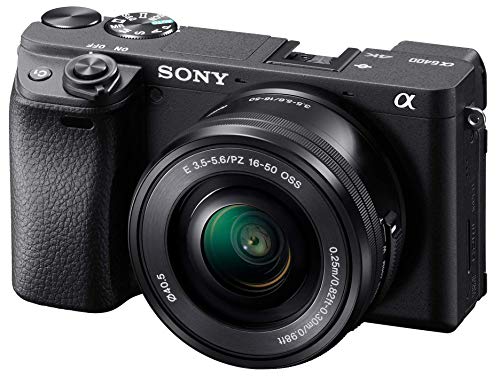




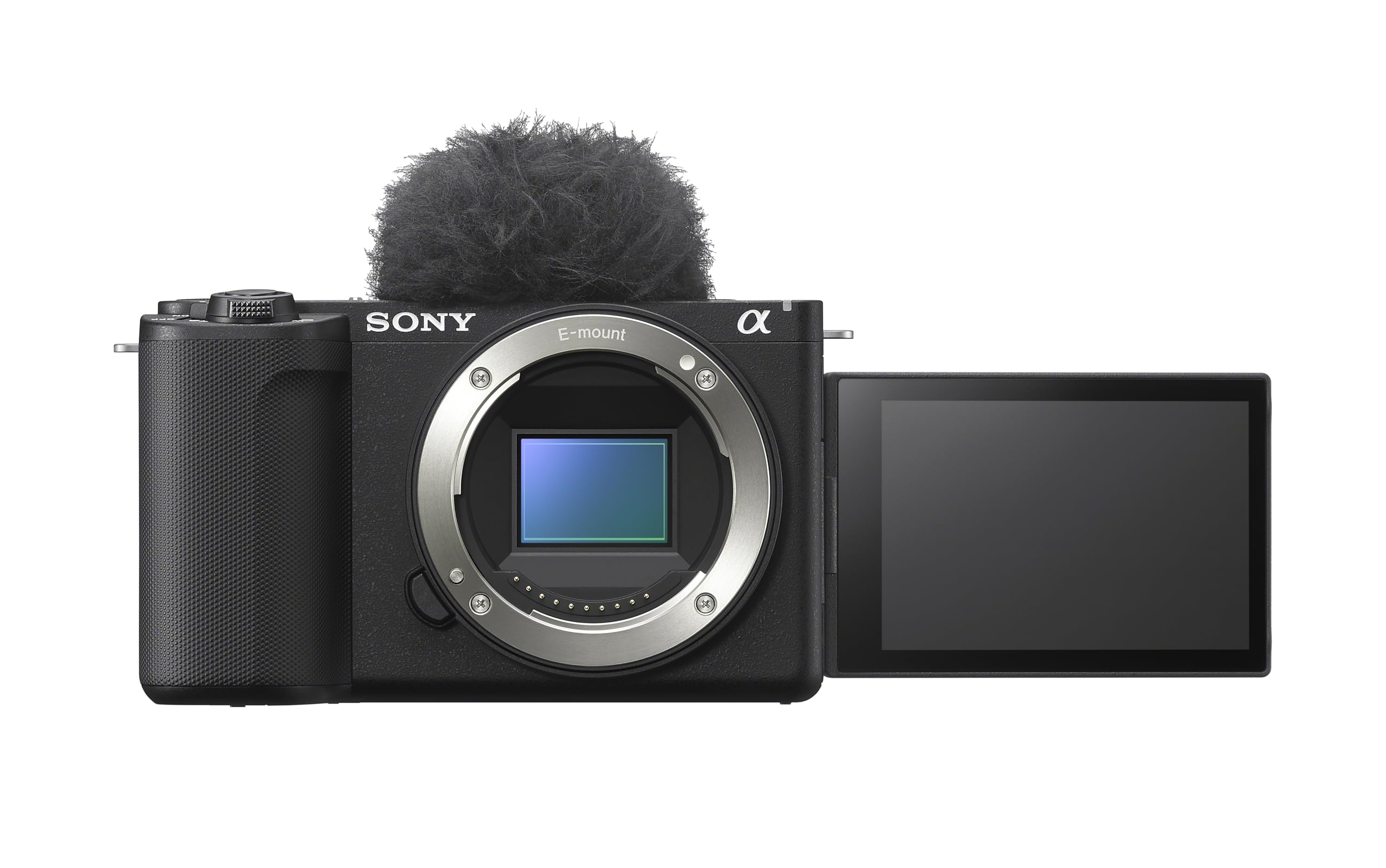
Types of Aps C Sensor Cameras Compared
All three types below use a sensor of roughly the same size, so the real choice is about handling, lenses and how you compose a photo. Prices cover the body with a basic kit lens where one is offered.
Mirrorless Cameras With Interchangeable Lenses
A mirrorless camera has no internal mirror, so you compose on an electronic viewfinder or the rear screen. Bodies stay smaller than most DSLRs while still letting you change lenses. Autofocus is usually fast across the frame, and 4K video features tend to be the strongest in this group. Most kits cost about $600 to $1,800. If this style fits your plans, see our guide to the best aps c mirrorless cameras.
DSLR Cameras With an Optical Viewfinder
A DSLR uses a mirror and a prism so you see the scene through the lens itself, with no screen delay and no battery drain while you compose. Bodies are larger, grips are deep, and battery life is often two or three times longer than a mirrorless model. Lens choice is wide, including a large used market. Video and screen based autofocus are usually weaker here. Expect to pay about $500 to $1,200, often less for used bodies in good condition.
Compact Cameras With a Fixed Lens
A compact model builds one lens into the body, so there is nothing to change and nothing extra to carry. The lens is matched to the sensor at the factory, which keeps image quality high in a body that fits a jacket pocket. Controls are simple, and many owners carry these cameras daily. The limit is reach, because a fixed lens cannot zoom far or swap to a wider view. Prices run about $800 to $1,600. For this style, see our guide to the best aps c sensor compact cameras.
Mirrorless vs DSLR Aps C Cameras: Which Should You Choose?
Choose mirrorless if you value a smaller bag, strong video, autofocus that tracks eyes across the frame, and a preview that shows exposure before you shoot. New lenses and features now arrive in mirrorless mounts first, so the system grows with you.
Choose a DSLR if you prefer looking through glass rather than at a screen, you shoot long days away from a charger, or you already own lenses for that mount. Neither type takes better still photos by default, so handling and lenses should decide it.
How to Choose the Right Aps C Sensor Camera
The best aps c sensor cameras for you will not win on every spec, so work through the five factors below in order. They cover the body, the lenses, the light you shoot in and the results you can expect.
Durability and Weather Sealing
Weather sealing means gaskets at the doors, dials and lens mount that slow dust and light rain from getting inside. It only works when the lens fitted is sealed as well, and it is not the same as waterproof, so heavy rain still calls for a cover. Metal bodies handle knocks well, while lighter plastic bodies are easier to carry all day. If you shoot outdoors often, sealed construction is worth paying for.
Lens Mount, Lenses and Zoom Range
The lens mount decides which lenses fit now and which you can buy later, so check that the mount offers the lenses you actually want. Kit zooms often cover about 15 to 45 mm or 18 to 135 mm, and optical zoom keeps full detail at every setting, while digital zoom only crops the image. Because this sensor is smaller than full frame, a lens frames about 1.5 times tighter than its marked focal length suggests. If you are still weighing formats, see our guide to the best aps c cameras.
Low Light Performance
Low light results depend on the sensor and the lens working together. As you raise the ISO setting, the camera adds gain and image noise grows, so a lens with a wide maximum aperture, such as f/1.8 or f/2.8, lets you keep ISO lower in dim rooms. For evening events and indoor family photos, budget for one bright lens rather than a second zoom. Stabilization helps with still subjects, but it cannot freeze a moving child or player.
Autofocus and Stabilization
Modern autofocus in this class can find and follow eyes on people and animals, then hold focus while the subject moves toward you. That matters for sports, pets and candid portraits. Check the burst rate as well if you shoot action. Stabilization may sit in the body, in the lens, or in both working together, and it lets you hand hold slower shutter speeds for still scenes and smoother video clips.
Sensor Size and Image Quality
An APS C sensor measures roughly 23 by 15 mm, far larger than a phone sensor or a one inch compact sensor, and smaller than a full frame sensor. That size collects more light per photo and gives cleaner files you can print large or crop with room to spare. Most models offer about 20 to 26 megapixels. Look at dynamic range as well, because it decides how much detail survives in bright skies and deep shade in one shot.
Common Mistakes to Avoid
- Spending the whole budget on the body leaves no money for the lens that shapes your photos most.
- Judging image quality by megapixels alone ignores lens quality and dynamic range, which show up in every file.
- Treating weather sealing as waterproof leads to soaked gear in heavy rain and costly repairs.
- Picking a lens mount before checking its lens range can leave you without the focal length you need.
- Relying on digital zoom instead of optical zoom throws away detail you cannot restore later.
- Ignoring grip, dial layout and menu style makes a camera slow to use even when its specs look strong.
Tips, Care and Maintenance for Aps C Sensor Cameras
Clean the front lens element with a soft lens cloth, never your shirt, because grit in fabric can scratch the coating. Carry a spare battery and a spare card, since mirrorless bodies drain batteries faster than DSLRs. Store the camera in a dry, padded bag away from direct sun, with silica gel packs inside if your home is humid.
Sensor dust shows as dark spots in skies at narrow apertures. Start with a rocket blower and the camera cleaning mode, and never touch the sensor surface. Stubborn spots call for professional cleaning. Wipe the body after dusty trips, and remove the battery before long storage.
Aps C Sensor Cameras: Your Questions Answered
How big is an Aps C sensor compared with a full frame sensor?
An APS C sensor is about two thirds the width of a full frame sensor, so it records a narrower view from the same lens. One result owners notice is depth of field, because at the same framing and aperture an APS C photo keeps more of the scene in focus. That suits travel and group photos, while portrait shooters who want very soft backgrounds should pick wider aperture lenses.
What specs matter most for a first Aps C sensor camera?
A comfortable grip, clear menus and a lens you enjoy using matter most on a first camera, ahead of small spec gaps. Hold the body with its kit lens fitted, because balance changes how long you can shoot without strain. Also check the screen movement, since a tilting screen helps with low and high angles. A camera that feels simple gets carried more, and regular use teaches faster than any feature list.
Is a smartphone enough instead of an Aps C sensor camera?
A smartphone is enough for quick sharing, but a dedicated camera gives you real optical zoom, larger files and direct control over focus and exposure. Phone software sharpens and brightens images for you, which can look harsh on large prints or in tricky light. If you print, crop or shoot sports and portraits often, the camera earns its space in your bag.
Which Aps C camera type handles low light photos best?
No single type wins at low light, because lens aperture and your support matter more than body style. A tripod, or a wall to brace against, often improves a night photo more than a costlier body would. Built in flash helps nearby subjects but flattens faces, so raise ISO first and accept some grain. Grain in a sharp photo looks better than blur in a clean one, so protect your shutter speed.
How much should I spend on a first Aps C sensor camera?
About $600 to $1,200 covers a sound first camera with a kit lens from any of the three types in this guide. Spend toward the lower end if you are learning, and keep about $100 aside for a card, a bag and a spare battery. Buying one generation older is smart, because sensors improved slowly while prices fell.
Wrapping Up
Match the type to your day first, then check the lens mount, low light needs and autofocus before price. Mirrorless suits most new buyers, DSLRs reward long battery life, and fixed lens compacts reward people who travel light. Use the product table above to compare the bodies on your shortlist.
Chosen with those points in mind, the best aps c sensor cameras give you files a phone cannot match and a system you can grow for years. Start with one good lens, shoot often, and add gear only when a real limit shows up in your photos.


