
Best Aps C Compact Cameras Made Simple: A Clear Buying Guide for 2026
Disclosure: We may earn a commission when you buy through links on this page, at no extra cost to you. As an Amazon Associate I earn from qualifying purchases. Learn more

Shopping for the best aps c compact cameras for the first time? Learn the terms, compare options, and avoid rookie mistakes with this easy guide.
A compact body wrapped around a large sensor sounds like a contradiction, and that tension is the whole appeal of best aps c compact cameras. You get the depth and low light strength of a serious sensor in a camera that still fits a jacket pocket or a small shoulder bag. This guide explains the terms in plain English, and the comparison table below sets the main choices side by side.
It is written for a first purchase, so nothing is assumed and nothing is reviewed product by product. You will learn what the format means, which specs change your photos, and which ones are safe to ignore until later. By the end, the trade offs behind the small body will read as clear choices rather than fine print.


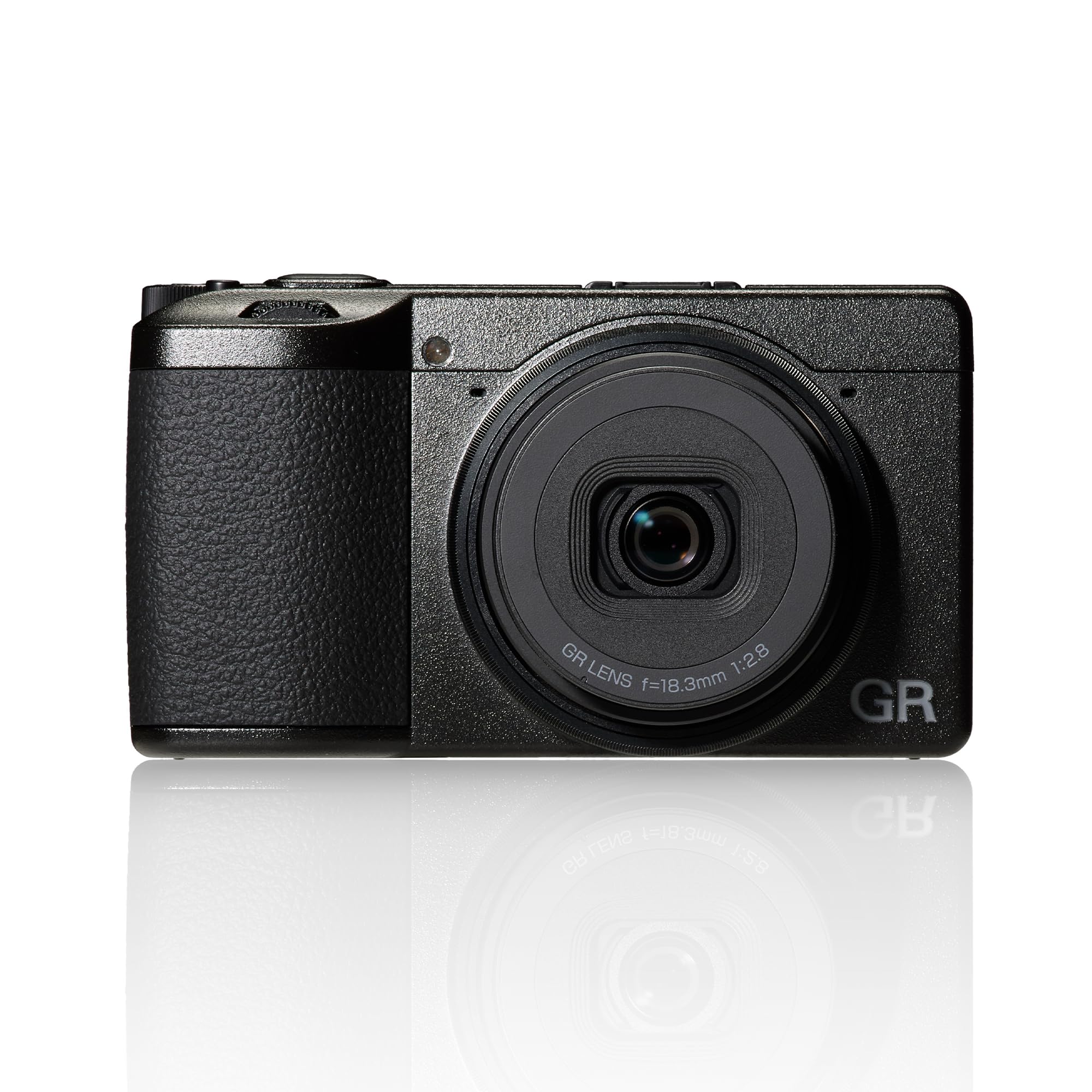
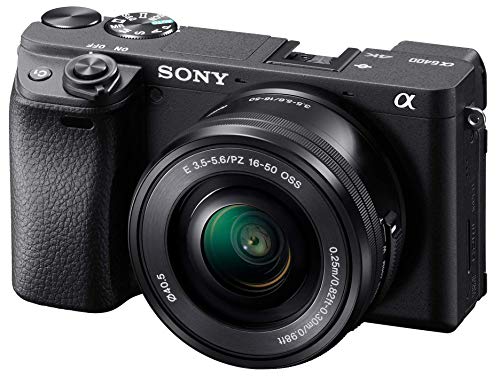

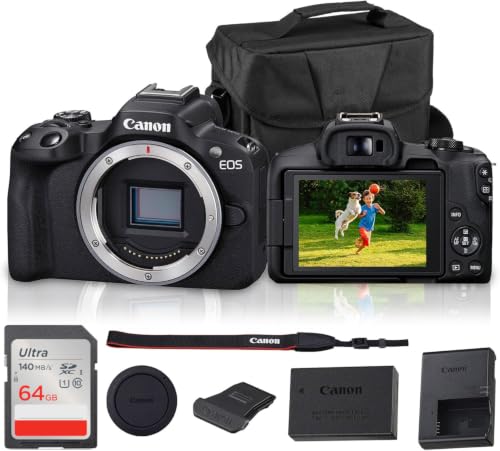


Aps C Compact Cameras 101: The Basics
APS C is a sensor format class, roughly 24 by 16 millimeters, far larger than the sensors in phones and small sensor compacts. Stated plainly, the sensor format class governs two things you see in every frame: how shallow the depth of field can go, and how clean the image stays when the light drops. Bigger pixels gather more light, so backgrounds melt more easily and night shots hold together. The trade is built in: a compact class body carrying a large sensor class can shrink only so far, because the lens must cover that bigger circle of light.
Budget for the whole kit, not the body alone. The body is only part of the total spend, because a fast memory card class, a spare battery class, and a simple case class belong in the same purchase. Buyers who would rather swap lenses over time can compare best aps c cameras for the larger body class. Readers who suspect they will want interchangeable lenses later should also scan best aps c mirrorless cameras, since that class trades pocket size for lens choice.
Key Specs Explained in Plain English
Five specs decide most of the ownership experience, and each one below is explained with the level a first buyer should aim for.
Measuring for Size and Portability
Measure the pocket or bag the camera must live in before you fall for a spec sheet. Pocketable members of this class weigh about 300 to 500 grams with the lens, and thickness is the figure that decides whether a coat pocket closes. A deeper grip feels safer in the hand but adds bulk, so decide which you value on a long walking day. If the camera stays home because it feels large, the format advantage never reaches your photos.
Sensor Size and Image Quality
Three format classes frame the choice. A 1 inch class sensor is smaller and lets bodies shrink further, a full frame class is larger and pushes bodies and lenses up in size and price, and APS C sits between them. Megapixels are not the whole story, because at this format the size of each pixel matters more for clean shadows and smooth color. A wider look at best aps c sensor cameras shows how the same sensor class behaves when it sits in larger bodies.
Video Capabilities
Most of this class records 4K video, and the useful step is 4K at 60 frames per second for smooth motion. A microphone input class matters if you record speech, because built in microphones catch handling noise and wind. A flip screen class helps anyone who films themselves or shoots from low angles. Ask about recording limits too, since compact bodies shed heat slowly and some stop a long take earlier than a larger camera would.
Low Light Performance
Low light strength comes from three places working together: the large sensor, a fast maximum aperture such as f/2.8, and stabilization that steadies your hands. A usable high ISO class on this format reaches far beyond a small sensor compact, so indoor shots keep their color instead of smearing. Judge sample galleries at the sensitivities you would really use at home, in restaurants, and on evening streets, not at the headline maximum.
Lens and Zoom Range
The lens split is the body split. A fixed lens class mounts one bright prime lens, usually around 28 mm in equivalent terms, which keeps the body slim and the low light strength high. A zoom class trades some of that brightness for a flexible range, often about 24 to 70 mm equivalent, that covers groups, streets, and portraits. Only optical zoom counts, because digital zoom simply crops, and shoppers puzzling over near identical listings can use our notes on best aps c sensor compact cameras to separate sensor naming from real format differences.
Rookie Mistakes to Avoid
Most rookie mistakes with best aps c compact cameras come from reading the spec sheet the way you would read a phone launch page.
- Chasing the highest megapixel count. At this format, pixel size shapes low light quality more than the total on the box.
- Trusting digital zoom numbers. A digital zoom is a crop, so the honest reach of the camera is the optical range alone.
- Ignoring the fixed lens field of view. A wide prime cannot zoom in for a portrait, no matter how strong the sensor is.
- Forgetting the card and battery in the budget. A body bought with the last of the money sits unused until the extras arrive.
- Buying a pocket camera and then carrying a camera bag anyway. If a bag is coming along, a larger body class may serve you better.
Getting Started: Setup and First Use
Charge the battery fully before the first outing, and format the memory card inside the camera so the file system matches what the camera expects. Set the date and time, then leave the camera in its full auto mode for the first day while you learn the grip and the menus. Clean the lens with a lens cloth, not your shirt, because shirt fabric drags grit across the coating. Carry a spare battery from the start, since compact batteries are small and a long day of shooting empties one faster than new owners expect.
At home that evening, copy the files off the card and pick three frames you like, which teaches your eye faster than any setting menu.
Your Questions Answered
How much should I spend on a first aps c compact camera?
Plan on about $500 to $800 for an older or used member of the class in sound condition, and about $800 to $1,200 for a current one. Keep roughly a tenth of the budget aside for the card, spare battery, and case, because those extras decide whether the camera is ready on day one. A used body with a clean sensor and a healthy shutter is a smarter buy than a stretched budget on a body alone.
What does the zoom range on a compact camera lens mean?
The range is printed in equivalent terms, so 24 to 70 mm describes the view you get, from a wide street scene at 24 mm to a natural portrait framing at 70 mm. Because the figures are already converted for the sensor, you can compare them directly across brands and formats. A range that starts at 24 mm or wider suits interiors and landscapes, while an owner who shoots mostly people should value the longer end more.
What specs matter most for beginners choosing an aps c compact camera?
Autofocus that locks onto faces and eyes, a bright maximum aperture, and controls you can reach without menu diving matter most. A simple, trustworthy auto mode matters too, because it lets the camera carry you while your eye develops. Skip exotic video modes and extreme ISO figures at this stage. The beginner who shoots every day on plain settings learns faster than the one who studies menus.
Is a smartphone enough instead of an aps c compact camera?
For quick sharing, a phone is often enough, and it wins on connectivity because photos are online in seconds. The compact earns its place when you want shallow depth of field, clean low light files, or prints bigger than a screen. It also wins on handling, with a real grip and dials that work with gloves. Many owners keep both: the phone for the everyday, the compact for the days that matter.
Which is better for low light, an aps c compact or a small sensor compact?
The aps c compact is better for low light, because its larger pixels gather more light at the same exposure settings. The gap narrows when the small sensor camera carries a much faster lens, so compare the pairing of sensor and aperture rather than the sensor alone. Either way, a steady hold and a stabilized lens class gain you more than one extra stop of headline ISO sensitivity.
Final Thoughts
Three checks settle this purchase. Confirm the format advantage is what you are paying for, choose the fixed lens or zoom split by the photos you actually take, and budget for the whole kit rather than the body alone. The product table above lines those choices up so the trade offs are easy to see. That habit, more than any single spec, is what turns a first camera into a long term one.
Choose the best aps c compact cameras option whose balance of size and strength matches your days, and the camera will leave the house with you instead of sitting in a drawer.


