
Best Camp Shoes Backpacking Light: Budget, Midrange, and Premium Guidance for 2026
Disclosure: We may earn a commission when you buy through links on this page, at no extra cost to you. As an Amazon Associate I earn from qualifying purchases. Learn more

A budget guide to the best camp shoes backpacking light, with tier checklists, fit and traction advice, and what extra cost actually buys you.
Camp shoes can cost under $30 or well over $150, and the price gap alone tells you little about comfort at the end of a trail day. This guide to the best camp shoes backpacking light choices explains where money genuinely helps and where it does not. You will learn how to judge fit, weight, traction, and drying speed by tier, so you can spend on the features your trips actually use.
Start with the comparison table below, then use the tier checklists that follow to narrow your shortlist. A light shoe that slips on wet rock or squeezes swollen feet is a poor bargain at any price.

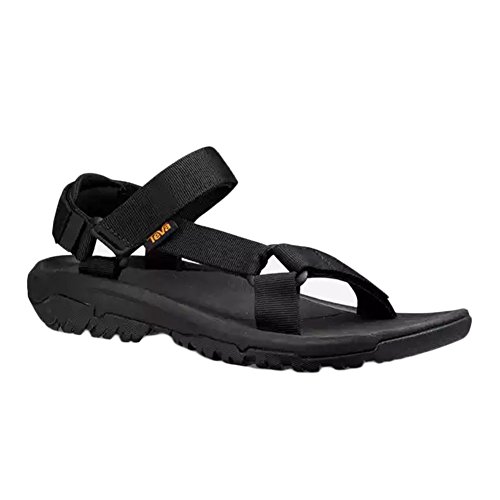

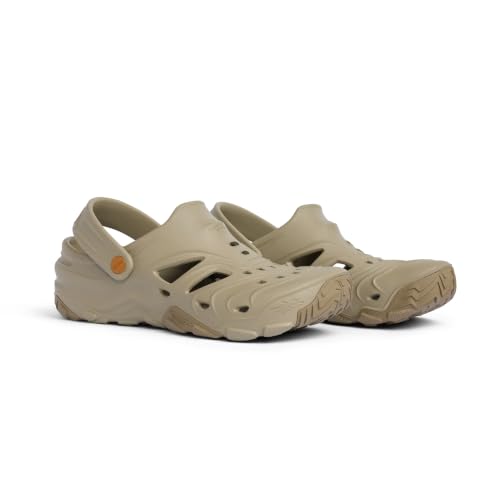


Camp Shoes Backpacking Light: Three Tier Checklists
Instead of chasing a single winner, match the tier to your trip length, terrain, and how much walking you expect to do around camp. The checklists below describe what a good option at each level should offer.
Budget Tier Checklist
A budget camp shoe, often around $25 to $50, should still give you a closed or partly closed toe, a sole with visible tread, and a heel that stays put when you walk to the water tap. Simple foam or light mesh uppers keep weight down and dry fast. Expect thinner cushioning and a shorter life, which is fine for a few trips a year. Skip anything with a flat, smooth sole, because wet grass and slick boardwalks punish that shortcut quickly.
Midrange Tier Checklist
Midrange options, often around $50 to $100, should add a roomier toe box, better arch support, and a sole that grips on rock and packed dirt. Many use lighter, shaped foam that feels supportive after a long day rather than flat and tired. Adjustable straps or a secure slip on design also matters here, since feet swell in the evening. For most backpackers this tier balances weight, comfort, and durability without paying for features they rarely need.
Premium Tier Checklist
Premium camp shoes, often around $100 to $160, should earn the price with durable uppers, strong stitching, and traction you can trust on stream crossings and rough approaches to a latrine or viewpoint. Some add water resistance for dewy mornings, and most hold their shape after many pack ins. This tier suits frequent backpackers and people with sore feet who need real support. If you camp only twice a year, the gain over midrange is usually small.
What Your Money Gets You at Each Price Tier
Budget Tier: What to Expect
At the budget level you are paying for basic relief from your trail shoes, not for long distance walking. Materials are simple, cushioning compresses sooner, and sizing can run inconsistent between color runs of the same style. That is acceptable if your camps are close to the trail and the ground is gentle. Check return terms before you buy, and test the shoes at home on carpet and hard floors while your feet are warm and slightly swollen.
Midrange Tier: The Sweet Spot for Most Buyers
Midrange money usually buys the upgrades you feel every evening: more cushioning under the heel, a toe box that lets toes spread, and an outsole with lugs that bite instead of skate. Uppers tend to pack flatter and resist abrasion from straps and pack buckles. If you want context on how camp footwear differs from your main pair, see our guide to the best backpacking shoes for the trail side of the kit. For three season trips, this tier is where most buyers should start and often finish.
Premium Tier: When Spending More Pays Off
Spending more pays off when you log many nights out, cross wet terrain, or need support that budget foam cannot give. Premium pairs tend to keep their cushioning longer, shed water better, and use rubber that stays grippy as it wears. You may also get a design that works for short side hikes, which can let you leave a second spare pair at home. The weight penalty, if any, is usually small, but always confirm the listed weight for your size.
Features Worth Paying For (and Ones to Skip)
Fit, Sizing, and Toe Box
Fit is the feature most worth your attention and, often, your money. Measure your feet in the afternoon, wear your camp socks, and look for a toe box that lets every toe lie flat without pressing the sides. Feet swell after hiking, so a camp shoe that feels merely snug in a shop can feel tight at camp. If you fall between sizes, the larger size usually serves you better for evening wear, as long as the heel does not lift with each step.
Waterproofing (Gore Tex and Membranes)
Water resistance helps on dewy grass and light splashes, but a full membrane can slow drying once water gets in over the top. Gore Tex style linings also add cost and a little warmth, which some campers love in autumn and dislike in July. For most summer backpacking, a breathable mesh upper that drains and dries overnight is the smarter buy. Save the membrane money for trips where cold, wet ground is the norm rather than the exception.
Cushioning and Support
Good cushioning spreads pressure under the heel and forefoot so sore feet recover overnight. Look for a midsole that feels firm enough to support your arch rather than collapsing under your thumb. Heel to toe drop is the height difference between heel and toes; a modest drop feels natural if your trail shoes use one too. People with plantar pain often prefer more structure, while others like a flat, ground level feel. If foot pain keeps returning, talk with a clinician or a qualified fitter about personal needs.
Break In Period and Comfort Out of the Box
Camp shoes should feel comfortable almost at once, because you will not log the miles needed to soften a stiff pair. Wear them around the house for two evenings before a trip, including a short walk on pavement and a few stairs. Rub spots, slipping heels, and straps that dig are warnings, not things to endure. Foam sandals and soft slip on styles usually need no break in at all, while structured styles may need a week of light use.
Outsole Traction and Terrain
Traction decides whether a midnight walk feels routine or risky. Look for lugs with real depth, varied shapes, and rubber that feels slightly tacky when you press a thumbnail into it. Shallow fashion soles skate on wet roots and polished rock. If your camps sit near rivers or on granite, grip deserves more of your budget than color or brand. For a broader view of designs made only for camp, see our guide to the best backpacking camp shoes and compare sole patterns side by side.
Long Term Costs to Factor In
The purchase price is only part of what a pair costs you. Foam soles that pack out in one season need replacing sooner, so a midrange pair that lasts three seasons can cost less per trip than a cheap pair bought twice. Socks, replacement insoles, and a small repair kit for straps add a little more. Packing wear matters too, since uppers crushed under a lid for many trips can crack or lose shape. Store camp shoes clean, dry, and uncrushed at home so the foam recovers between outings.
Weight has a cost as well, even if it never shows on a receipt. Every extra ounce rides on your back all day, so a heavy premium pair can be a poor trade for a short summer trip. Balance durability against carried weight for your own mileage.
FAQs
Can I wear camp shoes all day?
You can wear them around camp all evening, but most are not built for a full day of hiking. Their soles are thinner, their uppers offer less protection, and long miles on rough ground can bruise your feet. Keep them for camp chores, stream side rest, and short flat walks. If you plan a long side hike, your trail shoes remain the safer choice for support and grip.
Do I need waterproof camp shoes?
No, most backpackers do not need waterproof camp shoes. A membrane keeps splashes out yet traps water that enters over the collar, and drying takes longer in a tent vestibule. Breathable shoes that drain fast suit warm and mixed weather better. Choose water resistance mainly for cold trips with wet grass, snow patches, or repeated shallow crossings where keeping feet dry protects warmth.
Are expensive camp shoes worth it?
They can be worth it if you backpack often or your feet need lasting support. Premium materials usually hold cushioning longer, grip better as the sole wears, and survive repeated packing. For occasional campers, the difference over a sound midrange pair is modest. Judge value by nights of use: a pair used forty nights a year earns its price far sooner than one used four nights.
How often should I replace my camp shoes?
Replace them when the sole tread looks smooth, the foam stays compressed, or the upper tears where it meets the sole. Many pairs serve two to four seasons of regular use, while heavy use on abrasive rock shortens that span. A practical test is evening comfort: if your feet ache more than they did when the shoes were new, the cushioning has likely given up.
How should camp shoes fit?
They should fit with room to wiggle every toe and no pressure on the top of the foot. Aim for about a thumb width of space ahead of your longest toe when you stand in your camp socks. The heel should stay seated as you walk, and straps should hold without digging. Try them late in the day, because that timing mirrors swollen post hike feet best.
How long is the break in period?
For most camp shoes the break in period is only a few evenings of home wear. Soft foam and mesh styles often feel right on the first night, while structured styles may need a week of short walks. Pain, blisters, or numb toes are not normal break in signs; they signal a poor fit. Exchange sizes early rather than hoping miles will fix a shape that fights your foot.
Wrapping Up
Choose by fit first, traction second, and weight third, and let price follow those priorities. Budget pairs serve gentle camps, midrange pairs suit most backpackers, and premium pairs repay frequent use. Whichever tier you pick from the product table above, the right best camp shoes backpacking light option should feel like relief the moment your trail shoes come off. If your evenings also involve sitting for meals and maps, see our guide to the best backpacking camp chairs to round out your camp comfort kit, and for the lightest end of the range, see our guide to the best camp shoes for ultralight backpacking before you decide.


