
Best Backpacking Camp Shoes for 2026: Comfort After the Trail
Disclosure: We may earn a commission when you buy through links on this page, at no extra cost to you. As an Amazon Associate I earn from qualifying purchases. Learn more

Choose backpacking camp shoes that are light, quick drying and kind to tired feet, with grip, comfort, support and pack size for ultralight trips.
After a long day on the trail, best backpacking camp shoes give your feet a break from stiff boots. They are the shoes you wear around camp, at water crossings and on short evening walks, so they need to be light, easy to slip on and gentle on tired feet. The comparison table below compares the main styles side by side.
Weight matters more here than almost anywhere else, since every extra gram rides in your pack all day. But weight alone is not enough: camp shoes also need grip on wet ground, quick drying fabric and enough support for feet that are already sore from miles of walking.

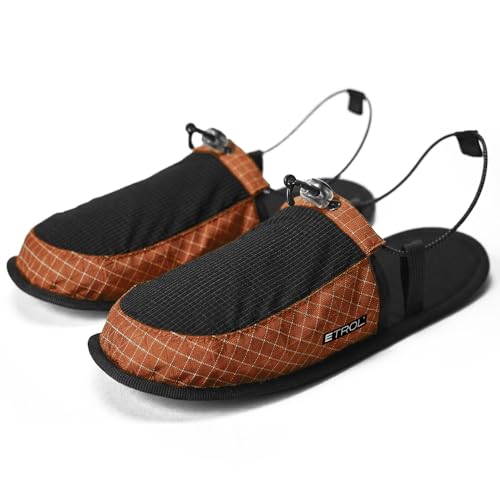

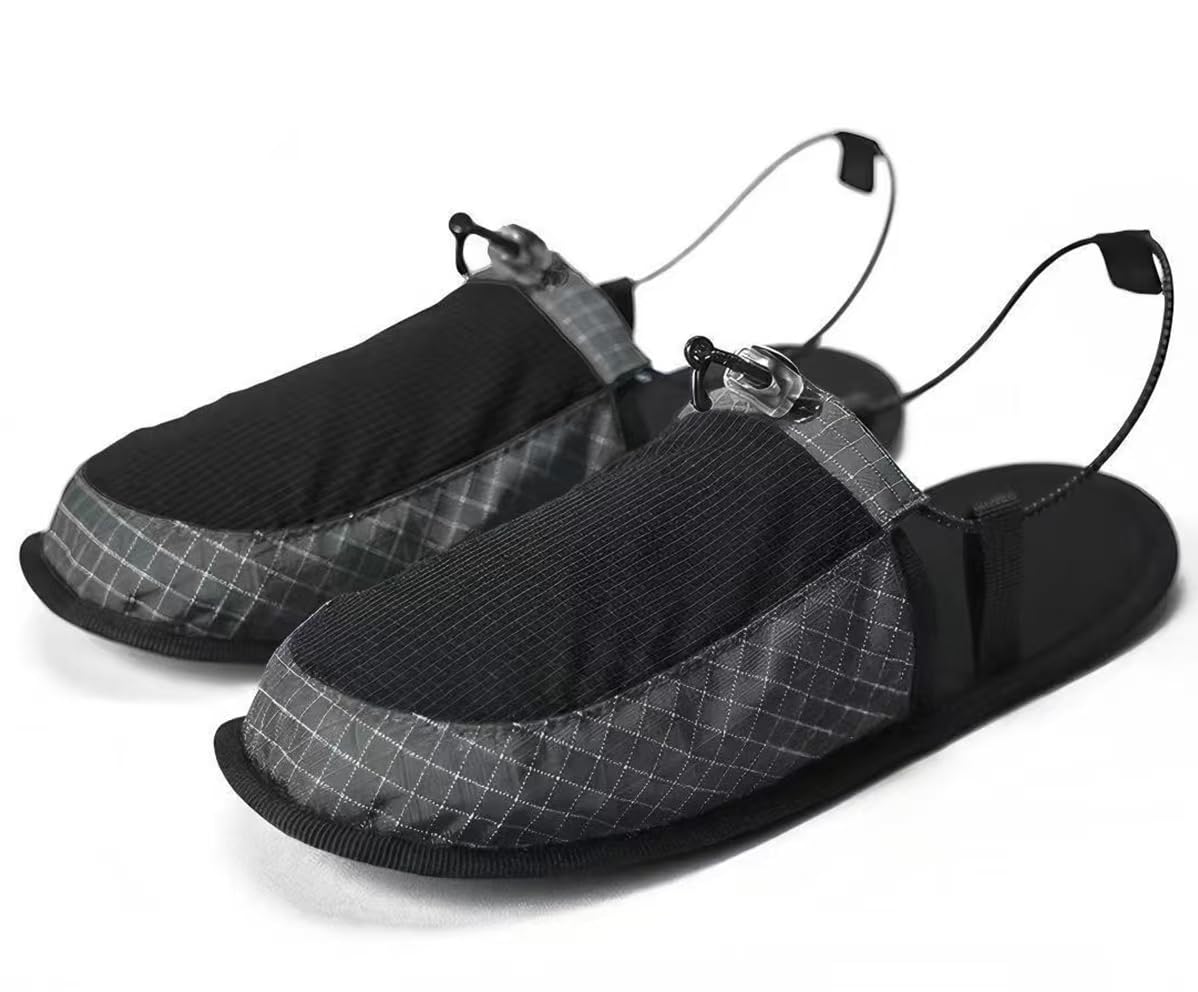


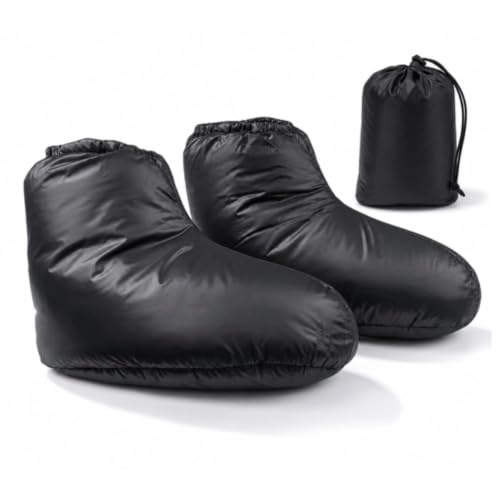

Who Should Buy Backpacking Camp Shoes?
Your camp routine decides whether you need a minimal slip on or a sturdier camp shoe.
For Ultralight Backpackers
If you count every gram, choose the lightest shoe that still protects your feet on camp ground. Minimal sandals or soft slip ons pack flat and add almost nothing to your load, though they offer less protection on rocky ground.
For Comfort First Campers
If your feet ache at day end, favor cushioning, a roomy toe box and easy on off design. A slightly heavier shoe is worth it when it lets you walk around camp without pain.
For River and Wet Campers
If camps sit near streams or rain is likely, quick drying materials and drainage matter most. Shoes that stay soggy overnight will feel cold and heavy the next morning.
For Long Distance Hikers
If you hike for weeks at a time, durability and repairability matter. A camp shoe that survives the whole trip saves you from carrying a failing pair or buying a replacement in a trail town.
Key Features to Compare
Weigh these features against pack weight, since camp shoes always compete with food and shelter for space.
Weight and Packability
Camp shoes should pack flat or compress small, and ideally weigh less than a pair of socks times a few. Check packed size as well as weight, since a bulky shoe eats pack space even when it is light.
Grip on Camp Ground
Camp ground is often dusty, wet or uneven, so outsoles need grip on dirt, rock and wooden platforms. A shallow tread suits dry camps, while deeper lugs help on muddy or slippery ground.
Drying Speed and Drainage
Shoes that drain and dry overnight are far more pleasant on multi day trips. Mesh uppers and drainage ports help, while thick foam insoles hold water and dry slowly.
Foot Support and Comfort
After hours in boots, feet swell and need room. A wide toe box, soft lining and a cushioned footbed reduce pressure on hot spots. Slip on designs are easiest when feet are stiff or cold.
Durability for Trail Life
Camp shoes face sharp rocks, campfire ash and repeated stuffing into packs. Reinforced toes and sturdy stitching last longer, while very thin soles wear through quickly on gravel.
Common Mistakes to Avoid
Avoid these common camp shoe errors.
- Carrying heavy camp shoes that undo the weight savings of a light pack.
- Choosing shoes with no grip, then slipping on wet camp ground.
- Picking a tight fit that pinches feet already swollen from hiking.
- Ignoring drying time, so shoes stay wet for the whole trip.
- Leaving camp shoes behind to save weight, then suffering sore feet at camp.
Tips to Get the Most From Your Choice
Try camp shoes on at the end of the day, when your feet are most swollen, and wear the socks you will use at camp. Break them in on short walks before a long trip, and air them out each evening so they dry fully. Clip or tie them to the outside of your pack if they are wet, and check soles regularly for wear on rocky ground. If you notice blisters, pain or swelling that does not settle, talk with a clinician about foot care before your next trip.
What Your Money Gets You at Each Price Tier
Budget Tier
Simple slip ons and foam sandals cover basic camp comfort at very low weight and cost. They suit short trips and dry camps, though grip and durability are limited.
Midrange Tier
Most backpackers land here, with light trail sandals or closed toe camp shoes that balance weight, grip and drying speed. This tier suits multi day trips well.
Premium Tier
Spending more buys tougher materials, better footbeds and designs that pack smaller while lasting longer. It suits long distance hikers who use camp shoes every single night.
For related options, see our guides to the best camp shoes for ultralight backpacking and the best backpacking camp sandals.
Backpacking Camp Shoes: Your Questions Answered
Should camp shoes be open or closed toe?
Open sandals dry fastest and weigh least, while closed toe shoes protect against rocks, roots and cold ground. Choose sandals for warm, dry camps and closed shoes for rocky or cold camps. Many hikers carry sandals in summer and closed camp shoes in shoulder seasons.
How light should camp shoes be?
Aim for the lightest pair that still gives you grip and protection for your camp ground. For ultralight trips, every gram counts, so a pair under a few hundred grams is a sensible target. Comfort still matters, so do not sacrifice all cushioning for weight alone.
Can I use camp shoes for water crossings?
Yes, if they drain well and grip on wet rock. Shoes with drainage ports and non slip soles work for crossings, while foam shoes without grip can be slippery. Dry your feet and shoes after crossings to reduce blister risk.
Do I need camp shoes on short trips?
On short trips you can manage without them, but they still help tired feet recover at camp. If pack weight allows, even a very light pair improves comfort after a day on the trail. On long trips they become almost essential.
How do I keep camp shoes from smelling?
Air them out every evening, rinse them when they get muddy, and let them dry fully before packing. Rotating socks and washing footbeds occasionally also helps. Persistent odor usually means the shoes are staying damp, so improve drying first.
Choosing Camp Shoes for Your Trip Style
Start by listing the ground you will actually stand on at camp. Soft forest duff favors light sandals, rocky alpine camps demand closed toes and sturdy soles, and sandy desert camps need shoes that shed grit easily. Matching shoe to camp ground prevents the common error of carrying a shoe that suits the trail but not the campsite.
Next, weigh packability against protection honestly. Ultralight sandals pack tiny and weigh almost nothing, but they leave toes exposed on rough ground. Closed camp shoes protect better and dry slower, so they suit colder or rougher trips where protection matters more than grams. Your trip length and remoteness should tip this balance.
Finally, test camp shoes with the socks you will wear at camp, not bare feet alone. Evening feet are swollen and often cold, so a fit that feels perfect in a shop may pinch after a long day. Walk around your home in the evening, climb stairs and stand for a while before committing to a pair for a long trip.
Care and Repair on the Trail
Air camp shoes every evening by placing them outside the tent vestibule where air circulates. Stuffing wet shoes into a pack breeds odor and slows drying, while a few hours of evening air keeps them fresher for days. On wet trips, rotate socks and wring out insoles so shoes start each morning as dry as possible.
Inspect soles and straps each evening for cuts, loose stitching and worn tread. A small cut in a sole grows quickly on gravel, and a loose strap fails at the worst moment on a stream crossing. Carry a small repair kit with adhesive and tape for multi day trips, since trail town replacements are rarely available.
At trip end, wash camp shoes gently, remove insoles and dry them fully before storage. Sunlight degrades straps and foam over time, so store them cool and dark. Replace camp shoes when soles thin noticeably or straps stretch beyond adjustment, since worn camp shoes slip and blister tired feet.
Final Thoughts
Choose camp shoes that are light enough to carry happily and comfortable enough to wear every evening. Best backpacking camp shoes should feel like a reward at the end of the day, not another burden, and the product table above will help you compare weight, grip and drying speed. Pack the pair that your tired feet will thank you for.


