Best Backpacking Camp Chairs in 2026: What Actually Matters Before You Buy
Disclosure: We may earn a commission when you buy through links on this page, at no extra cost to you. As an Amazon Associate I earn from qualifying purchases. Learn more

The best backpacking camp chairs balance weight, packed size, and comfort. Here is what to compare before you carry one on the trail.
A chair you carry on your back lives by different rules than a chair that stays on a patio. Every ounce counts on a long climb, and a chair that packs down small is worth more than one with extra padding you will dread carrying. The best backpacking camp chairs balance weight, packed size, comfort, and toughness, and the right balance depends on how far you walk and how long you sit. Use the product table to see the picks side by side, then work through the factors in this guide before you choose.
Backpacking chairs are built around a simple trade off. Ultralight models fold down to the size of a water bottle but sit low and close to the ground. Roomier models feel closer to a regular camp chair but weigh more and take up more room in your pack. The best choice is the one that fits your pack, your body, and the way you camp, so start with your own limits rather than with a feature list.



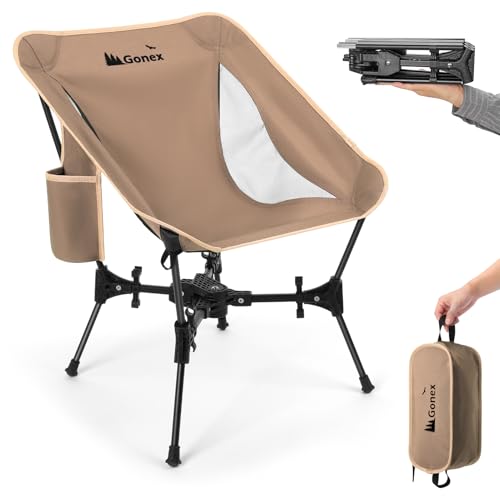

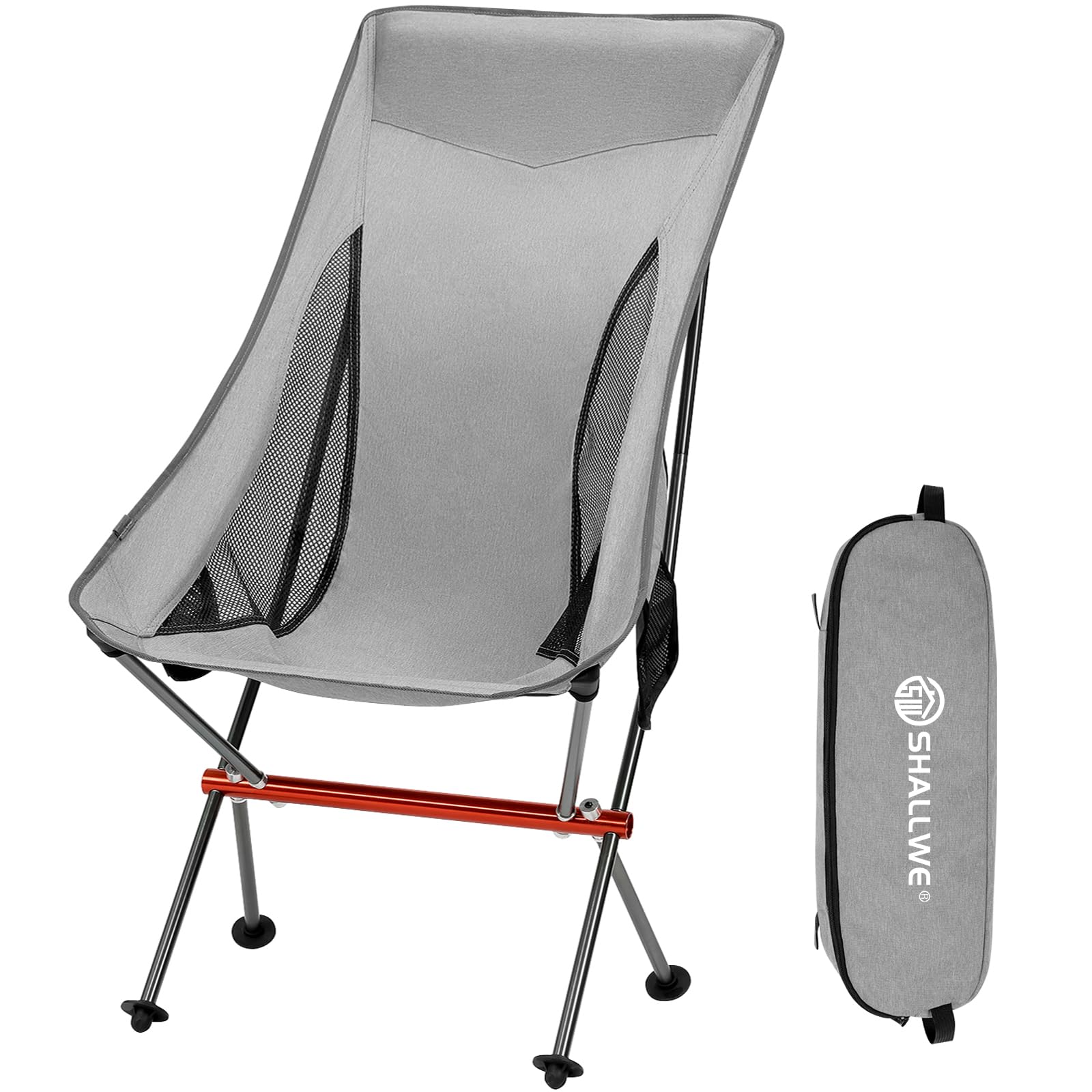


Key Features to Compare in the Best Backpacking Camp Chairs
Use these factors to compare any two chairs fairly. Check the listed packed weight and packed size rather than trusting a general claim, and remember that the weight of the carry bag counts too when the chair goes in your pack.
Packed Weight and Packed Size
Packed weight is the first number most backpackers check, and for good reason. A chair that weighs about 1 to 2 pounds feels very different after ten miles than one that weighs about 3 to 4 pounds, especially when your pack is already full. Packed size matters just as much, since a long, bulky bundle can be hard to strap to a small pack even if it is light. Look for a packed length that fits inside your pack or straps neatly along its side without swinging.
Frame Strength and Stability
Most backpacking chairs use aluminum or carbon fiber poles joined by shock cord, with fabric that tensions the frame when you sit. Aluminum frames are the common choice because they balance weight, cost, and durability, while carbon fiber frames save weight at a higher price. Stability on uneven ground matters more than raw strength on a flat floor, so look at the foot design. Wide feet spread the load on soft soil, while narrow feet can sink into sand or mud.
Seat Comfort and Support
Comfort in a trail chair comes from seat shape, back height, and fabric tension rather than from thick padding. A seat that is too deep can press behind your knees, while a seat that is too narrow squeezes your hips on a long evening. Back height decides whether you can lean back and relax or only perch upright, and taller backs add weight and packed length. Mesh panels help on warm days by letting air move, while solid fabric blocks wind better on cool evenings.
Setup and Pack Down
A chair that takes five minutes to assemble will stay in your pack more often than one that opens in under a minute. The fastest designs use a hub or a folding frame that snaps open in one motion, while pole and sleeve designs take longer and can frustrate tired hands in cold weather. Practice the setup at home before your first trip, and time the pack down as well, since a chair that is hard to fold away can slow a morning departure. See our guide to the best lightweight camp chairs for more on designs that prioritize fast packing.
Fabric and Weather Resistance
Seat fabric takes sun, rain, dirt, and campfire sparks, so its weight and weave deserve attention. Heavier fabric usually lasts longer and feels sturdier, but it adds ounces and bulk. Lighter fabric packs smaller but may stretch over time and feel less supportive. For chairs meant for general camp use rather than the trail, see our guide to the best outdoor camp chairs.
Weight Capacity and Fit
Weight capacity is a comfort and durability limit, not a suggestion, so choose a chair rated comfortably above your body weight plus the clothes and gear you sit with. A chair loaded near its limit will flex more, feel less stable, and wear out faster. Fit matters alongside capacity: seat width, seat height, and back height should suit your frame, and taller campers often need a higher back and a longer seat. If you are between sizes, the roomier option usually serves better for long sits, while the smaller option wins when pack space is tight.
Spending Levels: What Your Money Gets You
Lower Cost Chairs: Light on Price, Heavier on the Trail
Lower cost chairs usually use simple aluminum frames and basic fabric, and they often weigh more and pack larger than pricier models. They can still serve well for short walks to a nearby site or for car camping trips where weight matters less. The trade offs tend to show up in setup speed, fabric life, and comfort over long evenings, so weigh those against the savings. If you camp only a few times a year, a lower cost chair may be all you need.
Middle Cost Chairs: The Balanced Choice for Most Backpackers
Middle cost chairs are where most backpackers find the best balance of weight, comfort, and durability. Frames get lighter and stronger, fabrics feel more supportive, and setup designs get quicker and more reliable. This range also tends to offer more choice in seat height and back height, which helps if you are tall or prefer a higher seat. For regular weekend trips, this level usually gives the best value over several seasons of use.
Higher Cost Chairs: Paying for Ounces and Refinement
Higher cost chairs chase every saved ounce with lighter frame materials and carefully cut fabric, and they often pack down smaller than anything else. The gains are real but small in absolute terms, so they matter most to long distance hikers who count every ounce. Extra cost can also buy better stitching, stronger joints, and a more polished setup, which adds up over hundreds of nights. If you hike rarely, the difference may not justify the price, so match the spend to your trip frequency.
Quick Buyer Checklist
Run through these questions before you buy, and answer each one honestly for your own trips:
- Does the packed weight fit your total pack weight budget?
- Does the packed size fit inside your pack or strap on securely?
- Is the seat height comfortable for sitting down and standing up?
- Does the weight rating leave room above your body weight?
- Can you set it up and pack it away quickly, even with cold hands?
- Will the feet stay steady on the soft or uneven ground where you camp?
- Does the fabric suit the weather you usually camp in?
- Is there a warranty that covers frame failure, and for how long?
Red Flags to Watch For
Be cautious of chairs that list no packed weight or packed size, since those numbers are essential for a backpacking choice and their absence suggests the maker would rather you did not check. Vague fabric descriptions without a weight or weave detail are another warning sign, as are weight ratings that appear without any explanation. Very short warranties on the frame can signal a maker that does not expect the chair to last, and reviews that all sound alike may not reflect real trail use. Finally, avoid chairs whose setup needs tools or loose parts you could lose at a dark campsite.
How to Make Your Backpacking Camp Chair Last Longer
Shake out dirt and sand after each trip, since grit wears fabric and grinds joints over time. Let the chair dry fully before you store it, and keep it in a dry place away from long sun exposure, which weakens fabric. Check the frame joints and pole ends now and then, and tighten or replace worn shock cord before it fails on the trail. For a chair you use at drive up sites as well, see our guide to the best folding camp chairs.
Frequently Asked Questions
Is an expensive backpacking camp chair worth it?
An expensive chair is worth it mainly when you hike long distances often, since the weight and packed size savings add up over many miles. For occasional short trips, a middle cost chair usually gives nearly the same comfort for less money. Consider how many nights a year you will use the chair, and divide the price by that number to see the real cost per trip. Also weigh durability, since a chair that lasts five seasons can cost less per trip than a cheaper chair replaced every year.
How do I choose the right size backpacking camp chair?
Choose by seat width, seat height, and back height rather than by the folded size alone. Measure your hip width and compare it with the seat width, leaving a little room so the fabric does not squeeze you. Seat height matters for knees and for getting up easily, and taller campers often prefer a higher seat. If you can, sit in the chair before buying, or check the return policy so you can try it at home and send it back if the fit is wrong.
How long should a good backpacking camp chair last?
A well made chair used on regular weekend trips can last several seasons, often about three to five years, depending on care and use. Sun exposure, moisture left in storage, and rough handling shorten its life more than normal sitting does. Fabric usually wears before the frame, so inspect seams and pole pockets each season. Replacing worn shock cord and patching small tears early can add a year or more to a chair that is otherwise sound.
What features matter most for long hours in a backpacking camp chair?
For long sits, seat shape and back support matter more than extra padding, which adds weight without always adding comfort. A back high enough to support your shoulders, fabric that stays taut, and a seat that does not press behind your knees make the biggest difference. Armrests help some campers relax, but they add weight and bulk, so decide whether you truly use them. A footrest is rarely worth the extra weight on the trail, so skip it unless you know you will use it every evening.
Can I use a backpacking camp chair for car camping too?
Yes, a backpacking chair works fine for car camping, though it will feel smaller and lower than a dedicated car camping chair. The trade off is comfort against portability, so for drive up trips where weight does not matter, a larger chair may suit you better. Many campers keep both types and choose by trip: the light chair for the trail and the roomy chair for the car. If you buy only one chair, pick the one that matches the trips you take most often, not the trips you dream about.
Wrapping Up
The right chair is the one that fits your pack, your body, and your camping style, not the lightest or the cheapest option on its own. Compare packed weight and size first, then seat fit and frame stability, and let spending follow how often you hike. Check the product table above once more, run through the checklist, and choose the chair you will actually carry and enjoy. The best backpacking camp chairs are the ones that make camp more comfortable without making the trail harder.