
Best Backpacking Shoes 2026: How to Pick the Right One
Disclosure: We may earn a commission when you buy through links on this page, at no extra cost to you. As an Amazon Associate I earn from qualifying purchases. Learn more

Compare weight, grip, ankle support, and waterproofing to choose backpacking shoes that keep your feet comfortable over long trails and heavy loads.
Choosing best backpacking shoes shapes every mile of a trip, because sore feet cut a journey short faster than any other gear problem. Shoes, trail runners, and light boots each suit different loads, terrain, and ankle needs. The table below shows the main types, and this guide helps you match one to your trail.
Start with your typical load, your daily distance, and the terrain you walk most. A light weekend load on smooth trails needs very different footwear from a week long route over rough ground with a heavy pack. Those three facts decide weight, support, and sole stiffness before you look at brands.


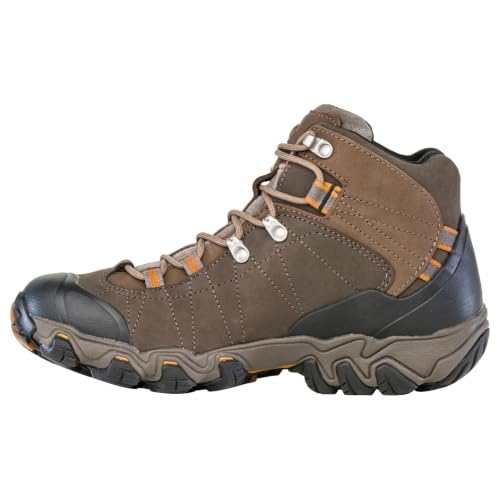


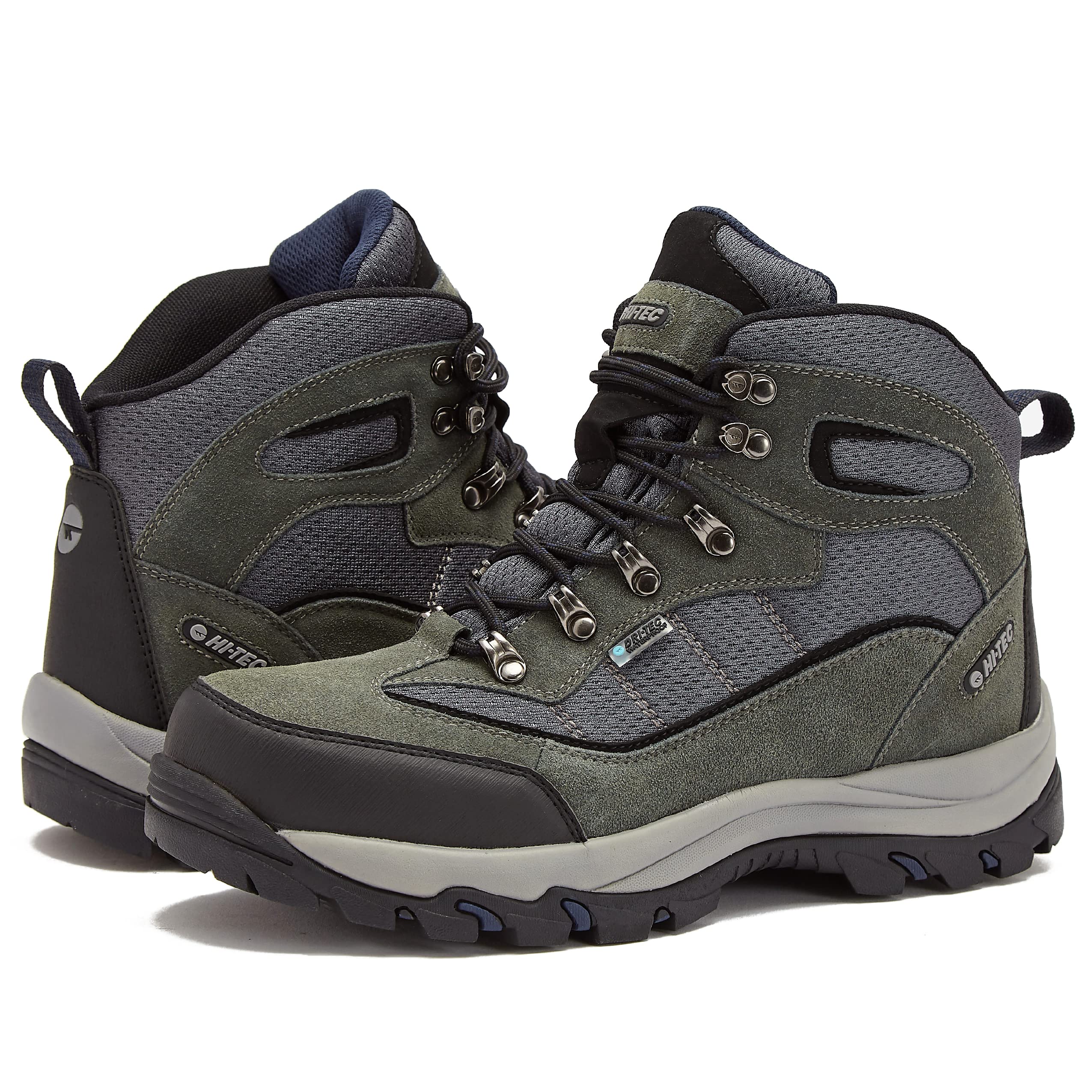
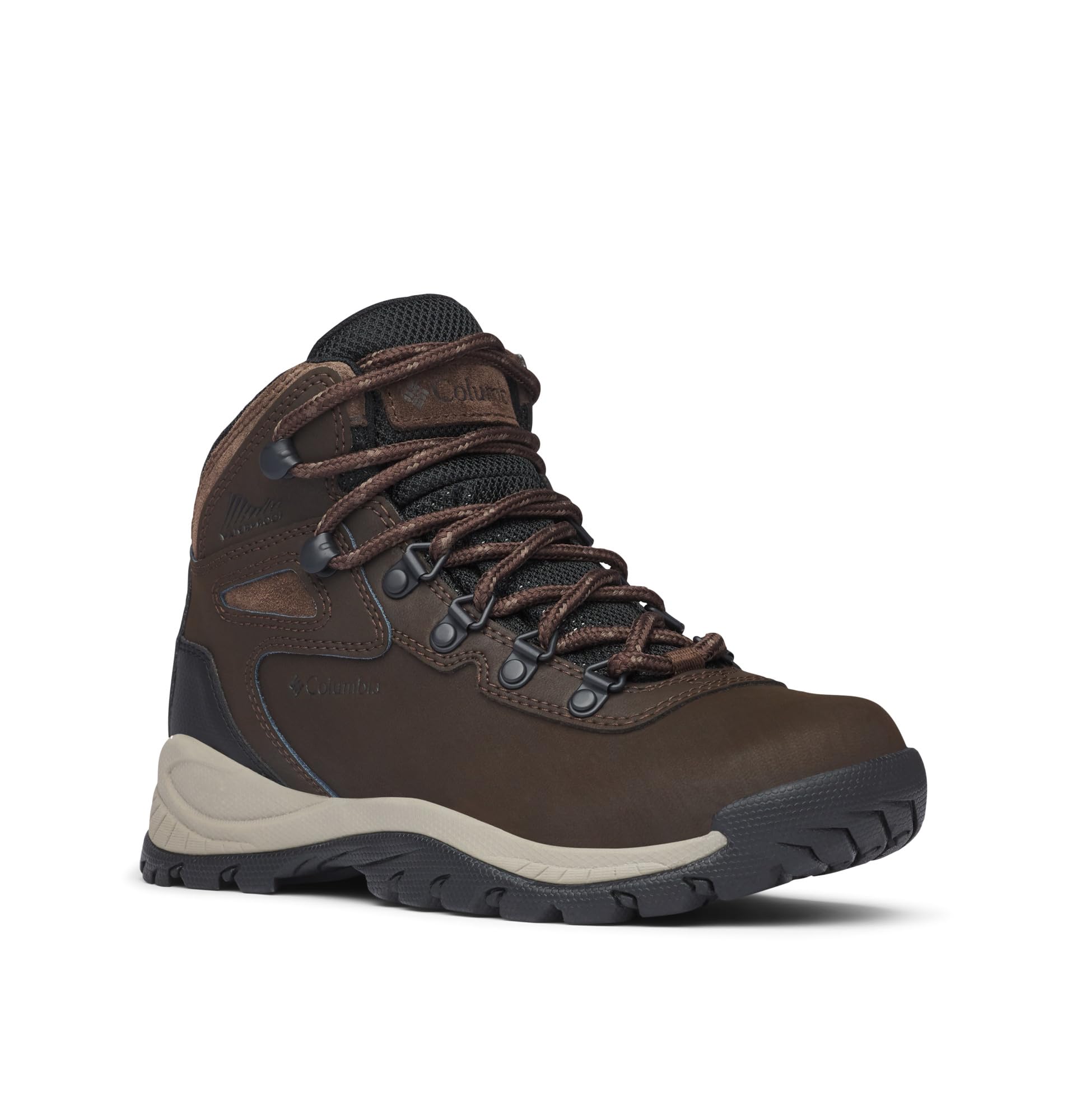

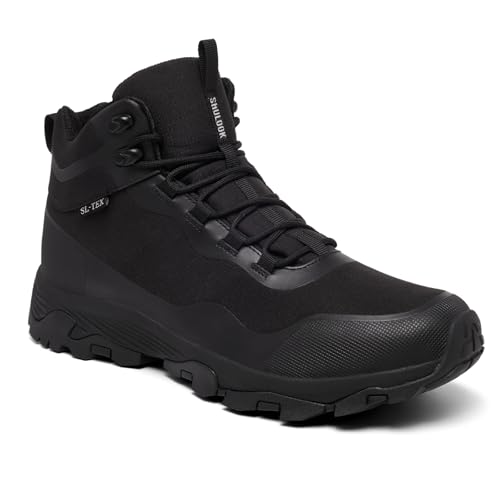
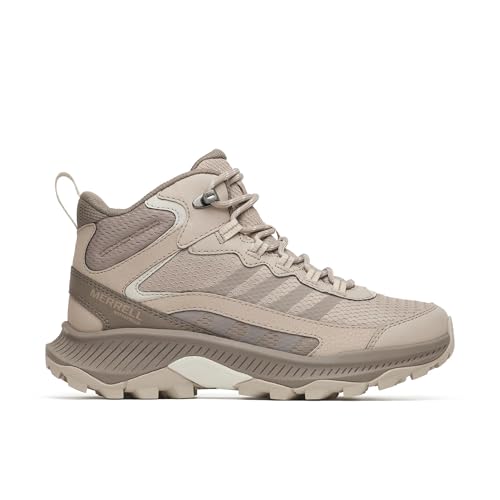

Who Should Buy Which Backpacking Shoes?
Day hikers and light pack walkers often do best with trail runners or light hiking shoes. They are soft, breathable, and kind to feet over moderate distances, and they dry faster after stream crossings. They suit smooth to moderately rough trails when your pack stays light.
Multi day walkers with heavier packs usually need sturdier shoes or light boots with firmer midsoles. A firm platform spreads pack weight, protects feet from sharp rocks, and resists twisting on uneven ground. Ankle support helps when the trail is rough or your ankles have felt unstable before.
Walkers with foot pain, weak ankles, or a history of sprains should favor support and fit over weight savings. A higher cut, a firm heel counter, and room for an insole can matter more than a few saved grams. If pain persists, talk with a clinician about footwear and insoles before a long trip.
Weight, Support, and Sole Stiffness
Weight matters because every extra gram gets lifted thousands of times a day. Light shoes reduce fatigue on long days, but ultralight shoes may lack the protection and durability a heavy pack demands. Balance weight against load: the heavier your pack, the more shoe structure earns its weight.
Sole stiffness controls how much you feel rocks and roots through the shoe. A stiff sole protects feet on rough ground and reduces fatigue on long descents, while a flexible sole feels natural on smooth trails. Twist the shoe gently in the shop: a backpacking shoe should resist twisting more than a road running shoe.
Ankle height is a personal choice, not a rule. High cuts add a sense of stability and keep debris out, but they do not replace ankle strength or careful foot placement. Low shoes give freer movement and better ventilation. Try both on rough ground if you can, and trust your own ankles over generic advice.
Grip, Waterproofing, and Fit
Outsole grip decides confidence on wet rock, mud, and loose gravel. Deep, well spaced lugs shed mud and bite into soft ground, while softer rubber grips rock better but wears faster. Match the lug pattern to your terrain: aggressive lugs for mud, sticky rubber for rock, and a balanced pattern for mixed trails.
Waterproof membranes keep feet drier in rain and wet grass, but they also trap heat and slow drying once water gets in over the top. In hot climates, breathable non waterproof shoes with quick drying socks often feel better. In cold, wet conditions, waterproof shoes plus gaiters protect warmth and comfort.
Fit beats every other feature. Shoes should hold the heel firmly, give toes room to spread, and avoid pressure on the top of the foot. Try shoes late in the day, with your hiking socks, and walk up and down a slope in the shop. A thumb width of room ahead of your longest toe prevents bruised toenails on descents.
Breaking In and Trail Care
Break shoes in gradually with short walks before a long trip. Wear them around the house, then on local trails, building distance over a week or two. Even comfortable shoes can rub in new places, so carry blister care on early outings and stop to adjust socks and laces at the first hot spot.
Lacing technique fine tunes fit. A heel lock loop reduces heel slip on descents, while skipping a crossing over a sore spot relieves pressure without loosening the whole shoe. Learn two or three lacing tricks before your trip, since small adjustments solve many fit complaints on the trail.
On the trail, keep shoes as dry as you can, air them at camp, and remove insoles to dry overnight. Clean mud from lugs after wet days so grip stays effective. At home, clean gently, air dry away from direct heat, and replace shoes when the midsole feels flat or the outsole is worn smooth.
Budget and Common Mistakes
Good backpacking shoes span a wide price range, and mid range shoes often deliver the best balance of durability and comfort. Very cheap shoes may use foam that flattens quickly under a pack, while premium shoes add durability and refined fit that frequent walkers notice. Buy for your yearly mileage, not for a single trip.
A common mistake is buying shoes a full size too small because they feel snug in the shop. Feet swell during long days, so room matters. Another mistake is choosing heavy boots for smooth trails, which tires legs for no benefit. Match the shoe to the trail you walk most, not the hardest trail you imagine.
Finally, remember socks and insoles as part of the system. Moisture wicking socks reduce blisters, and a supportive insole can transform an average shoe. Test shoes with the socks and insoles you will actually wear, since changing them later changes the fit.
A Final Check Before You Buy
Test shoes on terrain that resembles your planned trail, not only on shop floors, since slope, mud, and loose rock reveal fit problems that flat floors hide. Walk up and down a slope, cross uneven ground if possible, and notice heel slip, toe contact, and pressure points. A short outdoor test before a trip prevents blisters that a shop walk cannot predict.
Carry a simple foot care kit on every hike, including blister patches, tape, and a spare pair of socks, because early treatment stops small hot spots from becoming trip ending blisters. Stop at the first sign of rubbing, adjust laces, and change damp socks before discomfort grows. Foot care is a skill, and it improves with every trip.
Consider gaiters for dusty, muddy, or snowy trails, since they keep debris out of shoes and protect lower legs from scratches and wet brush. Low gaiters suit dusty paths, while taller gaiters suit snow and deep mud. Gaiters add little weight and save considerable discomfort on the right terrain.
Finally, rotate shoes between trips when possible, allowing midsoles and uppers to dry fully and recover their shape. Shoes that never dry fully wear faster and develop odors, while rested shoes last longer and feel fresher. Rotation also lets you compare fits and keep a backup pair ready for the next adventure.
Related Guides to Compare
Good feet are only part of trail comfort. See our guides to best backpacking sandals for camp footwear, best backpacking pillows and best quilts for backpacking for better sleep after a long day.
Frequently Asked Questions
Should I choose hiking shoes or boots for backpacking?
You should choose hiking shoes for light packs and smoother trails, and boots for heavy packs, rough terrain, or ankles that need extra support. Shoes feel lighter and dry faster, while boots add structure and debris protection. Match the choice to your pack weight and trail roughness, not to tradition.
How do I prevent blisters on long hikes?
You prevent blisters by wearing well fitted shoes, moisture wicking socks, and stopping at the first hot spot to adjust laces or add blister care. Break shoes in before a long trip, keep feet as dry as you can, and change damp socks during the day. Tape known trouble spots before you start walking.
Are waterproof backpacking shoes worth it?
Waterproof backpacking shoes are worth it in cold, wet conditions where warm dry feet matter most. In hot climates they trap heat and dry slowly once wet, so breathable shoes often feel better. Choose waterproofing for your climate and season, not as an automatic upgrade.
How long do backpacking shoes last?
Backpacking shoes last anywhere from a few hundred to over a thousand miles, depending on weight, terrain, shoe construction, and your walking style. Watch for flattened midsoles, worn lugs, and torn uppers as signs of wear. Replace shoes when cushioning feels dead or grip fades, rather than waiting for a failure on the trail.
Do I need special socks for backpacking?
You need moisture wicking hiking socks that fit well and cushion high friction areas, since cotton socks hold sweat and raise blister risk. Merino or synthetic blends work well, and a thin liner under a thicker sock helps some walkers. Always test shoes with the socks you plan to wear on the trail.
Final Thoughts
Fit first, then load, terrain, and climate: that order keeps the choice honest and your feet happy over long days. A shoe matched to your real trips will carry you farther than a heavier or more expensive shoe chosen for imagined extremes. With the table above and the fit checks in this guide, best backpacking shoes become a practical decision you can trust on the trail.


