
Best Camp Shoes for Ultralight Backpacking: Every Type Explained Side by Side for 2026
Disclosure: We may earn a commission when you buy through links on this page, at no extra cost to you. As an Amazon Associate I earn from qualifying purchases. Learn more

Compare types of the best camp shoes for ultralight backpacking, from sandals to light boots, with weight, fit, and traction guidance for your trips.
Ultralight backpackers argue about camp shoes more than almost any other luxury item, because every ounce must justify its ride in the pack. This guide to the best camp shoes for ultralight backpacking compares each type plainly, so you can see what you gain and what you give up. No single type wins for every trip, and that is the point.
Use the comparison table below to spot weight and price ranges, then read the type by type breakdown. Your terrain, season, and foot health should drive the final call.


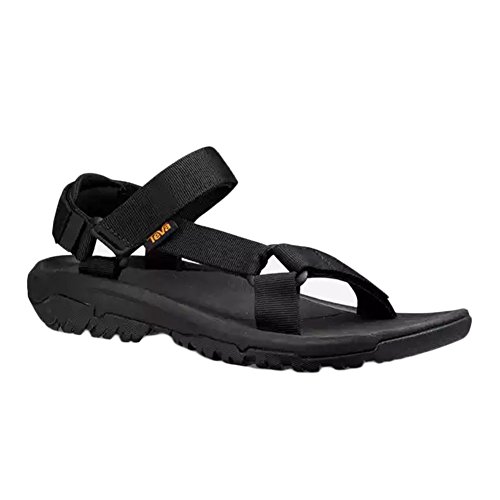

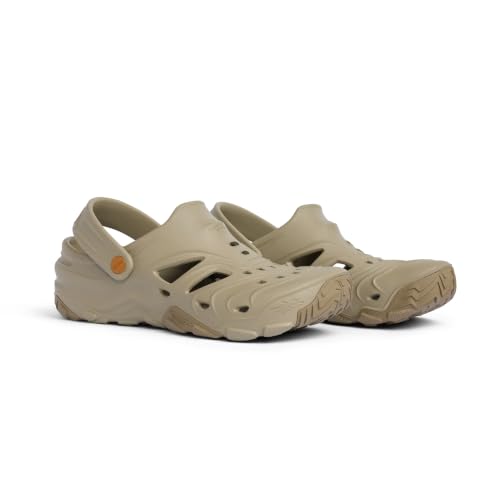


Types of Camp Shoes for Ultralight Backpacking Compared
Four broad types cover nearly every ultralight camp shoe you will find. Waterproof boots protect most and weigh most, stability shoes support tired feet, sandals and recovery footwear breathe and dry fast, and lightweight shoes split the difference. The sections below explain how each type works, where it shines, and who should skip it.
Waterproof Boots
Light waterproof boots built for camp and short walks use a membrane lining to keep dew and shallow water off your socks. They suit cold trips, wet meadows, and camps where you may need to walk a rough path for water. The trade off is weight and slow drying once water enters over the collar. For summer ultralight trips they are usually more shoe than you need, but in late autumn they can protect warmth that sandals cannot.
Stability and Support Shoes
Stability and support shoes use shaped foam, a firmer heel cup, and sometimes a wider base to guide tired feet into a steadier step. They help campers whose arches ache after long descents or who stand a lot while cooking and filtering water. They weigh more than sandals yet far less than boots. If your feet recover well overnight in flimsy footwear, this support is extra weight; if they throb, it can be the difference between a good second day and a limp.
Sandals and Recovery Footwear
Sandals and recovery footwear are the lightest closed decision most ultralight hikers make, and many pairs weigh only a few ounces. Thick, soft soles cushion sore feet, open uppers let toes spread, and nothing traps water after a stream crossing. The limits are protection and grip: toes are exposed to roots and rocks, and smooth soles can slide on wet wood. Campers who want a broader menu of styles can see our guide to the best backpacking camp shoes for designs beyond the ultralight niche.
Lightweight Shoes
Lightweight closed shoes use mesh uppers, thin foam soles, and a flexible build that packs flat against the inside or outside of a small pack. They protect toes, handle short side walks, and dry faster than boots. Traction and support sit in the middle, good enough for camp paths but not for talus or mud. For hikers who dislike exposed toes and want one shoe for camp and an easy summit stroll, this is often the balanced choice.
Waterproof Boots vs Stability and Support Shoes: Which Should You Choose?
Choose waterproof boots when cold and wet ground is your main threat, because keeping feet dry preserves warmth and skin health. Choose stability shoes when fatigue and foot pain are your main threat, because shaped support helps you recover for the next day. Boots win on protection and water resistance; stability shoes win on breathability, drying speed, and usually on weight. On warm three season routes, stability shoes serve most hikers better. On cold, soaked routes with rough camp approaches, boots earn their ounces. Think about which problem showed up on your last trip and buy for that problem, not for a feared one.
How to Choose the Right Camp Shoe
Outsole Traction and Terrain
Match the sole to the ground you will cross after dark. Lugs with real depth and varied edges grip dirt, roots, and wet rock far better than a flat foam bottom. Rubber outsoles outlast bare foam and stay grippy longer, at a small weight cost. If your camps involve river rock or slick bridges, that cost is worth paying. Test traction at home on a wet tile or smooth stone before you trust a pair near a stream bank.
Fit, Sizing, and Toe Box
Try camp shoes in the evening with the socks you plan to wear, because feet swell after miles and heat. Your toes should spread without touching the sides, and the heel should not ride up and down as you walk. A roomy toe box matters more in camp shoes than in trail shoes, since the whole point is letting feet recover. If you use a dedicated ultralight design, see our guide to the best ultralight camp shoes for sizing notes on the lightest styles.
Weight and Flexibility
Weigh the pair, not just one shoe, and weigh them in your size, because listed weights often reflect a sample size. A flexible shoe folds or flattens into a pack more easily and feels less clumsy on tired feet. Very flexible soles, though, let sharp stones press through on rough ground. Aim for the lightest pair that still protects your soles on the terrain you expect, rather than the lightest pair sold.
Features That Matter for Ultralight Backpacking
Ultralight use rewards a few specific traits: a heel strap or closed heel that keeps the shoe on during stream crossings, materials that dry overnight in moving air, and a sole thick enough to blunt stones without adding bulk. A target range many hikers use is about 4 to 10 ounces per pair, with cushioning around the heel where fatigue concentrates. Skip heavy laces, thick padding, and decorative panels, since each adds weight you carry all day for an evening of use.
How to Make Your Camp Shoe Last Longer
Air dry wet shoes away from direct heat, because hot air near a fire can warp foam and crack adhesives. Rinse grit out of straps and soles at home, since trapped sand grinds stitching and foam with every step. Rotate camp shoes with your daily footwear on rest days rather than wearing one pair for every hour of a long trip. Store them uncrushed so the foam keeps its loft, and check soles before each season. A pair that has lost its tread will not regain it, so retire it to garden duty before it fails on a wet night walk.
Frequently Asked Questions
What features matter most in camp shoes for ultralight backpacking?
Low carried weight, fast drying materials, and a sole that grips wet ground matter most. A secure heel fit keeps the shoe on during crossings, and enough cushioning under the heel helps tired feet recover. Toe protection is a bonus on rocky camps. Features like thick padding and fashion panels add ounces without helping any of those jobs, so they are the first things to give up.
How long is the break in period?
Most ultralight camp shoes need almost no break in period, often just one or two evenings at home. Soft foam and mesh should feel kind from the first wear, because you will never log enough camp miles to change a stiff fit. If a strap rubs or a heel slips at home, it will do the same at camp, so exchange the pair early instead of packing it hopefully.
Do I need waterproof shoes?
Only for cold and consistently wet trips do you need waterproof camp shoes. In warm weather a membrane slows drying and adds weight, while an open or mesh design sheds water quickly after crossings. Many ultralight hikers accept wet feet in camp and rely on dry sleep socks at night. Choose waterproofing when keeping feet dry is about staying warm, not just staying comfortable.
How often should I replace my camp shoes?
Replace them when tread smooths out, foam stays flat after a night of rest, or straps begin to tear at their anchors. Ultralight materials trade some lifespan for weight, so a hard season of daily use may be enough to retire a very light pair. Check them before a long trip rather than during it; a failure at a remote camp leaves you with no spare footwear at all.
Can I wear them all day?
You can wear ultralight camp shoes for camp chores and short, gentle walks, but not as your main hiking footwear. Their soles and uppers lack the protection and structure for rough miles, and your feet will feel every stone. Keep trail shoes for the trail; if you need to compare those, see our guide to the best backpacking shoes for what all day footwear must do differently.
How should camp shoes fit?
Camp shoes should fit loose enough for toes to spread and blood to flow freely after a long day. Leave space ahead of your longest toe, keep the heel seated, and avoid any strap pressure across the top of the foot. A fit that feels slightly roomy in the shop usually feels perfect at camp. Socks add bulk, so always judge the fit while wearing your camp socks.
Are expensive camp shoes worth it?
Expensive ultralight camp shoes are worth it when they cut real weight while keeping grip and cushioning that cheaper pairs lose. You pay for better foam, stronger straps, and rubber that lasts, not for the label. If you hike a few weekends a year, a simple pair serves well. Frequent hikers who count every ounce often find the trade fair over a full season.
Wrapping Up
Pick the type first, then chase grams: sandals for the lightest warm weather kit, lightweight shoes for toe protection, stability shoes for sore feet, and boots only for cold wet trips. Check the product table above, weigh your finalists, and remember that the right best camp shoes for ultralight backpacking choice is the one you will still be glad you carried on night five. Complete the light kit picture with our guide to the best ultralight backpacking chairs if camp seating is your next weight decision.


