Best Cameras to Use for Zoom in 2026 Made Simple: A Clear Buying Guide
Disclosure: We may earn a commission when you buy through links on this page, at no extra cost to you. As an Amazon Associate I earn from qualifying purchases. Learn more
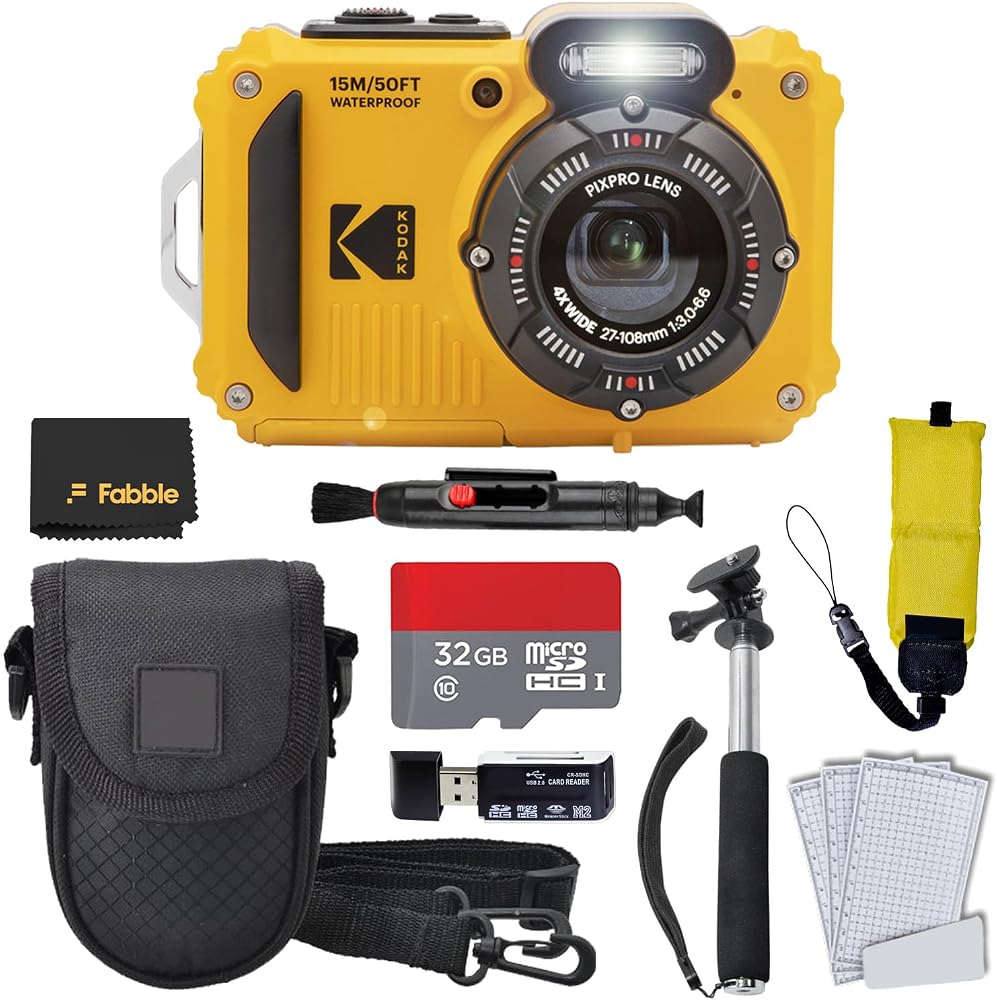
Shopping for the best cameras to use for zoom for the first time? Learn the terms, compare options, and avoid rookie mistakes with this easy guide.
Buying your first zoom camera feels confusing because the box leads with a big zoom number and hides what happens to quality at full reach. The best cameras to use for zoom keep distant subjects clear, steady and easy to frame, and the comparison table below will make more sense once you know the terms.
Think first about what sits far away from you, such as a bird on a branch, a child on a field, or a landmark across a valley. Your subject, light and walking distance will decide which type fits you best.



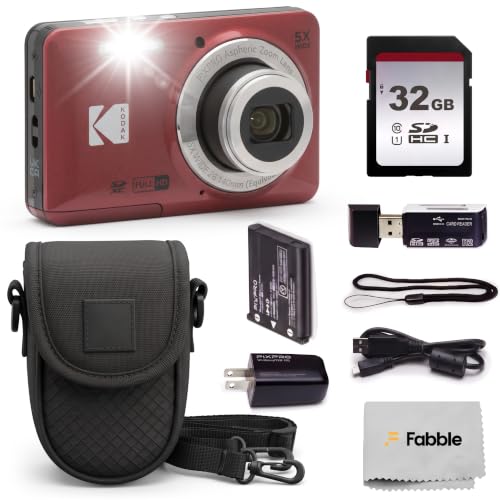


Who Should Buy Which Camera for Zoom Work?
Match the camera type to the distance you shoot most often. A camera that feels perfect on a trip can feel bulky at a school event.
First Time Buyers Who Shoot Travel and Wildlife
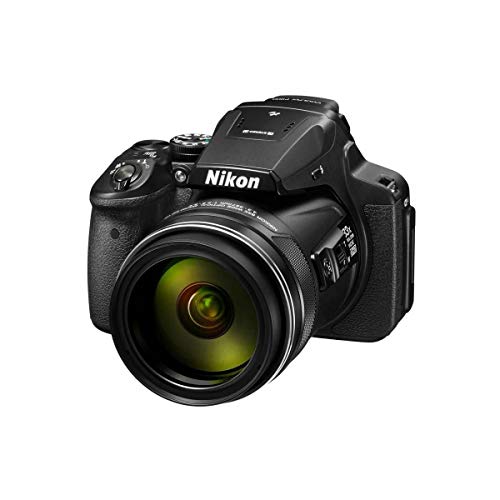
You want one camera that covers wide scenes and distant details without a bag of lenses. A bridge style camera with a fixed lens and long optical range suits you well and lets you learn framing at full zoom before you spend more.
Parents Who Photograph Sports and School Events
You often shoot from a seat or a sideline while action moves fast. Prioritize quick autofocus that tracks a moving subject and a grip you can hold steady for a full game. Tracking matters more here than saving a little weight.
Travelers Who Walk All Day With One Camera
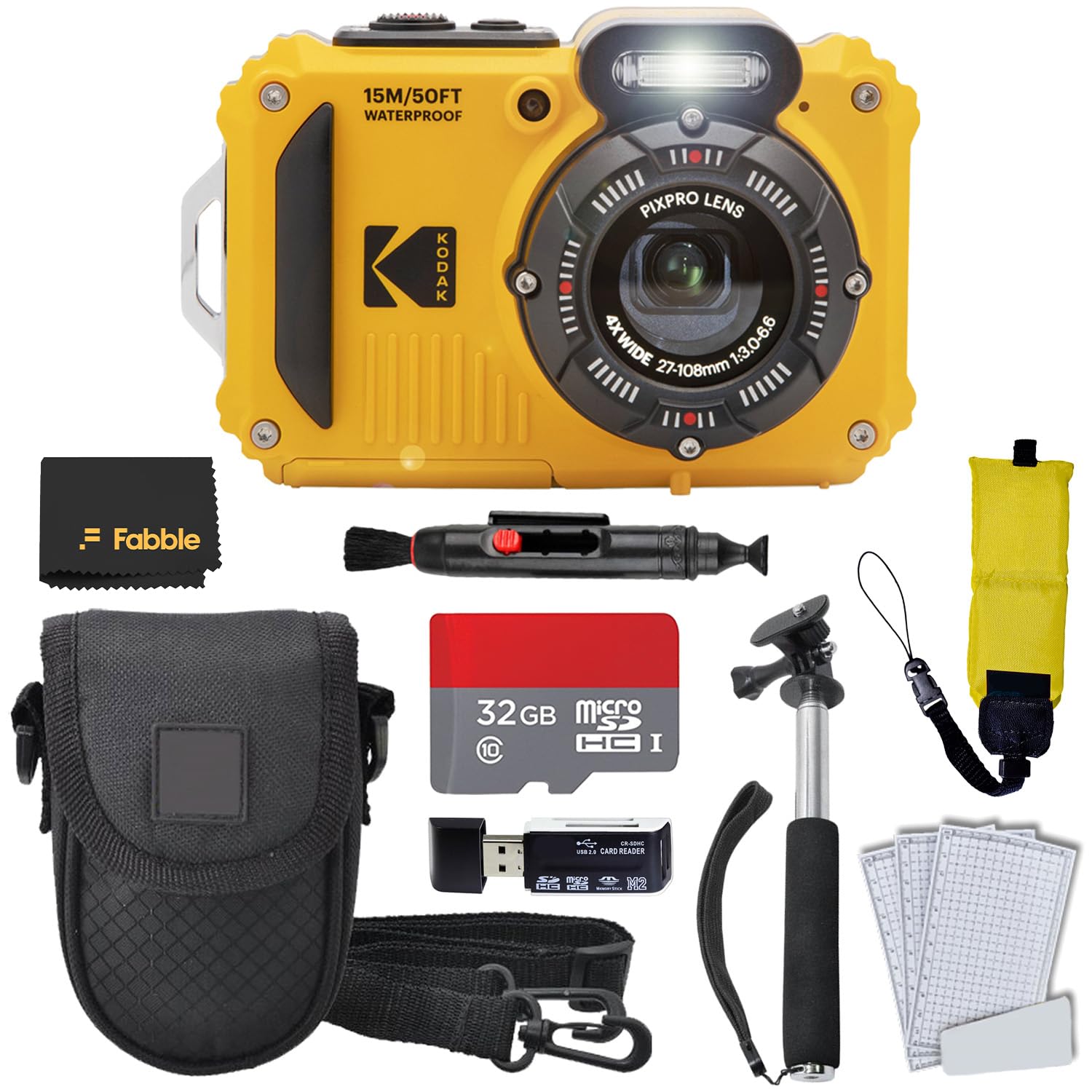
You carry your camera for hours and shoot buildings, streets and distant views in the same walk. A smaller sensor compact with moderate optical range will feel easier on your shoulder. Choose strong stabilization and accept less reach for comfort.
Cameras 101: The Basics for Zoom Shooting
A zoom lens changes focal length, so your subject fills more or less of the frame without you moving closer. Short settings near 24 mm show a wide scene, while long settings near 400 mm or beyond pull a distant subject close. Optical zoom moves glass inside the lens and keeps full detail. Digital zoom crops the middle of the image, so detail falls as you push it further. For general context, see our guide to the best cameras to use.
Cameras for zoom work come in three broad types. Compact and bridge cameras have a fixed lens, so reach is built in. Mirrorless and DSLR cameras use changeable lenses, so reach depends on the telephoto lens you mount. A phone mostly crops beyond its fixed lenses, which is why a dedicated camera wins at long distance.
Zoom Numbers Translated Into Plain Terms
Read the specs in this order, starting with true optical reach. A large number only helps if focus, light and stability hold up at the longest setting.
Optical Zoom Range and Focal Length
Zoom is shown as a ratio such as 24x or 40x and as a focal range such as 24 to 960 mm in 35 mm terms. The ratio compares the longest setting with the widest one, while the long end tells you how close a distant subject will appear. For birds and sports, the long end matters most, and a wide start near 24 mm helps for rooms and streets. Among the best cameras to use for zoom, compare the long focal length first.
Sensor Size and Image Quality at Full Zoom
Sensor size controls how much light the camera gathers and how clean the image stays. Small sensors near 1/2.3 inch allow very long reach in a small body, but show more grain in dim light. A 1 inch sensor gives cleaner files with moderate reach. APS C and full frame sensors give the cleanest results, but their telephoto lenses grow large and costly. Megapixel count matters less.
Autofocus Speed and Subject Tracking at a Distance
Autofocus has to lock onto a small, often moving subject and hold it as you zoom. Look for face and eye detection for people and animal eye detection for wildlife, because these modes place focus where viewers look first. Tracking that stays active while you zoom helps at sports, and many focus points across the frame give you more room to compose.
Image Stabilization for Handheld Zoom Photos
Image stabilization moves the lens or the sensor to counter hand shake, and that shake grows stronger as focal length grows. At 400 mm or more, a tiny tremor can move the subject away from the center of the frame. Either system lets you use a slower shutter speed handheld and keep more shots sharp, so treat it as essential.
Aperture and Low Light Performance When Zoomed In
Most zoom lenses grow darker as you extend them, so the widest aperture may be about f2.8 at the wide end and about f5.6 or f6.3 at full zoom. A darker lens forces a higher ISO setting or a slower shutter speed in shade, at dusk or indoors, which adds grain or motion blur. If your events happen in gyms, favor a brighter lens or a larger sensor over extra reach.
Size, Weight and Ease of Use for Your Skill Level
A long zoom camera only helps if you carry it and can change settings without stress. Bridge cameras often weigh about 1 to 2 pounds, while a mirrorless body with a telephoto lens can weigh much more. Check grip depth with the lens at full zoom, because balance shifts forward. Strong auto modes and simple WiFi transfer help new buyers share photos fast. See our guide to the best digital cameras.
Getting Started: Setup and First Use With a Zoom Camera
Charge the battery fully, set the date and choose the largest image size and best quality before your first outing. Turn on stabilization, set autofocus to continuous for moving subjects or single for still subjects, and practice with the zoom lever. Take test shots at the wide, middle and longest settings at home, then view them at full size to see how hand shake affects your results.
Keep a spare battery and a spare card in your bag, because long zoom shooting fills both faster than casual snapshots. For models built around a fixed long lens, see our guide to the best zoom lens cameras.
Common Mistakes to Avoid
- Judging a camera by digital zoom alone gives you enlarged crops with soft detail at the distances you care about most.
- Buying the longest reach without stabilization leaves handheld shots blurred, even on a bright day.
- Ignoring the aperture at full zoom leaves indoor and evening photos grainy or blurred by slow shutter speeds.
- Holding a long camera by the body only, with no support under the lens, tires your arms and adds shake.
- Cleaning the front glass with a shirt scratches the coating and leaves smears that glow in backlight.
- Zooming fully for every shot makes framing hard and cuts out context that helps viewers understand the scene.
Care and Maintenance for Zoom Cameras
Use a lens cloth or a blower for the front glass, never your shirt, and keep the lens cap on in a bag. Zoom lenses can draw in dust as they extend, so retract the lens before storage and avoid changing lenses in wind or near sand.
Store the camera dry, remove the battery for long breaks, and carry a simple plastic bag outdoors as rain cover, because many zoom models offer limited weather sealing or none. For reach based on true glass movement, see our guide to the best optical zoom cameras.
Frequently Asked Questions
What features matter most in cameras for zoom for first time buyers?
True optical reach, stabilization and autofocus matter most for first time buyers. Start with the long focal length you need, then confirm the camera can hold focus at that length. A useful extra is a snap back zoom button, which briefly widens the view so you can find a lost subject.
How much should you spend on your first camera for zoom?
Most first time buyers spend about $300 to $800 for a capable fixed lens zoom camera. Lower budgets trade away sensor size or stabilization, while higher budgets mainly buy a larger sensor or a changeable lens system. Set aside a small part of your budget for a spare battery and a case.
What specs matter most for beginners buying a camera for zoom?
Beginners should focus on optical zoom range, stabilization and simple auto modes before megapixel count. A spec sellers rarely highlight is the minimum focus distance at full zoom, which tells you how close you can stand for small subjects like butterflies. If that distance is several feet, step back a little first.
Which camera type is better for low light zoom photos?
A changeable lens camera with a larger sensor and a bright telephoto lens is better for low light zoom photos. Fixed lens models with small sensors need higher ISO settings sooner, so grain appears earlier at dusk. Bracing your elbows against your body or a rail adds steadiness no menu setting can replace.
What does a 24x or 60x optical zoom rating mean on a camera?
A 24x or 60x rating means the longest focal length is 24 or 60 times the widest focal length. It does not tell you the actual reach until you check the focal range in millimeters. Two cameras can both claim 40x yet end at different long settings, so compare the millimeter numbers.
Is a smartphone enough instead of a camera for zoom?
A smartphone is enough for mild cropping and nearby subjects, but not for sharp photos of distant action or wildlife. Beyond its fixed lenses, a phone crops the image and loses detail quickly. A dedicated camera also gives you a real grip and, on many models, an eyepiece viewfinder for bright sun.
Our Verdict
For most new buyers, the winning balance is honest optical reach, strong stabilization and autofocus that tracks without a fight. Pick a fixed lens model for simple travel and wildlife, and pick a changeable lens system only if you accept larger lenses for cleaner low light files. Check your short list against the product table above.
Chosen that way, the best cameras to use for zoom become a tool you trust at full reach, not a spec sheet you regret. Start with the subject distance you shoot most, and leave a little reach in reserve.