
Best 10x Optical Zoom Cameras in 2026: Buying Guide
Disclosure: We may earn a commission when you buy through links on this page, at no extra cost to you. As an Amazon Associate I earn from qualifying purchases. Learn more

Travelers and parents can pick the best 10x optical zoom cameras by checking sensor size, aperture, stabilization and 4K video.
A 10x zoom sounds simple, yet two cameras with the same magnification can feel very different in low light. The best 10x optical zoom cameras pair that reach with a sensor, lens and controls that still deliver clear photos at full zoom. Use the product table to check the basics before you judge any single model.
Start with how you shoot most often. Travel, family events, school sports and wildlife in a park all reward reach, but they differ in light, speed and carrying distance. The checklist below matches each need to sensor size, aperture, stabilization, autofocus, video and battery life.

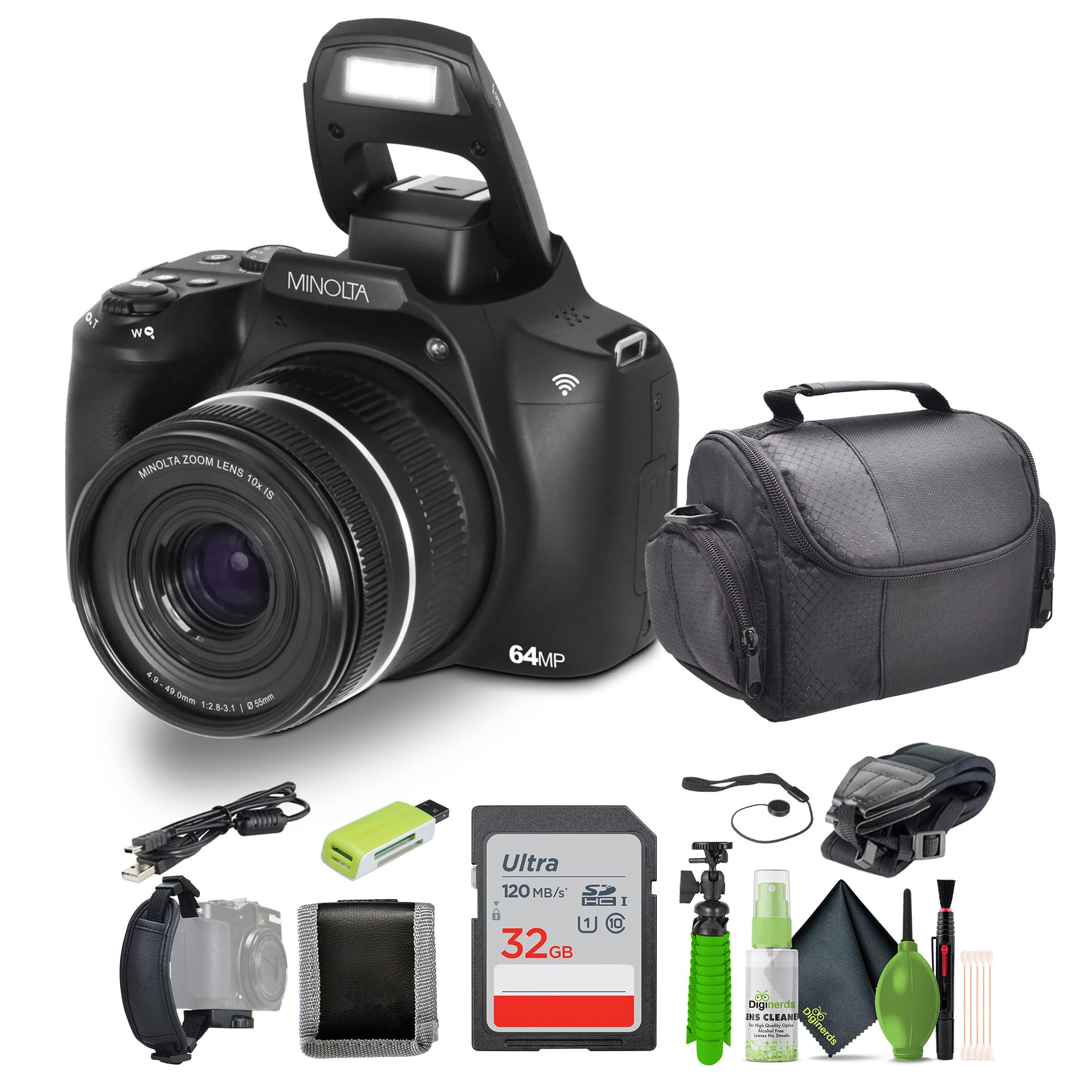


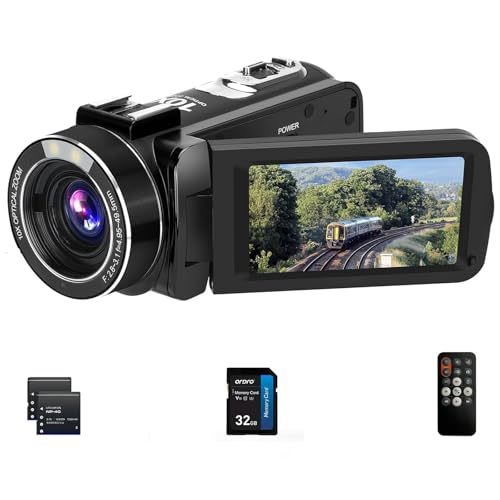
Who Should Buy a 10x Optical Zoom Camera?
Pick by the outing you repeat most often. Reach matters to every group below, but size and speed change which style suits you best.
Travelers Who Want Reach Without a Lens Bag
You walk all day and want landmarks, street scenes and distant details from one small camera. Choose a slim point and shoot compact that slips into a jacket pocket. Prioritize optical image stabilization and a lens that opens wide at the short end for shaded streets. A weight of about 7 to 12 ounces keeps the camera easy to carry.
Parents Recording Family Events and School Sports
You shoot indoors, on fields and from seats where you cannot move closer. Choose strong autofocus tracking, a fast burst mode and stabilization that holds the frame steady at full zoom. A tilting screen helps when you hold the camera above a crowd. Look for simple auto modes for quick moments.
Creators Who Film as Much as They Photograph
You want clips of trips, tutorials or daily life with subjects you can bring closer without walking. Choose a model from the vlogging cameras group, with a flip screen, clear audio options and steady video at full reach. A microphone input matters if you speak on camera. Check heat and record limits before long sessions.
Key Features to Compare
Compare these factors in the same order each time. Zoom range alone tells you how close a subject can appear, not how sharp or steady the result will be.
Sensor Size in a Slim Zoom Body
Sensor size shapes detail and low light results more than megapixel count alone. Many slim 10x models use a sensor of about 1/2.3 inch, which keeps the body small but gathers less light. Larger 1 inch sensors cost more and make the camera thicker, yet they hold detail better indoors and give cleaner files for prints. If you shoot mostly in daylight, the smaller sensor can be enough. If evenings matter, pay for the larger sensor first.
Lens, Zoom Range and Aperture
A 10x optical zoom often covers about 24 to 240 mm or 25 to 250 mm in full frame terms, moving from wide scenes to distant subjects without swapping lenses. Check the aperture at both ends, because many lenses start around f/2.8 to f/3.5 and narrow to about f/5.6 to f/6.9 at full zoom. That narrowing means less light reaches the sensor when you zoom in. Prefer a lens that stays brighter at the long end if you shoot indoors.
Autofocus and Image Stabilization
At full zoom, small hand movements look large and a moving subject leaves the frame quickly, so autofocus and image stabilization work as a pair. Optical stabilization steadies the view and helps you use slower shutter speeds for still subjects. Fast autofocus with face and eye detection keeps people sharp, while subject tracking helps with children and pets. A camera that hunts for focus will miss brief moments.
Video Capabilities for 4K and Everyday Clips
Many current models record 4K video at 30 frames per second, and some offer 60 frames per second for smoother motion. Check whether 4K uses the full zoom range, whether stabilization stays active and whether a microphone input and flip screen are included. Those details decide if the camera suits talks to camera as well as travel clips. If video is your main use, see our guide to the best optical zoom video camera.
Battery Life, Charging and Ease of Use
Compact zoom cameras often deliver about 250 to 350 shots per charge, and video, flash and screen use shorten that figure. USB C charging lets you top up from a power bank during a trip. Controls should fit your skill level, with clear auto modes, a zoom lever you can reach without shifting your grip and a menu you can learn quickly. App transfer should be simple if you share photos the same day.
Three Styles of 10x Zoom Camera and Who Each One Suits
Slim compacts are the easiest to carry, but their small sensors limit low light results and their controls are basic. They suit travel and family snapshots where being present matters more than editing files later. If you want a pocket model above all else, see our guide to the best compact optical zoom digital cameras.
Bridge style cameras look like small mirrorless cameras, with a firm grip, a viewfinder and a larger body that balances better at full zoom. The viewfinder helps in bright sun when a rear screen washes out, and some models add splash sealing for damp days. They give up pocket size, so choose one only when you will carry a strap or small bag.
Vlogging oriented models add a flip screen, strong video tools and often better audio, while photo controls may be simpler. They suit creators who film themselves and need to check framing alone. That view helps when you compare best 10x optical zoom cameras across styles, because the right choice follows your main subject. For wider zoom reach beyond this class, see our guide to the best optical zoom cameras and our guide to the best cameras for zoom.
Checks to Run Through for Your Typical Shooting Day
Answer each point for your most common day of shooting.
- Does the lens cover the distances you shoot most, from wide scenes to distant subjects?
- Is the sensor large enough for your usual light?
- Does stabilization stay active for both photos and video at full zoom?
- Can autofocus track your usual subject, such as a child, pet or player?
- Does the screen tilt or flip as your style needs?
- Will the battery last your usual outing, with a spare or USB C charging as backup?
- Does the body fit your hand and your bag without feeling like a burden?
Common Mistakes to Avoid
These errors are common because zoom numbers are easy to misread.
- Counting digital zoom as reach makes distant photos look soft, because the camera only crops and enlarges the image.
- Ignoring aperture at full zoom leaves indoor shots dark or blurred, because the lens gathers far less light there.
- Choosing by megapixels alone wastes money, because sensor size and lens quality shape detail more at this level.
- Skipping a viewfinder on bright trips makes framing hard, because glare can wash out the rear screen.
- Buying the smallest body for large hands causes shaky shots, because a cramped grip is hard to hold steady.
- Trusting vague zoom claims without a stated focal range risks disappointment, because the true optical range may be shorter.
Care and Maintenance for a 10x Zoom Camera
Clean the front of the lens with a soft lens cloth, not your shirt, because grit on fabric can scratch the coating. Use a blower first for dust, keep the lens barrier closed in a bag and store the camera in a dry, padded case. Retract the zoom before storage so the barrel is protected.
Carry a spare battery on long days and charge batteries before they sit empty for months. Keep the camera away from sand, because grains can jam the zoom mechanism as it moves. Wipe the body after damp weather and let it air before you seal it in a case.
Frequently Asked Questions
Is a smartphone enough instead of a 10x optical zoom camera?
A dedicated camera is still worth it when you zoom often. Phones rely heavily on cropping and software for long reach, while a true optical lens keeps more detail at a distance. You also gain a zoom lever and a firmer grip. Keep your phone if you rarely zoom past people and rooms nearby.
How much should I spend on a first 10x optical zoom camera?
Plan on about $300 to $500 for a solid first camera with a smaller sensor. That range usually brings reliable auto modes, useful stabilization and 4K video. Spend more only for a 1 inch sensor, a viewfinder or better video tools you know you will use. Saving for a case, card and spare battery is wiser than stretching for features you will ignore.
Which 10x optical zoom camera features matter most for low light?
A larger sensor and a brighter lens matter most for low light. A 1 inch sensor gathers more light than a smaller one, and a lens closer to f/2.8 at the wide end helps indoors. Stabilization helps for still scenes, but it cannot freeze a moving child. Raise sensitivity with care, because very high settings add grain.
What specs matter most for beginners choosing a 10x optical zoom camera?
Simple auto modes, clear stabilization and a screen you can read outdoors matter most at first. Beginners learn faster when the zoom lever, shutter button and mode dial fall under their fingers without thought. Start with scene modes for portraits, sports and night scenes, then explore aperture control once framing feels natural.
Does a 10x optical zoom camera work well for wildlife photos?
Yes, a 10x model works for zoo visits, park birds and animals at a moderate distance. It will not match a long telephoto lens for shy wildlife across a field. Fast tracking and a viewfinder help most here, because animals move without warning. Shoot in bright light when you can, since full zoom needs fast shutter speeds.
Wrapping Up
Match the camera to your light and your subject first. Sensor size, aperture at full zoom and stabilization decide more than the zoom number. Then choose the style and battery setup that fit how you carry and shoot.
Use the product table to confirm focal range, sensor size and price on your short list. When you judge best 10x optical zoom cameras by those points, you will pick a camera you trust at full zoom.


