
Best Cameras to Use: A First Time Buyer's Guide for 2026
Disclosure: We may earn a commission when you buy through links on this page, at no extra cost to you. As an Amazon Associate I earn from qualifying purchases. Learn more

Learn how to choose the best cameras to use with plain English explanations of sensor size, zoom, autofocus, and battery life for first time buyers.
Buying your first camera can feel overwhelming, because every model shouts about bigger numbers than the one beside it. The best cameras to use for a beginner are the ones that fit your hands, your habits, and the subjects you actually photograph, and this guide will walk you from the basic ideas to a confident decision.
Below, you will find the plain English meaning of the specs that matter, the mistakes new buyers make, and the first steps to take after it arrives. Start by scanning the comparison table below, then read the sections that match your questions.


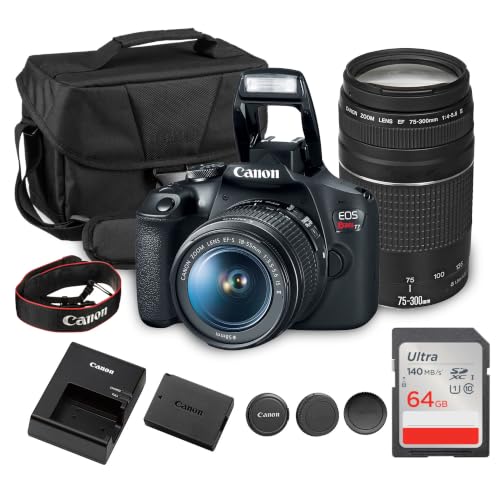


Camera Basics: What a Camera Actually Does
Every digital camera does the same three jobs. The lens gathers light and focuses it, the sensor records that light as an image, and the processor turns the recording into a finished photo you can view, share, or print. When people talk about image quality, they are mostly talking about how well those three parts work together in everyday scenes.
Cameras come in a few broad families. Compact cameras keep the lens fixed to the body and favor small size and simple controls. Mirrorless and DSLR cameras let you swap lenses, which adds flexibility along with extra cost and weight. Instant and film cameras trade digital convenience for a slower, more deliberate style. If your goal is simply better pictures of your own life, see our guide to the best cameras for personal use for that everyday angle.
One habit will help you through every section: judge a camera by the pictures you plan to take, not by the longest feature list, because a camera you enjoy carrying gets used while a chore stays home.
Key Specs Explained in Plain English
Spec sheets look intimidating, but only a handful of numbers shape your results day after day. The six factors below cover nearly everything a first time buyer needs to compare.
Sensor Size and Image Quality
The sensor is the part that captures light, and its physical size matters more than almost any other number. Small sensors around the size in most phones struggle once the light drops, while a 1 inch sensor handles indoor scenes calmly. Larger APS C and full frame sensors gather still more light, which means cleaner shadows and softer backgrounds. Megapixels only describe how large the final file is, and about 20 to 26 megapixels is plenty for big prints. For most beginners, a 1 inch or APS C sensor is the sweet spot between quality, size, and price.
Battery Life and Charging
Battery life is usually quoted as a number of shots per charge, and the rating method behind that number assumes quick shooting with little time spent reviewing photos. Real days out drain a battery faster, especially when you shoot video, use WiFi transfers, or work in cold weather. Look for a rating of at least 300 shots per charge for a compact camera and more for a larger body. Charging through USB C is a genuine convenience, because a laptop or power bank can top you up anywhere. Whatever you choose, plan on owning a second battery.
Low Light Performance
Low light performance decides how your photos look at dinner tables, school concerts, and evening street scenes. Three things drive it: sensor size, the widest aperture of the lens, and how cleanly the camera handles high ISO settings, which amplify the signal when light is scarce. A lens rated at f/1.8 or f/2.8 lets in far more light than one rated at f/4.5, so shutter speeds stay fast enough to avoid blur. Grain, called noise, is normal in dim photos and far less distracting than motion blur. Beginners photographing family life indoors should rank this factor near the top.
Lens and Zoom Range
Zoom describes how much closer a lens can make distant subjects appear, and optical zoom is the kind that matters, because it uses real glass to magnify the scene. Digital zoom simply crops the middle of the image and throws detail away. A 3x to 10x optical zoom range covers portraits, travel scenes, and modest wildlife without a bag full of lenses. For interchangeable lens cameras, start with the kit lens and learn its limits first.
Ease of Use for Your Skill Level
A camera should invite you to shoot, not punish you for being new. Full auto and scene modes handle exposure for you while you learn composition, and a good beginner camera explains its settings in plain words on screen rather than burying them in menus. Touch screens, a tilting display, and simple app transfer to your phone all shorten the path from taking a photo to sharing it. If menus frustrate you during a short store visit, they will frustrate you for years. Shoppers who put simplicity first should see our guide to the best easy to use cameras for models built around that idea.
Autofocus and Image Stabilization
Autofocus is the system that locks onto your subject before you press the shutter, and modern systems can recognize faces and eyes, then follow them as they move. Eye autofocus is a genuine gift for portraits of kids and pets, because it keeps the most important detail sharp while you concentrate on timing. Image stabilization counters the small shakes of your hands, either inside the body, called IBIS, or inside the lens, and it lets you shoot at slower shutter speeds indoors while keeping handheld video calm. For vlogging cameras and other video first models, stabilization plus a microphone input matter more than raw photo specs.
Choosing a Camera for Specific Needs
Once the specs make sense, match them to your real life. A parent chasing toddlers, a traveler packing light, and a hobbyist learning portraits all need different strengths, and naming your main use first prevents expensive second guessing later. The product table above can then confirm which models carry the features your situation demands, including weatherproof sealing for outdoor shooting and 4K video if footage matters to you.
For daily carry, small size and quick startup beat almost everything else, because the camera in your pocket is the one that catches the moment. If that sounds like your routine, see our guide to the best cameras for everyday use for carry friendly options and habits. For household memories, fast autofocus and a zoom that covers group shots and school stages matter most, and our guide to the best cameras for family use digs into that mix. Creators filming themselves should favor a flip screen, clean 4K video, and strong stabilization.
Best Film Cameras to Use: Tips for First Time Buyers
The phrase best film cameras to use describes a different purchase entirely, because film cameras record on rolls of film rather than memory cards. Judge one by three things: whether its light seals and shutter still work well, whether fresh batteries for its meter are easy to find, and whether you accept the ongoing cost of film and developing. A simple point and shoot model suits casual experimenting, while an older manual camera teaches exposure the slow way. For a no commitment trial, see our guide to the best single use cameras first.
Rookie Mistakes to Avoid
Most first purchases go wrong in predictable ways, so watch for these five errors.
- Chasing the highest megapixel count, which gives you larger files without better photos in dim light.
- Trusting digital zoom numbers on the box, which crop your image and leave it soft when viewed large.
- Spending the whole budget on the camera body, which leaves nothing for a memory card, a case, and a spare battery.
- Buying a large camera for travel, which then stays in the hotel room because carrying it feels like work.
- Ignoring how the menus feel, which turns every setting change into a small frustration for years.
Getting Started: Setup and First Use
Your first hour with a new camera sets habits that protect your gear and your photos, so work through these steps before your first outing.
- Charge the battery fully, then set the date and time in the menu so your files sort correctly later.
- Insert a memory card and format it inside the camera, which prepares it the way that camera expects.
- Attach the strap and practice finding the shutter button and zoom control without looking down.
- Start in full auto mode, take test shots around your home at different light levels, and review them at full size on a computer.
- Turn on image stabilization and, if offered, save a raw file alongside each photo for later learning.
Two small habits pay off from day one. Clean the front of the lens with a soft lens cloth, not your shirt, because shirt fabric can drag grit across the coating. Carry a spare battery on longer outings, since a dead battery ends the day early.
FAQ
Should I buy a camera body only or a kit with a lens?
A kit with a lens is the better start for most buyers, because the bundled zoom covers everyday subjects and costs less than buying the body and lens separately. Buy a body only when you already own compatible lenses or have chosen a specific lens, such as a bright portrait prime.
Which camera specs matter most for beginner photographers?
Sensor size, lens brightness, and autofocus accuracy matter most for beginners, because they decide whether everyday photos come out clean and sharp. Beyond the spec sheet, handling deserves equal weight. A camera that feels slightly too big in the shop will feel much bigger after an hour around your neck, so hold any model for a few minutes before deciding. Weight and grip comfort are specs too, even if they never appear on the box.
Which camera features help most with low light photos?
A bright lens and a larger sensor help most, because together they gather more light before the camera needs to raise ISO. One detail many buyers miss is that zoom lenses often grow dimmer at the far end of their range, so check the aperture at full zoom, not just at the widest setting. When light is truly scarce, rest the camera on a table or rail. A steady camera at a slow shutter speed beats a shaky one at a fast setting nearly every time.
How much should a beginner spend on a first camera?
Most beginners land happily at about $250 for a simple compact, while interchangeable lens models run to about $700. Keep roughly a fifth of your budget back for the memory card, a padded case, and that second battery. Spending more mainly buys low light strength and room to grow into manual control. If you are unsure you will stick with the hobby, start lower and upgrade the lens later, because lenses stay useful far longer than bodies.
Is a smartphone camera enough instead of a dedicated camera?
A smartphone is enough for casual snapshots, quick sharing, and bright daylight scenes, and its automatic processing is hard to beat for convenience. A dedicated camera pulls ahead when you need real optical zoom, large prints, shallow background blur, or reliable handling with gloves on a cold day. Battery life is another quiet advantage, since a long photo walk will not drain the phone you need for maps and messages. Many photographers keep both and reach for the camera when the moment matters most.
Final Thoughts
A first camera purchase comes down to three questions: how big a sensor you need for your light, how much zoom your subjects require, and whether the controls feel friendly in your hands. Answer those honestly, confirm your shortlist against the product table above, and you will choose well. The best cameras to use are never the most complicated ones on the shelf. They are the ones you carry gladly and reach for without thinking, and that kind of camera earns its place in your life for years.


