
Best Cameras to Take Instagram Photos in 2026: Which Type Is Right for You?
Disclosure: We may earn a commission when you buy through links on this page, at no extra cost to you. As an Amazon Associate I earn from qualifying purchases. Learn more

Compare the best cameras to take instagram photos by type, sensor, lens, low light skill and phone transfer speed, with a clear checklist for your feed style.
A camera that shines on a trip can feel slow and heavy for daily posting, and a tiny camera that is easy to carry can struggle once the light fades. The best cameras to take instagram photos are the ones that match your subjects, your light, and how fast you want to post. This guide compares camera types instead of naming models, so you can settle the big choice first.
You will learn which type fits portraits, food, travel, or video led feeds, and which specs actually change your results. Sensor size, lens brightness, autofocus, and phone transfer speed matter far more than a long spec sheet. Use the comparison table below to see the main types side by side.





Who Should Buy Which Camera for Instagram Photos?
Start with the feed you actually post, not the feed you admire on other accounts. Your subjects decide the sensor, lens, and screen you need, and your posting pace decides how much setup you will tolerate.
Everyday Creators Who Post Daily Life and Travel
You shoot a mix of street scenes, meals, friends, and trips, often with little warning. A compact or a small mirrorless body suits you because it is ready in seconds and light enough to carry all day. Look for reliable auto modes, image stabilization for indoor shots, and fast WiFi transfer to your phone.
Portrait and Lifestyle Creators Who Want Soft Backgrounds
Your feed leans on people, outfits, and styled scenes, so lens choice drives your look. A mirrorless camera with a bright prime lens gives you gentle background blur, accurate eye autofocus, and colors you can tune in camera. If this is your style, see our guide to the best cameras for instagram photos for more on portrait focused options.
Video First Creators Who Mix Reels With Stills
You film as much as you photograph, and many clips start as vertical video for Reels. Prioritize a flip screen you can see while filming yourself, dependable video autofocus, a microphone input, and clean 4K video. A vlogging style body or a capable compact keeps this setup small enough for day trips.
Types of Cameras for Instagram Photos Compared
Each type below trades size, control, and low light strength in a different way, and none of them wins at everything. Compare the best cameras to take instagram photos side by side, and if you want a broader view of general shooting first, see our guide to the best cameras to take photos.
Mirrorless Cameras
Mirrorless bodies pair the largest sensors in this guide with lenses you can swap. A wide lens covers interiors and travel scenes, while a bright portrait lens softens backgrounds for people shots. You get the strongest low light results and the most control over color, but they cost more and grow heavier as you add lenses.
Point and Shoot Compact Cameras
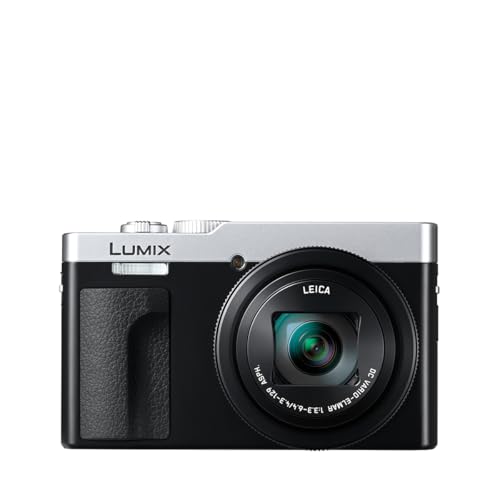
A compact keeps its lens attached, so the whole camera slips into a jacket pocket. Better models use a 1 inch sensor that clearly outperforms a phone in dim restaurants and evening streets. Zoom ranges around 24 to 70 mm equivalent cover groups, food, and details, though you give up lens swaps and some background blur.
Vlogging Cameras
Vlogging cameras are compacts or small mirrorless bodies built around a flip screen, a wide lens, and strong video tools. Product showcase modes, face and eye priority autofocus, and good built in microphones help one person shoot alone. Still photos are sharp, but short battery life and a fixed wide view can limit portraits and distant subjects.
Action Cameras
An action camera is tiny, rugged, and sealed against water and dust, so it goes to pools, trails, and beaches. Wide lenses, strong stabilization, and voice control suit hands free clips. For stills, expect bright daylight to look great and dim rooms to look grainy, because the small sensor gathers less light.
Instant Cameras
An instant camera prints a small photo seconds after you press the shutter, which makes it a party and guest book favorite. The look is soft and nostalgic, and each print costs money. If that physical keepsake style appeals to you, see our guide to the best instant photo cameras for sizes and film costs.
Key Features to Compare
Once a type feels right, compare these five factors within that type. They decide how your photos look on a phone screen and how quickly a shot moves from camera to post.
How Sensor Size Shapes Feed Ready Photos
Sensor size sets the ceiling for detail and clean color, because a larger sensor gathers more light at every setting. Full frame and APS C sensors in mirrorless bodies hold up best for large prints and heavy crops, while a 1 inch compact sensor is the sweet spot for travel. Megapixel counts matter less than most listings suggest, since Instagram compresses every upload.
Low Light Performance for Cafes and Evening Streets
Coffee shops, concerts, and city nights punish small sensors and slow lenses. A lens with a wide maximum aperture, shown by a low f number such as f/1.8 or f/2.8, lets in more light and keeps shutter speeds fast enough for sharp people shots. Image stabilization helps with still subjects, but only a faster shutter stops a moving friend from blurring.
Lens and Zoom Range for Your Subjects
Focal length decides how close you feel to the subject without moving your feet. A range near 24 to 70 mm equivalent covers interiors, groups, street scenes, and flattering portraits at the long end. Fixed lens compacts keep things simple, while mirrorless owners can add a 35 mm or 50 mm prime for a brighter lens and a softer background.
Autofocus Speed and Eye Detection
People are the heart of most feeds, so autofocus that finds a face and locks onto an eye saves whole sets from the delete pile. Touch to focus on the rear screen helps when you compose off center, and animal eye detection earns its keep if pets star in your posts. Burst speed matters less here, because one sharp frame beats twenty soft ones.
Connectivity and Fast Transfer to Your Phone
A great photo that sits on a memory card for a week does your feed no good. Look for WiFi and Bluetooth pairing that sends images to the brand app with little fuss, plus in camera crops for square and 4 by 5 portrait formats. If posting speed is your top priority, see our guide to the best cameras for instagram for more on app driven workflows.
Common Mistakes to Avoid
These errors cost money or image quality.
- Buying the largest sensor you can afford and then leaving the heavy camera at home means the best moments get shot on a phone anyway.
- Chasing megapixels while ignoring lens brightness leaves you with large files that still look grainy in dim light.
- Skipping a flip screen for a video led feed means framing yourself by guesswork and reshooting the same clips again and again.
- Forgetting film, battery, and card costs in your budget makes an affordable camera expensive to run every month.
- Posting full size files without a portrait crop lets the app crop for you, often cutting off heads, shoes, or text.
Care and Maintenance for Instagram Cameras
Clean the lens with a soft microfiber cloth before shoots, because pocket lint and fingerprint smudges soften contrast. Keep the camera in a padded bag away from sand and sunscreen, and use a wrist strap near water so one slip does not end the camera.
Charge batteries after a full day out and store them partly charged if the camera will rest for weeks. Format memory cards in the camera after you back up your files. Keep a small dry cloth in your bag for sudden rain.
Frequently Asked Questions
What specs matter most for a first camera for Instagram photos?
Reliable autofocus, a bright lens, and a sensor of at least 1 inch matter most for a first camera for Instagram photos. Together they cover the dim rooms, moving friends, and quick group shots that fill most feeds. Turn on the grid overlay as well, because level horizons and tidy edges make even simple scenes look deliberate.
How much should I spend on a first camera for Instagram photos?
A budget of about $300 to $600 covers a capable compact or an entry mirrorless body with its kit lens. Spending less often means a sensor barely better than a phone. Spending far more buys features a new feed will not use yet. Leave about $50 aside for a spare battery, a card, and a small bag.
Which camera type is best for low light Instagram photos at night?
A mirrorless camera with a bright prime lens handles night and indoor posts best. Its large sensor and wide aperture keep faces clean at settings where compacts turn grainy. Stand your subject a few steps from a shop window or a lamp rather than under harsh ceiling lights, because side light flatters skin and adds depth.
Is a smartphone enough instead of a camera for Instagram photos?
Yes, a current smartphone is enough if your feed is mostly daylight scenes, quick stories, and heavy app editing. A dedicated camera earns its place when you want softer backgrounds, cleaner night shots, or a consistent look. Many creators use both, saving the camera for planned shoots and the phone for spontaneous moments.
Do Instagram photos need a high megapixel count from a camera?
No, Instagram photos do not need a high megapixel count, because the app downsizes every upload for phone screens. A modest sensor already holds more detail than the feed will show. Extra resolution still helps in one case, since it lets you shoot a wide group scene and crop a tighter single portrait from it.
Final Thoughts
The right choice is the camera whose strengths match your subjects, your light, and how fast you like to post. Mirrorless bodies lead for portraits and night work, compacts win on carry, and action and instant models serve active days and physical prints. Compare your shortlist in the product table above, and choose the best cameras to take instagram photos for the feed you actually shoot, not the one you imagine.

