Best Cameras for Instagram Photos of 2026: Complete Buying Guide
Disclosure: We may earn a commission when you buy through links on this page, at no extra cost to you. As an Amazon Associate I earn from qualifying purchases. Learn more

Compare the best cameras for instagram photos by sensor, low light skill, size, and budget, with simple buying tips for sharp, share ready images.
Your phone is fine for quick snaps, but a dedicated camera gives your feed sharper detail, cleaner indoor shots, and backgrounds that melt away behind your subject. This guide explains how to compare the best cameras for instagram photos without wading through spec sheet jargon. You will learn which features change how a photo looks on a phone screen and which ones you can safely skip.
Because the platform crops and compresses every upload, the winning formula is a strong lens, honest low light skill, and fast transfer to your phone. The comparison table below puts the main camera types side by side, and the buying guide after it breaks the choice into simple steps, much like our overview of best digital cameras.
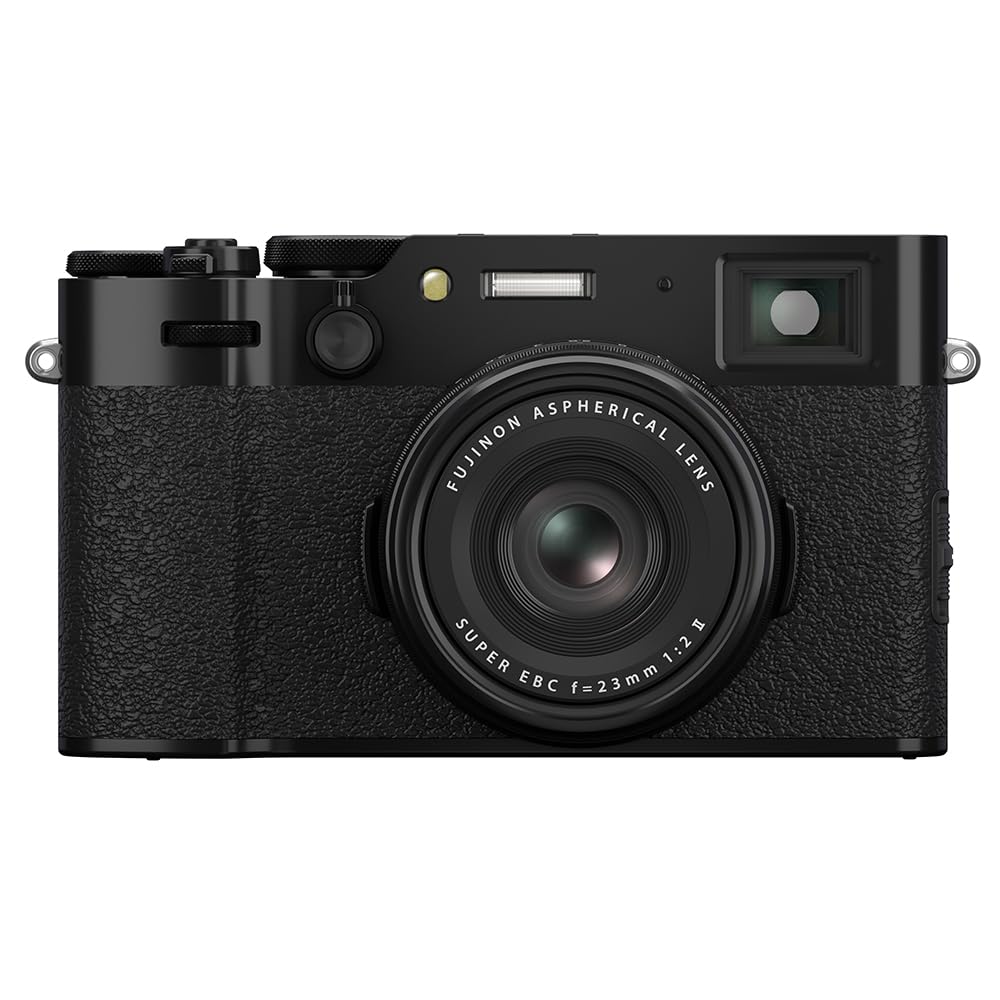


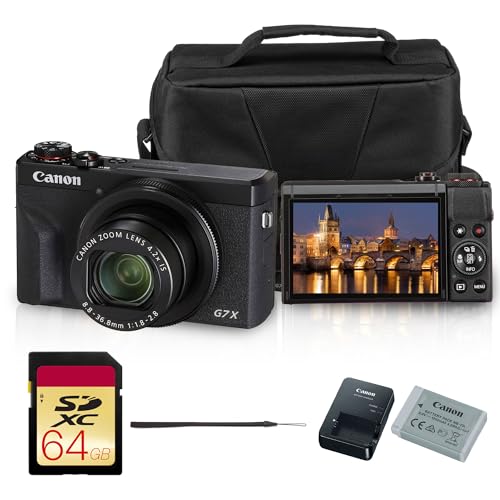

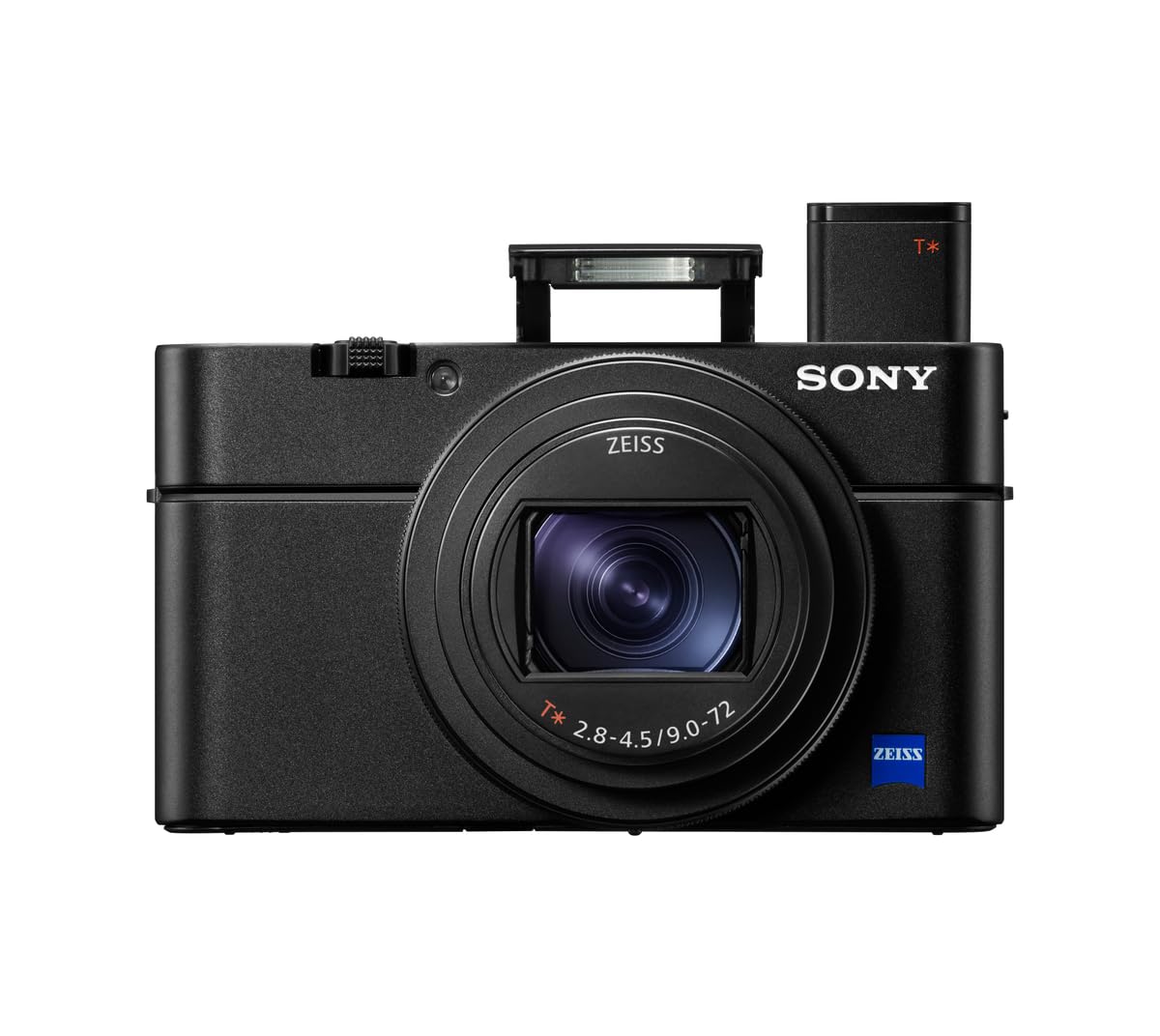



What to Compare Before You Buy
Most readers comparing the best cameras for instagram photos post a mix of food, travel, people, and products, and each subject rewards different strengths. Work through the five factors below in order and you will narrow the field fast.
Features That Matter for Instagram Photos
The feed rewards color and clarity at small sizes, so prioritize a sharp lens and reliable autofocus over raw megapixel counts. Eye and face detection helps portraits, while quick burst modes catch candid moments. Built in WiFi or Bluetooth matters more here than in most photography, because a photo that sits on a memory card never gets posted. Look for pleasing straight from camera color as well, since heavy editing slows your posting rhythm.
Sensor Size and Image Quality
A 1 inch sensor in a compact camera already beats most phones, and APS C or full frame sensors in mirrorless bodies go further with cleaner shadows and softer backgrounds. More megapixels mainly buy you cropping room for square and vertical formats. For most creators, 20 to 26 megapixels is a comfortable target that keeps file sizes friendly for fast uploads. Larger sensors also hold highlight detail better in bright scenes, which saves skies and white outfits from blowing out.
Low Light Performance
Cafes, concerts, and evening streets are where phone photos fall apart, so rate low light skill high. A lens with a wide maximum aperture, such as f/1.8 or f/2.8, gathers the light that keeps faces clean at night. Judge sample galleries at ISO 1600 and above rather than trusting the top ISO number on the box. Optical or in body stabilization also helps for handheld shots in dim rooms.
Durability and Weather Sealing
Travel and outdoor posting expose cameras to rain, dust, and beach spray. Weather sealed bodies and lenses shrug off light rain, though sealed never means waterproof, so keep the camera out of heavy downpours. A scratch resistant screen and a solid grip matter for daily carry. If you shoot near water often, budget for a protective filter and a dry bag, and wipe salt air off the body after every outing.
Ease of Use for Your Skill Level
Fast posting is a feature in itself. Touchscreens that focus where you tap, clear auto modes, and an app that sends resized copies to your phone keep your workflow under a minute. A screen that tilts or flips forward makes self portraits and overhead food shots far easier to frame.
Vertical video and vertical preview help if you also post stories and reels. Beginners should favor cameras with guided menus over pro bodies with deep custom settings.
Size, Weight, and Ergonomics
The camera that serves your feed best is the one in your bag, so weigh size honestly. Compact cameras around 300 grams vanish into a jacket pocket, while mirrorless kits with a zoom lens need a small sling bag. Try the grip and control layout in a store if you can. Small buttons and deep menus slow you down when a moment is passing, and a neck strap you dislike will stay home in a drawer.
Camera Types at a Glance
Three camera families cover nearly every posting style, and a fourth deserves a mention. Instant models earn their own following, and our guide to best instant photo cameras covers that film look in depth. Readers who want a broader shortlist can also browse our best photo cameras guide.
Mirrorless Cameras
Mirrorless cameras pair large sensors with interchangeable lenses, so one body can shoot portraits today and landscapes tomorrow. They offer the strongest image quality per dollar for serious feeds. The trade off is size and cost, since lenses add up over time. Choose this type if image quality leads your list and you are happy carrying a small bag.
Compact Cameras
Compact cameras use a fixed zoom lens and a pocketable body, which makes them easy daily companions. Better models use a 1 inch sensor that clearly outclasses phone cameras at night. You give up lens swapping, but you gain a camera that is always with you. Pick one if you value reach, simplicity, and a body that needs no extra kit.
Action Cameras
Action cameras are tiny, rugged, and wide angle, built for sport, travel, and water. Their stills suit bright outdoor scenes more than portraits, and the fixed wide view distorts faces up close. Treat one as a second camera for adventure content rather than your only tool. Mounts and waterproof housings make them the easiest option for poolside and trail footage.
Choosing Cameras for Your Situation
If most of your posting happens on a phone you already own, one more route deserves a fair look before you buy anything.
Best Android Cameras for Instagram Photos
Phone cameras in the Android world vary widely, so judge them by the same rules as dedicated cameras. Look for a main sensor with optical stabilization, a useful portrait mode, and an ultra wide lens for interiors and group shots. Fast sharing to the app matters most, and a phone wins there by default. Our guide to best cameras for instagram compares platform focused options in more detail.
Care and Maintenance Tips
A few simple habits keep your camera ready for the next post.
- Use a lens cloth, not your shirt, since fabric grit can scratch delicate lens coatings.
- Carry a spare battery, because WiFi transfers and screen time drain power faster than stills alone.
- Store the camera in a dry, padded bag, and let it warm up slowly indoors after cold shoots to limit condensation.
- Update the firmware for autofocus improvements and new app features as the maker releases them.
- Never look at the sun through an optical viewfinder, and avoid pointing the lens at the sun for long stretches.
Frequently Asked Questions
What features matter most in cameras for instagram photos?
Fast transfer to your phone matters most, followed by a sharp lens and dependable autofocus. Because uploads get compressed, clean files at moderate megapixels beat huge files with noise. One factor many buyers miss is color rendering, the way a camera handles skin tones and food colors straight away. Pleasing default color saves editing time on every single post.
Which is better for low light, a compact or a mirrorless camera?
A mirrorless camera is better for low light, thanks to its larger sensor and brighter lens choices. A good compact with a 1 inch sensor still beats a phone at night, especially with stabilization working for you. Whichever you choose, brace the camera or add light before raising the ISO. A small tabletop tripod costs little and rescues many cafe shots.
What specs matter most for beginners posting photos online?
Beginners should look at sensor size, the lens aperture, and how quickly photos reach the phone. Guided auto modes and a touchscreen matter more than manual dials you may never touch. Skip extreme zoom numbers and huge megapixel counts at this stage. Spend the savings on a second battery and a comfortable strap, two items you will use daily.
How much should I spend on my first camera for posting photos?
Plan on about $300 to $600 for a capable compact or an entry mirrorless kit, which covers most posting needs well. Moving to about $600 to $1,200 buys brighter lenses and larger sensors that show up clearly in indoor shots. Past that, gains turn subtle on a phone screen. Buy the level that matches how often you post, not the highest you can stretch to.
Does a camera for instagram photos need 4K video?
No, 4K video is optional if you only post still photos. It earns its place when you also post reels or stories, because clips from a larger sensor look cleaner than phone footage in dim light. Check for a flip screen and a microphone input if video matters to you. Otherwise, rate video low and put the money into the lens.
Wrapping Up
Choose by sensor size, lens brightness, and how fast photos reach your phone, and the rest falls into place. Compact cameras suit daily carry, mirrorless kits suit quality first feeds, and action models suit adventure posts. Compare your shortlist in the product table above, and pick the best cameras for instagram photos that match the way you actually shoot.