
Best Cameras to Take Photos: A Buyer Checklist for 2026
Disclosure: We may earn a commission when you buy through links on this page, at no extra cost to you. As an Amazon Associate I earn from qualifying purchases. Learn more

A buyer checklist for everyday cameras to take photos, judging habit, handling, optical zoom, and low light so you pick a camera you will actually use.
This guide works as a checklist from the first line. Each section gives you a simple test to apply to any camera class, so you can judge options in the same order a careful buyer would use in a shop. If you are comparing best cameras to take photos for everyday life, start with habit rather than specs. The comparison table below lists the main classes side by side, and the checklist that follows explains how to read it.
Here is the habit test that comes before every other test. A general camera is judged by whether it gets used, week after week, and not by how impressive its box looked on delivery day. The camera that is with you is the class that matters, because a superb camera left in a drawer takes no photos at all.


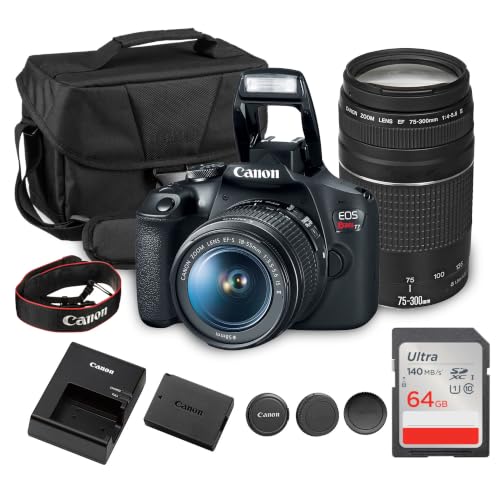


Size, weight, and simple controls decide that habit more than any single headline feature. Keep that truth in mind as the phone comparison comes next.
The Buyer Checklist: Core Criteria to Compare
Work through the six criteria below in order and give each class a simple pass or fail for your own life. The phone in your pocket is the rival every dedicated camera must beat, and it sets a high bar for convenience. A separate camera earns its place only when it wins clearly on handling, on zoom, or on low light quality. Our broader guide to best photo cameras covers the parent topic, while this checklist stays focused on daily photo taking.
All of the classes in this guide belong to the broad family described in our guide to best digital cameras.
Sensor Size and Image Quality
Start the checklist with the sensor, the part that gathers light. Small sensors in slim compacts are fine for bright days and small prints, while larger sensors in APS C and full frame classes keep evening photos cleaner with smoother color. Megapixel counts sound decisive but only describe file size in dots.
Ask instead how the class behaves indoors at a family dinner or in shade at a park. Cleaner files at higher sensitivity settings are the real quality test for everyday photos.
Ease of Use for Your Skill Level
Simplicity is a feature, not a compromise. An automatic class that a beginner understands beats a manual heavy class that stays home, because confidence is what builds the photo habit. Look for clear auto modes, menus written in plain words, and a screen that shows the effect of a setting before you shoot.
Wireless transfer to a phone should take a few taps, not a manual and a password hunt. If a class confuses you in the shop, it will frustrate you at a birthday.
Video Capabilities
Many buyers take short clips alongside stills, so check video with the same calm eye. A 4K option gives crisp clips of children, pets, and travel scenes, while a screen that tilts helps when you film yourself or shoot from low angles. Vlogging cameras as a class add wide views and simple sound options for people who talk to the camera.
Ask whether the class records steady clips while walking and whether it accepts an external microphone. Skip complex cinema settings you will never open.
Battery Life and Charging
A camera that dies at lunch fails the habit test, however good its sensor is. Check the rated shots per charge and treat the figure as a best case, since cold weather, screens, and video all shorten real life. Charging through USB C is a genuine everyday advantage, because one cable can serve the camera, a phone, and a tablet on a trip.
A second battery costs little and removes most range anxiety. Judge charging and battery together, as one daily routine, rather than as two separate specs.
Size, Weight, and Ergonomics
Hold the idea of carrying the camera for a full ordinary day, not for five minutes in a shop. A grip that fits your hand, buttons you can find without looking, and a strap or small bag you actually like all feed the habit. Compact classes slip into a jacket pocket, while larger classes reward you with better controls and lenses.
Neither answer is wrong. The honest test is personal: which class would you still be carrying at the end of a long walk, a market visit, and an evening meal?
Autofocus and Stabilization
Sharp everyday photos depend on focus that locks quickly and on help that calms small hand movements. Look for focus that follows faces and eyes, since people fill most personal albums. Image stabilization, either in the body or in the lens, steadies slower shots indoors and at dusk.
Test the class on a moving child or pet if you can, because still subjects hide weak focus. A class that nails focus calmly and often will please you more than one with exotic modes you rarely use.
Camera Types Explained Simply
With the checklist in hand, the main types become easy to sort. Each class below passes some tests brilliantly and trades away others, and none suits every buyer. Match the class to your habit first, then use the product table above to compare concrete options inside that class.
The Versatile Interchangeable Lens Class
Mirrorless cameras and older reflex designs let you swap lenses for portraits, travel, sports, or close work. That freedom makes this the most versatile class and the best long term system for keen learners. The trade off is size and cost, since each added lens is another item to carry and fund.
Choose this class when you enjoy learning settings and plan to grow. The checklist question is simple: will the extra creative room keep you shooting, or will the bulk keep the kit at home?
The Simple Compact Class
Point and shoot compacts keep the lens fixed, the body small, and the decisions few. A good compact offers real optical zoom, a helpful auto mode, and a sensor larger than a phone class sensor in the better examples. This is the class that most often passes the habit test for casual buyers, because it lives in a pocket and starts fast.
Choose it for travel, family days, and concerts where a big kit feels like work. Simplicity here is the whole point, not a missing feature.
The Instant and Bridge Classes
Two smaller classes serve clear niches. Bridge cameras pair a fixed lens with very long zoom and a body shaped like a larger camera, which suits distant subjects without lens swapping. The instant class works in the opposite spirit, printing a small physical photo seconds after you shoot, and our guide to best instant photo cameras shows that playful contrast in detail.
Choose a bridge class for reach on a budget. Choose instant when the fun of a print in hand matters more than file quality.
Quick Buyer Checklist
Answer these questions honestly before you pay. Three or more no answers point to a different class, not a bigger budget.
- Will I carry this class on an ordinary day without thinking twice about it?
- Does it beat my phone clearly on handling, on zoom, or on low light quality?
- Can I take a good photo in full auto within seconds of switching it on?
- Does the grip feel secure in one hand for a whole minute of shooting?
- Can I charge it with a cable I already own and carry every day?
- Will the zoom range cover my real subjects, from rooms to distant stages?
- Do I understand what the next lens or accessory would be, if I ever want one?
- Would I still choose this class if a friend never saw or praised it?
Red Flags to Watch For
- Vague zoom claims. A listing that shouts about huge digital zoom while hiding the optical zoom figure is steering you away from the number that protects quality.
- No clear sensor size. Sellers who name megapixels loudly but never state sensor size are hiding the spec that decides low light results.
- Very short or unclear warranty terms. Weak cover on a device full of moving dials and screens signals low confidence from the seller.
- Charging only through a rare special cable. Odd cables get lost, and a camera that cannot charge on a trip quietly stops being used.
- Reviews that praise everything and mention no limits. Real classes all trade something away, so praise without a single drawback deserves suspicion.
Picking the Right Camera for Different Uses
Daily life is not one subject, so finish the checklist by naming your two or three most common scenes. A class that wins for travel may lose for small product shots or distant wildlife. The examples below show how the same criteria bend toward different answers.
Best Camera to Take Photos of Watches
Small detailed subjects change the priority list at once. For watches and similar items, judge first on close focus distance and on a macro setting that fills the frame with a dial without cropping later. Sharp glass matters more than zoom reach here, and steady support matters more than speed.
A small tripod, soft window light, and a timer release calm reflections on glass and polished metal. Manual focus with a magnified preview helps you place sharpness exactly on the hands and markers.
Social sharing shapes many everyday choices in a different direction. Photos bound for feeds need pleasing color straight from the camera, fast wireless transfer, and a screen that helps you frame at arm length. Readers focused on that use can follow our guide to best cameras to take instagram photos for the platform specific angle. Treat that platform as one output among many, though, since the same files should still print and archive well.
Distant animals ask for the opposite strengths again. Long optical zoom or a long lens, fast focus on moving subjects, and weather sealing for damp mornings lead the list for field use. Our guide to best cameras for wildlife photos explores that subject sibling in full. Notice how the checklist stays the same while the answers change: habit, handling, and honest trade offs still decide, only the winning class shifts.
Tips to Get the Most From Your Camera
Three small habits protect both your photos and the camera itself. Use a lens cloth, not your shirt, since shirt fabric can drag grit across the glass and leave fine marks. Carry a spare battery in the same pocket of your bag every time, so you can find it without looking during a busy moment.
Store the camera in a dry, padded bag away from bathroom steam and car heat. Finally, review your photos each week and delete the weak frames while the lessons are fresh.
Cameras Take Photos: Your Questions Answered
How much should I spend on a first everyday camera?
Most beginners build a sensible start for about $250 to $700, depending on class and zoom range. Reserve roughly a fifth of that total for the unglamorous parts of the kit: a card, a case, and a second battery. That starter bundle share is the point buyers most often forget, and it decides whether the camera is ready on day one. A complete modest kit beats a bare expensive body with no card every time.
What does optical zoom mean on a camera for everyday photos?
Optical zoom means the lens itself changes your view by moving glass, so the full sensor still records the scene. Digital zoom simply crops the middle of the file and enlarges it, which softens detail. A simple home test shows the difference: photograph printed text across a room at full zoom, then read the letters on screen.
If the words stay crisp, the zoom is doing real optical work. Treat any zoom figure without the word optical as a warning.
What specs matter most for beginners taking photos?
Beginners should rank a clear auto mode, a comfortable grip, and honest optical zoom above deep manual controls. One extra aid deserves attention: a touch screen with plain scene labels, which lets you tap a face to focus and learn by watching what changes. That gentle teaching speeds up the first month more than extra dials do. Specs that help you shoot today matter more than specs that promise mastery next year.
Which camera class is better for low light photos?
A larger sensor class with a bright lens is better for low light photos than a small sensor class with a slow lens. The pairing matters, because either weakness can undo the other strength. One technique adds a free gain: brace your elbows, lean lightly against a wall, and squeeze the shutter during a natural pause in your breathing.
Steady hands let the stabilization work at its best. Practice that stance at home and evening shots improve before any upgrade.
Is a smartphone enough instead of a dedicated camera?
A smartphone is enough for casual snaps when sharing speed matters most and light is kind. It wins on instant sharing and on always being present, which no separate camera can match. A dedicated class pulls ahead when you print larger copies, zoom toward distant subjects, or shoot through a dim evening.
Many owners happily use both, with the phone for speed and the camera for occasions that deserve better files. The checklist question is which of those moments you care about most.
Final Thoughts
Run the checklist one last time in this order: habit first, then a clear win over your phone, then controls simple enough that you will use them without thought. A class that passes those three tests will take more good photos than a class with a longer spec sheet that stays at home. Use the product table above to compare the surviving classes on price and zoom before you decide.
Trust the boring answer when it fits your life, because steady use is what turns a purchase into photographs you keep. That is the spirit in which careful buyers find best cameras to take photos for their own routines, and it is why the simplest suitable class so often wins. Pick the camera you will carry tomorrow morning, and start the habit this week.


