
Best Cameras without Wifi for 2026: Matching the Right Model to Your Routine
Disclosure: We may earn a commission when you buy through links on this page, at no extra cost to you. As an Amazon Associate I earn from qualifying purchases. Learn more

Match the best cameras without wifi to your routine, with plain guidance on sensors, video, offline file transfer, durability, and fair prices.
There is no single model that suits every routine, because a camera that skips wireless features serves some shooters better than others. The best cameras without wifi trade instant phone sharing for simpler menus, longer battery life, and often a lower price. What matters is how you shoot each week, not what a spec sheet leads with.
This guide sorts buyers by routine first, then explains the features that change daily use on an offline camera. You will see how files move to a computer without an app, which subjects suit this style, and where the limits show up. Start with the comparison table below, then read the group that sounds most like you.

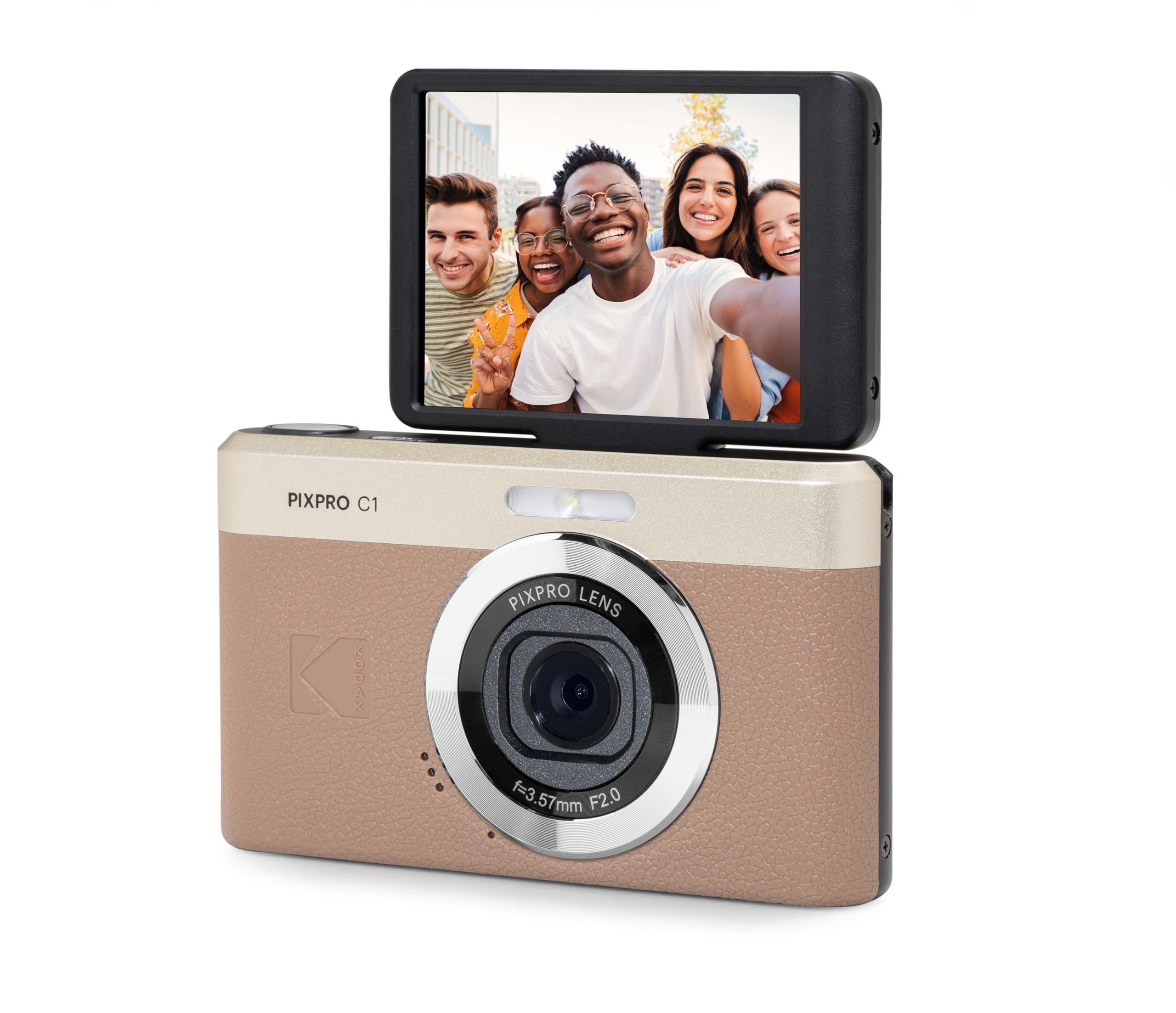


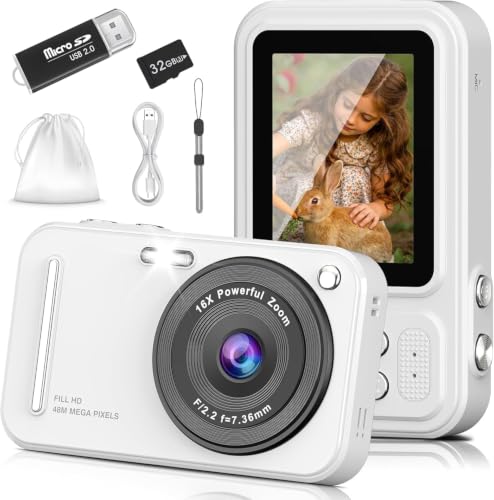

Who Should Buy Which Camera?
Offline models span pocket compacts, rugged cameras, and entry mirrorless bodies, and each fits a different week. Match the group below to your habits before you look at prices, because the wrong type stays home no matter how good its sensor is.
For Travelers and Commuters
Travelers and commuters need light weight, a pocket friendly shape, and a battery that lasts a full day of sightseeing. A compact with a moderate zoom and a tough shell handles trains, rain, and crowded streets without fuss. Since there is no app transfer, a small card reader in your bag solves sharing at the hotel each night. Prioritize fast startup and simple controls, because street scenes vanish while you dig through menus.
For Students and Everyday Users
Students and everyday users need steady results, long battery life, and a price that leaves room for a card and a case. A fixed lens compact with a 1 inch sensor covers classes, family events, and weekend trips without new lens costs. Offline shooting also means no account setup and no cloud prompts, which suits shared family cameras. Readers who later want property monitoring on a budget sometimes cross shop best security cameras without wifi, which follow the same no network logic.
For Remote Workers and Creators
Remote workers and creators need clean video, a mic input, and a screen they can check while recording themselves. An entry mirrorless body or an advanced compact with a flip screen fits desk setups and short lessons. Files move by cable or card reader, which is slower than an app but keeps a steady workflow for planned shoots. If your work is live and interactive instead, a connected model will serve you better than anything in this guide.
Picking the Right Camera for Different Uses
Some uses reward an offline design more than others. Camps, workshops, and clinics often ban networked devices, and a camera with no wireless radio sidesteps those rules entirely. The nursery is another case where parents actively look for a model that cannot stream.
Best Baby Cameras without Wifi
The best baby cameras without wifi use a direct radio link between the camera and a parent unit, so the feed never touches the internet. Judge them on screen size, night vision range, and two way talk rather than app features. A dedicated monitor is only a watching aid and never replaces adult supervision, so place it out of reach and check on your baby in person as well. Battery life on the parent unit matters most for overnight use.
Key Features to Compare
Four factors decide how an offline camera feels in daily use. Weigh them against your routine from the groups above, because a strength for one shooter can be dead weight for another.
Sensor Size and Image Quality
Sensor size sets the ceiling for image quality, and it matters just as much without wireless features. A 1 inch sensor in a premium compact keeps indoor shots clean, while APS C sensors in mirrorless bodies handle dim rooms and portraits better still. Megapixels alone tell you little, since a modest count on a large sensor beats a huge count on a tiny one. Judge sample photos at full size, not the numbers on the box.
Video Capabilities
Video specs decide whether clips look smooth or shaky. Many offline models record 4K, though some crop the frame or cap clip length, so read the fine print if you film events. A mic input lifts audio quality for lessons and interviews, and a flip screen helps solo creators frame themselves. Travel shooters comparing action ready options sometimes also weigh best barn cameras without wifi for fixed outdoor posts, but handheld video needs stabilization first.
Why Choose a Camera Without Wifi
Choosing the best cameras without wifi usually comes down to simplicity, privacy, and battery life. There is no app to update, no account to create, and no feed that can be reached from outside your home network gear. The cost is slower sharing, since photos move by card reader or cable instead of a tap. Buyers who want a middle path can look at best wifi cameras without subscription, while anyone set on offline shooting should confirm the model truly has no wireless radio.
Durability and Weather Sealing
Durability decides whether a camera survives the places offline shooters love most. Rugged compacts are waterproof to stated depths and shrug off drops, which suits boats, job sites, and ski trips. Mirrorless bodies with weather sealing resist rain and dust when paired with a sealed lens, though they are not built for submersion. Check the rating wording closely, because splash resistant and waterproof promise very different things.
Common Mistakes to Avoid When Buying Cameras
- Judging by price alone. The cheapest body often hides a tiny sensor, so compare sensor size before you compare discounts.
- Ignoring file transfer. Offline cameras need a card reader or cable routine, and skipping that plan leaves photos stuck on the card.
- Buying the wrong size class. A bulky bridge camera stays home on walks, while a pocket compact cannot match mirrorless low light results.
- Skipping the warranty terms. Rugged and travel cameras live hard lives, so confirm the coverage length and what water damage claims require.
- Assuming no wifi means no screen sharing. Many models still offer HDMI output for a TV, which covers family viewing without any network.
Care and Maintenance Tips
Clean the lens with a lens cloth, not your shirt, since trapped grit can scratch the coating. Carry a spare battery on long days, because offline models often lack USB charging in the field. Store the camera in a dry, padded bag with the card slot closed, and copy your photos to two places each week. Never look at the sun through an optical viewfinder, and keep memory cards in a hard case rather than a loose pocket.
Frequently Asked Questions
How do you move photos off a camera without wifi?
You move photos off a camera without wifi with a card reader or a USB cable, and both are fast. A card reader plugged into a laptop copies a full day of shots in a few minutes, often quicker than an app transfer. Some models also show photos on a TV through an HDMI cable. Build the step into your routine, such as each evening on a trip, and the lack of wireless rarely feels like a loss.
How much should I spend on my first offline camera?
Most first time buyers should spend about $200 to $450 on a first offline camera. That range covers strong compacts with 1 inch sensors and entry mirrorless bodies with a kit lens. Spending less usually means a small sensor and weak low light results, while spending more buys sealing and lenses you may not need yet. Keep about $40 aside for a fast card, a reader, and a spare battery.
Which camera sensor is better for low light?
An APS C sensor is better for low light than the smaller sensors in most compacts. It gathers more light per photo, so indoor and evening shots hold detail with less grain. A 1 inch compact sensor is the next step down and still performs well in restaurants and homes. Pair the sensor with a lens that opens wide, because aperture and sensor size together decide your night results.
Is a smartphone enough instead of a dedicated camera?
A smartphone is enough if instant sharing is your top priority and you shoot in decent light. A dedicated offline camera wins on zoom reach, battery life, and grip, and it keeps shooting when your phone is busy or low on charge. The real question is workflow: phones share in seconds, while cameras ask for a card reader step. Choose based on which of those facts shapes your week more.
What specs matter most for beginners choosing an offline camera?
Sensor size, autofocus speed, and battery life matter most for beginners choosing an offline camera. They decide whether everyday photos look clean, land in focus, and keep coming all day. Zoom range follows, matched to your subjects rather than the biggest number on the box. Skip worrying about wireless features you came here to avoid, and put the savings toward a better lens or sensor instead.
Final Thoughts
Let your routine lead: travelers need size and stamina, students need value and simplicity, and creators need video tools that work without an app. The product table above lines the main options up for a quick check against those needs. Picked with your week in mind, the best cameras without wifi deliver calm, capable shooting with nothing extra to manage.


