
Best Cameras without Subscription: A First Time Buyer's Guide for 2026
Disclosure: We may earn a commission when you buy through links on this page, at no extra cost to you. As an Amazon Associate I earn from qualifying purchases. Learn more

Learn how cameras without a subscription store footage, which specs matter for first time buyers, and how to avoid fees, mistakes and weak night coverage.
Shopping for best cameras without subscription as a first time buyer starts with one key question: where does your footage go when you are not watching? A camera without a subscription usually stores video on a memory card, a home hub, or a hard drive you control, rather than on a paid cloud plan. That choice can save monthly fees, but it also means you need to understand storage limits, playback, and what happens if a camera or card is damaged or removed.
This guide explains the basics in plain language, then walks through specs, use cases, rookie mistakes, and first use steps. Use the comparison table below to compare storage types and core features side by side, and use the sections below to match a camera to your home, your skill level, and your budget. No camera can guarantee security, so treat footage as one part of a broader home safety plan.
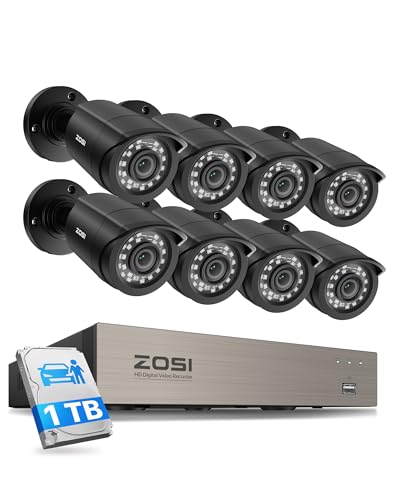
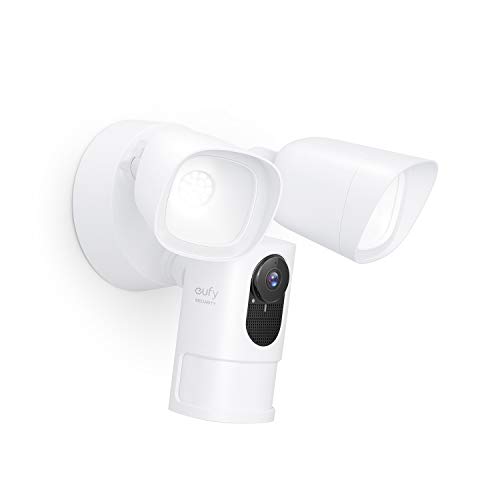


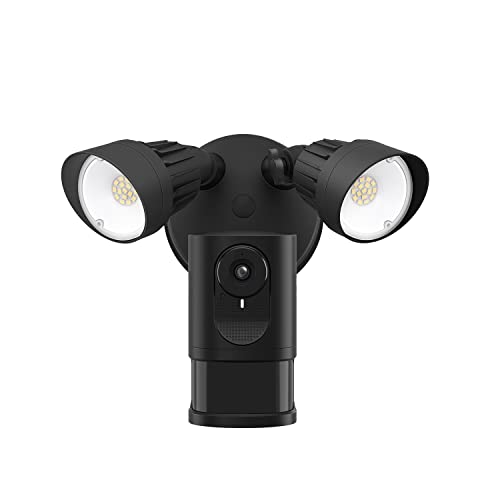


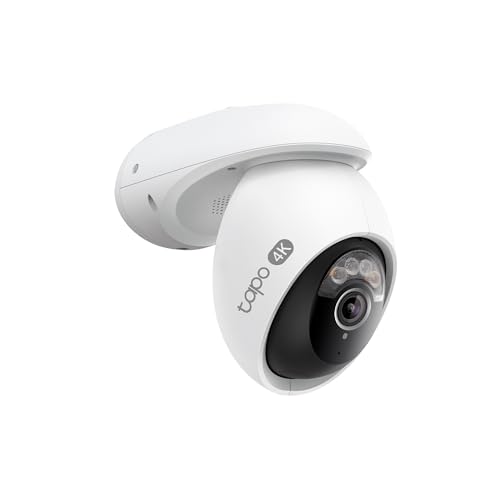
Cameras 101: The Basics
A home camera is a small video device that watches an area, detects motion or sound, and saves clips you can review later. Most models connect to your home WiFi, send alerts to a phone app, and let you view live video when you are away. Without a subscription, the camera still needs a place to store clips, so the storage method is the most important buying decision, not just the camera shape or resolution.
Common storage options include a memory card inside the camera, a hub or base station in your home, and a network drive or recorder you already own. Memory cards are simple and cheap, but they hold a limited amount of footage and can be lost if the camera is taken. A hub keeps footage in your home and often supports several cameras, but it adds an upfront cost and needs a safe, powered spot. Before you buy, decide how many days of footage you want to keep, and check how quickly old clips are overwritten when storage fills up.
Key Specs Explained in Plain English
Spec sheets can overwhelm a first time buyer, because many numbers sound important but matter little in daily use. The specs below are the ones that most affect what you see, how easy the camera is to use, and how well it holds up outdoors. Read each one with your own home in mind, and ignore features built for a very different use case.
Why Choose a Camera Without Subscription
A camera without a subscription appeals to buyers who want predictable costs and control over their footage. You pay once for the camera and storage, and you avoid a monthly fee that can add up across several cameras. The trade off is that you take on more responsibility for storage, backups, and playback, and some advanced features such as long cloud history or smart person detection may be limited or absent. This option suits buyers who are comfortable checking a card or hub, and who want to keep footage in their own home.
Sensor Size and Image Quality
Sensor size affects how much light the camera gathers, and that matters for porches, hallways, and other dim areas. A larger sensor often produces a cleaner image in low light than a smaller sensor with a higher megapixel count. Resolution still matters for identifying a face or a package, but only when the sensor, lens, and compression all support that detail. Look for clear sample footage in both daylight and low light, and remember that a wide view can make distant subjects smaller, even at high resolution.
Ease of Use for Your Skill Level
Ease of use matters more for a first camera than a long list of advanced modes. Look for a simple app, clear setup steps, and automatic modes that handle exposure and focus without constant tweaking. Check how you transfer and review clips, because a camera that stores footage locally may need a different playback step than a cloud camera. If you share access with family, check whether the app lets you set different permission levels, and whether alerts can be tuned so you are not overwhelmed by false alarms.
Durability and Weather Sealing
Durability matters as soon as a camera goes outdoors, where rain, dust, heat, and cold test seals and mounts every day. Look for a clear weather rating, a sturdy mount that holds its angle in wind, and cables or battery covers that seal well. Fog inside a lens can ruin footage, so check whether the camera is designed to resist moisture and temperature swings. For indoor use, durability still matters for kitchens, garages, and entryways where dust and humidity are higher than in a living room.
Video Capabilities
Video capabilities decide whether clips are smooth, clear, and useful when you review them later. Higher resolution helps with detail, but frame rate matters for motion, because a choppy clip can hide a fast event. Audio can help you understand an event, so check whether the microphone picks up voices clearly without too much wind noise. If you plan to use clips for records or sharing, check the file format and whether you can download clips easily without a paid plan.
Lens and Zoom Range
Lens choice decides how much area you see and how large subjects appear in the frame. A wide lens covers a room or a porch, while a narrower lens shows a driveway or a gate in more detail. Digital zoom enlarges the image without adding detail, so it is not a substitute for optical zoom or for placing the camera closer to the action.
Best Cameras for Specific Needs
Different spots in a home need different cameras, even when the subscription free goal is the same. A front door camera needs good visitor detail and alert control, while a floodlight camera needs strong light handling and a power plan for outdoor use. Read the use case that matches your spot, and ignore features built for a very different setting.
Best Home Surveillance Cameras without Subscription: Tips for First Time Buyers
Home surveillance cameras without a subscription put money into reliable local storage, clear alerts, and coverage for the rooms and entries that matter most. Start with one or two key spots, such as a front door and a main living area, before you expand to every room. For a fuller comparison, see our guide to the best security cameras without subscription and compare how security models handle storage, alerts, and multi camera setups. Check local placement and recording rules, especially for cameras that view shared spaces or neighboring property.
Best Floodlight Cameras without Subscription: Tips for First Time Buyers
Floodlight cameras combine a camera with a bright light that can deter visitors and add color detail at night. They need a wired power source in most cases, so check your wiring and follow maker guidance, and use a qualified installer if you are unsure about electrical work. For outdoor options, see our guide to the best outdoor cameras without subscription and compare weather sealing, light control, and storage. A floodlight that stays on too long can disturb neighbors and waste power, so look for motion based lighting and adjustable brightness.
Rookie Mistakes to Avoid
- Choosing a camera for resolution alone, then finding that night detail and storage limits matter far more in daily use.
- Mounting a camera too high or too wide, so faces and packages become too small to identify in saved clips.
- Forgetting to check storage limits, so important footage is overwritten before you have a chance to review it.
- Ignoring WiFi strength at the mount spot, which can cause choppy video, missed alerts, and failed uploads to a hub.
- Skipping local placement and recording rules, especially for cameras that view shared areas or neighboring property.
Getting Started: Setup and First Use
Start by choosing a mount spot with a clear view, good WiFi, and protection from direct rain where possible. Charge or connect power fully before mounting, then test live view, motion alerts, and playback from your phone before you finalize the angle. Use a lens cloth, not your shirt, to clean the lens, because fabric can leave smudges that soften night footage. Carry a spare battery for battery models, so a dead battery does not leave a gap in coverage while you recharge.
After setup, walk through the detection zone at different times of day and check whether alerts trigger correctly without too many false alarms. Adjust sensitivity, detection zones, and alert schedules until the camera catches real movement and ignores routine motion such as passing cars or swaying branches. For doorbell and indoor options, see our guides to the best doorbell cameras without subscription and the best indoor cameras without subscription and compare how each type handles alerts, privacy, and storage. Back up important clips promptly, because local storage can fill up or be lost if a card fails.
Cameras: Your Questions Answered
Which Camera Is Better for Low Light?
A camera with a larger sensor and good low light handling is usually better for dim rooms and porches than a camera that only lists high resolution. Look for sample night footage, a sensible field of view for your distance, and controls that let you adjust exposure or lighting. Placement also matters, because a camera aimed at a bright window or light source can lose detail in shadows. Test the camera at night in its real position, and add a small light only if it improves detail without creating glare.
How Much Should I Spend on My First Camera Without a Subscription?
Most first time buyers do well starting with one camera in the middle price range, often about $90 to $180, plus storage such as a memory card or hub. That range usually offers reliable alerts, usable night detail, and local storage you can understand, without paying for professional features you may not need. Start with the area that matters most, test storage and playback, and only add more cameras after you know what coverage you still lack. A higher price does not fix poor placement or weak WiFi.
Where is the footage stored if there is no subscription?
Footage is saved locally, usually on a memory card inside the camera, on a hub or base station in your home, or on a recorder you already own. Check how many days of video the storage holds before older clips are overwritten, and back up important clips promptly. If the card or hub is removed or damaged, the footage goes with it, so place both out of easy reach.
What Specs Matter Most for Camera Beginners?
Beginners should focus on storage type, field of view, motion detection, and ease of playback, rather than trying to compare every spec on the sheet. A camera with storage you understand, alerts you can tune, and an app you find simple will serve you better than a feature packed model with confusing setup. Choose a mount that lets you adjust the angle easily, and check WiFi strength at the mount spot before you commit. You can explore advanced settings later, after the basics work reliably.
Is a Smartphone Enough Instead of a Home Camera?
A smartphone can work for occasional live checks, but it is not a substitute for a mounted home camera that watches an area all day and night. Phones lack continuous motion detection, weather sealing for outdoor mounting, and storage designed for long recording periods. A phone also needs someone to hold it and aim it, while a mounted camera records even when you are asleep or away. For wireless options that still avoid a subscription, see our guide to the best wireless cameras without subscription and compare battery life, hub storage, and WiFi range.
Final Thoughts
The right subscription free camera comes down to storage you understand, a view that covers your key area, and alerts you can actually act on. Match sensor and lens to your distance and light, test WiFi and playback before you add more cameras, and keep important clips backed up. The product table above can help you compare storage types side by side. For most first time buyers, a middle priced best cameras without subscription model with local storage, reliable alerts, and simple playback is the most sensible starting point.


