
Best Cameras Right Now 2026: Buying Guide for Current Models
Disclosure: We may earn a commission when you buy through links on this page, at no extra cost to you. As an Amazon Associate I earn from qualifying purchases. Learn more

How to choose the best cameras right now, from compact models to mirrorless systems: sensors, lenses, video, and budgets.
Sorting through fast changing models, sensor sizes, and lens systems is the hard part of finding the best cameras right now. The right camera depends less on the newest release and more on what you photograph, how much weight you carry, and how much you want to learn. This guide explains the current choices in plain terms so you can compare them without chasing every headline. The comparison table below gives a quick overview of the main camera types.
Camera makers now offer strong options at every price, from pocket compacts to full frame mirrorless systems. Video features, autofocus speed, and low light performance have improved across the range, but no single camera leads on every measure. Think first about your subjects and your budget, then use the sections below to narrow the field. Check the product table below when you want to compare types at a glance.



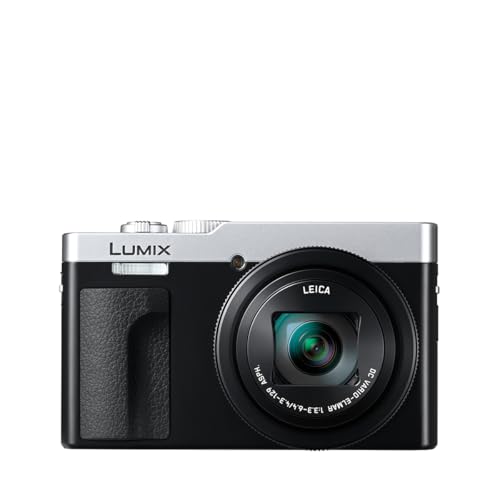
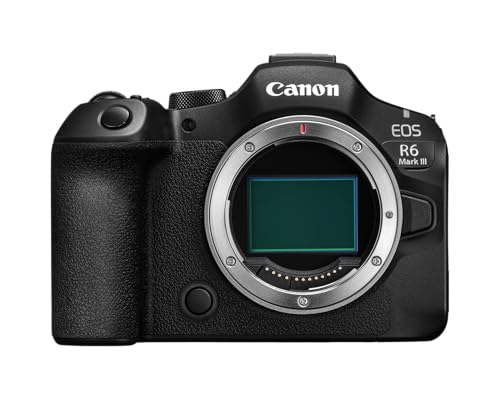

Camera Types Available Today
Compact cameras suit travelers who want better zoom and image quality than a phone without carrying extra lenses. They are light and simple, but their smaller sensors limit low light results and background blur. Mirrorless cameras dominate the current market, offering interchangeable lenses, fast autofocus, and strong video in bodies of many sizes. They suit hobbyists who want room to grow, since lenses can be added over time.
DSLR cameras remain available, often at lower prices, and suit buyers who prefer an optical viewfinder and long battery life. Their lens ranges are large, but new development has slowed as makers focus on mirrorless systems. Action cameras and instant cameras serve narrow uses, such as sport footage or printed keepsakes, and rarely suit general photography. Choose the type that matches your main use, not the type with the longest feature list.
Sensor Size, Lenses, and Image Quality
Sensor size shapes low light performance, depth of field, and how large you can print without visible noise. Larger sensors usually perform better in dim rooms, but they need larger and heavier lenses. A smaller sensor system can still produce excellent daylight photos and is far easier to carry all day. Balance sensor size against the weight you will actually carry, since a camera left at home takes no photos at all.
Lenses matter as much as the body, and a good lens can outlast several camera bodies. A versatile zoom covers travel and family events, while a fast prime lens suits portraits and low light. Check lens prices before choosing a system, because a cheap body with costly lenses may exceed your budget quickly. Look at the full system cost, including a spare battery, memory cards, and a bag, before you decide.
Autofocus, Video, and Everyday Handling
Autofocus now tracks eyes, faces, animals, and vehicles in many current models, which helps with children, pets, and sports. Test autofocus in the kind of light you shoot in, since bright store lighting can flatter a slow system. Video features vary widely, from simple clips to high resolution recording with microphone inputs. If video matters, check recording limits, heat behavior, and whether the camera crops the frame in video mode.
Handling decides whether a camera feels natural after an hour of use, so grip, button layout, and menu design deserve attention. A touchscreen helps with focus selection, while a good viewfinder helps in bright sunlight. Weather sealing matters for outdoor use, but it usually requires a sealed lens to work fully. Hold the camera if possible, or study hand size comparisons, before ordering online.
Budgets and What Each Range Buys
Entry budgets of about $400 to $800 buy capable compacts or older mirrorless kits that handle daylight, travel, and family photos well. You may give up the fastest autofocus and the best low light results, but image quality still beats most phones for prints. Midrange budgets of about $800 to $1,800 open stronger sensors, faster focus, better video, and wider lens choices. This range suits hobbyists who shoot weekly and want room to grow.
Higher budgets above $1,800 buy larger sensors, professional autofocus, tougher bodies, and advanced video tools. These gains matter most for paid work, large prints, or demanding sports and wildlife use. For most buyers, spending the difference on lenses, a tripod, or a course brings more visible improvement than a dearer body alone. Set a total budget first, then split it between body, lenses, and accessories.
A Practical Buying Checklist
Start by listing your three most common subjects, such as family, travel, or wildlife, and the light you usually shoot in. Match those subjects to a camera type and sensor size, then shortlist two or three systems within your total budget. Compare lens prices, weight, and video needs across those systems rather than comparing bodies alone. Read return terms carefully, since a camera that feels wrong in the hand is hard to enjoy.
Before you buy, check warranty terms, spare battery prices, and memory card requirements, since some cameras need costly fast cards for video. Keep boxes and receipts until you have tested the camera in real use, not just in a store. A camera that fits your subjects, budget, and hands will serve you far longer than the newest model chosen on headlines alone. The product table above can help you run through the types one final time.
Frequently Asked Questions
Is a mirrorless camera better than a DSLR today?
Mirrorless cameras now lead new development, with faster autofocus, lighter bodies, and stronger video in most current models. DSLRs still offer optical viewfinders, long battery life, and often lower prices on the used market. The better choice depends on your priorities, since a DSLR suits buyers who value those traits and already own compatible lenses. For most new buyers, a mirrorless system offers more room to grow.
How much should I spend on my first serious camera?
A first serious camera kit usually costs about $600 to $1,200, covering a body, a versatile zoom lens, a spare battery, and memory cards. That range handles travel, family, and hobby photography well in daylight and moderate low light. Spending more buys faster focus and better low light results, but lenses and practice often matter more. Set a total budget first so lens and accessory costs do not surprise you later.
Do megapixels matter when choosing a camera?
Megapixels matter less than sensor size, lens quality, and autofocus for most everyday photography. High megapixel counts help with large prints and heavy cropping, but they also create larger files and demand sharper lenses. For social sharing and standard prints, a moderate megapixel count with a good lens is plenty. Judge cameras on real sample photos in your kind of light, not on the megapixel number alone.
Should I buy a camera for both photos and video?
Many current cameras handle both well, but video needs deserve a separate check before you buy. Look at recording limits, heat behavior, microphone inputs, and whether video crops the frame. A camera that excels at stills may still frustrate a video maker with short clips or poor audio options. If video is half your use, shortlist cameras with strong video reviews and test them with your intended setup.
Is it better to buy a new or used camera?
New cameras bring full warranties, current firmware, and known shutter counts, which suit buyers who want peace of mind. Used cameras can offer a higher tier body or lens for the same money, but condition and shutter count vary. Buy used only from sellers with clear return terms and check the camera thoroughly on arrival. For a first camera, new entry kits often give the simplest and safest start.
Final Thoughts
Start with your subjects, your light, and your total budget, then choose the system whose lenses and handling fit those needs. Sensor size, autofocus, and video features matter, but only in proportion to how you actually shoot. A camera that feels good in the hand and fits your bag will get used far more than a more advanced model that stays home.
Use the product table above to compare the main types once more before you buy. With a clear subject list and a realistic budget, the best cameras right now become a short, sensible shortlist rather than an endless stream of new releases.
Related Buying Guides
For a closely related choice, see our guide to best cameras out right now. You may also find our guide to best camera phones right now. For more on a related option, read our guide to best cameras now.
Another useful comparison is our guide to best digital cameras.


