
Best Camera Phones Right Now: Buying Guide for 2026
Disclosure: We may earn a commission when you buy through links on this page, at no extra cost to you. As an Amazon Associate I earn from qualifying purchases. Learn more

Compare the best camera phones right now by sensor, lenses, battery, storage and update support to choose a phone that fits your budget and needs.
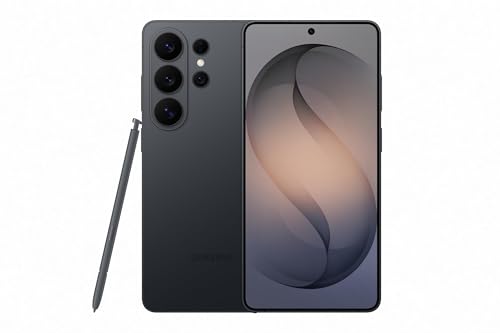
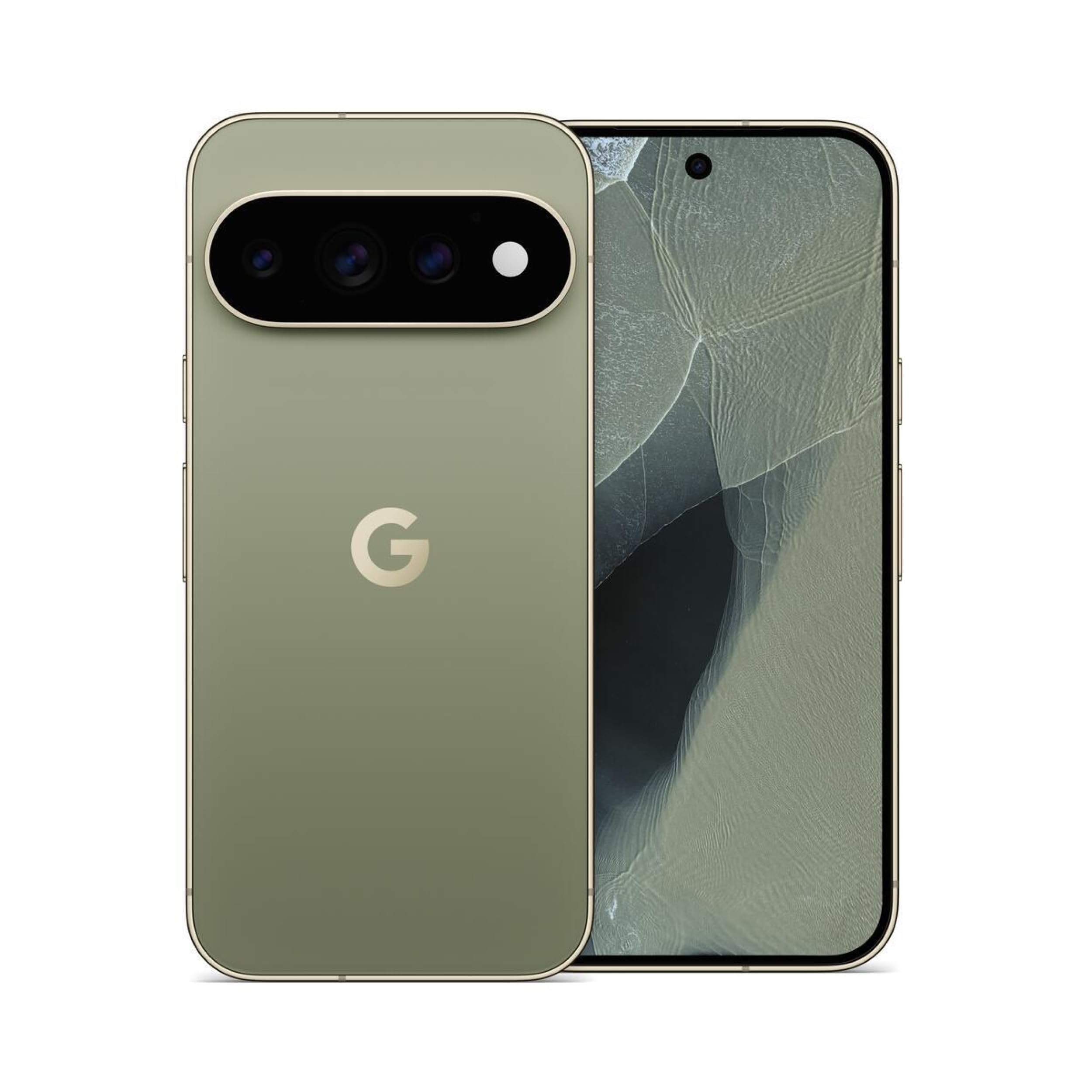
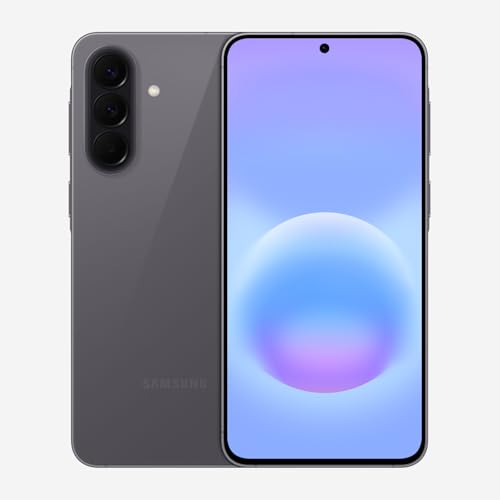
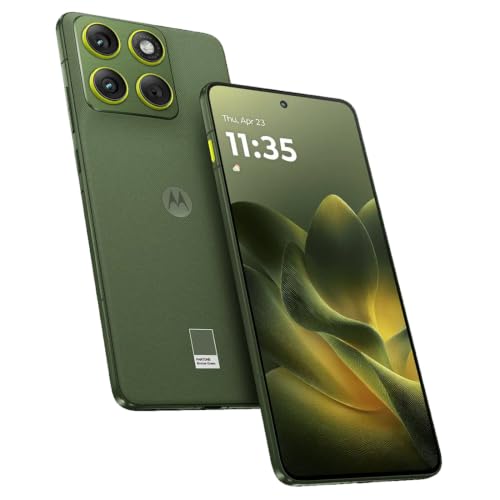
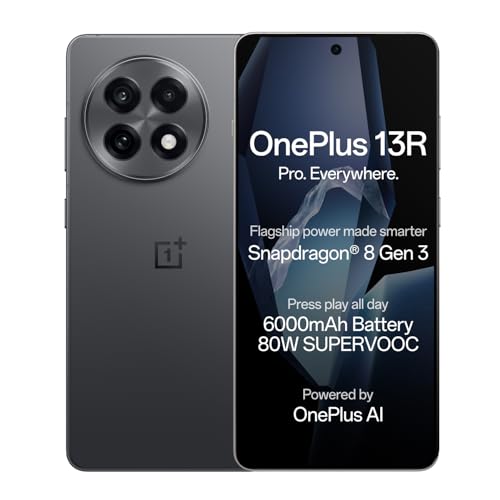
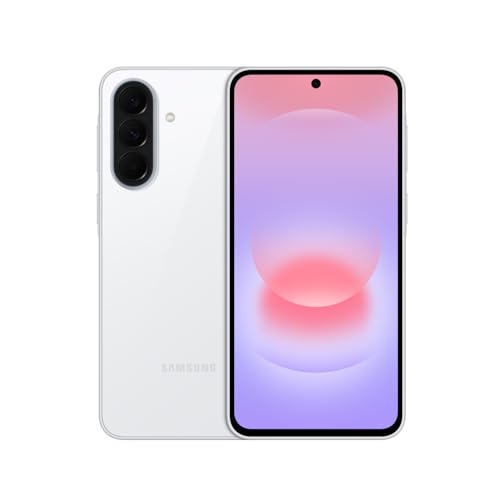
Phone cameras now handle family photos, travel albums, work scans and most social posts, so a weak camera is hard to forgive for the two or three years you will keep the device. The hard part is that spec sheets list megapixels and lens counts without telling you which details change your photos. This guide to the best camera phones right now focuses on sensors, lenses, screen quality, battery and update support, and the comparison table below gathers current options in one place.
You will learn how to judge low light results, how much storage photos and video really need, and when a flagship premium is worth paying. By the end you can match a phone to the way you actually shoot.



What Each Price Tier Delivers
Instead of chasing a single winner, think in tiers. Each step up buys you specific camera and comfort gains, and knowing what each tier delivers stops you from paying for power you will never notice.
Best Overall Tier
The overall sweet spot sits in the upper midrange and entry flagship range, roughly about $600 to $900. Phones here usually pair a large main sensor with a useful ultrawide lens, strong night mode processing and a bright OLED screen for editing. You also get faster charging, better water resistance and longer software support than budget models offer. For most people this tier gives photos that hold up in print and on large screens, without the steep cost of the very top models. If you shoot often and keep phones for three years, start your search here.
Best Value Tier
Value models around $300 to $500 surprise many buyers. The main camera is often genuinely good in daylight, with punchy colors and reliable autofocus, and many include optical image stabilization that used to be a flagship extra. The trade offs appear at night, where smaller sensors add noise, and in zoom range, where digital cropping replaces a true telephoto lens. Screens may be LCD rather than OLED on the cheapest options, and update windows are shorter. If most of your photos happen outdoors or in bright rooms, this tier covers you well and leaves money for storage, a case and a spare charger.
Best Upgrade Tier
Premium flagships above about $900 earn their price through versatility. A dedicated telephoto lens with optical zoom, a larger main sensor for cleaner night shots and advanced video tools such as high frame rate recording set them apart. Build quality rises too, with IP68 water resistance, tougher glass and wireless charging. This tier suits creators who publish video, parents who zoom across a sports field, and anyone replacing a separate camera. If you rarely zoom and seldom shoot after dark, the upgrade is harder to justify, because daylight photos from the tier below look very close.
How to Choose the Best Camera Phones Right Now: Buying Guide
The sections below walk through the seven decisions that shape daily use. Read them in order and note your priorities, then check the product table above against your short list.
Display Size and Quality
Your screen is where you frame, review and edit every shot, so it matters more than many buyers expect. OLED panels give deep blacks and strong contrast that make night photos easier to judge, and a 120Hz refresh rate keeps scrolling and gaming smooth. Brightness counts outdoors: look for a high peak brightness rating so the viewfinder stays readable in sun. Size is a trade off between a larger canvas for editing and one hand comfort. If you shoot a lot of video, a larger screen helps you spot focus errors before you stop recording.
Storage Options
Photos and especially video fill space fast. A single minute of 4K video can take several hundred megabytes, and high resolution stills add up over a two year library. For most people 256GB is the comfortable choice, while 128GB works only if you back up often and delete freely. Few camera focused phones still accept microSD cards, so assume the storage you buy is the storage you keep. Cloud plans help, but they add a monthly cost and depend on a connection when you travel. Buy one step above your current use if you plan to keep the phone beyond two years.
Software Updates and Support Window
Update policy decides how long your camera keeps improving. Makers often refine night mode, autofocus and video stability through software long after launch, so a phone with five to seven years of updates can take better photos in year three than a rival that stopped receiving them. Security patches matter too, because your photo library and accounts live on this device. Check the promised years of operating system and security support before you buy, and favor brands that state the number plainly. A longer window also protects resale value when you upgrade.
Processor and Everyday Performance
The processor runs the computational photography that defines modern phone cameras. A stronger chip merges multiple frames faster, which means sharper night shots, quicker portrait processing and less waiting between photos at a busy event. It also drives smooth multitasking, editing apps and games without heat build up that can throttle camera performance. RAM of 8GB is a sensible floor, with 12GB helpful for heavy editors. You do not need the fastest chip for casual photos, but a very weak one shows up as shutter lag, and missed moments cannot be retaken.
Camera System
Judge the camera system as a set of tools. The main lens does most of the work, so sensor size and aperture matter more than megapixel count: a larger sensor gathers more light and keeps night shots cleaner. An ultrawide lens suits landscapes, interiors and group photos, while a telephoto lens with optical zoom is the honest way to reach distant subjects. Night mode quality varies widely, so value consistent skin tones and controlled highlights over extreme brightness. For video, look for stabilization that stays smooth while walking and microphones that handle wind. If you compare across brands, our guide to the best cameras right now shows what dedicated cameras still do better.
Battery Life and Charging Speed
Camera use drains batteries quickly because the screen, processor and sensors all run at once. Capacity around 4,500 to 5,500 mAh is typical, but efficiency matters as much as the number. A phone that lasts a full heavy day of shooting, maps and messaging saves you carrying a power bank. Fast wired charging that refills half the battery in about half an hour is genuinely useful before an evening out, and wireless charging adds desk and car convenience. Avoid charging in extreme heat, which ages the battery, and note that constant fast charging can slowly reduce long term capacity.
Carrier Compatibility and 5G
An unlocked phone that supports the main United States bands gives you freedom to switch carriers and use local SIM or eSIM options when traveling. Check that the model supports your carrier 5G bands, because some imported versions miss key frequencies and fall back to slower service. Dual SIM support helps if you keep work and personal numbers on one device.
Types of Camera Phones
Camera Focused Phones
Camera focused phones put imaging first, with the largest sensors, the most complete lens sets and advanced manual controls. They suit enthusiasts who edit raw files and shoot in varied light. The cost is price and sometimes battery life, since big sensors and bright screens draw power. If photography is your main hobby, this is your category.
Flagship Phones
Flagships balance camera quality with the best screens, fastest chips and longest support. They are the safe choice when you want one device that does everything well for years. You pay a premium, and repairs cost more, but the overall package rarely disappoints. Many buyers who read about the best android phones right now end up choosing between two flagships on camera differences alone.
Budget Phones
Budget phones under about $300 cover daylight photography, documents and social sharing well. Expect one good main lens, simpler night results and shorter update support. They fit students, careful spenders and anyone buying a first phone for a teen. Choose storage carefully here, because small base capacities fill fastest, and look for optical stabilization if your budget stretches to it.
Tips to Get the Most From Your Phone Camera
- Use a case and a screen protector. Camera lenses sit proud of the body, and a raised case lip prevents the scratches that cause flare in bright light.
- Keep software updated. Camera improvements often arrive in regular updates, so install them rather than postponing for months.
- Clean the lens before important shots. A quick wipe with a soft cloth removes pocket smudges that soften contrast and mimic a cheap sensor.
- Back up photos regularly. Use cloud backup or a home drive so a lost phone does not mean a lost library, and check that backups actually complete.
- Lock focus and exposure for video. A long press on the subject stops the camera hunting for focus mid clip, which is the most common home video flaw.
- Avoid charging in extreme heat. Heat during charging and shooting together stresses the battery, so shade the phone on summer days.
For readers whose priority is finished image quality above all else, our guide to the best phones with good camera quality digs deeper into output consistency across lighting conditions.
FAQs
How many years of updates should a phone get?
Aim for at least five years of security updates and four major system upgrades. That window keeps camera features improving and banking apps supported for the life of the phone. Some premium brands now promise seven years, which suits buyers who keep devices a long time. Shorter support is a hidden cost, because an unsupported phone often forces an earlier replacement than worn hardware would.
How much storage do I need on a camera phone?
Choose 256GB if you shoot video or keep the phone for more than two years. Casual photographers who back up to the cloud monthly can manage 128GB, but the savings are small compared with the frustration of deleting photos on a trip. Check your current phone usage in settings, then double it as a guide, because camera files grow with each new sensor generation.
Is a mid range phone good enough for photography?
Yes, for daylight and social sharing a mid range phone is good enough for most people. Its main camera is usually strong, and the gaps appear in zoom range, night noise and video stabilization. If your favorite photos are outdoor trips, family gatherings and food in decent light, you will rarely feel limited. Spend the savings on storage or a small tripod for group shots.
Should I buy an unlocked camera phone?
Buy unlocked if you can, because it lets you change carriers, use travel eSIM plans and sell the phone more easily later. Confirm the model supports your carrier bands before ordering, especially for 5G. Carrier deals can look cheaper but may lock you in for two or three years of bill credits. Unlocked also means fewer preinstalled apps competing for storage.
Do I need 5G on a camera phone?
You need 5G mainly for fast uploads and cloud backup away from WiFi. It does not change photo quality, but it makes sharing large video files and backing up a day of shooting far less painful. Coverage varies by area, so check your carrier map. If you mostly upload at home, 4G remains workable, though new phones increasingly include 5G as standard anyway.
The Bottom Line
Start with the camera system, then confirm storage and update support, because those three choices decide how the phone feels in year two. Match the tier to your light and zoom habits rather than to headline megapixels, and revisit the comparison table above with your notes in hand. Chosen that way, the best camera phones right now become a short, confident list instead of a confusing spec contest.


