Best Cameras Now: Budget, Midrange, and Premium Picks for 2026
Disclosure: We may earn a commission when you buy through links on this page, at no extra cost to you. As an Amazon Associate I earn from qualifying purchases. Learn more

Compare the best cameras now by price tier with a clear buying guide on sensors, lenses, video, and long term costs for every skill level and budget.
Camera prices run from under $200 to well past $3,000, and the gap between tiers is not always obvious from a spec sheet. A bigger number beside one feature can matter far less than a better sensor, a brighter lens, or autofocus you can trust. Shoppers comparing best cameras now need to know where extra money visibly improves photos and where it does not.
This guide breaks the market into three budget tiers, explains what each tier delivers, and flags the features worth paying for. Use the comparison table below to see the spread, then read on to match a tier to the way you actually shoot.






Choosing by Budget: What Each Tier Should Give You
Think of tiers as bundles of capability rather than quality labels. A budget camera can take lovely photos in good light with a simple scene. Higher tiers buy you control in harder light, faster action, and more room to edit. The three checklists below describe what a sensible choice at each level should include.
Best Budget Pick Criteria
A good budget choice, usually under about $500 for a dedicated camera, should give you a sensor larger than a phone sensor or a genuinely useful optical zoom. Look for reliable auto mode, a simple menu, and image stabilization that helps at slower shutter speeds. For family photos, travel snapshots, and learning the basics, that package is enough.
Expect limits in low light, slower autofocus on moving subjects, and basic video. Screens may not tilt, and weather sealing is rare. The key test at this tier is honesty: a camera that does a few things well beats one that lists many features it performs poorly. Save part of the budget for a memory card and a spare battery.
Best Midrange Pick Criteria
A strong midrange choice, roughly about $600 to $1,500 with a kit lens, should bring a larger sensor, much better autofocus with eye detection, and 4K video that looks clean. Add a tilting or fully flipping screen, a microphone input, and good in body or lens stabilization. This is the tier where creative control becomes practical rather than theoretical.
Weaknesses still exist. Kit lenses are often dim indoors, burst speeds suit school sports more than pro action, and menus can overwhelm new users. Still, for growing hobbyists, parents, and content creators, this tier offers the best balance. Many buyers stay here happily for years, upgrading a lens before a body.
Best Premium Pick Criteria
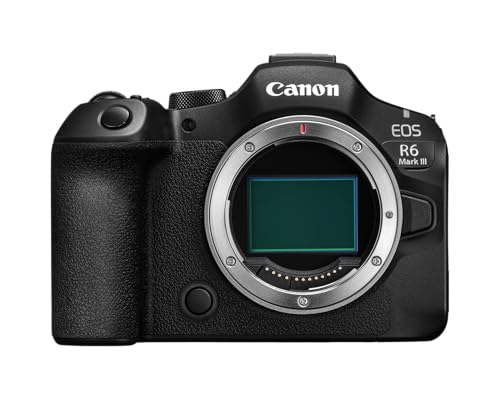
A premium choice, often about $1,800 and up before lenses, should deliver a full frame sensor or a top tier crop sensor, excellent low light files, and autofocus that tracks people, animals, and vehicles with confidence. Expect dual card slots, weather sealing, strong battery life, and high quality video tools such as log profiles.
The trade offs are size, weight, and system cost. Premium bodies demand premium lenses to show their best, and bags get heavy on long days. Choose this tier if you shoot weddings, wildlife, sports, or paid work. Otherwise its advantages may sit unused while its costs stay very real.
What Your Money Gets You at Each Price Tier
Tiers buy specific upgrades. Knowing which upgrades appear at which price helps you stop paying for the wrong ones. The pattern below holds across most major systems, whether you favor compact, mirrorless, or DSLR style bodies.
Budget Tier: What to Expect
At budget level you get point and shoot simplicity or an entry mirrorless body with a kit lens. Sensors are commonly 1 inch in compacts or APS C in interchangeable lens models. Autofocus handles still and slow subjects well, video is usually fine for daylight clips, and apps transfer photos to your phone with a little patience.
You give up reach, ruggedness, and finesse. Indoor action blurs, backgrounds stay busy because kit lenses have narrow maximum apertures, and controls are buried in menus. For learning composition and light, none of that blocks progress.
Midrange Tier: The Sweet Spot for Most Buyers
Midrange money buys the upgrades you can see in everyday files. Autofocus locks onto eyes and follows kids and pets across the frame. Larger or newer sensors hold detail in shadows, so you can lift exposure in editing without ugly noise. Video gains a microphone jack, better stabilization, and frame rates that suit slow motion.
You also get better handling: more dials, a joystick for focus point control, and screens you can angle for low or high shots. That handling speed matters when moments move fast. For most enthusiasts, this tier ends the search. Spend remaining money on one brighter lens, which transforms indoor photos more than a body upgrade would.
Premium Tier: When Spending More Pays Off
Premium money buys consistency under pressure. Focus stays accurate in dim halls, burst modes capture long sequences without slowing, and files survive aggressive editing and large prints. Build quality rises too, with sealed bodies and shutters rated for heavy use. Video tools approach small cinema cameras, including better codecs and heat management for long takes.
It pays off when missed shots cost money or cannot be repeated, like a ceremony, a rare bird, or a championship play. It pays off less for casual travel, where size alone can leave the camera at the hotel. Judge honestly how often you shoot in hard conditions before paying for a body built for them.
If image quality across the board is your main concern, our guide to the best quality cameras looks closely at what drives file quality.
Features Worth Paying For (and Ones to Skip)
Feature lists mix gold with glitter. The four areas below decide most real world results, and each one has a clear point where extra spending stops helping most buyers.
Sensor Size and Image Quality
Sensor size shapes low light quality, depth of field, and editing flexibility. A 1 inch sensor is a solid step above a phone, APS C is the versatile middle ground, and full frame gathers the most light and gives the shallowest depth of field with a given lens. Larger sensors also demand larger, costlier lenses, so total system size grows with the sensor.
Megapixels matter less than marketing suggests. Around 20 to 26 megapixels is plenty for large prints and moderate cropping. Very high counts help wildlife cropping and huge prints but create bigger files and can show lens flaws. Pay for sensor size before pixel count.
Lens and Zoom Range
The lens decides sharpness, brightness, and how close your subject appears. Optical zoom uses real glass to magnify, keeping detail, while digital zoom crops and degrades the image. A lower f number, such as f/1.8 or f/2.8, lets in more light and blurs backgrounds more than a typical kit lens at f/4 or f/5.6.
For travel, a moderate zoom range you will actually carry beats a huge range left at home. For portraits, one bright prime lens often beats a second zoom. Readers comparing general photography setups can see our guide to the best cameras for photography for more on matching lenses to subjects.
Video Capabilities
Pay for video features only if you will use them. Solid 4K at 30 frames per second covers family films and most online work. Creators benefit from 4K at 60 for smooth slow motion, a flip screen for filming yourself, a microphone input for clear speech, and log profiles if they enjoy color grading.
Skip paying extra for 8K unless you crop video heavily or deliver to clients who ask for it. Check recording limits and heat behavior too, since some bodies stop mid take in warm rooms. A camera that records your full school play without fuss beats a more advanced one that overheats at minute twenty.
Ease of Use for Your Skill Level
A camera you understand takes better photos than a stronger one you fight. Beginners should value clear auto modes, guided menus, and a phone app that moves photos easily. Growing users should look for custom buttons and quick menus that shorten the path to key settings.
Handle the camera if you can, even briefly in a store. Grip depth, button reach, and menu logic are personal. Weight matters over a full day too, and the camera you bring beats a perfect one left at home every time.
Starting From a Device Type
Some shoppers start from a device type rather than a budget. The section below highlights the criteria that matter when you start from a device type.
Best Digital Cameras Now
When people search best digital cameras now, they usually mean a dedicated camera rather than a phone. Judge these on sensor size, optical zoom or lens choice, and how much control you want. A simple compact suits pure snapshots, while a mirrorless body suits anyone keen to learn settings and swap lenses as skills grow.
For a related roundup of what is current, see our guide to the best cameras right now, and for phone focused shooting, our guide to the best camera phones now.
Long Term Costs to Factor In
The body is only the first payment. Budget for lenses, which can cost as much as the camera, plus memory cards, a spare battery, a bag, and a sensor cleaning kit. Insurance or an extended warranty can make sense for travel or paid work, but skip it for a low cost body you could replace easily.
Software is another quiet cost, since editing apps often use subscriptions. Storage grows too, especially with video, so plan for backup drives. Reserve about a third of your total budget for everything beyond the body and first lens. Our guide to the best digital cameras can help you check body prices against that total.
FAQs
Is a smartphone enough instead?
For many people, yes, a current smartphone is enough for daylight photos, social sharing, and casual video. Its processing hides many technical limits and it is always with you. A dedicated camera pulls ahead for real optical zoom, low light action, shallow depth of field, and reliable controls. A useful sign is frustration: if you keep missing shots your phone cannot capture, the upgrade has a clear job.
Which is better for low light?
A larger sensor paired with a bright lens is better for low light. Full frame bodies with an f/1.8 or f/2.8 lens keep shutter speeds safe and noise low at concerts, restaurants, and evening events. Stabilization helps with still subjects but cannot freeze a dancing child. If low light is your main use, spend on the lens first, because a bright lens on a midrange body beats a dim kit lens on a premium one.
What specs matter most for beginners?
For beginners, autofocus reliability, a helpful auto mode, and a screen you can tilt matter most. Sensor size comes next, since it forgives exposure mistakes in editing. Ignore extreme zoom numbers, huge megapixel counts, and long lists of video codecs for now. One practical tip is to check the learning resources for the system: good tutorials and an active user community shorten the early months a lot.
How much should I spend on my first one?
Spend enough to clear your main frustration and no more. For most first time buyers, about $500 to $1,000 including a lens covers a camera that will last years of learning. Going cheaper can mean outgrowing the camera within months, while going premium buys features you cannot yet use. Keep money aside for a second battery and a basic editing app, which improve daily use more than a small spec upgrade.
Do I need to buy lenses right away?
Not usually. A kit lens covers everyday photos, travel, and family video while you learn what you shoot most. Add a lens only when a repeated frustration points to it, such as a bright prime for indoor shots or a telephoto for sports. That keeps spending tied to real needs.
Final Thoughts
Choose by tier first, then by sensor and lens, and only then by extra features. Most buyers belong in the midrange, where autofocus, video, and handling all become genuinely good. Budget buyers should protect photo quality in good light, and premium buyers should be sure hard conditions are part of their real shooting life.
Compare your shortlist in the product table above and set a total budget that includes lenses and cards. Judged that way, the best cameras now for you will be the kit you can afford fully, carry often, and grow into rather than out of.