
Best Cameras Out Right Now: What to Buy for 2026
Disclosure: We may earn a commission when you buy through links on this page, at no extra cost to you. As an Amazon Associate I earn from qualifying purchases. Learn more

Compare the best cameras out right now by sensor, lens, autofocus, and video, and see when last generation is the smarter buy.
Camera lineups change on a steady cycle, and a model released a few months ago is not always better than one a generation older and cheaper. Shoppers comparing the best cameras out right now need to separate real upgrades from small spec bumps. This guide shows what has changed in recent models, which features are worth paying for, and how to judge a camera for photos, video, and travel.
The comparison table below gives a quick view of the current range. The sections that follow explain how to read a new release, how the main camera types differ, and what to check before you buy.



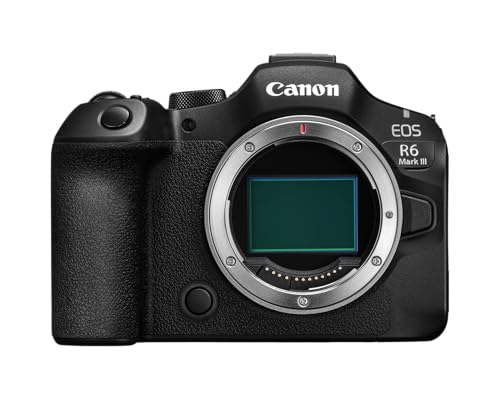


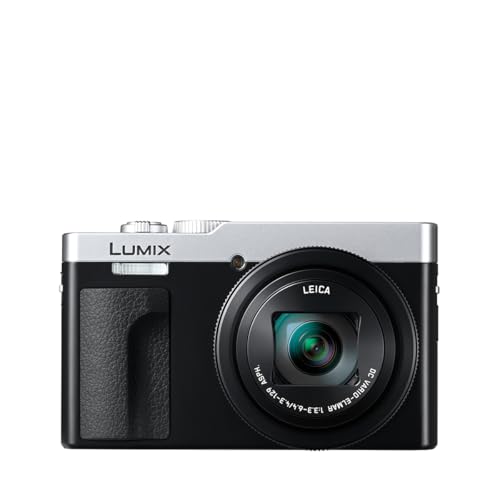
What Changes Between Camera Generations
Most new bodies keep the same basic shape and add refinements. The upgrades that change daily results are autofocus that tracks eyes, animals, and vehicles, a faster sensor readout that reduces distortion in video, and better stabilization. Cosmetic changes, such as a new color or a slightly higher megapixel count, rarely matter.
When a new model arrives, the previous one usually drops in price while staying fully capable. If the newer model only adds a small feature you will not use, last generation often gives the better value. Read what changed, then decide whether that change touches the way you shoot.
Camera Types You Will See Listed
Mirrorless cameras lead the current market. They use interchangeable lenses and an electronic viewfinder, and they range from small entry bodies to professional tools. DSLRs are still sold and cost less, but few new lenses and models are appearing. Compact cameras add a real zoom or a larger sensor in a pocket body, which suits travel. Action cameras are tiny, tough, and wide, and they suit sport and mounting on a helmet or bike.
Pick the type by subject first. A family that shoots school events needs good autofocus and a zoom. A traveler needs weight and battery life. A new vlogger needs a flip screen and a microphone input. Our guide to the best cameras right now compares the same market from another angle.
Sensor, Lens, and Autofocus
Sensor size shapes low light results and background blur. A 1 inch sensor beats a phone, APS C is the popular middle ground, and full frame gathers the most light at a higher price. Lens quality matters as much as the body, so compare the kit lens range and the price of the lenses you will want next.
Autofocus decides how many moving shots stay sharp. Look for eye detection, subject tracking, and a burst rate that suits kids or pets. Image stabilization, in the body or the lens, helps in shade and indoors without pushing noise up.
Video Features Worth Paying For
Solid 4K at 30 frames per second covers family video and most online work. Creators gain from 4K at 60 for smoother slow motion, a fully flipping screen, a microphone input, and a recording time that does not stop in a warm room. Skip 8K unless you crop heavily or deliver to clients who ask for it.
Battery, Cards, and Handling
Battery life is listed in shots per charge, and real use is usually lower when you review images or record video. Buy a spare. Check the card slots and the card speed the camera needs for video. Hold the camera if you can, because grip depth, button reach, and weight decide whether it leaves your bag.
Budget, Midrange, and Premium
Entry cameras suit snapshots and learning, usually with a kit lens and modest video. Midrange bodies add strong autofocus, better screens, and clean 4K, and they suit most enthusiasts. Premium bodies add sealing, dual card slots, and files that survive heavy editing, which matters mainly for paid or hard-to-repeat work.
Reserve about a third of your budget for a memory card, a bag, a spare battery, and a second lens. A cheaper body with a good lens usually beats a premium body with only the kit lens.
Reading Reviews and Sample Footage
When you compare current models, look for sample photos and clips shot in conditions like yours: a dim living room, a fast moving child, or a bright street with deep shadows. Studio charts and showroom clips hide the weaknesses that matter after purchase, such as slow autofocus in low light or video that stops when the body warms up. Check how a model behaves after a firmware update too, since makers often improve autofocus and stabilization months after release.
Be careful with early reviews of a brand new body. Launch coverage often repeats the maker's claims, while owner feedback a few months later shows battery life, reliability, and menu problems. A model that has been on sale for half a year, with a settled price and known quirks, is often the safer buy.
Common Mistakes to Avoid
Do not choose a camera by megapixels, which matter far less than sensor size and lens quality. Do not pay for the newest release when last generation does the same job. Do not ignore the system: lens availability and price decide what you can shoot in two years.
When to Buy and When to Wait
Camera prices drop after a replacement is announced and during seasonal sales, so patience can save a few hundred dollars on a body you were going to buy anyway. Wait only if your current camera still works for your needs. If a missed event or a dim school hall keeps ruining your shots, buy now, because the cost of missed photos usually outweighs a modest later discount.
Frequently Asked Questions
Is the newest camera always the best buy?
No. A newer model may add autofocus or video refinements, but the previous generation is often cheaper and still excellent. Compare the changes against how you shoot before paying more.
Mirrorless or DSLR right now?
Mirrorless is the better choice for most buyers, with faster autofocus, lighter bodies, and active lens development. A DSLR can still make sense when you already own lenses or find one at a low price.
How much should I spend?
Many first time buyers do well with about $500 to $1,000 including a lens. Going cheaper can mean outgrowing the camera quickly, while premium bodies add features you may not use yet.
Do I need a full frame camera?
Most people do not. APS C bodies give excellent photos for prints and sharing at lower cost and weight. Full frame helps most in very low light and for large prints.
Is a phone enough instead?
For daylight snapshots, often yes. A dedicated camera pulls ahead with real optical zoom, low light action, shallow depth of field, and reliable physical controls.
Final Thoughts
Match the camera type to your subjects, put autofocus, sensor, and lens ahead of headline numbers, and count the full kit cost. Use the product table above to compare the best cameras out right now, then choose the one you will carry and enjoy.
