
Best Camera Phones Now in 2026: Which Type Is Right for You?
Disclosure: We may earn a commission when you buy through links on this page, at no extra cost to you. As an Amazon Associate I earn from qualifying purchases. Learn more

Confused by all the options? We compare every type of camera phone side by side so you can choose the best camera phones now for your space and budget.
If you are shopping today, the shelves are crowded with phones that all claim camera greatness, and the claims blur together fast. This guide to the best camera phones now compares the three types on sale today, flagships, mid range phones, and budget phones, by what they actually deliver. Type first, model second is the order that saves you money and regret.
Timing matters too, since prices drop as release cycles turn, and a slightly older flagship often undercuts a brand new mid range phone. The comparison table below shows the types side by side, and the sections that follow explain battery, display, software, and build so you can buy once and buy well.
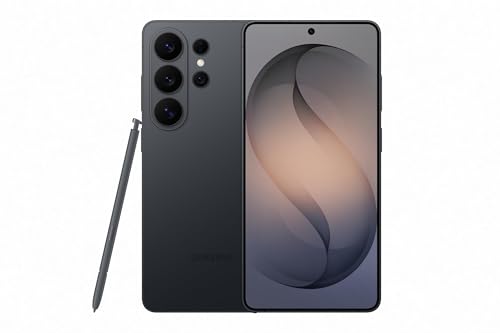

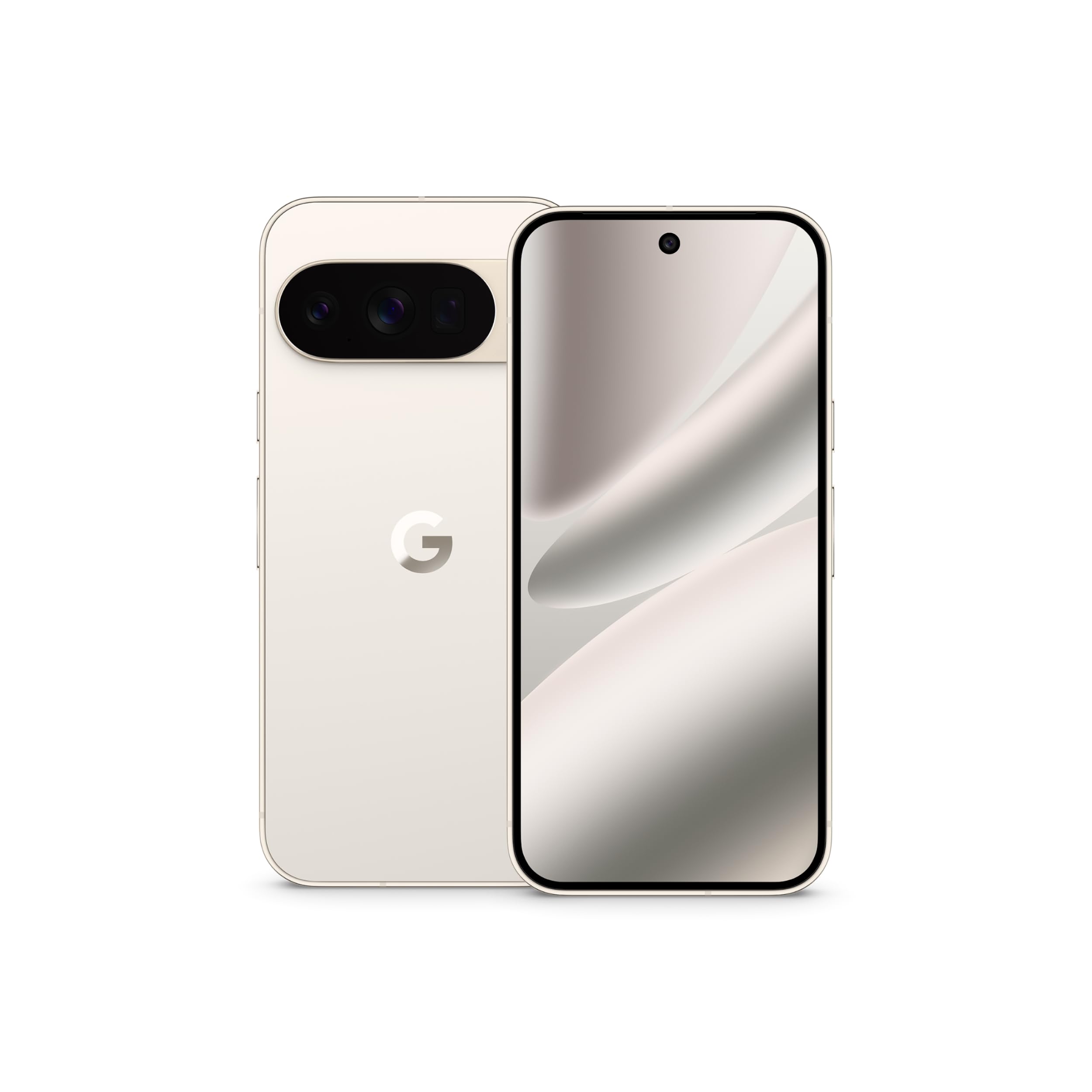

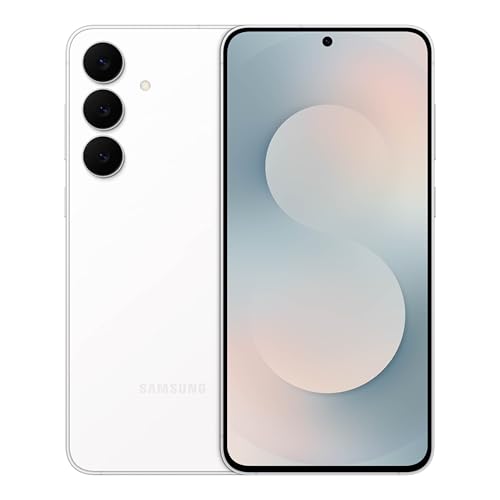

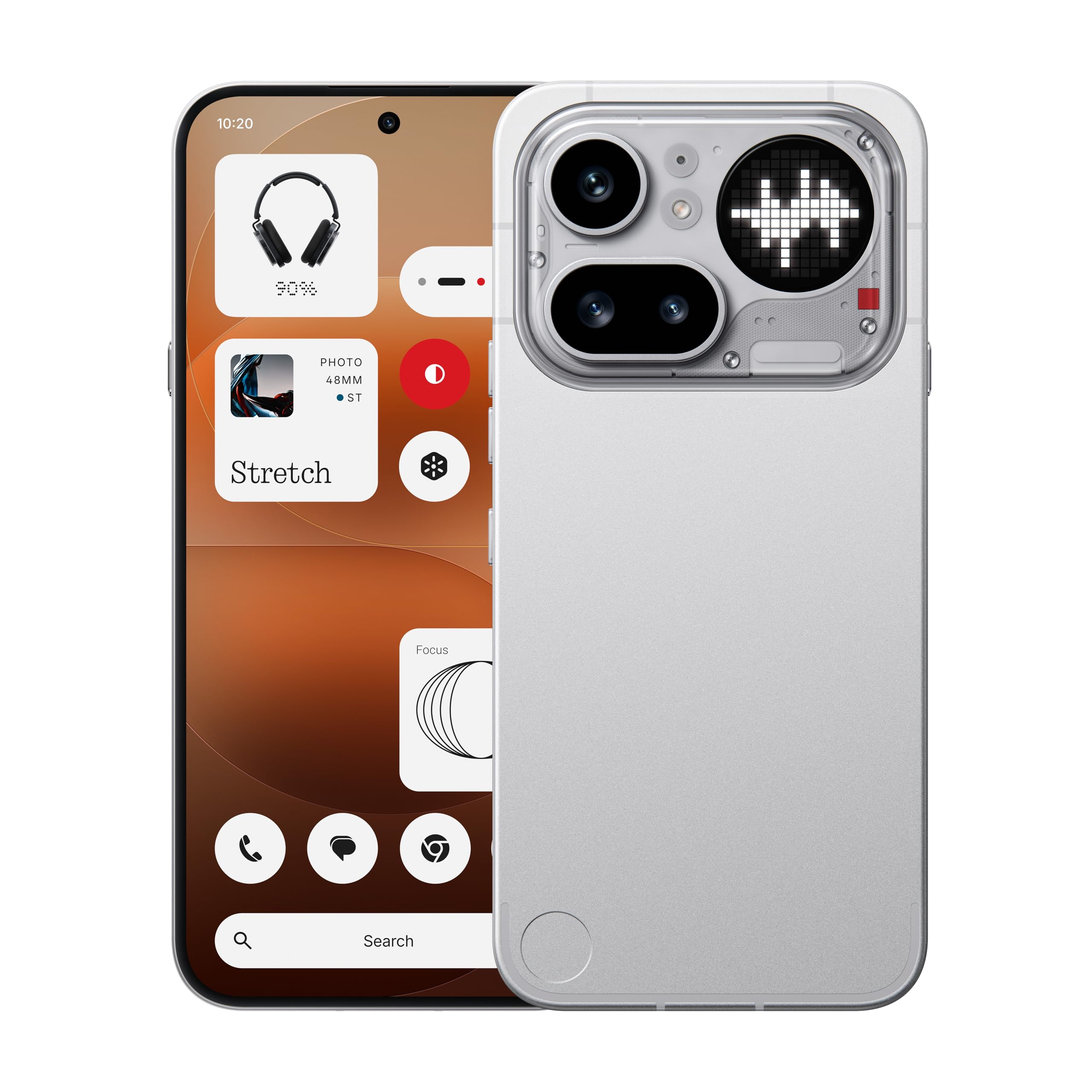


Types of Camera Phones Compared
Every phone on sale today belongs to one of three types, and the type predicts your experience better than any single headline feature. Shoppers who want the freshest models across categories can also scan the best camera phones right now for current availability context. Here is what each type really offers a photographer today.
Flagship Phones
Flagships are the newest top tier models from each brand, pairing the strongest camera systems with the fastest chips and brightest screens. Expect multiple lenses including a real telephoto, polished night mode, and the longest software support in the line. Video quality and stabilization are also at their best here, which matters for family events and travel films.
The cost is the catch, with prices commonly about $800 to $1,400 at launch. Waiting a few months or choosing a sale event softens that considerably. Buy a flagship if you keep phones for four years or more and shoot often in difficult light. Otherwise you may pay for power you never touch.
Mid Range Phones
Mid range phones, roughly about $300 to $600, are where value lives right now. Their main cameras produce excellent daylight photos and genuinely good night shots, because processing tricks flow down from flagships quickly. Most keep bright OLED screens and 5G, while trimming telephoto lenses, wireless charging, and sometimes water resistance.
Choose this type if you upgrade every two or three years and shoot mainly people, food, and places in decent light. The photo gap to flagships shows mostly at concerts, safaris, and dim indoor sports. For typical family and travel albums, mid range results already look great on any screen.
Budget Phones
Budget phones under about $300 focus on the essentials: one decent main camera, a big battery, and a screen that is easy to read. Night mode exists but works best on still subjects, and video is serviceable rather than cinematic. Build quality is simpler, and update promises are the shortest of the three types.
Pick a budget phone if your photos are mostly daylight snapshots for chats and social posts, or if the phone is a first device for a teenager. Spending the savings on extra storage often improves daily life more than a small camera upgrade would. Just set expectations for low light honesty.
Flagship Phones vs Mid Range Phones: Which Should You Choose?
The honest answer depends on your light and your zoom habits. In daylight, side by side photos from both types look close, and most friends viewing on phones will never spot the difference. In dim rooms and at evening events, the flagship pulls ahead with cleaner detail, faster focus, and steadier video.
Zoom separates them further, since mid range phones crop while flagships often carry true telephoto lenses. Support length matters too: flagships commonly promise years more updates. If your budget stretches only with discomfort, the mid range type is the rational buy today, and our guide to the best phones with good camera quality shows the quality markers to check. If you shoot weekly in hard conditions, the flagship premium is justified.
How to Choose the Right Camera Phone
After type, four features decide long term satisfaction: battery, display, software support, and build. These rarely headline advertisements, yet they shape every day with the phone. Judge them in this order and the camera decision mostly makes itself.
Battery Life and Charging Speed
A battery around 5,000 mAh is the current comfort standard for a full day that includes heavy camera use, navigation, and messaging. Fast wired charging, common on mid range and flagship models, can restore half the battery during a short break, which is gold on travel days. Wireless charging is convenient on desks and nightstands but slower and warmer. If you shoot lots of video, prioritize capacity first and charging speed second.
Display Size and Quality
Choose an OLED display with high peak brightness so you can compose and review photos accurately outdoors. A 120Hz refresh rate keeps gallery scrolling and menu movement feeling fluid, and good color accuracy helps your edits look right everywhere else. Screen size between about six and seven inches covers most preferences. Our roundup of the best mobile phone cameras explains how display quality quietly supports better photography decisions in the field.
Software Updates and Support Window
Buying now means buying the update policy as much as the hardware. Leading brands promise up to seven years of updates on flagships and several years on mid range models, while budget phones may stop at two or three. Camera improvements ride along with those updates, so support length literally improves your photos over time. Check the written promise for the exact model, and treat a vague answer as a short window.
Build, Durability, and Water Resistance
An IP68 rating is common on flagships and spreading through the mid range, and it protects the phone at beaches, pools, and rainy sidelines. Strong glass and a solid frame help the phone survive the drops that end cameras instantly. Even so, add a case, because repair costs on sealed phones are steep. A durable body also protects resale value, which matters if you trade in toward your next phone.
How to Make Your Camera Phone Last Longer
Start with a case and screen protector, and clean the lens with a microfiber cloth instead of clothing that can scratch the coating. Keep software updated so camera fixes and security patches arrive promptly. Store your photo library in two places, because a backup habit protects memories better than any hardware feature.
- Use a case and screen protector from the first day
- Keep software updated and restart the phone weekly
- Avoid charging in extreme heat, such as a hot parked car
- Charge between roughly 20 and 80 percent when practical
FAQs
How much storage does a camera phone need?
For most buyers today, 256GB is the sweet spot, balancing price with room for years of photos and 4K video. Light users with reliable cloud backup can manage 128GB, but apps and system files consume a growing share each year. Phones without card slots can never gain space later. Our comparison of the best phones by camera notes which types still offer expandable storage if that matters to you.
Is a mid range phone good enough right now?
Yes, mid range phones are good enough for the large majority of buyers right now, with main cameras that handle daylight, portraits, and casual night shots very well. The compromises are zoom reach, premium materials, and shorter update windows. If you replace your phone every few years anyway, those tradeoffs rarely bite. Spend the difference on storage or a good case and you come out ahead.
How many years of updates should a phone get?
Look for at least four years of security updates, with five to seven years now common on flagships from major brands. Updates protect your accounts and photo library, and they frequently refine camera processing after launch. A phone that stops receiving updates becomes risky for banking and email long before its camera wears out. When two models cost similar money, pick the one with the longer written promise.
Should I buy an unlocked camera phone?
Yes, unlocked is the flexible choice for most buyers, letting you change carriers, use travel eSIM options, and usually sell the phone for more later. The tradeoff is paying upfront or financing through the maker instead of a carrier. Verify that the model supports your carrier bands before ordering, particularly with less common brands. Freedom plus verified compatibility is the combination to aim for.
Do I need 5G on a camera phone?
You do not need 5G for photography, since the camera itself works identically offline. 5G earns its place when you upload large videos to cloud storage away from home or want the longest possible network relevance. Coverage quality varies street by street, so real world benefit depends on where you live. Nearly every new mid range and flagship phone includes it anyway, making the question mostly moot today.
Our Verdict
Buy the type that matches your light, your zoom habits, and your replacement cycle, then confirm battery, display, and update length before price. Most shoppers today land happily in the mid range, while demanding shooters and long keepers should stretch to a flagship. Decide with this best camera phones now framework, glance at the product table above, and your next camera phone will feel right for years.


