
Best Cameras with Zoom Lenses in 2026: Which Type Is Right for You?
Disclosure: We may earn a commission when you buy through links on this page, at no extra cost to you. As an Amazon Associate I earn from qualifying purchases. Learn more

Compare bridge, interchangeable lens and compact long zoom camera types by optical reach, size and price, and see why the optical zoom figure matters most.
Zoom numbers are the most confusing figures in camera shopping, because one big multiplier on the box can hide two very different lenses. Shoppers hunting the best cameras with zoom lenses quickly meet bridge cameras, mirrorless bodies carrying telephoto lenses, and pocket compacts that all promise huge reach. This guide compares those three types side by side, explains what the zoom figures really measure, and shows which type suits distant subjects without wasting money on reach you will never use.
One honesty point before the types. Only optical zoom is real reach, because the glass itself magnifies the scene before the sensor records it, while digital zoom simply crops the picture and stretches what is left, adding no new detail. Listings blur that line, and the same shelves get labeled best zoom lenses cameras, travel zooms, or superzooms depending on the seller. The comparison table below separates the three types by reach, size, and typical price so the honest figure stays easy to spot.

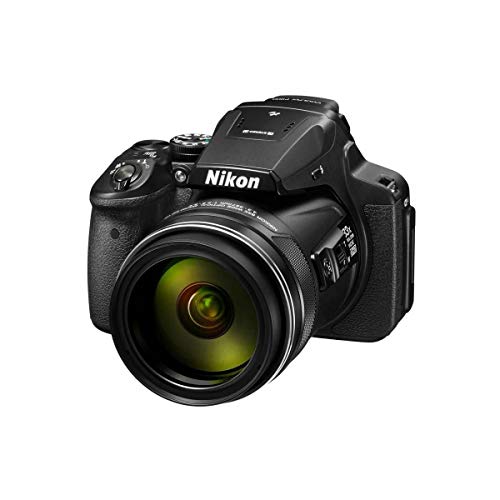
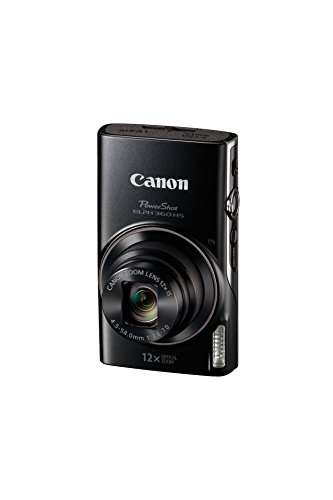


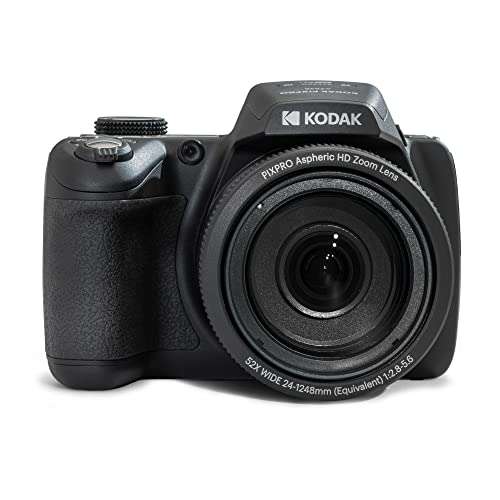


Three Types of Zoom Cameras Compared
Every long reach camera is one of three builds, and the build decides how the reach behaves, what the outfit weighs, and what it costs to grow later. The table sums up the split, and the sections under it walk through each type in turn.
| Type | Best For | Strengths | Trade Offs | Typical Price |
|---|---|---|---|---|
| Bridge, fixed long lens | Birds, sport, travel with one camera | Enormous reach for the money, nothing extra to buy or carry | Small sensor, fixed lens cannot be swapped or upgraded | About $300 to $700 |
| Interchangeable lens with telephoto zoom | Serious wildlife and sport, growing systems | Big sensor, sharper detail, lenses can change and improve | Cost and weight climb fast, body and lens priced apart | About $800 to $2,500 |
| Compact long zoom | Travel, family days, stadium seats | Pocket size, simple controls, modest price | Least reach of the three, weakest after dark | About $250 to $500 |
Bridge Cameras: One Body Carrying One Very Long Lens
A bridge camera builds a long zoom lens permanently into a body shaped like a small DSLR, with a proper grip, a viewfinder, and manual controls. The lens often reaches farther than any affordable interchangeable setup, covering wide scenes and distant birds without a single swap. Because the lens never comes off, there is no dust path to the sensor and nothing else to pack, which makes the bridge the simplest route to serious reach.
The compromise sits inside. Bridge cameras use small sensors, so fine detail and low light results trail the bigger systems, and the far end of the zoom softens in poor weather light. You also marry the lens for life: when a better lens appears, the whole camera is the upgrade. Choose a bridge when reach per dollar and one bag simplicity matter more than the last layer of image quality.
Interchangeable Lens Cameras Paired With a Telephoto Zoom
This route splits the purchase in two: a mirrorless or DSLR body, and a telephoto zoom lens bought for the subjects you chase. Bigger sensors gather more light and hold detail at distance, and the lens can change as your interests grow, from a starter telephoto to long specialist glass. Guides to the best lenses for cameras show how wide that second half of the market runs, because the lens, not the body, sets your reach and much of your sharpness.
Maker ecosystems shape the bill. Shoppers pricing the best zoom lenses for nikon dx cameras, for example, meet a deep bench of crop sensor telephotos at friendly prices, and rival systems answer with their own. The costs are weight, money, and decisions, since body and lens are priced apart and the outfit grows. Choose this type when you shoot distant subjects often and want quality that can improve piece by piece.
Compact Cameras With a Long Zoom in a Pocket Body
A compact long zoom folds a surprising reach into a camera that still slips into a jacket pocket. Travelers love the formula: one small camera for street scenes at the wide end and monuments, wildlife, or stadium action at the long end, with no bag and no lens changes. Controls stay simple, and many models hand the scene to automatic modes gracefully, which suits family days and holidays.
The reach is real optical zoom, but it is the shortest of the three types, and the small sensor shows its limits fastest once light drops. Zoom motors also drink battery, so a long day of sightseeing at full reach calls for a spare. Among the wider field of the best digital cameras, this is the group to pick when the camera must disappear into a pocket yet still pull a distant subject closer.
Bridge or Interchangeable Lens: Which Route Fits Your Subjects?
These two types chase the same distant subjects with opposite budgets, so compare them on the points that decide a year of shooting. Reach per dollar goes to the bridge by a wide margin, since its fixed lens delivers focal lengths that cost several times more as separate glass. Low light goes to the interchangeable system, whose bigger sensor keeps feathers, fur, and faces clean at dusk.
Carrying goes to the bridge on any day that involves walking, while growing goes to the system, which lets you upgrade the lens alone. Our companion checklist on the best cameras for zoom works the same fork from the numbers side, starting with the optical figure itself.
Decide by subject and habit. Occasional birds, school sport, and one camera travel days point to the bridge. Weekly wildlife, printed enlargements, and a willingness to build an outfit over time point to interchangeable lenses. Neither route is wrong, but buying the system for a twice a year zoo trip is money parked in a cupboard.
The Specs That Decide a Zoom Camera
Read the Optical Figure First
Zoom is written two ways: as a multiplier such as 30x, and as a focal length range in millimeters. The multiplier only tells you how much longer the far end is than the wide end, so a 30x lens that starts very wide may end shorter than a 20x lens that starts narrow. The range tells the truth, and makers print it as a 35 mm equivalent so different sensor sizes can be compared fairly. When you compare the best cameras with zoom lenses side by side, line up those ranges first and treat the multiplier as decoration.
Digital Zoom Is Cropping, Not Reach
Digital zoom enlarges the middle of the picture the sensor already captured, which is the same result as cropping the photo later on a computer. It adds no detail, and at high settings it smears edges and texture into blocks. Makers still add optical and digital figures into one headline number on some boxes, which is how a modest lens becomes a miracle on paper. Roundups of the best zoom lens cameras separate the two figures for a reason: the optical range is the only reach you actually own, so find it in the spec sheet and ignore the combined total.
Aperture at the Long End and the Light Problem
Every zoom lens gathers less light as it stretches, shown by the second f number in its range, and a lens that ends at a dim figure needs slower shutter speeds or higher sensitivity exactly when the subject is farthest away. That is why distant animals at dawn test a zoom camera harder than the same animal at noon. A wider aperture at the long end is one of the honest things money buys in this category, along with stabilization. If your subjects live in shade, forests, or evening stadiums, weigh this figure as heavily as the reach itself.
Stabilization and Support for Long Reach
Hand shake grows with reach as a plain class fact: the same tremor that is invisible at wide angles swings the frame wildly at full zoom. Built in stabilization, whether in the lens or the body, buys back several stops of shutter speed and matters more at the long end than any other single feature. Support helps further, and a monopod, a fence post, or braced elbows can steady a shot that free hands would ruin. Judge sample footage and spec claims at full zoom, never at the wide end where every camera looks calm.
Sensor Size and Detail From Far Away
Distant subjects arrive small in the frame, so you crop more, and cropping spends pixels and magnifies noise. A larger sensor keeps feather barbs, brick texture, and facial detail intact through that crop, while a small sensor turns the same scene soft sooner. This is the quiet reason the interchangeable route wins on quality despite similar reach figures on paper.
It also explains why a bridge camera shines at noon and struggles at dusk: light, not length, becomes the limit. Match sensor size to the light you shoot in most, then shop reach inside that class.
Common Mistakes to Avoid
- Comparing headline zoom numbers that mix optical and digital reach, which ranks the most padded spec sheet first.
- Buying extreme reach for subjects you photograph twice a year, then leaving the heavy camera home on the days that matter.
- Ignoring the aperture at the long end, so the lens goes dim exactly where your subjects live.
- Judging sharpness only at the wide end in the shop, where every zoom looks good and shake stays hidden.
- Forgetting the extras in the budget, since a telephoto outfit still needs a bag, spare batteries, and often a monopod.
- Skipping stabilization to save money, then losing distant shots to shake that no setting can repair later.
Getting More From Your Zoom Camera
A few habits lift results more than the next model up would. Clean the front element with a lens cloth rather than a shirt, because grit dragged across the coating leaves fine scratches that flare in backlight. Use the lens hood outdoors, since stray light robs contrast at long focal lengths first.
Carry a spare battery on long days, because zoom motors and stabilization draw power steadily, and store the camera in a dry padded bag so the extending lens stays aligned. Finally, practice the full zoom at home on a fixed target, so your hands learn the steadiness the long end demands before the one chance at a heron or a goal arrives.
Cameras: Your Questions Answered
What does a 30x zoom figure actually mean?
It means the longest focal length is thirty times the shortest, nothing more. It says nothing about how far the camera truly reaches, because a 30x lens starting from a very wide view can end shorter than a 20x lens starting narrower. Listings for the best zoom lens cameras rarely split the figure for you, so read the focal length range in millimeters instead. That range, printed as a 35 mm equivalent, is the number that predicts what a distant subject will look like in your frame.
Is digital zoom on a camera ever worth using?
Rarely, because digital zoom only crops and enlarges the captured picture, discarding the edges and inventing nothing. The same crop done later on a computer keeps your options open and usually looks cleaner. The one fair use is framing help while recording video, where a small digital push can steady composition when you cannot move closer.
For still photos, leave it off, shoot at full optical reach, and crop at your desk. Any camera that headlines a huge combined zoom number deserves extra suspicion.
Can a long zoom camera take good photos in low light?
It depends on the sensor and the aperture at the long end, because zoom lenses gather less light as they stretch. Bridge and compact models with small sensors struggle at dusk, producing noisy or blurred distant shots. An interchangeable system with a bigger sensor and a brighter telephoto handles evening sport and forest shade far better.
Support helps every type: a monopod and stabilization let you use slower shutter speeds safely. Plan for your worst light, not your best, when choosing the class.
How much should I spend on my first zoom camera?
About $250 to $500 buys a compact or entry bridge camera with honest optical reach for travel, family sport, and garden wildlife. About $800 to $1,500 builds an interchangeable outfit with a starter telephoto and room to grow. Spending more mainly buys aperture, sensor size, and build rather than extra length.
Add a bag, a spare battery, and a memory card to any figure before comparing totals. If the camera will serve one holiday a year, the lower shelf is the sensible shelf.
Is a smartphone zoom good enough instead of a camera?
For casual snaps of nearby subjects, yes, since modern phones blend a modest optical step with heavy processing and the results please on a screen. The gap opens with distance and print size: phone zoom leans on the same cropping trick as digital zoom, so feathers, faces, and signs dissolve where a real telephoto lens keeps them. Phones also lack the grip, viewfinder, and shutter feel that tracking moving subjects demands. If distant detail is the point of the purchase, a dedicated zoom camera still earns its bag space.
Final Thoughts
Three checks settle this purchase. First, compare optical focal length ranges and let the multiplier go. Second, weigh aperture and sensor size against the light your subjects live in, because reach without light is a blurry souvenir.
Third, pick the build you will actually carry: the pocket compact, the one piece bridge, or the growing interchangeable system. Hold your shortlist against the product table above, and the best cameras with zoom lenses for your subjects will be the one whose honest reach, light handling, and weight all match the way you really shoot.

