
Best Cameras for Travel Vlogging for 2026: Types Compared and How to Choose
Disclosure: We may earn a commission when you buy through links on this page, at no extra cost to you. As an Amazon Associate I earn from qualifying purchases. Learn more

Compare camera types for travel vlogging, from pocket models to larger lens options, and learn which size, audio setup and battery plan fits your trips.
Choosing the best cameras for travel vlogging can feel confusing, because every type promises great video, easy carrying and strong low light results. The comparison table below sorts the main types by what they do well and who they suit best, so you can narrow the choice before you look at prices or extra gear.
Travel vlogging adds demands that a home camera may never face. You need a camera that starts fast, stays steady while you walk, records clear speech in wind and crowds, and keeps working through long days away from a charger. The right pick balances video quality, size, audio and battery life, rather than chasing one headline specification.


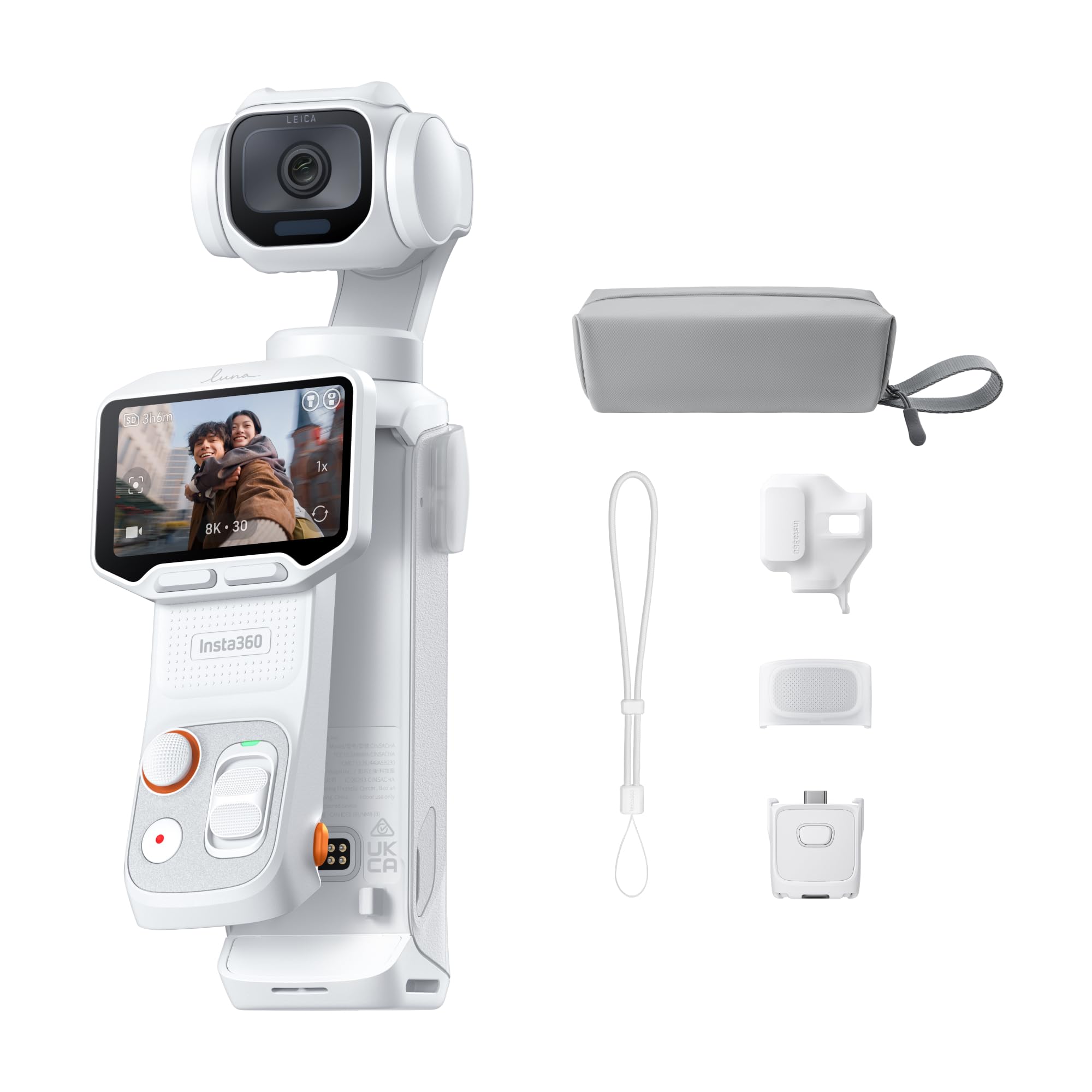
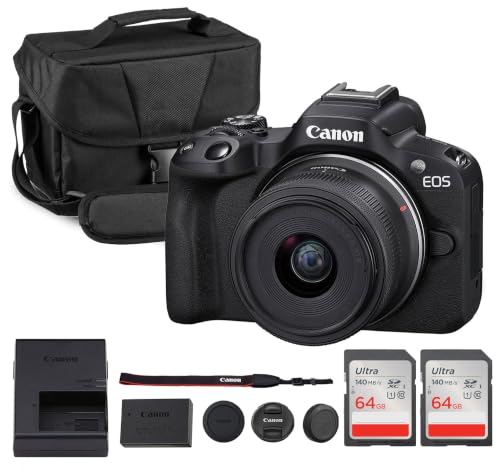
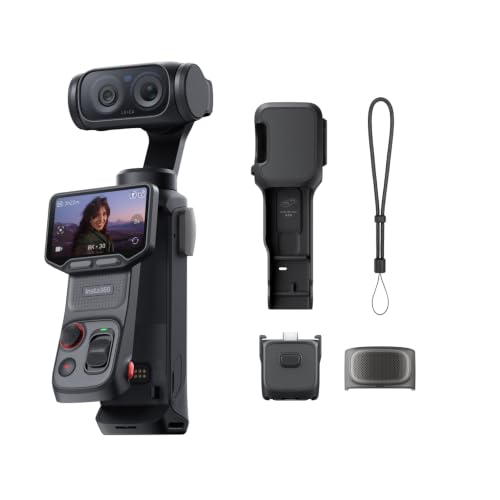


How Travel Vlogging Cameras Compare to Other Options
A travel vlogging camera is shaped around video first, with still photos as a second job. The table below compares the main types, and the sections below explain the trade offs in plain language.
| Type | Best For | Pros | Cons | Typical Price |
|---|---|---|---|---|
| Pocket vlogging camera | Light travel | Small, simple, fast startup | Smaller sensor, limited zoom | around $400 |
| Action camera | Active days | Tough, wide view, steady | Small sensor, weaker audio | around $350 |
| Interchangeable lens camera | Planned shoots | Larger sensor, lens choice | Heavier kit, higher cost | about $700 to $1500 |
Cameras Compared With Action Cameras
Action cameras suit movement, water and rough handling, and their wide view forgives shaky framing when you are walking, cycling or boarding a boat. They mount easily on a chest strap, a handlebar or a small grip, which frees your hands for tickets, maps and luggage. Their weakness for vlogging is sound, because a small sealed body leaves little room for a large microphone, so voices can sound distant in wind or traffic.
A dedicated vlogging camera usually gives you a clearer voice track, a screen that faces you and a zoom range that suits faces at arm's length. It may need more care in rain, and it will not survive drops as well as a rugged action body. Choose an action camera when most of your footage is active and outdoors, and choose a vlogging camera when talking to the camera matters as much as the scenery.
Cameras Compared With Mirrorless Cameras
Mirrorless cameras use larger sensors and interchangeable lenses, which helps in dim restaurants, evening streets and indoor markets where a pocket camera may produce noisy footage. You can pick a wide lens for rooms, a longer lens for distant subjects and a fast lens for soft backgrounds, and you can add a proper microphone for interviews. That flexibility is the main reason many serious creators move to this type once they know their style.
The cost is bulk and complexity, because lenses, batteries and chargers add weight to every outing. A mirrorless kit can also draw attention in quiet places. If you plan your shots and accept the extra bag space, the control is worth it, but a simpler camera will serve you better on fast paced sightseeing days.
Cameras Compared With Phone Cameras
A phone is always with you, it edits and shares quickly, and its video quality in bright daylight can look excellent on a small screen. For short clips, social posts and unplanned moments, a phone may be all you need, and it avoids the cost and weight of a second device.
A dedicated camera still wins when you need a longer zoom, a microphone jack, a flip screen or steady low light performance over a full day. Phones can overheat on long recordings and struggle with wind noise, because their microphones sit close to your hand. See our guide to best cameras for vlogging if talking head clips are your main format, and keep the phone as a backup rather than the only plan.
Who Should Choose a Travel Vlogging Camera?
Daily travel storytellers benefit most, because they need a camera that is ready in seconds and simple to operate while walking through a market or a station. A flip screen, face tracking and a clear built in microphone matter more to this group than extreme zoom or cinema style controls. If you film in short bursts through the day, a pocket model keeps the kit light and the routine simple.
Planned creators who shoot longer scenes, interviews or evening footage should look toward larger sensor cameras with microphone options. They gain cleaner low light video, more control over focus and exposure, and a wider choice of lenses. Travelers who mainly want memories for family and friends may find a phone plus a small grip covers most needs, so weigh how often you will actually carry a second camera.
How to Choose the Right Camera
Start with how you travel, not with a specification sheet, because the best camera is the one you will carry all day. A camera that stays in the hotel because it is heavy will record nothing, no matter how good its sensor looks on paper.
Measuring for Size and Portability
Think in terms of bag space, pocket space and hand comfort over a full day, rather than body weight alone. A camera that fits a jacket pocket will travel with you to dinner, markets and viewpoints, while a larger kit may stay behind on the days you walk the most. Hold the camera with one hand if you can, check the grip and the screen angle, and remember that a lens, a grip and a spare battery add real bulk. See our guide to best backpacks for travel when you plan how the camera and charger will share space with water, snacks and a jacket.
Features That Matter for Travel Vlogging
Stabilization matters more than resolution for walking footage, because shaky video distracts viewers even when the picture is sharp. A flip screen helps you check framing and focus while you talk to the lens, and reliable face tracking keeps you sharp when you move. Audio deserves equal weight, so look for a microphone jack and wind reduction if you film outdoors often. Battery life, fast charging over USB C and a simple menu round out the features that make daily use pleasant.
Sensor Size and Image Quality
Sensor size affects low light performance, background softness and dynamic range, which is the ability to hold detail in bright skies and dark shadows at the same time. A 1 inch sensor usually beats a much smaller phone style sensor in dim rooms, while an APS C sensor gives more room again for evening streets. Full frame sensors offer the most low light headroom, but they also mean larger lenses and a heavier bag. Megapixel count alone does not decide quality, because lens quality, processing and stabilization shape the final video just as much.
Low Light Performance
Low light results depend on sensor size, lens brightness and how the camera handles noise at higher ISO settings. A brighter lens, shown by a smaller f number, lets in more light and can keep footage cleaner without harsh gain. Test footage at dusk if you can, and watch for smeared detail, pulsing brightness and color shifts rather than judging a single still frame.
Maker guidance on charging and battery care also matters here, because cold evenings drain power faster, so carry a spare battery and follow the maker instructions for safe charging.
Size, Weight, and Ergonomics
Ergonomics decide whether filming feels natural after several hours, so check the grip shape, the weight balance with a lens attached and the position of the record button. A camera that forces an awkward wrist angle will tire you out and lead to shaky clips, while a comfortable grip lets you hold steady and react quickly. Screen brightness matters outdoors too, because a dim screen makes framing guesswork in sunlight.
Cameras for Specific Needs
Two common needs shape the choice in different ways. Use these sections to check whether your main use is talking to the camera on the move, or recording scenes where video quality leads.
Best Cameras for Travel and Vlogging: Which Type Works Best
The phrase best cameras for travel and vlogging points to cameras that balance still photos and video in one travel kit. Look for quick switching between photo and video modes, a zoom range that covers street scenes and portraits, and a screen that flips for self framing. A pocket or compact interchangeable lens model often fits this mixed use best, because it stays light enough for all day carrying.
Best Video Cameras for Travel Vlogging: Which Type Works Best
The phrase best video cameras for travel vlogging points to cameras chosen mainly for moving pictures, with audio, stabilization and recording limits leading the decision. Look for continuous recording without short clip limits, a microphone jack, good wind handling and a battery plan that covers long shooting days. Larger sensor models suit this need when low light matters, while pocket models suit creators who value speed and simplicity over lens choice. See our guide to best cameras for travel for a broader look at stills focused travel models.
Setup and Care Tips
Set the camera up before you leave, with the date, time zone, video resolution and frame rate matched to how you will edit and share the footage. Format memory cards in the camera, test the microphone with a short outdoor clip, and pack a lens cloth rather than wiping the lens with a shirt. Carry a spare battery in a case, keep the camera in a dry padded bag during rain or dusty rides, and charge only with the maker approved charger and cable. Check the product table above when you compare sizes and prices.
FAQs
What features matter most in cameras for travel vlogging?
Stabilization, clear audio and a flip screen matter most, because they decide whether walking footage looks steady, voices sound natural and framing stays correct while you talk to the lens. Battery life and fast startup come next, since missed moments cannot be reshot once a street scene has passed. Resolution helps, but a steady clip with clean sound will please viewers more than a shaky 4K clip with muffled speech.
What specs matter most for beginners?
Beginners should focus on sensor size, lens brightness, stabilization and microphone options, rather than chasing the highest megapixel count. A larger sensor and a brighter lens help in dim rooms, while good autofocus keeps moving subjects sharp without constant manual adjustment. Simple menus, a clear auto mode and a screen that flips for self recording will help you learn faster than advanced cinema controls you rarely touch.
How long should a travel vlogging battery last?
Plan on one full battery per hour or two of active filming, since video, screen use and stabilization drain a battery much faster than still photos do. Carry at least one spare, charge over USB C from a power bank between stops, and keep the spare warm in an inside pocket on cold days. Check the maker figure for video minutes rather than shots per charge before you buy.
Is a smartphone enough instead?
A smartphone is enough for short clips, bright daylight scenes and quick social posts, especially when you value instant editing and sharing. It falls short on long recordings, strong zoom, wind resistant audio and low light consistency over a full travel day. If you film daily or talk to the camera often, a dedicated camera gives you better audio options and more control. See our guide to best digital cameras if you want a stills focused comparison before choosing a video led model.
Which is better for low light?
A larger sensor camera with a brighter lens is usually better for low light, because it gathers more light and produces cleaner footage at higher ISO settings. Pocket cameras can still handle dusk scenes well with a 1 inch sensor and good stabilization, but they will show more noise in very dark rooms. Steadying the camera against a wall and avoiding digital zoom in the dark also help.
Our Verdict
Pick by travel style first, then by sensor and audio needs, and let size decide between close contenders. Pocket models suit fast, light days, action models suit active and wet days, and larger sensor models suit planned shoots and evening scenes. Check the product table above once more, confirm the battery plan, and choose the best cameras for travel vlogging that you will actually carry every day.


