
Best Cameras for Travel in 2026: What Actually Matters Before You Buy
Disclosure: We may earn a commission when you buy through links on this page, at no extra cost to you. As an Amazon Associate I earn from qualifying purchases. Learn more

Compare the best cameras for travel by weight, sensor size, battery life and zoom, with plain notes on what matters on the road and what to skip.
A camera that feels perfect in a shop can turn into a burden by day three of a trip. Straps dig into your shoulder, batteries fade before dinner, and the zoom that looked huge on a spec sheet still cannot reach the far side of a canyon. Choosing well starts with a simple order of questions, and this guide works through them in that order. The aim is to match the best cameras for travel to the way you actually move, not to the longest feature list in the store.
We start with how you travel, because a carry on only backpacker and a slow road traveler need very different tools. Then we match sensor and lens to your subjects, and only after that do we look at extras like video quality and weather sealing. Use the comparison table below as a shortlist while you read, and save the quick buyer checklist near the end for the moment before you spend anything.


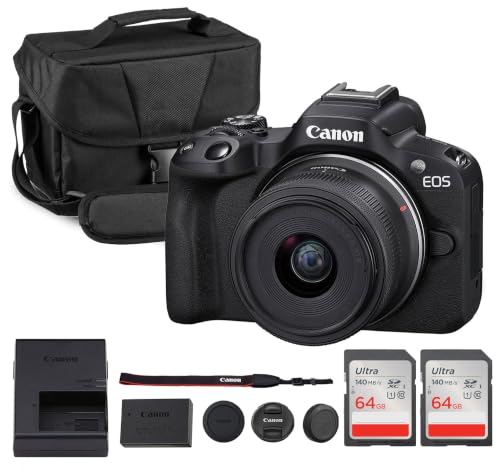


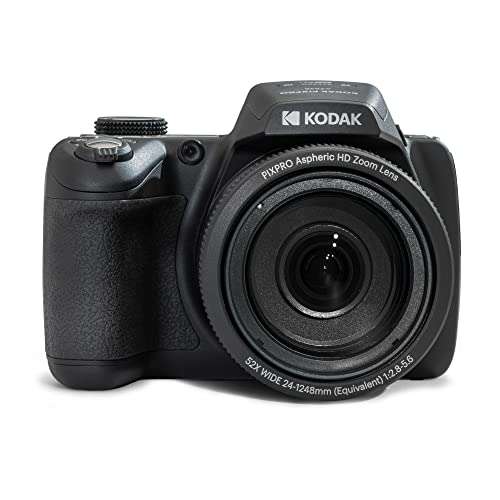
What Actually Matters: A Decision Order for Travel Cameras
Spec sheets list everything at once, which hides what matters most. Work through the factors below in order, because each answer narrows the next choice and stops you paying for power you will never carry.
Start With How You Travel
Your luggage decides more than any sensor does. If you fly with a carry on only, every ounce competes with clothes, so a compact body and one versatile lens usually beat a bag of glass. One bag travelers who move by train face the same pressure, plus long walks between stations where a heavy kit stops being fun.
Slow road travelers have it easier, since the car carries the weight and a larger body with a second lens is realistic. Be honest about your slowest, most crowded travel day, and size the camera for that day rather than for your best one.
Features That Matter for Travel
Travel asks things of a camera that home use never does. You shoot in harsh midday sun and dim restaurants on the same day, you charge from whatever outlet the room offers, and you may go a week without a laptop to empty cards. That is why the strongest all round best digital cameras for travel pair a sensible zoom range with good automatic modes and simple phone transfer. A flip screen helps with group shots and street food photos, and a viewfinder earns its keep when bright sun washes out the rear screen.
Measuring for Size and Portability
Numbers on a listing only make sense against things you already know. A camera and lens at about 500 grams feel like a full water bottle in your hand, and you will notice that weight around your neck by midday. Shoppers who want the smallest serious option should compare the best small cameras for travel by total kit weight, lens included, rather than by body weight alone.
Pocketability is a stricter test than smallness. A true pocket camera slides into a jacket and comes out in two seconds, which means it gets used at moments a bag camera misses. If that grab and go habit sounds like you, look closely at the best pocket cameras for travel and accept their smaller sensors as the price of always having a camera on you. The trade is real, but a camera left in the hotel takes no photos at all.
Sensor Size and Image Quality
Sensor size shapes your photos more than megapixel counts do. A 1 inch sensor is the sweet spot for compact travel bodies, gathering enough light for evening streets while keeping the lens small. APS C sensors step up in low light and in fine detail, and full frame goes further again at a clear cost in size, weight, and lens prices.
Megapixels mostly decide how large you can print, and most travelers print small or not at all. Treat maker sample galleries with suspicion, since they are shot in ideal light by professionals who know each body inside out.
Battery Life and Charging
Published shot counts are best case figures from ideal conditions, and real travel days with cold weather, video clips, and constant screen review fall well short. Plan on one battery per heavy day and carry a spare for anything beyond that. Charging matters as much as capacity on the road.
Bodies that charge over USB C can refill from a power bank on a train or in a cafe, which removes the nightly hunt for the right outlet. A separate plug charger still earns bag space for longer stays, since it frees the camera while the battery charges.
Video Capabilities
Most travelers shoot short clips rather than films, so steady footage and clean sound matter more than headline resolution. 4K video is now common and worth having for clips you may crop later, but stabilization decides whether walking footage is watchable at all. A microphone input matters only if you plan to narrate or interview, and it adds a mic, cables, and setup time to every shot.
Also know that long 4K recordings heat many compact bodies until they pause to cool down. For casual clips, a stabilized camera with a good automatic mode beats a feature heavy body you leave in video settings you do not understand.
Autofocus and Stabilization
Travel subjects rarely sit still, so autofocus that finds faces and eyes saves more photos than any other single feature. Subject tracking that holds a walking child or a street performer while you reframe is worth real money on family trips. Stabilization comes in two forms, in body systems that steady any lens and lens based systems built into the glass itself.
Either form buys you slower shutter speeds in dim churches and evening markets, often two or three stops of help. No system freezes a moving subject, though, so raise the shutter speed for people and let stabilization handle your own hand shake.
Ease of Use for Your Skill Level
The best travel camera is the one you can run half asleep at a sunrise viewpoint. Beginners should value a strong automatic mode, clear menus, and a phone app that moves photos to social apps without a cable. Keen photographers may prefer dials for aperture and shutter speed, since fingers learn them faster than touch screens.
Either way, buy early enough to practice at home for a week or two. A camera that confuses you on day one of a holiday will spend that holiday in your bag.
What Your Budget Buys on the Road
Price bands in travel cameras buy three things: light gathering, zoom reach, and build that shrugs off knocks. Remember that the body is only part of the bill. A spare battery, two memory cards, a padded case, and a plug adapter for your destination can add about $80 to $150 to any tier below.
About $250 to $500: Light, Simple, Ready to Go
This band covers fixed lens compacts and the simplest interchangeable lens kits, and it suits travelers who want better than phone photos without learning a new craft. Expect a 1 inch sensor at the top of the band, sensible zooms, and automatic modes that carry most of the work. Shoppers watching every dollar should start with the best affordable cameras for travel and put any savings toward the accessories listed above. Low light results will be modest, and that is a fair trade at this price.
About $500 to $1,000: The Flexible Middle
The middle band is where travel cameras become genuinely versatile. APS C sensors arrive here, along with interchangeable lenses, better autofocus tracking, weather sealing on some bodies, and 4K video that holds up on a television. One kit lens covers city breaks well, and adding a fast prime lens later transforms evening shooting without adding much weight.
Most travelers who shoot on several trips a year land in this band and stay happy for years. Spend toward the top if your trips lean on wildlife or sport, since reach and tracking improve fastest here.
Above $1,000: For Demanding Subjects
Spending past about $1,000 buys larger sensors, stronger low light results, faster burst shooting, and lenses built for distance. This is the band for safaris, birding stops, and travelers whose photos are the point of the trip rather than a record of it. The catch is weight and worry, because a costly kit changes how you move and how relaxed you feel in a crowd.
Insurance and a less eye catching bag become sensible line items here. If that sounds like a burden rather than a pleasure, the middle band is your honest ceiling.
Quick Buyer Checklist
Run through these questions before you order. Any no answer is a reason to pause and rethink the model in your cart.
- Can I carry this camera and lens all day on my hardest travel day?
- Does the zoom reach my main subjects, near or far, without a lens swap?
- Can it charge over USB while I am away from my home outlets?
- Do I have two memory cards and a spare battery in the budget?
- Have I handled this body or one of the same size in a shop?
- Does the total kit price, accessories included, still fit my trip budget?
- Will I have at least a week at home to learn it before I leave?
Red Flags to Watch For
- Huge zoom numbers with no optical figure. Listings that shout about total zoom while hiding the optical range are selling digital cropping, which throws away detail. Only optical zoom keeps full quality.
- Megapixel counts used as the headline. A small sensor with a giant pixel count usually means noisy low light photos, not sharper ones.
- No stated battery rating. Makers who skip the shots per charge figure rarely have good news to share, and third party battery support may be poor too.
- Weatherproof claims with no rating. Vague words like weatherproof or splash resistant without a clear maker statement often mean basic seals at best, and never mean the camera can swim.
- Suspicious review patterns. A flood of glowing reviews posted in a short window, with no critical reviews at all, is a pattern worth walking away from.
Cameras for Specific Needs
Most travelers fit the bands above, but two groups ask for something different enough to deserve their own notes.
Rugged Cameras for Beach, Hiking and Wet Trips
If your trips lean on water, sand and rough handling, a rugged compact or an action camera can make more sense than a delicate mirrorless kit. Look for a stated waterproof depth and drop rating from the maker, a lens that stays sealed while zooming, and a door lock you can check by eye before every dip. These bodies trade sensor size and low light quality for toughness, which is a fair deal when one splash could end a standard camera.
Rinse a waterproof camera in fresh water after salt or sand, keep the battery and card door closed until it is fully dry, and replace worn seals as the maker advises. Carry a small float strap on boat days so a wet slip does not become a lost camera.
For Travelers Who Shoot Seriously
If photography drives your itinerary, plan around lenses rather than bodies. Wildlife at distance needs a long telephoto, street work rewards a small fast prime, and landscapes want a quality wide zoom, and the glass will outlast several bodies. Readers building that kind of kit should compare the best cameras for travel photography with lens prices in view, since the second and third lenses often cost more than the camera. Accept the weight as part of the hobby, and protect it with a bag that does not advertise what is inside.
Tips to Get the Most From Your Camera
Clean the lens with a proper lens cloth rather than your shirt, since grit in fabric scratches coatings over time. Carry the spare battery in an inside pocket in cold weather, because warmth restores some of its charge. Store the camera in a dry, padded bag away from sand and sunscreen, and let a cold camera warm up inside a sealed bag after winter shoots so condensation forms on the bag instead of the lens.
Back up each evening to a phone, a small drive, or the cloud whenever the connection allows. A week of photos on one card in one bag is a single theft or failure away from gone.
Travel Camera Questions Answered
How much zoom does a travel camera really need?
Most city and family travel is covered by an optical zoom of about 3x to 5x, which frames buildings, people, and food without effort. Wildlife and distant viewpoints are the exception and can use 20x or more. Remember that digital zoom is simple cropping done inside the camera, so it adds reach on paper while removing detail. One extra point to check: a long zoom lens is larger and slower in low light, so reach you rarely use still costs you size every day.
Can I charge a travel camera from a power bank?
Yes, most recent cameras with USB C charging refill happily from a standard power bank, and many can top up while switched off in your bag. Some models also run while plugged in, which helps on long train days and time lapse shoots. Check the maker listing for charging support before you buy, since a few bodies accept data over the port but not power. A useful habit is charging overnight in your room and using the bank only as a daytime backup.
Is weather sealing worth paying for on a trip?
Weather sealing is worth it if your trips include rain, dust, boat decks, or winter weather, because gaskets around the body and lens mount keep light splashes and grit out. It is not waterproofing, and a sealed camera still dies in a dunking or a storm left uncovered. Pair sealed gear with a simple rain cover or a dry bag for real downpours. Also note that sealing only works as a system, so a sealed body with an unsealed lens still has a weak point at the mount.
How many memory cards should I pack for a two week trip?
Two midsize cards beat one huge card for most travelers, because a lost or failed card then costs you half a trip instead of all of it. A card of about 64 to 128 GB holds thousands of typical travel photos, and video fills space far faster than stills. Rotate cards every few days and keep the full one separate from the camera. If you shoot video daily, add a third card or a small backup drive to the packing list.
Should I buy my camera at home or at my destination?
Buy at home in almost every case. You get time to learn the menus before the trip, a warranty that is simple to claim in your own country, and the right charger plug for your home outlets. Cameras bought abroad can carry region locked warranties and unfamiliar menu languages, and any saving shrinks once local taxes apply. The one exception is replacing a camera that dies mid trip, where a local purchase beats missing the rest of your photos.
Final Thoughts
Decide in order and the choice gets simple: how you travel sets the size, your subjects set the sensor and lens, and only then do video, sealing, and extras earn their place. Spend on the tier that matches your hardest day rather than your easiest one, and protect the purchase with cards, a spare battery, and a week of practice. Chosen that way, the best cameras for travel stop being a spec sheet contest and become the kit you happily carry every day of the trip. The product table above gathers the current options that fit this checklist in one place.


