
Best Backpacks for Travel: Our 2026 Checklist and Top 3 Picks
Disclosure: We may earn a commission when you buy through links on this page, at no extra cost to you. As an Amazon Associate I earn from qualifying purchases. Learn more

Our checklist for the best backpacks for travel: carry on size, clamshell packing, comfort and durability, plus three packs that pass.
A good travel backpack replaces a rolling suitcase, keeps your laptop safe at security and still feels comfortable after a long walk from the train station to your rental. A bad one bulges past airline sizers, digs into your shoulders and splits a zipper on day three. To pick the best backpacks for travel, we built a checklist around the problems travelers actually run into.
This guide walks through each criterion with clear thresholds, then names three packs that pass. You will also get a quick yes or no checklist, the red flags that signal a pack will not last, and simple care habits that keep a good bag going for years.


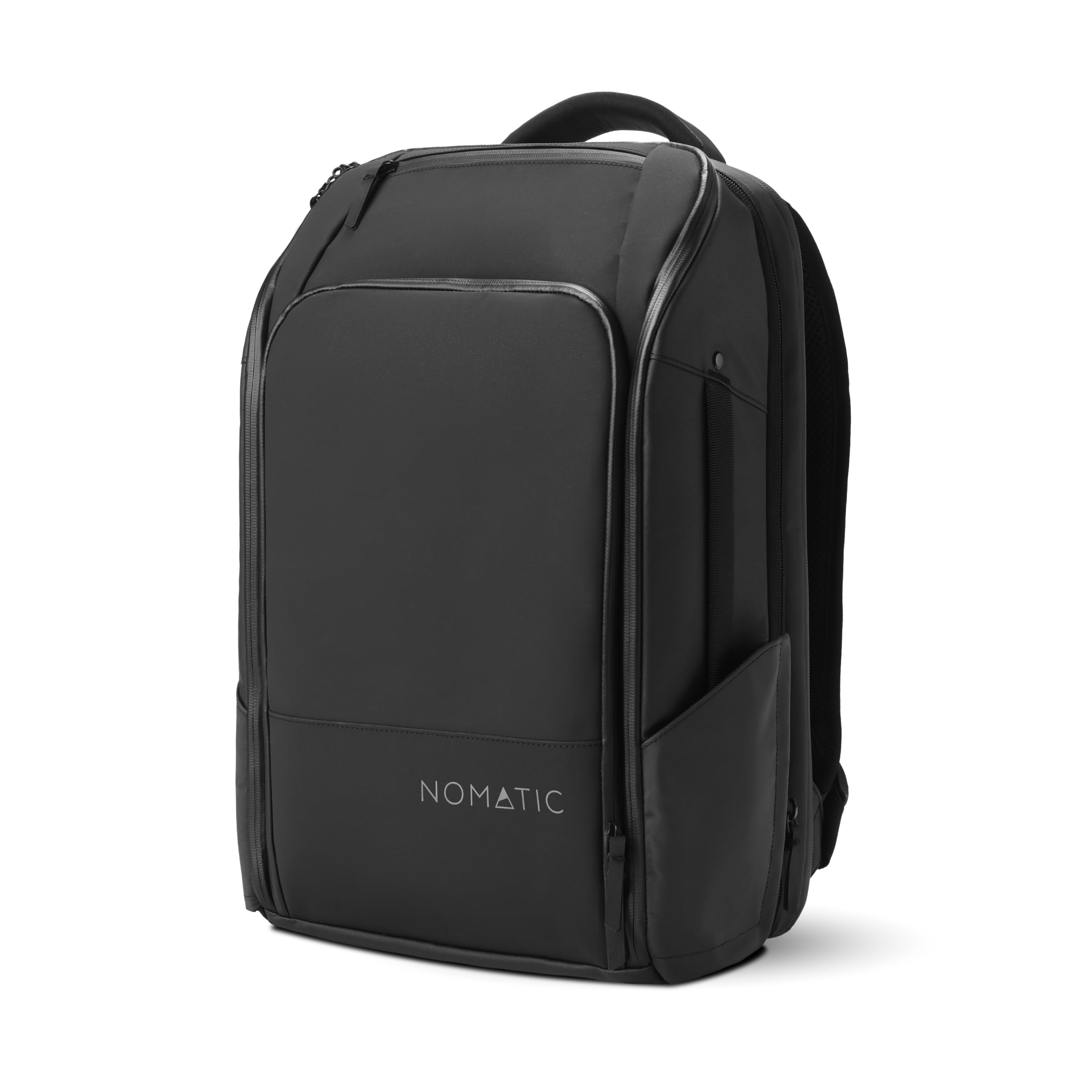

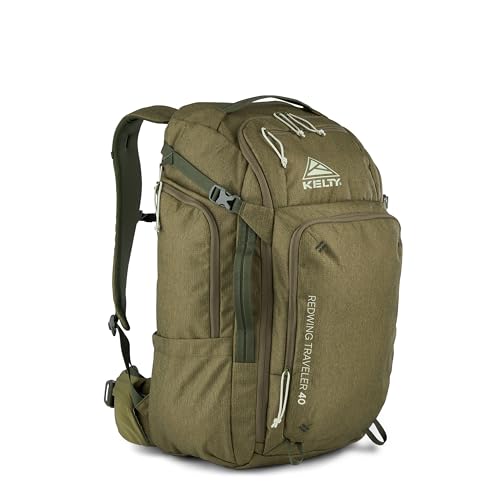
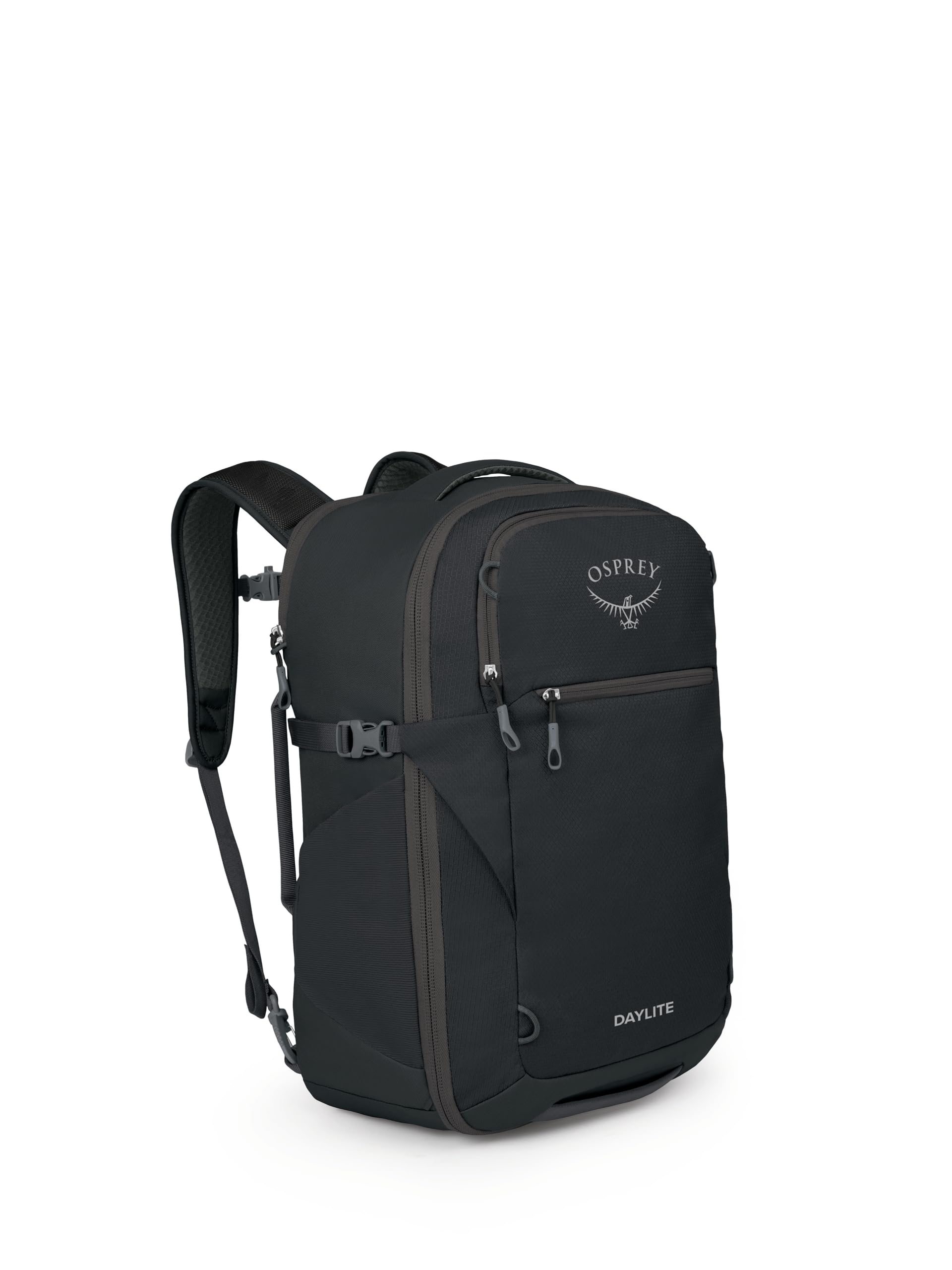

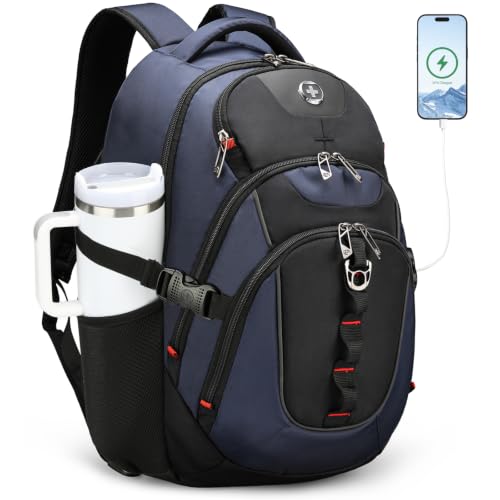


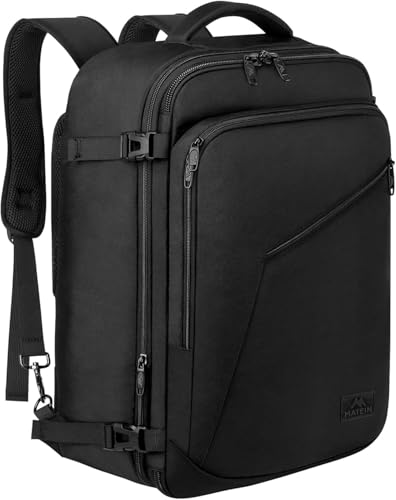

How We Evaluate Backpacks for Travel
Every pack in the product table above was compared against the seven criteria below, using maker specifications, product listings and patterns in buyer feedback. We did not run our own field trials. Instead we focused on measurable details, such as exact dimensions, fabric denier, zipper brand and warranty terms, that predict how a backpack holds up on the road.
A pack that passes all seven fits airline rules, carries comfortably when full, protects your valuables and survives years of baggage racks and overhead bins. Missing one criterion is not always a dealbreaker, but missing two usually means a frustrating trip.
Features That Matter for Travel
Travel backpacks differ from school or hiking packs in a few specific ways. The most important is clamshell access: a main compartment that unzips like a suitcase, so you can pack with cubes and find things without unloading everything onto a hotel bed.
Look for a separate laptop sleeve that opens flat for security screening, a quick access pocket for passport and phone, compression straps that shrink the pack when it is half full, and hideaway shoulder straps for checking it as luggage. Good: clamshell opening, padded laptop sleeve and at least one external quick pocket. Poor: a top loading main compartment with no internal organization.
Measuring for Size and Portability
Start with your body and your trips. Travelers on short city breaks benefit from smaller, lighter packs, while anyone carrying a week of clothes needs more volume and better support. Measure your torso length if the pack has an adjustable harness, and check that the empty weight stays under about 4 pounds, since every ounce of pack weight eats into airline weight limits on strict carriers.
The trade off is simple: more structure and padding add comfort but also weight. Ultralight packs save pounds but can feel sloppy when stuffed. Good: listed dimensions and weight, plus a sternum strap and padded hip belt on larger sizes. Poor: no published weight or dimensions.
Capacity in Liters
Capacity tells you how much a pack holds. A 20 to 30 liter pack works as a daypack or personal item for overnight trips. Around 35 to 40 liters is the sweet spot for one bag travel with carry on only. Packs of 50 liters and more suit multi day trekking or long trips, but they will rarely meet carry on limits.
Be aware that brands measure liters differently; some count external pockets, others do not. Compare dimensions as well as the liter figure. Good: 35 to 40 liters for carry on travel with compression to shrink smaller loads. Poor: a large capacity claim with dimensions that exceed airline limits.
Expandable packs add a zippered gusset that adds several liters when unzipped. That is handy for souvenirs on the way home, but remember that an expanded pack often exceeds carry on dimensions, so keep it zipped for the outbound flight.
Security Features
Security features protect your belongings in crowded stations, markets and buses. The most useful are lockable zipper pulls on the main compartment, hidden pockets against your back for a passport or cards, and zippers that tuck under fabric flaps so they are harder to open unnoticed.
RFID blocking pockets are a minor extra, since most modern cards use encryption. Cut resistant fabric and slash proof straps matter mainly in high theft areas. Good: lockable zippers and at least one hidden back pocket. Poor: exposed zippers on the outer pocket where you keep valuables, with no way to secure them.
Habits matter as much as hardware. Wear the pack on your front in packed subway cars, keep your passport in the pocket against your back, and use a small cable lock to secure the pack to a luggage rack on overnight trains.
Warranty
Warranty terms reveal how confident a maker is in its stitching and zippers. Established outdoor and travel brands often offer lifetime or very long warranties that cover manufacturing defects and, in some cases, repairs for normal wear. Budget brands typically offer one year or a short return window.
Read what the warranty actually covers. Some policies exclude airline damage, while others repair almost anything. Good: a lifetime or multi year warranty with a clear claims process. Poor: no stated warranty, or a policy that only covers the first 30 days.
Keep your proof of purchase in a cloud folder, since many warranty claims require it, and register the pack on the maker's site if it offers registration.
Carry On Compliance
Most major US airlines allow carry on bags up to about 22 by 14 by 9 inches, including handles and wheels. Personal items that fit under the seat must be much smaller, and budget carriers set their own stricter limits, sometimes charging for anything beyond a small personal item.
A soft backpack can squeeze into a sizer even when slightly over, but a fully stuffed pack with bulging pockets may not. Check your airline's current dimensions before every trip. Good: listed dimensions at or below 22 by 14 by 9 inches, with compression straps. Poor: carry on claims with no dimensions to back them up.
Materials and Weather Resistance
Fabric weight is measured in denier. Lightweight packs use around 210D to 420D nylon, while durable travel packs often use 600D to 1680D nylon or polyester, sometimes with a TPU or PU coating for water resistance. YKK zippers are a reliable sign of quality hardware.
Few travel packs are fully waterproof, and that is fine for most trips; water resistant fabric plus a rain cover handles showers. Recycled fabrics have improved and can match virgin nylon for durability. Good: 420D or heavier fabric, coated or water repellent, with YKK zippers. Poor: unspecified fabric and generic zippers on a heavy load bag.
3 Picks That Pass Our Checklist
These three backpacks meet all seven criteria for the trips we describe. Each is sold new on Amazon US by an established brand.
We picked them to cover the three most common travel styles: one bag carry on trips, budget friendly city breaks and rugged multi day adventures. Together they show what the best backpacks for travel look like at different price points, so you can compare any other pack in the table against them.
Best Overall: Osprey Farpoint 40
The Osprey Farpoint 40 suits travelers who want one bag for a week of carry on travel, and it costs around $200. Osprey lists dimensions of 21.7 by 13.8 by 9.1 inches and a weight of 3.27 pounds, which fits most US carry on limits.
Two features set it apart: a load lifting frame with an adjustable torso length and a harness and hip belt that stow away when you check it, plus travel organization that includes a direct zip 3-1-1 toiletry pocket. The limitation is fit: this version is the men's specific model, so shorter travelers should compare the women's Fairview. Skip it if you mainly need a slim laptop bag for business trips.

Best Value: tomtoc Navigator T66 40L
The tomtoc Navigator T66 is for budget minded travelers who still want clamshell packing and a dedicated laptop compartment, at around $80. The main compartment unzips like a suitcase, and the laptop section opens from 90 to 180 degrees for faster security checks.
Its strengths are YKK zippers and fabric made from recycled PET, along with a padded back panel and adjustable chest strap. The trade off is support: there is no hip belt with real load transfer, so carrying it for hours when full gets tiring. Skip it if your trips involve long walks with a heavy load or if you want a lifetime warranty.

Best for Heavy Use: TETON Sports Scout 55L
The TETON Sports Scout 55L is for travelers who mix city stops with hiking, camping or hostel trips where the pack takes real abuse, and it costs around $95. It uses an internal frame, a multi position torso adjustment and an included rain cover.
Two features stand out: a large sleeping bag compartment with multi directional compression straps, and a lumbar pad with molded channels for airflow on long carries. The limitation is airline fit, since 55 liters exceeds most carry on limits when full. Skip it if you fly carry on only or prefer suitcase style clamshell access.

Quick Buyer Checklist
- Do the listed dimensions fit your airline's carry on or personal item limits?
- Does the main compartment open like a suitcase for easy packing?
- Is there a padded laptop sleeve that is easy to reach at security?
- Does it have a sternum strap and, for 35 liters and up, a padded hip belt?
- Are the zippers lockable, and is there a hidden pocket for your passport?
- Is the fabric at least 420D with a water resistant finish?
- Is the empty weight light enough to stay under strict airline weight limits?
- Does the warranty cover zippers and stitching for more than a year?
Red Flags to Watch For
Many travel backpacks look similar in photos. These warning signs separate packs that last from those that fail on the first trip.
- Vague specifications. No listed dimensions, weight or fabric denier usually means the maker is hiding something.
- Carry on claims without numbers. "Flight approved" is meaningless unless the exact size fits your airline.
- Thin, unpadded straps. Straps that look like ribbons will dig in once the pack carries 20 pounds.
- Suspicious reviews. Dozens of short, similar reviews posted in a few days, or reviews describing a different product, deserve caution.
- No warranty information. A pack meant for years of travel should come with clear warranty terms.
How to Make Your Backpack Last Longer
Pack heavy items close to your back and centered between your shoulder blades, which reduces strain on seams and straps. Adjust the shoulder straps and hip belt so the weight rides on your hips rather than hanging from your shoulders.
Spot clean with mild soap and a soft brush instead of machine washing, which can strip coatings and damage foam. Empty and air out the pack after each trip, store it loosely in a dry place, and never yank a zipper around a corner when the bag is overstuffed.
Small repairs keep a pack in service. A dab of seam sealer on a fraying seam, a replacement zipper pull or a buckle swap costs little and can add years. Many brands sell spare buckles and straps, and reputable warranty programs repair worn parts for free or a small fee, which is far better for your wallet than buying a new bag.
Frequently Asked Questions
What features matter most in backpacks for travel?
The most important features are carry on friendly dimensions, clamshell access to the main compartment and a comfortable harness. After that, look for a padded laptop sleeve, lockable zippers, compression straps and durable fabric with quality zippers. Everything else, such as USB ports or color options, is a bonus rather than a reason to choose one pack.
Will it fit under an airplane seat?
Only small packs fit under the seat. Most personal item limits are far smaller than carry on limits, often around 16 to 18 inches long, and budget airlines are strictest. A 20 to 28 liter pack usually fits under the seat; a 40 liter pack generally goes in the overhead bin. Always check your airline's current personal item dimensions.
Is a waterproof backpack necessary?
No, most travelers do not need a fully waterproof backpack. Water resistant fabric with a coating handles rain on the way to the station, and a rain cover adds protection for long walks. Fully waterproof roll top packs make sense for boat trips, kayaking or tropical rainy seasons. Keep electronics in a dry bag inside if you expect heavy rain.
How do I measure my torso length?
Measure from the bony bump at the base of your neck down to the top of your hip bones, following your spine. Ask a friend to help and use a soft tape measure. Most adults fall between 15 and 22 inches. Use the result to choose the right size or set the adjustable harness on packs with torso adjustment.
What size backpack do I need?
Choose 20 to 30 liters for overnight trips or as a personal item, 35 to 40 liters for one bag travel of up to a week with carry on only, and 50 liters or more for long trips or trekking. Packing cubes and a minimal wardrobe let many travelers manage two weeks in 40 liters.
Wrapping Up
The best backpacks for travel share three traits: dimensions that fit airline limits, a harness that carries the load comfortably, and durable materials with quality zippers. The Osprey Farpoint 40 is our best overall pick for one bag travel, the tomtoc Navigator T66 offers great value, and the TETON Sports Scout 55L handles heavy, adventurous use.
For more ideas, see our guides to the best travel backpack for laptops, the best laptop backpacks for air travel, the best mini backpack for travel, the best travel backpack brands and the best cameras for travel. Then compare current prices in the product table above.


