Best Cameras for Travel Photography: Our 2026 Checklist and Top 3 Picks
Disclosure: We may earn a commission when you buy through links on this page, at no extra cost to you. As an Amazon Associate I earn from qualifying purchases. Learn more

The best cameras for travel photography from OM SYSTEM, Canon and GoPro, plus lightweight, mirrorless and under $200 picks.
Travel photography asks a camera to do everything at once: capture sweeping landscapes at sunrise, sharp street scenes at noon, dim restaurant dinners and fast moving wildlife, all while fitting in a day bag and surviving rain, sand and airport security. Phones handle snapshots, but a dedicated camera brings bigger sensors, real zoom and better low light results. This guide to the best cameras for travel photography lays out the checklist we use to judge travel cameras and names three picks that pass.
We explain each criterion, share our picks, add a quick buyer checklist, red flags, picks for specific needs, care tips and common questions. Pack spare lithium batteries in your carry on bag, since airline rules generally ban them from checked luggage; keep your footing near cliffs, traffic and water when framing shots; and never take photos while driving.





How We Evaluate the Best Cameras for Travel Photography
We score each camera on travel features, size, sensor, autofocus and stabilization, durability, low light ability and video. Here is what good and poor look like.
Features That Matter for Travel Photography
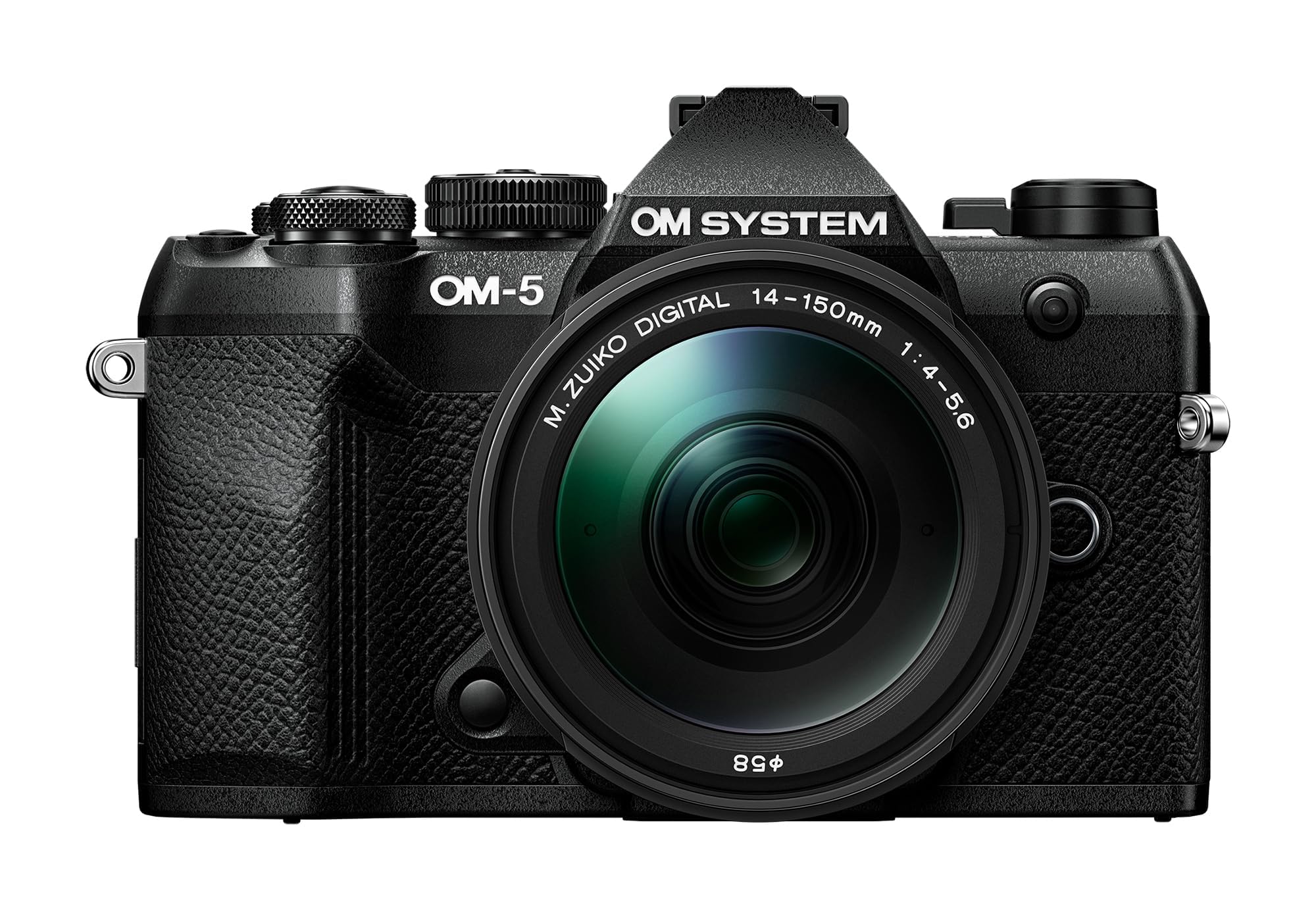
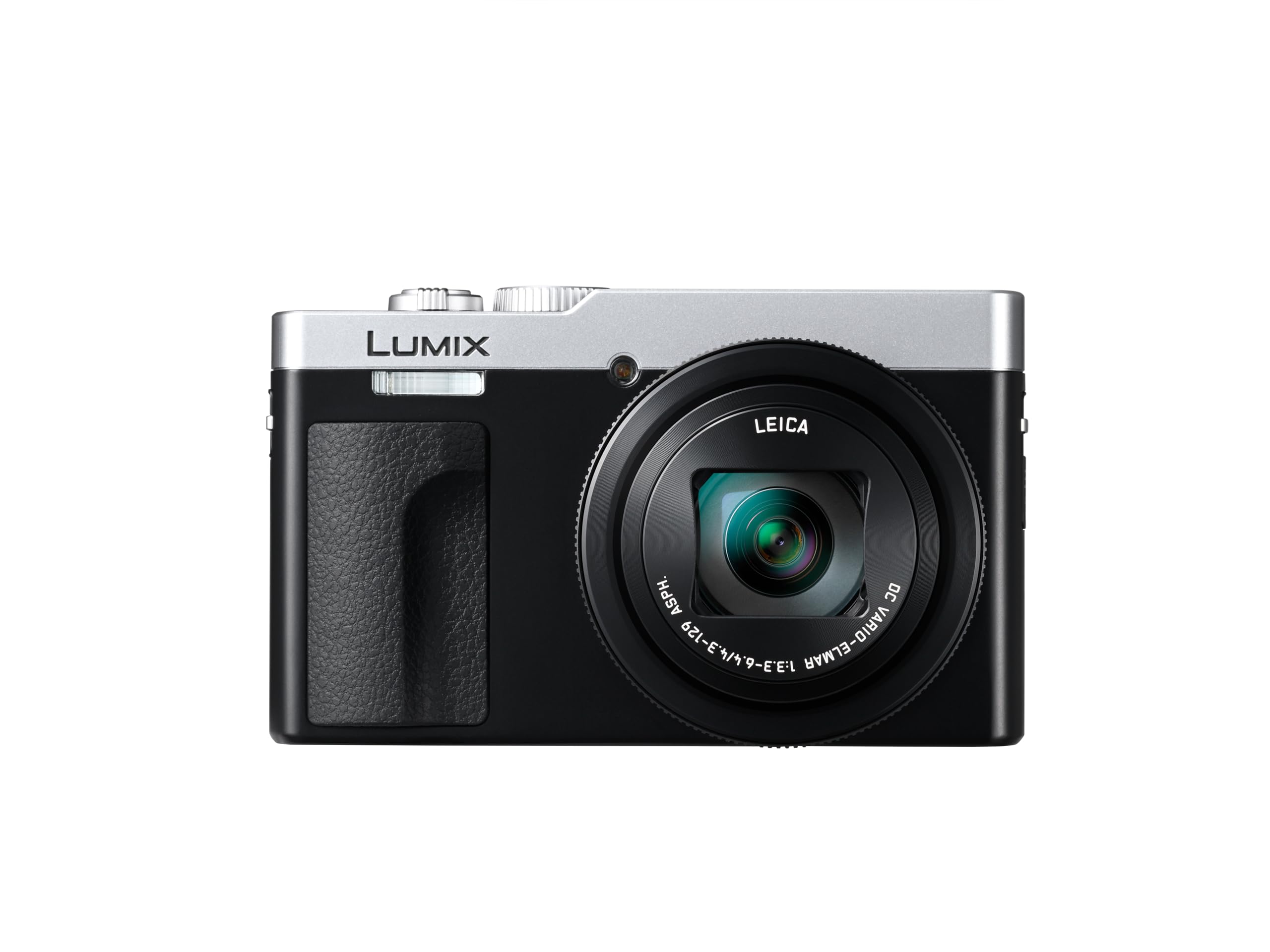
Travel cameras need versatility above all. A zoom range from wide to telephoto lets you shoot cathedrals and distant wildlife without changing lenses; OM SYSTEM's OM-5 Mark II kit pairs with a 14 to 150 mm lens, and Panasonic's LUMIX ZS99 offers a 24 to 720 mm 30x zoom. Wi Fi or Bluetooth for quick phone transfers, USB charging and a tilting or flip screen for awkward angles round out a strong travel kit.
Good: one camera and lens that cover most scenes. Poor: a camera that needs three lenses to do what one travel zoom could.
Measuring for Size and Portability
The best travel camera is the one you carry every day. Pocket cameras, like Ricoh's GR IIIx, Sony's ZV-1 II and Kodak's PIXPRO FZ55, slip into a jacket. Compact mirrorless cameras, like the OM-5 Mark II and Canon's EOS R100, fit a small sling bag with a kit lens. Larger APS C bodies with long zooms, like Sony's a6700 with an 18 to 135 mm lens, offer more image quality but add weight.
Sensor Size and Image Quality
Bigger sensors produce cleaner, more detailed images, especially in dim light. APS C sensors, used in Sony's a6700 and a6400, Canon's EOS R100 and Ricoh's GR IIIx, deliver excellent quality.
Micro Four Thirds, used in the OM-5 Mark II, balances quality and smaller lenses. One inch and smaller sensors, like Sony's ZV-1 II and Panasonic's ZS99, prioritize compact size and zoom. Canon lists a 24.2 MP APS C sensor on the R100.
Autofocus and Stabilization
Fast, accurate autofocus catches street moments and moving animals. Canon's Dual Pixel CMOS AF on the R100 tracks faces and subjects for stills and video. Stabilization keeps handheld shots sharp in low light and long zoom; OM SYSTEM is known for strong in body stabilization, and GoPro's HyperSmooth 6.0 steadies action footage with 360 degree Horizon Lock.
Durability and Weather Sealing
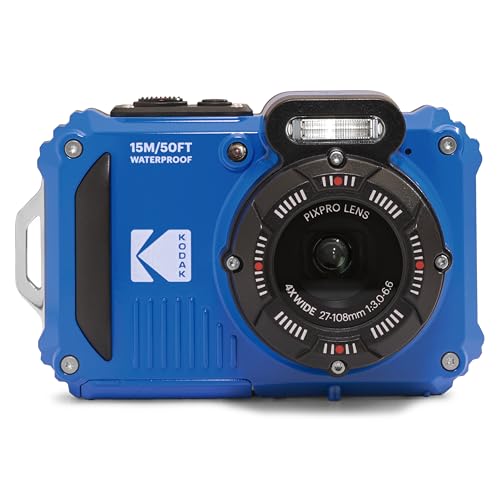
Travel exposes cameras to rain, dust, sand and drops. The OM-5 Mark II is listed as weather sealed and built for outdoor travel. GoPro's HERO13 Black is waterproof to 33 feet without a housing, and Kodak's PIXPRO WPZ2 is waterproof to 15 meters and shockproof. Most other cameras need a rain cover or dry bag.
Low Light Performance
Night markets, museums and evening dinners push low light ability to the limit. Larger APS C sensors, like those in Sony's a6700 and Canon's R100, handle dim scenes best. Bright prime lenses, like Ricoh's fixed 40 mm equivalent lens on the GR IIIx, let in more light than slow zoom lenses. Stabilization lets you use slower shutter speeds handheld.
Video Capabilities
Many travelers shoot both stills and clips. The OM-5 Mark II, Panasonic's ZS99 and Sony's ZV-1 II record 4K video. Canon's R100 records 4K 24p with a crop and Full HD 60p. GoPro's HERO13 records up to 5.3K60 and 4K120, and DJI's Osmo Pocket 3 records 4K at up to 120 fps with a 3 axis gimbal for smooth walking shots.
3 Picks That Pass Our Checklist
Our picks are the OM SYSTEM OM-5 Mark II with 14 to 150 mm lens as the best overall, the Canon EOS R100 with RF-S 18 to 45 mm lens as the best value and the GoPro HERO13 Black as the best for heavy use.
We compared size, weight, sensor, zoom range, autofocus, stabilization, weather resistance, video and price, along with the overall pattern in owner feedback. We did not travel with these cameras ourselves; the notes reflect maker specifications.
Best Overall: OM SYSTEM OM-5 Mark II with 14 to 150 mm Lens
The OM-5 Mark II kit suits travelers who want one weather sealed camera and lens for nearly every situation, at around $1,350. OM SYSTEM lists a compact, lightweight, weather sealed body with 4K video, paired with the M.ZUIKO Digital 14 to 150 mm f/4.0 to 5.6 II lens, a range that covers wide landscapes through distant details. It is marketed specifically for outdoor travel.
Two strengths stand out: a weather sealed body for rain and dust and a single travel zoom that replaces several lenses.
The limitation is a smaller Micro Four Thirds sensor than APS C rivals, which shows more noise in very low light.

Best Value: Canon EOS R100 with RF-S 18 to 45 mm Lens
The Canon EOS R100 suits first time camera buyers and budget travelers who want big sensor image quality, at around $570 for this bundle. Canon lists a 24.2 MP APS C CMOS sensor, a DIGIC 8 processor, Dual Pixel CMOS AF with 143 AF zones, 6.5 fps shooting, a 2.36 million dot OLED viewfinder, a 3 inch LCD, 4K 24p video with crop, Full HD 60p and Wi Fi and Bluetooth. The RF-S 18 to 45 mm IS STM lens adds image stabilization.
Its strengths are APS C quality at a low price and reliable autofocus.
The trade off is a short kit zoom and a fixed rear screen.

Best for Heavy Use: GoPro HERO13 Black
The GoPro HERO13 Black suits adventure travelers who snorkel, ski, hike and ride, at around $550 for this bundle. GoPro lists 27 MP photos, 5.3K60 and 4K120 video, a 1/1.9 inch sensor, HyperSmooth 6.0 stabilization with 360 Horizon Lock, waterproofing to 33 feet without a housing, a 1,900 mAh Enduro battery for up to 1.5 hours of 5.3K recording, Bluetooth audio and Wi Fi 6. The bundle adds a 64 GB card and a 50 piece accessory kit.
The appeal is a tough, waterproof camera you can mount anywhere.
The limitation is a small sensor and ultra wide view that suit action more than portraits or low light scenes.

Quick Buyer Checklist
Will you carry it every day? Size matters more than specs.
Does one lens cover wide to telephoto? Travel zooms save weight.
Is the sensor APS C or Micro Four Thirds? Bigger sensors help in low light.
Is it weather sealed or waterproof? Important for outdoor trips.
Does it charge over USB? One cable simplifies packing.
Can it send photos to your phone? Wi Fi or Bluetooth helps sharing.
Do you need 4K video? Many travel cameras offer it.
Red Flags to Watch For
Digital zoom headlines. Only optical zoom keeps full quality.
Unknown brands with huge megapixel claims. Sensor size matters more.
Heavy bundles full of extras. Cheap tripods and filters add weight without value.
Inflated bundle prices. Compare body and kit prices before buying bundles.
No weather details for outdoor trips. Assume a camera is not sealed unless stated.
Best Cameras for Specific Needs
Here is what to check for three common travel priorities.
Best Lightweight Cameras for Travel Photography: What to Check
The best lightweight cameras for travel photography fit a pocket and still beat a phone. Ricoh's GR IIIx pairs an APS C sensor with a fixed 40 mm equivalent lens in a pocket sized body, ideal for street photography. Sony's ZV-1 II and Panasonic's ZS99 add zoom and 4K video in compact bodies. Check weight with battery, startup speed and grip comfort.
Best Cameras for Travel Photography under 200
The best cameras for travel photography under 200 dollars are simple compacts and rugged waterproof models. Kodak's PIXPRO FZ55, around $140, offers 16 MP, a 5x optical zoom, a 28 mm wide lens and Full HD video. Kodak's PIXPRO WPZ2, around $180, adds waterproofing to 15 meters and a 4x zoom for beaches and pools.
Best Mirroless Cameras for Travel Photography: What to Check
The best mirroless cameras for travel photography combine compact bodies with versatile zoom lenses. Look for an APS C or Micro Four Thirds sensor, in body or lens stabilization and a light travel zoom. Sony's a6700 with an 18 to 135 mm lens, Sony's a6400 and the OM-5 Mark II with its 14 to 150 mm lens are strong choices.
Care and Maintenance Tips
Use a padded bag and lens cap. Protect gear in transit.
Carry spare batteries and cards. Keep them in your carry on.
Clean sensors and lenses with a blower. Avoid wiping grit across glass.
Let cameras warm up slowly. Moving from cold to warm air causes condensation; keep the camera in a sealed bag while it adjusts.
Rinse rugged cameras after salt water. Fresh water protects seals.
FAQs
What features matter most in cameras for travel photography?
Size, zoom range, sensor size and durability matter most. A compact body with a wide to telephoto zoom, an APS C or Micro Four Thirds sensor, good stabilization and weather sealing suits most trips. Phone transfer and USB charging add convenience.
Which is better for low light?
Larger sensors and brighter lenses are better for low light. APS C cameras like Sony's a6700 and Canon's R100 outperform one inch and smaller sensors. A fast prime lens, like Ricoh GR IIIx's, also helps at night.
How much should I spend on my first travel camera?
Most first time buyers should spend around $500 to $900. Around $570 buys an entry mirrorless kit like Canon's R100, while around $140 to $180 buys a basic compact or rugged Kodak. Spend more for weather sealing and longer zoom.
Should I bring a zoom or a prime lens?
A zoom lens is better for most travelers because it covers landscapes, buildings and details without changing lenses. A small prime lens is lighter and brighter for street, food and night photos. Many photographers pack one travel zoom plus one compact prime.
Is a smartphone enough instead?
A smartphone is enough for casual sharing, but dedicated cameras deliver real optical zoom, larger sensors and better low light results. If you want to print photos or capture distant wildlife, a dedicated camera is worth carrying.
What specs matter most for beginners?
Beginners should focus on easy controls, reliable autofocus, an APS C or Micro Four Thirds sensor and a versatile kit lens. Canon's R100 is a simple, affordable starting point with Dual Pixel CMOS AF and Wi Fi sharing.
The Bottom Line
The best cameras for travel photography balance size, zoom range, image quality and toughness for the trips you take. The OM SYSTEM OM-5 Mark II with a 14 to 150 mm lens is the best overall travel kit, Canon's EOS R100 is the best value for big sensor quality and GoPro's HERO13 Black is the best for heavy adventure use.
For more camera guides, see the best compact cameras for travel, the best cameras for photo and video, the best cameras for starter photography and the best long distance binoculars. Then compare current prices in the product table above.