Best Cameras for Travel Bloggers by Budget for 2026
Disclosure: We may earn a commission when you buy through links on this page, at no extra cost to you. As an Amazon Associate I earn from qualifying purchases. Learn more

Compare cameras for travel bloggers by budget, with guidance on sensor size, autofocus, 4K video, weight, battery life and long term costs for trips.
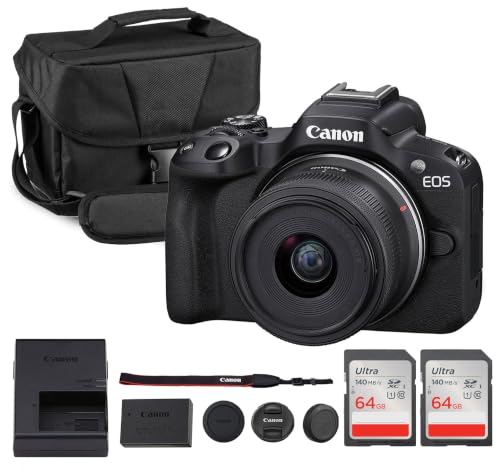
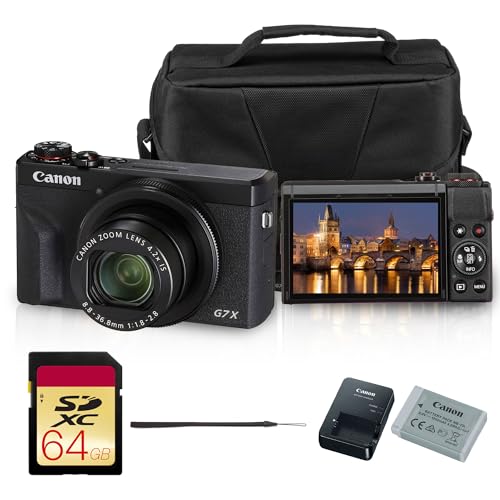
Travel cameras range from small models at a few hundred dollars to large kits at several thousand, and that gap can feel hard to judge. The best cameras for travel bloggers are not always the most expensive ones. They are the ones you will carry all day, use for photos and video, and trust in changing light. Use the comparison table below to match each price level with the work you publish.
Your blog format should set your budget before brand names enter the picture. A writer who posts photo essays needs strong stills and simple sharing. A creator who films daily needs clean sound, steady video and a screen that flips toward you.



Which Camera Type Fits Your Travel Blogging Style?
Start with how you travel and publish, because that pattern decides how much camera you need to carry.
City Storytellers Who Walk All Day
You cover markets, museums, food streets and viewpoints on foot. A compact camera with a one inch sensor and a fixed zoom lens suits this pace. It slips into a jacket pocket, starts fast and draws little attention. You give up lens changes and some control in dim light, but you gain a kit you can carry all day without sore shoulders.
Hybrid Creators Who Post Photos and Video Daily
You shoot stills for articles in the morning and short video clips in the afternoon, so one body must do both jobs well. A mirrorless camera with an APS C sensor and interchangeable lenses fits this mix, and one versatile zoom covers streets and landscapes. If you also weigh options built mainly around filming, see our guide to the best video cameras for travel bloggers for that narrower focus.
Visual Storytellers Who Chase Detail and Low Light
You plan trips around dawn light, night markets and interior stories where detail and mood carry the post. A full frame mirrorless camera gives you the widest choice of fast lenses and the cleanest files in dark scenes. Bodies and lenses cost and weigh more, so choose this route only when your audience values large prints or polished night work.
Price Tiers for a Blogging Travel Kit
Price tiers buy you sensor size, focus speed, video depth and build strength in that rough order.
Budget Tier: A Light Start for New Travel Blogs
Budget kits at about $400 to $800 usually pair a one inch compact camera or an entry mirrorless body with a basic zoom lens. Expect good daylight photos, simple 4K video and basic sharing, with slower focus in dim rooms. This level suits new bloggers who publish mainly online and would rather spend the savings on trips and a spare battery.
Midrange Tier: Stronger Focus and Video for Regular Posting
Midrange kits at about $800 to $1,800 are where most travel bloggers get the best value for steady work. You gain an APS C sensor, faster and more reliable autofocus, better stabilization and video tools such as a microphone input. Files hold up better when you crop for covers or edit colors for a consistent look, so this tier can serve a growing blog for years.
Premium Tier: Larger Sensors and Tough Builds for Demanding Trips
Premium kits at about $1,800 to $3,500 and above center on full frame sensors and stronger bodies sealed against dust and moisture. You pay for cleaner files at high ISO settings, wider dynamic range and lenses with wider apertures. This level makes sense for full time creators whose income depends on image quality.
Features Worth Paying For and Features You Can Skip
Judge each feature by the problem it solves on the road.
Size and Weight for Days on Foot
Weigh the whole kit, not the body alone, because a lens, battery and microphone travel with you each day. A body and zoom near two pounds feel manageable in a day bag, while a kit past four pounds starts to shape your route. Hold any camera with its lens fitted before you buy. If you compare broader options, see our guide to the best cameras for travel for general trip use.
Autofocus and Stabilization for Moving Scenes
Autofocus earns its cost when it finds and holds a face while you walk, talk or film in a crowd. Look for eye detection for people, tracking that stays on a moving subject, and focus that does not hunt in shade. Stabilization in the body or lens smooths handheld video and allows slower shutter speeds at dusk. Together these tools save shots you cannot stage again, such as a festival parade passing once.
Battery Life and Charging on the Road
Travel days run longer than camera batteries, so plan around charging as much as around shot counts. Many mirrorless cameras deliver about 300 to 500 shots per charge, and video drains power far faster. USB C charging matters because you can top up from a power bank on a bus. Budget for at least one spare battery, and keep it warm in cold places, because cold cells lose charge faster.
Sensor Size and Image Quality in Real Light
Sensor size shapes low light quality, depth of field and lens size more than megapixel count does. A one inch sensor suits bright scenes and small bodies. An APS C sensor gives a clear step up for evening streets, while full frame sensors offer the most room to edit shadows and highlights. Past about 24 megapixels, extra resolution mainly helps heavy cropping and large prints.
Video Tools and Sound for Travel Bloggers
Good travel video depends on sound and framing as much as on resolution, and this is where the needs behind the best cameras for travel bloggers become specific. Choose 4K recording for clean detail and room to crop, a screen that turns toward you for solo pieces to camera, and a microphone input, because wind and crowd noise can ruin built in audio. You can skip 8K recording and extreme slow motion rates you will never use.
Ongoing Costs of a Travel Blogging Camera Kit
The body price is only the start of what a travel camera costs over a few years. Lenses often cost as much as the body, and switching systems later means replacing them all. Add memory cards, spare batteries, a padded bag and a small tripod to your first budget. A repair fund also deserves a line if you travel often.
Common Mistakes to Avoid
- Buying the largest sensor you can afford can leave you with a heavy kit you stop carrying on long days.
- Judging a camera by megapixels alone makes you pay for resolution your blog pages cannot show.
- Skipping a microphone input means crowd and wind noise can make strong travel video hard to watch.
- Packing many lenses for one trip slows you at checks and tempts you to swap lenses in dust and rain.
- Ignoring lens costs when you set your budget can leave a strong body paired with only a slow basic zoom.
- Forgetting to try the grip and flip screen in a store can make daily filming feel awkward for years.
Care and Maintenance for Cameras on the Road
Sand, rain and sunscreen are quiet enemies of travel gear. Wipe the body and lens barrel with a dry soft cloth after beach or desert shoots, and use a blower before you wipe the front glass, because grit dragged across a coating can scratch it. Keep silica gel packs in your bag in humid regions, and let a cold camera warm up inside a sealed bag indoors.
Store the camera in a padded case away from direct sun, and remove the battery during long storage between trips. Check the sensor for spots before a big shoot by photographing a plain bright wall at a narrow aperture. Readers may also find our guide to the best blogger cameras useful for home setups.
FAQ
What features matter most in cameras for travel bloggers?
Fast autofocus, stabilization and a sensor that handles dim light matter most for travel bloggers. Those three decide whether street scenes, evening food stalls and handheld clips come out sharp and usable. One point many buyers miss is transfer speed, because slow sharing can delay same day posts, so check how quickly the camera sends files to your phone.
What camera specs matter most for first time travel bloggers?
First time travel bloggers should value simple menus, reliable automatic focus and good automatic exposure over deep manual controls. A zoom range of about 24 to 70 mm in full frame terms covers most street, food and landscape scenes while you learn. Strong automatic white balance also helps under mixed cafe and street lighting.
Is a smartphone enough instead of a camera for a travel blog?
A smartphone is enough for a travel blog built on short clips, quick notes and bright daylight photos. It falls short when you need clean night shots, real zoom reach or separate audio for interviews. A useful check is cropping, because phone files that look fine on screen can break apart when cropped for a cover image.
Which camera type is better for low light travel photos?
A mirrorless camera with an APS C or full frame sensor is better for low light travel photos than a compact model or a phone. Larger sensors gather more light, so evening markets and old town interiors keep detail with less grain. Lens aperture matters just as much, and a lens that opens to f2.8 or wider can save a night scene when light is scarce.
How many lenses do travel bloggers need on a trip?
Most travel bloggers need one or two lenses on a trip, not a full set. One versatile zoom handles daily reporting, and one small fast prime helps at night and in tight interiors. Carrying two lenses also keeps your bag lighter for cabin limits. Creators weighing that wider setup can see our guide to the best cameras for bloggers and vloggers for combined photo and video needs.
Our Verdict
Set your budget by your format first, then choose the smallest kit that covers your light, sound and posting pace. For most readers, a midrange mirrorless kit balances quality, weight and cost best. Compare your short list in the product table above, and you will choose best cameras for travel bloggers that you still enjoy carrying on the last day of a trip.