Best Blogger Cameras for 2026: Every Type Explained Side by Side
Disclosure: We may earn a commission when you buy through links on this page, at no extra cost to you. As an Amazon Associate I earn from qualifying purchases. Learn more

Best blogger cameras compared by type, from compact and vlogging to mirrorless and action, so you can match size and video tools to your content.
Choosing a camera for blogging can feel confusing, because every type promises better photos, better video, and easier sharing. The best blogger cameras are not one single type, but the type that fits how you create, where you shoot, and how much gear you want to carry. This guide compares each type side by side, so you can see the comparison table below and match strengths and limits to your own content.
A travel blogger who films on the move needs different handling from a food blogger who shoots in a kitchen, and both differ from a creator who records long talks to camera. Sensor size, video tools, and ease of use matter more than a single headline specification. Read the types first, then use the choosing section to narrow the field to one or two realistic options.






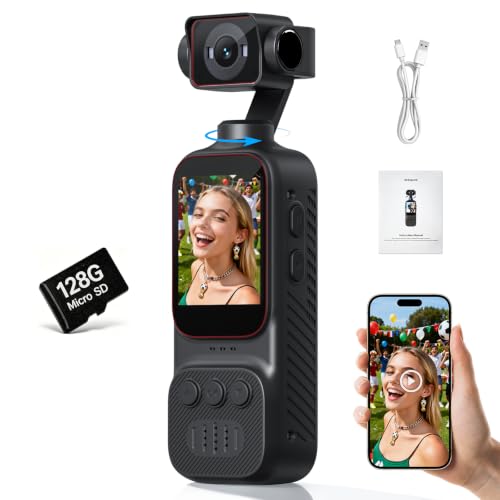
Best Blogger Cameras Compared by Type
| Type | Best For | Pros | Cons | Typical Price |
|---|---|---|---|---|
| Compact point and shoot | Everyday carry and travel | Small, simple, ready fast | Smaller sensor, limited control | About $200 to $500 |
| Vlogging camera | Talking to camera and daily video | Flip screen, good audio input, steady video | Less suited to stills only work | About $300 to $700 |
| Mirrorless camera | High quality photos and video | Larger sensor, lens choice, strong video | Larger, heavier, more to learn | About $500 to $1,200 |
| Action camera | Outdoor, sport, and wet conditions | Tough, tiny, very steady video | Small sensor, weak in low light | About $200 to $400 |
Compact Point and Shoot Cameras
A compact point and shoot camera is a fixed lens camera that fits in a pocket or a small bag, which makes it ideal for bloggers who want a camera always at hand. It starts fast, focuses on its own, and handles everyday photos and short clips without menus to learn. That simplicity is its main strength, because it removes friction between an idea and a finished post.
The tradeoff is a smaller sensor and a fixed lens, so low light photos can look soft and you cannot swap lenses for a different look. Zoom range is also limited, which matters if you shoot distant subjects often. For city walks, cafe visits, and travel diaries, however, a compact camera often gives the best balance of quality and convenience, and it pairs well with a phone for quick sharing.
Vlogging Cameras
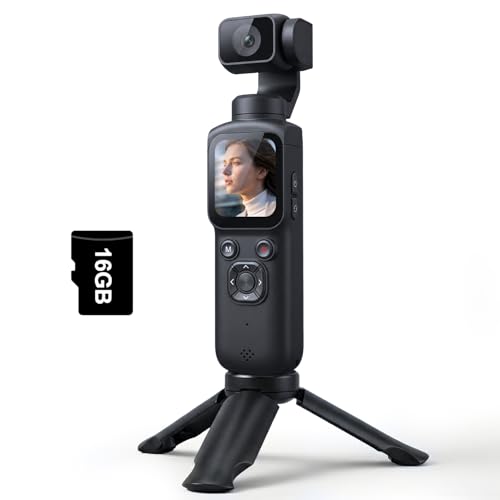
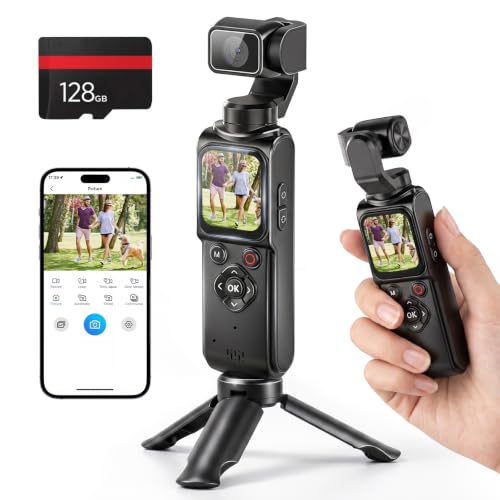
A vlogging camera is built around talking to the lens, so a flip screen that faces you, a mic input for clear voice, and steady video are its core tools. Many models also offer face tracking focus, which keeps you sharp while you move, and a wide front lens that fits you and your setting in frame. Those features save editing time, because fewer clips need fixing later.
The limit is that vlogging cameras are tuned for video first, so still photo control can feel basic compared with a mirrorless model. Battery life also needs watching on long recording days, so carry a spare battery and a small charger. If your blog is mainly video, this type deserves first place on your shortlist, especially when you record alone without a crew.
Mirrorless Cameras
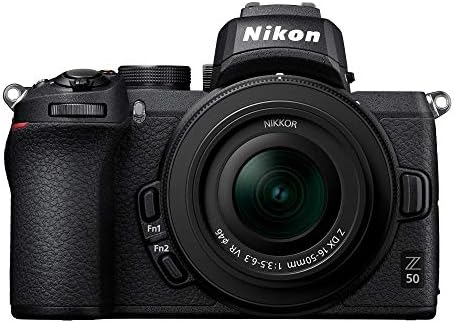
A mirrorless camera uses interchangeable lenses and a larger sensor, which gives bloggers the most control over depth of field, low light quality, and lens choice. You can start with a general zoom lens, then add a wide lens for rooms or a bright prime lens for portraits as your style grows. Video quality is usually strong too, with manual exposure, good focus tools, and clean audio input on many models.
The cost is size, weight, and learning time, because lenses add bulk and settings take practice. A mirrorless kit also costs more once lenses are counted, so it suits bloggers who plan to grow into photography and video over time. See our guide to best digital cameras for bloggers for a wider look at digital options in this class.
Action Cameras for Bloggers
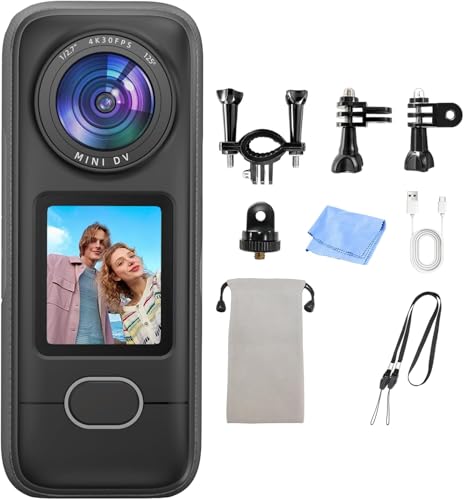
An action camera is a tiny, tough camera that mounts on a chest, a helmet, or a handlebar, and it records very steady video in rough or wet conditions. That makes it a strong second camera for outdoor bloggers, hikers, cyclists, and anyone who films in rain, surf, or snow. Its small size also means it can go where a larger camera cannot, such as on a bike or at the edge of a trail.
The limits are a small sensor that struggles in low light, and audio that often needs a separate mic for clear voice. It is rarely the best only camera for a blog built on portraits or indoor talks. Used alongside a main camera, though, it adds angles and action clips that lift a post, and it survives conditions that would keep other cameras in a bag.
Mirrorless vs Point and Shoot Compacts: Which Should You Choose?
Choose a mirrorless camera if image quality, lens choice, and growth matter most to you, and you accept a larger bag and a learning curve. Choose a compact point and shoot if you value a camera that is always with you, starts instantly, and needs little thought. The difference shows most in low light, in portraits with soft backgrounds, and in wide rooms, where a larger sensor and a bright lens pull ahead.
Consider your posting rhythm as well. A daily blogger who shoots on the move may gain more from a compact camera that never gets left behind, while a weekly creator can invest the extra time a mirrorless kit rewards. Pick the type that matches how often you shoot, not the type with the longest specification list.
How to Choose the Right Blogger Camera
The factors below apply to every type, but they weigh differently depending on your content. Work through them in order, and note which ones are must haves for your blog before you compare models.
Ease of Use for Your Skill Level
Ease of use starts with auto modes that give good results without study, plus a menu that you can navigate while you are out shooting. App transfer matters too, because a camera that sends photos to your phone quickly shortens the path from shoot to post. Touch focus, a clear flip screen, and a simple record button all help when you film alone.
More advanced cameras add manual controls that reward practice, but they can slow a beginner down at first. If you are new, favor a camera with strong auto focus, reliable auto exposure, and a short learning curve, then grow into manual settings later. A camera you enjoy using will produce more posts than a complex camera you avoid.
Sensor Size and Image Quality
Sensor size affects low light performance, depth of field, and how much detail survives cropping. A 1 inch sensor beats a phone sized sensor in dim rooms, while an APS C or full frame sensor gives cleaner low light images and softer backgrounds for portraits. Megapixel count alone does not decide quality, because lens quality and processing matter just as much.
Match sensor size to your main setting. Indoor and evening bloggers gain real value from a larger sensor, while daylight travel bloggers can do well with a smaller one. For a related guide on travel focused creators, see our guide to best cameras for travel bloggers and compare sensor choices by shooting conditions.
Video Capabilities
Video capability for bloggers means more than a 4K label. Look for 4K recording at a frame rate that suits your style, a mic input for clear voice, a flip screen for framing yourself, and focus that tracks your face without hunting. Stabilization matters for walking shots, and a clean audio track matters more than a small gain in resolution for most viewers.
Log profiles and high frame rates suit creators who grade footage and slow motion, but they add editing work that beginners may not need. If you mainly post short clips, favor reliable focus, good sound, and steady handheld video over advanced profiles. Check audio in a noisy room if you can, because a camera that sounds muffled will limit every video you make.
Durability and Weather Sealing
Durability and weather sealing decide whether a camera keeps working on real trips, not just in a studio. Sealed bodies resist rain and dust, while a tough grip and a protected lens help on hikes and city walks. Fog resistance matters when you move between cold air and warm rooms, because condensation can cloud a lens at the worst moment.
Action cameras lead here, but many vlogging and mirrorless models also offer useful sealing if you check the details. A simple rain cover and a dry bag still help, even with a sealed camera, because water on the front lens ruins a shot. Never look at the sun through a camera viewfinder or lens for long, and follow local rules when you film in public or protected places. For food focused creators, see our guide to best cameras for food bloggers for handling notes that suit kitchen and market shoots.
Choosing Blogger Cameras for Your Situation
Best Video Blogger Cameras: Which Type Works Best
For video first blogging, a dedicated vlogging camera usually works best, because its flip screen, mic input, and face tracking focus are built for talking to the lens. A mirrorless camera is the next step when you want stronger low light video and lens choice, while an action camera adds steady outdoor clips as a second angle. Choose by audio and framing first, then by resolution, because viewers forgive a softer image faster than muffled voice. See our guide to best cameras for bloggers and vloggers for more video focused comparisons.
Tips to Get the Most From Your Blogger Camera
Care and habit matter as much as the camera itself. Use a lens cloth, not your shirt, to clean the front glass, because grit on fabric can scratch a coating over time. Carry a spare battery, since video drains power faster than stills, and store the camera in a dry, padded bag between shoots. Keep firmware updated, format cards in the camera, and back up files after each shoot day.
Learn one new setting at a time, starting with focus and exposure, rather than changing everything at once. That steady approach builds skill without ruining a shoot, and it helps you judge whether a future lens or accessory is truly needed. The product table above is a good place to revisit your type choice as your content changes, because a camera that suited a beginner may not suit a growing channel a year later.
Frequently Asked Questions
What specs matter most for beginners buying blogger cameras?
Beginners should prioritize reliable autofocus, a flip screen, a mic input, and simple app transfer over advanced video profiles. Those four tools affect every post, while high frame rates and log profiles only help once editing skills grow. A sensor that handles indoor light well also matters, because many blogs start at home. Choose a camera you can operate without thinking, and learn manual settings gradually as your confidence builds.
How much should I spend on my first blogger camera?
Most first time bloggers do well at about $300 to $700, where vlogging and compact models offer good video, sound input, and handling without a large lens investment. Below that range, audio and low light quality often limit results, while above it you pay for larger sensors and lens systems that beginners may not use fully. Keep budget for a spare battery, a memory card, and a small mic, because those accessories improve every shoot. Upgrade later only when a clear limit in your current camera blocks a type of post you want to make.
Is a smartphone enough instead of a blogger camera?
A smartphone is enough for short, casual posts, especially when you value instant sharing and a camera that is always in your pocket. A dedicated camera pulls ahead for low light, for portraits with soft backgrounds, for long recording sessions, and for clear audio with an external mic. It also offers optical zoom and handling that suit planned shoots. Many creators use both, with a phone for quick stories and a camera for main posts that need stronger image and sound.
Which is better for low light, a compact or a mirrorless blogger camera?
A mirrorless camera is usually better for low light, because its larger sensor gathers more light and keeps noise lower at higher sensitivity settings. A compact camera can still do well in daylight and in well lit rooms, but it will show more grain and softer detail in dim settings. If you film indoors in the evening, favor a larger sensor and a bright lens over a smaller body. Add a simple light for talking head videos as well, since good lighting helps any camera more than a small sensor gain.
Final Thoughts
Pick the type that fits your content, your bag, and your skill level, then check sensor size, video tools, and handling before you compare prices. A compact camera suits everyday carry, a vlogging camera suits talking head video, a mirrorless camera suits growth and quality, and an action camera suits tough outdoor clips. Use the product table above to weigh those tradeoffs side by side, keep audio and ease of use high on your list, and choose the best blogger cameras type that you will reach for on every shoot.