
Best Cameras for Surf Photography: A Buyer Checklist for 2026
Disclosure: We may earn a commission when you buy through links on this page, at no extra cost to you. As an Amazon Associate I earn from qualifying purchases. Learn more

Compare the best cameras for surf photography by shooting position, waterproof depth, lens reach, low light range and salt care.
Surf photography splits into two jobs before it becomes a camera question. Stated plainly, surf work splits into a shore class and a water class: the shore class buys reach, because the action sits far beyond the break, while the water class buys housings and seals, because the camera rides inside the impact zone. Choosing the best cameras for surf photography starts with naming your class, since the two are different purchases that share almost no parts.
This guide scores every camera class against one checklist: reach or sealing first, then sensor, light, handling and care. General guides to best cameras for photography cover the wider craft, but surf work narrows the field fast. The comparison table below gathers the classes that pass the first checks, and the sections after it explain how each score is earned.






A Buyer Checklist: Key Features to Compare
Score each camera against the six criteria below in order. A class that fails an early criterion is out, no matter how well it scores later.
Features That Matter for Surf Photography
Surf subjects move fast, sit far away, and cross harsh light on open water. Fast and accurate autofocus with subject tracking matters more here than raw resolution, because a sharp frame of the wrong moment is still a miss. Burst depth matters too: a wave gives you one sequence, so the camera must keep firing while its buffer clears to the card. Image stabilization earns its place on shore, where long lenses amplify every tremor in your hands.
Sensor Size and Image Quality
Sensor classes split into three working groups: small sensors in waterproof compacts, APS C sensors in most interchangeable bodies, and full frame sensors at the top. Bigger sensors gather more light and hold detail when you crop a distant rider, which shore shooters do constantly. Megapixels alone tell you little; pixel size and lens quality decide how clean the file stays.
Lens and Zoom Range
From shore, reach is the whole game: focal lengths around 400 to 600 mm in full frame terms frame a rider from a typical beach distance. Aperture matters alongside reach, because a slow lens forces high sensitivity settings in flat morning light. In the water the problem flips; you shoot from a few feet away, so wide lenses and fast apertures rule. Judge a zoom by its reach at the far end and its brightness there, not by the zoom ratio printed on the box.
Low Light Performance
Dawn and late afternoon sessions deliver the best waves and the worst light. Clean high sensitivity performance keeps shutter speeds fast enough to freeze a turn when the sun sits low. A lens that opens wide buys the same speed without pushing sensitivity as far. Beware of heavy noise reduction in small sensor compacts; it smears water texture and spray into flat patches, and spray detail is half of what makes a surf frame read well.
Size, Weight, and Ergonomics
A shore kit lives on a tripod or monopod and travels in a padded pack, so weight is mostly a carrying question. A water kit lives in your hand while you tread water, so grip, control placement and housing bulk decide whether you can work at all. Buttons you can find by touch matter in both classes. If a camera forces you into menus while a set rolls in, its feature list will not save the session.
Ease of Use for Your Skill Level
Strong automatic modes and guided menus let a newer shooter concentrate on timing the set instead of hunting settings. Readers moving up from a phone will find the learning path in guides to best beginning photography cameras, and the same lessons apply here. What changes is the environment: choose controls you can adjust with wet hands, and a screen you can read in glare. Skill grows quickly when the camera stays out of the way.
Three Setups the Checklist Points To
The product table above sorts the current classes by the checks that matter most. The three setups below show how the money divides once you pick a position.
Shooting From Shore: Reach Is the Budget
Shore kits spend most of the budget on the lens, not the body. A mid priced interchangeable body behind a long telephoto zoom outshoots a costly body behind a short lens every time. Expect the working band to run about $900 to $2,500 for body and lens together. Shoppers comparing body classes will find the wider market laid out in guides to best digital cameras, but buy the lens first and let it choose the mount.
Shooting From the Water: The Housing Is the Real Purchase
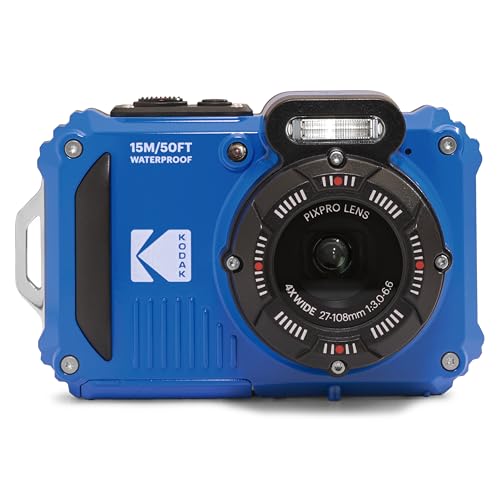
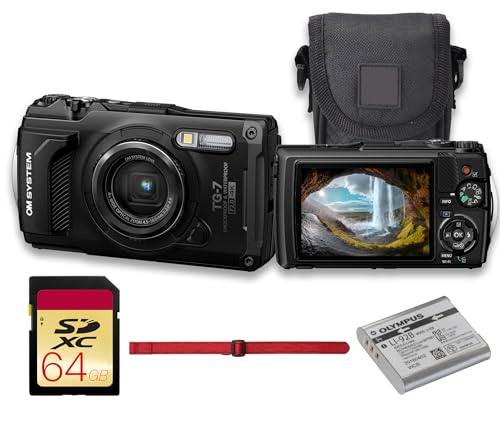
Water kits invert the spending: the housing often costs as much as the camera inside it. Waterproof ratings are read by depth figure and seal design, and splash proof classes are not dive classes. A compact rated for shallow immersion suits duck dives and shore break work; a housed interchangeable camera suits planned water sessions. Price the housing, ports and seals as one purchase, around $600 to $2,000 all in for serious setups.
The Middle Path: Waterproof Compacts
Rugged compacts split the difference: modest reach, real immersion ratings, and a price around $300 to $550. They suit traveling surfers who shoot friends from the shallows and want one camera that survives the beach bag. First setups like these are covered in guides to best cameras for starter photography, with the surf specific warning added here: rinse the seals after every salt session, because grit in a seal is the common failure.
Quick Buyer Checklist
Answer these before you spend anything:
- Will you shoot mainly from shore, from the water, or both?
- Does the lens reach around 400 mm or more for your beach distance?
- Is the waterproof rating a depth figure, and does it match your use?
- Can the camera track a moving subject and fire long bursts?
- Do the controls work with wet hands and bright glare?
- Have you priced the housing, seals and a spare battery into the total?
- Does the kit include a rinse and dry routine you will actually follow?
Red Flags to Watch For
- Zoom advertised by ratio alone, with no focal length range in real terms.
- Waterproof claims with no depth rating, only words like splash resistant.
- Burst rates quoted without buffer depth, so sequences stall after a second.
- Housings sold with no spare seals and no seal service path.
- Menus that bury autofocus tracking three levels deep.
Setup and Care Tips
Salt is a care class all its own: a camera that gets rinsed lasts, and one that dries salty corrodes at the dials and seals. Rinse housings and waterproof compacts in fresh water after every session, work each control while rinsing, then dry with a soft cloth and store seals lightly closed. Carry a spare battery, since cold water drains packs early, and use a lens cloth rather than a shirt, which grinds sand across the front element. Check O rings for grit before every water session; one grain of sand can hold a seal open.
Cameras: Your Questions Answered
What features matter most in cameras for surf photography?
Fast tracking autofocus, deep bursts and either reach or sealing, depending on your position, matter most. One point the checklist leaves out is buffer recovery speed: two cameras with the same burst rate part company when one clears its buffer in seconds and the other locks you out mid set. If you shoot contests or crowded breaks, put recovery speed on your short list before you compare resolution figures.
How waterproof does a camera need to be for surf photography?
Match the depth rating to your deepest planned use, then add margin. Shore break and duck dive work calls for ratings around 10 to 15 m in a compact, or a housing rated well past your swim depth. One check buyers skip: seals age. A housing with tired O rings after a few seasons no longer meets its printed rating, so budget for seal replacement as routine care rather than an emergency repair.
How much should a beginner spend on a first surf photography camera?
Most beginners do well around $300 to $600, spent on a rugged compact or a used interchangeable body with a starter telephoto zoom. The used market is the honest shortcut at this level: earlier telephoto lenses lose little for surf work and often sell for half their launch price. Spend the savings on a solid tripod or monopod, because support sharpens more shore frames than a body upgrade does.
Can a smartphone replace a camera for surf photography?
A phone handles beach scenes and close water shots well, and waterproof phone pouches exist for casual use. The gap shows at distance: digital cropping from the shore softens riders into outlines, and touchscreens fail under wet fingers at the moment a set arrives. Treat the phone as your scouting tool and second angle. When shore reach or a real housing enters the plan, a dedicated camera earns its place.
Which camera class is best for low light surf photography at dawn?
A larger sensor class with a fast lens handles dawn light best, since it holds detail at high sensitivity while keeping shutter speeds up. Dawn adds one wrinkle that listings ignore: light color swings from grey to gold within minutes. Shoot raw files so white balance can be set afterward, and expose for the highlights on the wave face, which clip first and recover least.
The Bottom Line
Position decides everything: reach for the shore class, sealing for the water class, and honest ratings over marketing words in both. Salt care then decides how long the kit lasts. If you are still weighing classes, the best cameras for surf photography for your beach are the ones in the product table above that match your position first and your budget second.
