
Best Cameras Out There: 2026 Complete Buying Guide
Disclosure: We may earn a commission when you buy through links on this page, at no extra cost to you. As an Amazon Associate I earn from qualifying purchases. Learn more

Compare camera types, sensors, and lenses to find the best cameras out there for your budget, your subjects, and your bag.
Searching for best cameras out there can feel endless, because the market covers everything from pocket compacts to professional mirrorless bodies. The good news is that most buyers need only one of a few clear types. The comparison table below sorts the main camera types by size, cost, and best use.
The right camera depends on what you shoot, how much gear you will carry, and how much you want to learn. A travel photographer needs light weight and a versatile zoom, while a portrait shooter needs good low light performance and pleasing skin tones. A beginner needs simple controls and room to grow. This guide compares the main types, explains sensor sizes in plain language, and helps you set a realistic budget that leaves room for lenses and accessories.




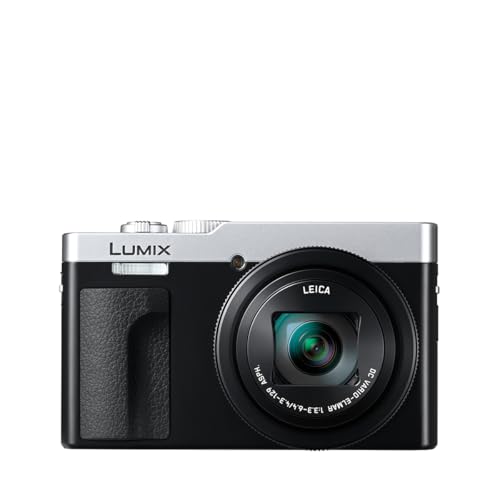
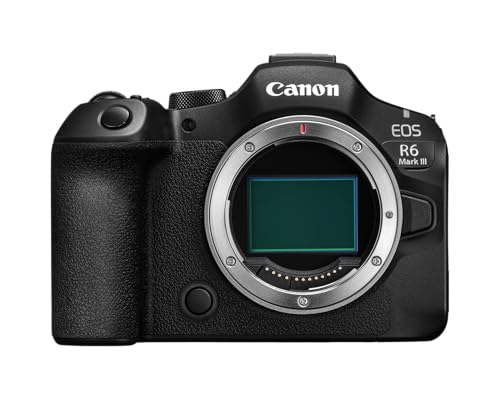

Camera Types at a Glance
Smartphones are the camera most people already own, and modern phones take excellent photos in good light. They win on convenience, sharing, and always being with you. They lose on zoom reach, low light quality, and creative control compared with larger cameras, but for many people they are enough.
Compact cameras add a larger sensor and a real zoom in a pocketable body, which suits travelers who want better quality without bulk. Mirrorless cameras use interchangeable lenses and an electronic viewfinder, and they now dominate the enthusiast and professional market. They range from small, affordable bodies to fast professional tools. DSLR cameras still offer great value second hand, with huge lens ranges, but makers are shifting focus to mirrorless.
Action cameras suit sport, water, and mounting on bikes, helmets, and cars. They are tough, tiny, and wide angled, but they struggle in low light and for portraits. Instant cameras suit fun and gifts, with prints straight from the camera. Choose the type that matches your subjects first, since no single camera does everything best.
Sensor Size in Plain Language
The sensor is the part that captures light, and larger sensors usually capture cleaner images, especially in dim light. Phone sensors are tiny, compact camera sensors are a step up, and Micro Four Thirds, APS C, and full frame sensors grow larger from there. Larger sensors also give softer background blur for portraits.
Bigger is not always better for you. Larger sensors mean larger, heavier, and pricier cameras and lenses, yet an APS C mirrorless camera hits a sweet spot for many buyers: noticeably better than a phone, with manageable size and cost. Full frame suits professionals and keen enthusiasts who print large or shoot often in low light. Match the sensor to your bag and budget, not just to a spec sheet.
Lenses Matter More Than Megapixels
Megapixel counts sell cameras, but lens quality and sensor size shape your photos far more. A kit zoom lens covers everyday scenes, from wide landscapes to short portraits. A fast prime lens with a wide aperture gathers more light and gives softer backgrounds, which suits portraits and indoor shooting.
Budget for at least one lens beyond the kit lens if you have a favorite subject. Wildlife and sports need long telephoto lenses, which cost more and weigh more. Travel suits a single versatile zoom that covers wide to moderate telephoto. Check the used lens market for your camera mount, since good used lenses hold value and stretch a budget.
Budget and Buying Tips
Set a total budget that includes a memory card, a spare battery, and a bag, not just the body. A camera you cannot afford to accessorise will frustrate you. Entry mirrorless kits start at modest prices, mid range bodies add speed and weather sealing, and professional bodies add durability and speed you may never need.
Buy from a seller with a warranty and a return policy, and handle the camera before you commit if you can. Check the grip, the menu layout, and the viewfinder comfort. A camera that feels good in your hands gets used far more than a spec sheet winner that feels awkward.
A Final Check Before You Order
Before you order, list the subjects you shoot most and rank them, since that list decides the camera type far better than any review ranking. A traveller who shoots landscapes and street scenes needs a light camera with a versatile zoom, while a parent who shoots indoor sports needs fast autofocus and good low light performance. Write the list down and check every shortlisted camera against it, not against a spec sheet.
Handle the shortlisted cameras if you can, since grip, weight, and menu layout decide whether a camera gets used or stays home. A camera that feels awkward in your hands will frustrate you on every outing, while a comfortable camera invites practice. Check the viewfinder in bright light, the screen in sunlight, and the button layout with gloves if you shoot in cold weather.
Finally, price the whole system, not just the body: a memory card, a spare battery, a bag, and at least one extra lens for your favorite subject. A body that leaves no budget for accessories will disappoint, while a slightly cheaper body with a good lens and a spare battery will delight. Buy from a seller with a warranty and a return policy, and keep the receipt with the box.
Getting the Most From Your Choice
Once your camera arrives, learn the core controls before buying more gear: aperture, shutter speed, ISO, and focus modes, plus how to set exposure compensation quickly. These four controls shape almost every photo, and a week of deliberate practice with them teaches more than any accessory. Shoot daily, even around the house, and review your photos to see what each setting changed.
Join a local photo group or an online community for your camera system, since shared settings, lens advice, and honest feedback speed learning enormously. Share photos and ask specific questions about what went wrong, rather than general praise. A community also alerts you to used lens deals and firmware updates that improve your camera.
Protect your investment with simple habits: a neck or wrist strap always attached, a lens cap routine, a dry bag for rain, and regular sensor cleaning or professional cleaning when needed. Back up photos in two places from day one, since a lost card hurts far more than a scratched body. A camera you trust and maintain will serve you for years of shooting.
Related Buying Guides
If you want to compare a closely related option, our guide to best digital cameras covers the details that matter for that choice, so you can weigh it against the advice in this guide before you decide.
Frequently Asked Questions
What type of camera should a beginner buy?
A beginner should usually buy an entry level mirrorless camera with a kit zoom lens, or a good compact camera if size matters most. Mirrorless cameras offer room to grow with new lenses and manual controls when you are ready. Compacts are simpler and more portable. Avoid professional bodies at first, since their complexity and cost distract from learning composition, light, and timing, which matter far more than gear.
Do I need a full frame camera?
Most people do not need a full frame camera. APS C and Micro Four Thirds cameras take excellent photos for prints, online sharing, and most paid work short of large commercial jobs. Full frame helps most in very low light and for very large prints or heavy cropping. It also costs more and weighs more, including lenses, so buy full frame only if your subjects and output genuinely demand it.
How many megapixels do I really need?
For online sharing and prints up to A3 size, 20 to 24 megapixels is plenty. More megapixels help when you crop heavily, such as wildlife shots, or print very large. They also create larger files that fill cards and slow editing. Sensor size, lens quality, and your skill shape image quality far more than a megapixel count alone, so do not choose a camera on that number.
Should I buy a camera or use my phone?
Use your phone if you shoot mostly in good light, share online, and value convenience above all. Buy a dedicated camera if you want real zoom reach, better low light photos, softer portrait backgrounds, or full creative control. Cameras also offer viewfinders that help in bright sun and physical controls that speed up shooting. If your phone already satisfies you, spend the money on trips and practice instead.
What accessories should I budget for?
Budget for a fast memory card, a spare battery, a protective bag, and a lens cloth at minimum. A tripod helps for landscapes and low light work, while a flash helps indoors. If you buy a mirrorless camera, plan for one extra lens that suits your favorite subject. These extras often add a noticeable amount to the total cost, so include them in your budget from the start.
Final Thoughts
The best cameras out there for you are the ones you will actually carry and enjoy using. Match the camera type to your subjects, pick a sensor size your bag and budget can live with, and leave room for lenses and accessories. The product table above can help you compare types side by side. Handle a few bodies if you can, then choose the camera that feels right and gets you out shooting.
