
Best Cameras Online by Budget: Smart Picks for 2026
Disclosure: We may earn a commission when you buy through links on this page, at no extra cost to you. As an Amazon Associate I earn from qualifying purchases. Learn more

Compare the best cameras online at every price point. Learn what you get at budget, midrange, and premium levels and where spending more pays off.
Camera prices online stretch from pocket money to pro budgets, and the listings rarely explain what the extra money actually buys. This guide sorts best cameras online shopping by budget, so you can see which upgrades change your photos and which ones only change the price tag.
Shopping online also rewards a little patience. Prices move, bundles change, and a kit that looks cheap can turn costly once you add the lens, card, and battery it lacks. Use the comparison table below as your starting map, then match each tier below to the way you really shoot.


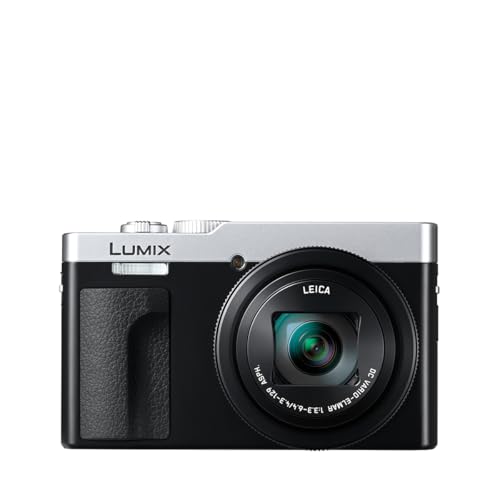
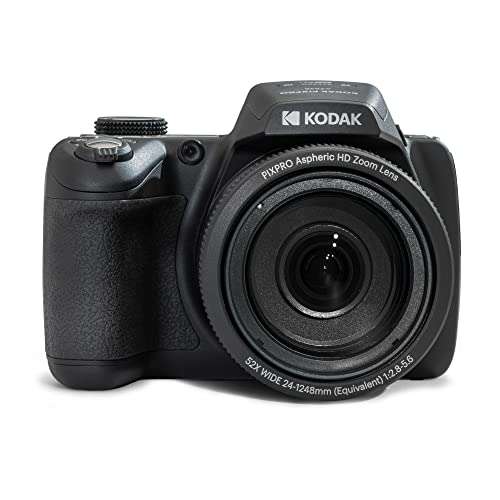


Budget Profiles Worth Your Money
Rather than chasing one named model, think in profiles. Each profile below describes the kind of camera that tends to win at its price, who it suits, and the compromise you accept. Models come and go, but these profiles stay useful across seasons and sales.
Best Budget Pick
The budget profile suits first time buyers, students, and families who want a clear step up from a phone without a steep learning curve. Expect a fixed lens compact or an entry kit with a modest sensor, helpful auto modes, and decent daylight quality. The strengths are price and simplicity, plus small size that encourages daily use. The limit shows up in dim rooms and at long zoom, where images soften and autofocus slows. If your scenes are birthdays, travel snapshots, and pets in the yard, this profile covers them well for around $200 to $400.
Best Midrange Pick
The midrange profile is where most buyers should aim. It suits hobbyists, parents who shoot school sports, and creators who post video each week. Expect a larger sensor, faster and smarter autofocus, better image stabilization, and either a strong zoom or a changeable lens mount. Low light results improve in a way you can see without zooming in. The compromise is size and a higher total once you add a second lens. Around $500 to $1,000 usually lands you in this tier, and it is the tier that stays satisfying for years rather than months.
Best Premium Pick
The premium profile suits serious hobbyists and working creators who shoot in hard light and need files that hold up to editing and large prints. Expect a full frame or high end APS C sensor, fast burst rates, strong weather sealing, and 4K video with clean audio options. The strengths are speed, durability, and image quality at dusk and indoors. The limit is cost that spreads beyond the body, because premium lenses and accessories carry premium prices too. Budget around $1,200 to $2,500 for the body or kit, and buy this tier only when a specific need, such as weddings or wildlife, justifies it.
What Your Money Gets You at Each Price Tier
Budget Tier: What to Expect
At the budget tier you get honest basics: a small sensor, a useful zoom or a simple kit lens, auto modes that handle most daylight scenes, and video that is fine for casual clips. Build quality is mostly plastic and weather sealing is rare. Screens may not tilt, and burst shooting is slow. This tier fits buyers who value small size and low risk while they learn what they enjoy photographing. Spend at the top of this tier if you can, because autofocus and stabilization improve quickly with each small step up.
Midrange Tier: The Sweet Spot for Most Buyers
Midrange money buys the features that change daily results. Sensors grow, so shade and evening shots stay cleaner. Autofocus learns to track eyes and moving subjects, and in body image stabilization or a stabilized lens keeps handheld shots sharp. You also gain better screens, faster card slots, and mic inputs for video. This tier suits families, travelers, and growing creators because it handles almost every normal scene well. It is also where lens choice widens, so your camera can grow with you instead of being replaced.
Premium Tier: When Spending More Pays Off
Premium spending pays off in speed, toughness, and light. Full frame sensors deliver the cleanest files in dim halls and at night games. Pro style bodies add dual card slots, deeper buffers for long bursts, and sealing that shrugs off rain at outdoor events. Video gains higher frame rates and richer color options for editing. The trade off is weight and a lens ecosystem that costs more at every step. Choose this tier when missed shots cost you money or memories you cannot repeat, not just because the spec sheet looks impressive.
Features Worth Paying For (and Ones to Skip)
Sensor Size and Image Quality
Sensor size is worth paying for because it improves every photo you take in weak light. Move from a small compact sensor to 1 inch and you gain cleaner shade shots. Move to APS C or full frame and evening events, concerts, and indoor sports become realistic subjects. Megapixels beyond about 24 matter mainly for heavy cropping or very large prints. If a listing leads with megapixel count and hides sensor size, treat that as a warning sign and look deeper before you buy.
Lens and Zoom Range
A good lens is worth more than a fancy body feature. Optical zoom uses glass to magnify and keeps detail, while digital zoom crops and softens, so compare optical numbers only. A lower f stop number gathers more light for portraits and dusk scenes. For fixed lens cameras, check the widest setting too, because group shots and interiors need width. For changeable lens cameras, price the lens you actually want before you celebrate a cheap body, since the pair is the real purchase.
Autofocus and Stabilization
Modern autofocus is worth paying for if your subjects move. Eye detection for people and animals turns missed shots into keepers at family events and pet sessions. Subject tracking helps with kids on bikes and players on a field. Image stabilization, whether in the body, the lens, or both, lets you handhold in shade and indoors without raising noise as much. A gimbal can help video walkers, but built in stabilization is the better first purchase. Skip paying extra for extreme burst rates unless you shoot sports or wildlife often.
Video Capabilities
Pay for video features only when you will use them. 4K video at 30 frames per second covers most family and travel needs, while 4K at 60 suits fast action and slow motion edits. A flip screen helps vlogging cameras and solo creators frame themselves, and a mic input matters more than any internal mic upgrade. Log color profiles help editors, but they add work for casual shooters. If you stream, plan the whole chain, and see our guide to the best cameras for online streaming for how cameras feed a live setup.
Best Cameras for Specific Needs
General tiers only take you so far, because a camera for product photos, a camera for meetings, and a camera for travel face different tests. List your top two scenes and let them break ties between tiers. If your camera will sit on a desk for calls, our guide to the best cameras for online meetings covers framing and lighting needs that still photographers can skip.
Long Term Costs to Factor In
The sticker price is only the first payment. Memory cards, a spare battery, a padded bag, and a basic cleaning kit are near universal needs. Changeable lens owners should expect a second lens within a year, and video creators often add a microphone and a tripod. Extended warranties rarely pay for careful owners, but accidental damage cover can make sense for travel heavy use. Before you check out, compare total kit prices at a trusted seller, and our guide to the best online store for cameras explains what a reliable retailer should offer in returns and support.
Also think about replacement cycles. Batteries lose capacity over a few years, and a model that uses common batteries and standard cards stays cheaper to run. Resale value holds better on midrange and premium bodies, which quietly lowers their true cost if you upgrade later.
Frequently Asked Questions
Should I buy from a marketplace seller or a camera shop?
Either can work, but compare the total price, return window, and warranty terms before you decide. Check that the listing names the exact model, that the box includes a battery and charger, and that the seller is clear about new or refurbished condition. A slightly higher price with a clear return policy is often the safer purchase.
Which camera tier is better for low light?
The premium tier is better for low light, and midrange is the value choice. Larger sensors and bright lenses gather light more cleanly, so concerts, evening games, and dim restaurants stay usable. Budget cameras can still work near lamps or with a small tripod, but they add grain sooner. If low light is your main scene, put sensor size and lens brightness ahead of zoom range in your budget.
Is a smartphone enough instead of buying a camera online?
A smartphone is enough for everyday snapshots and instant sharing. It is not enough when you need real optical zoom, reliable autofocus on fast subjects, or clean files in dim light. Phones also struggle with long events because storage and batteries are shared with everything else you do. Many buyers keep the phone for daily life and add a midrange camera for trips, sports, and family milestones.
How much should I spend on my first camera bought online?
Most first time buyers should spend about $300 to $700 in total. That range reaches the stronger end of the budget tier or the start of midrange, where autofocus and stabilization become dependable. Include the card, spare battery, and bag in that figure so the camera is ready on day one. Spending less often leads to a quick second purchase, which costs more than choosing the better tier once.
What specs matter most for beginners comparing cameras online?
Autofocus quality, stabilization, and sensor size matter most for beginners. Together they decide how many of your early photos come out sharp and clean. After that, look at screen style, battery life, and how the menus feel in video walkthroughs. A beginner friendly camera also has a strong auto mode that lets you shoot now and learn manual controls gradually, rather than forcing every lesson into your first weekend.
Wrapping Up
Match the tier to your scenes, put sensor size and autofocus ahead of headline numbers, and count the full kit cost before you buy. That simple order protects your budget at every level. The product table above lets you check current options against the tier that fits you best.
When you are ready, the right best cameras online purchase is rarely the most expensive one. It is the camera whose strengths line up with your two most common scenes and whose size and menus invite you to use it every week.
