
Best Cameras for Beginner Filmmakers: Types Compared for 2026
Disclosure: We may earn a commission when you buy through links on this page, at no extra cost to you. As an Amazon Associate I earn from qualifying purchases. Learn more

Compare the best cameras for beginner filmmakers by type, video quality, audio, ease of use and price, with clear guidance for your first projects.
Choosing best cameras for beginner filmmakers is easier when you start with the videos you want to make, not with a list of advanced specs. A short documentary, a vlog, a music video and a classroom project each need different strengths in focus, audio, stabilization and ease of use. The comparison table below shows the main camera types side by side and how to match type, video quality and controls to your first projects.
Beginner filmmaking also rewards a camera you will actually pick up often. A simple menu, a flip screen, good automatic focus and clear audio can matter more than a feature you use once a month. Think about where you will film, how much gear you can carry, and whether you will film alone.
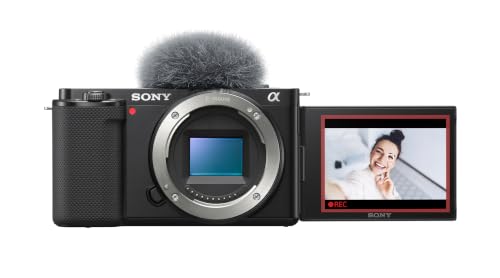
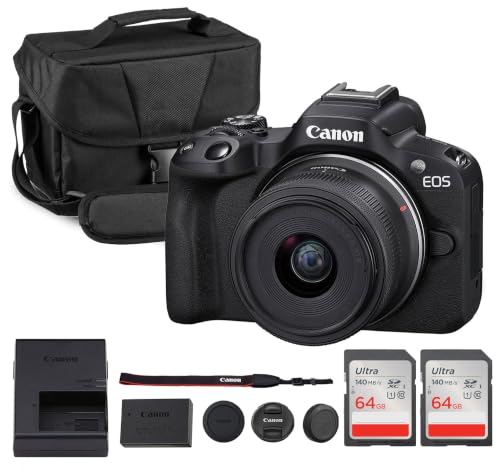


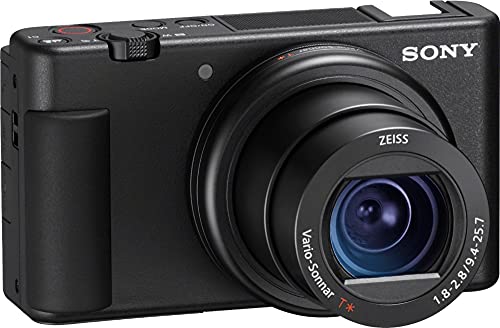

Types of Cameras Compared
Each camera type below suits a different filming style. Compare them by subject, movement, audio needs and learning curve, not by sensor size alone. A camera that fits your first project will help you learn faster than a complex camera that stays in a bag.
| Type | Best For | Pros | Cons | Typical Price |
|---|---|---|---|---|
| Mirrorless cameras | Short films and controlled scenes | Interchangeable lenses and strong video quality | Larger kit and longer learning curve | About $500 to $1500 |
| Action cameras | Movement, outdoors and mounts | Small, tough and easy to mount | Weak low light results and limited audio control | About $250 to $500 |
| Vlogging cameras | Talking to camera and daily videos | Flip screen, simple controls and light body | Short zoom range and fewer lens choices | About $400 to $1000 |
Mirrorless Cameras
Mirrorless cameras suit short films, interviews and scenes where you control light, framing and sound. Interchangeable lenses let you choose a wide view for a room, a standard view for a conversation, or a longer view for a detail shot. Video quality is usually strong, and many models offer good focus tracking and a mic input for cleaner audio.
Action Cameras
Action cameras suit movement, outdoor filming and mounting on a bike, a helmet or a chest strap. They are small, simple and well suited to rough conditions, and they record smooth video while you move. Their limits show in low light, in quiet dialogue scenes and in shots that need a long zoom or a shallow depth of field.
Vlogging Cameras
Vlogging cameras suit talking to camera, daily videos and filming alone. A flip screen lets you check framing while you speak, a light body reduces arm fatigue, and simple automatic modes keep exposure and focus steady. The main limits are a short zoom range and fewer lens choices, so this type works best when you film near the camera and value speed and simplicity.
Mirrorless Cameras vs Action Cameras: Which Should You Choose?
Choose a mirrorless camera if your main work is planned scenes, interviews or short films where framing, focus and audio control matter. Choose an action camera if your main work is movement, outdoor action or mounting in tight spaces where size and toughness matter more than lens choice. For a mixed project, many beginners use a mirrorless camera as the main camera and an action camera for wide or moving shots.
How to Choose the Right Camera
Use the factors below as a checklist for your first camera. Focus on the factors that match your project, and do not pay for advanced video formats you do not yet plan to edit.
Features That Matter for Filmmakers
Filmmaking rewards reliable focus, clean audio, steady footage and a screen you can see outdoors. Continuous focus tracking helps keep a moving subject sharp, while a mic input lets you record dialogue with less background noise. Stabilization helps when you walk and film, and a flip screen helps when you film yourself.
Beginner Friendly Features That Matter
Beginner friendly features reduce mistakes while you learn. Simple automatic modes, clear touch controls, on screen guides and a quick menu help you change settings without stopping a scene. A camera that starts fast, focuses fast and shows battery and card space clearly will save time on set.
For a first camera, also look for a guide mode or a help screen that explains a setting in plain words. For advice on image quality for new users, see our guide to best quality cameras for beginners.
Sensor Size and Image Quality
Sensor size affects low light ability, depth of field and how much you can crop or stabilize footage. A 1 inch sensor suits compact cameras and gives good results in daylight. An APS C sensor offers a useful step up in low light and detail for a modest increase in size.
A full frame sensor gives the most room in low light and for a soft background, but the body and lenses are larger and heavier. Megapixel count alone does not decide video quality, so judge a camera by sensor size, video bitrate, focus speed and audio options together. For a general comparison, see our guide to best digital cameras.
Video Capabilities
Video capability includes resolution, frame rate, focus, audio and recording limits. A 4K resolution gives room to crop and to share on large screens, while a 60 frames per second rate suits smooth slow motion for action. A log profile gives more room to adjust color in editing, but it needs more editing skill and time.
Check for a mic input, a headphone jack, a flip screen for self filming, and a recording time limit that fits your longest scene. For video focused options, see our guide to best video cameras for beginner filmmakers.
Durability and Weather Sealing
Durability matters when you film outdoors, travel with gear or shoot in light rain and dust. Weather sealing helps keep moisture and dust out of buttons and joints, but no ordinary camera is fully proof against every condition. Use a rain cover in heavy rain, keep the camera in a padded bag on rough travel, and change lenses in a sheltered spot when dust is blowing.
Follow maker electrical safety guidance for batteries and charging, keep batteries away from heat, and do not charge a damaged battery. A sturdy strap and a simple bag will protect your camera more than a complex case you leave behind.
Choosing Cameras for Your Situation
Different first projects favor different camera strengths. The sections below focus on three common starting points for new filmmakers, so you can see how film, DSLR and 4K choices differ in practice.
Cameras for Short Film Projects: Which Type Works Best
Cameras for beginner filmmakers who shoot short films should support a clear story, steady shots and clean dialogue, even when the crew is small. Look for a camera with reliable focus, a mic input, a tripod mount that feels stable, and a screen that stays readable outdoors. Keep the kit light enough to move between locations without a long setup time.
DSLR Cameras for Beginner Filmmakers
DSLR cameras suit learners who want a familiar body shape, an optical viewfinder option and a wide range of lenses. A DSLR style camera can give a pleasing background blur for interviews and a solid grip for handheld shots. Check video focus speed, since some DSLR style bodies focus more slowly in video than in still photos. For a digital camera starting point, see our guide to best digital cameras for beginners.
4K Cameras for Beginner Filmmakers
A 4K camera for beginner filmmakers should record sharp 4K video without overheating on a typical shoot and without filling a card too fast. Check the recording time limit, the card speed you need, and whether your computer can edit 4K files smoothly.
A 4K camera is most useful when you plan to crop, to share on large screens or to keep footage for future projects. If you mainly share short clips online, a good 1080p workflow may be faster and easier while you learn. For DSLR style options, see our guide to best dslr cameras for beginners.
Tips to Get the Most From Your Camera
Good habits on set will improve your first videos more than a new accessory. Use the tips below as a short checklist for each shoot.
- Use a lens cloth, not your shirt, to clean the front lens, since fabric can trap dust and leave marks on footage.
- Carry a spare battery and a spare memory card, and check both before you leave for a location.
- Store the camera in a dry, padded bag between locations, and keep it out of direct sun when you are not filming.
- Record a short test clip with dialogue at each location, then listen with headphones to check audio before the main scene.
- Plan each shot with a simple list of framing, movement and sound, so you spend less time guessing on set.
Cameras: Your Questions Answered
What makes cameras for beginners different?
Cameras for beginners differ mainly in simpler controls, clearer menus and stronger automatic modes, not in a lower standard of video quality. A beginner camera helps you get a usable shot fast, while a professional camera gives more manual control for a skilled operator. For your first projects, best beginner filmmaker cameras should be easy to start, easy to focus and easy to hear, so you can learn framing and story first. As your skills grow, you can add lenses, lights and audio gear without replacing the whole kit at once.
What features matter most in cameras for filmmakers?
Focus tracking, clean audio, stabilization and a usable screen matter most for filmmakers, because they affect every scene you shoot. A camera that keeps a subject sharp, records dialogue clearly and stays steady while you move will serve most projects well. Sensor size and resolution matter too, but they help less if focus misses or audio is noisy. Before you buy, rank focus, audio, stabilization and screen visibility for your project, then judge each camera against that ranking.
Is a smartphone enough instead of a filmmaking camera?
A smartphone can be enough for short online videos, vlogs and practice projects, especially when you add a small mic and a tripod. Its limits show in low light, in long zoom shots, in shallow depth of field and in long recording sessions. A dedicated camera gives you better audio inputs, longer battery options, interchangeable lenses and more control over focus and exposure. Many beginners start with a phone for practice, then move to a dedicated camera when a project needs stronger audio or framing control.
What specs matter most for beginners?
For beginners, focus speed, audio inputs, stabilization, battery life and a simple menu matter more than advanced video formats. A camera that focuses fast and records clean audio will save many retakes, while a complex log format may slow editing without a clear benefit. Check the maximum recording time, the card speed you need and whether your editing software handles the video format easily. Choose specs that support the videos you will make in the next year, not specs for a project you may never attempt.
Which camera type is better for low light?
A mirrorless camera with a larger sensor and a lens with a wide aperture usually gives the best low light results, because it gathers more light and keeps noise lower. A vlogging camera can still work in dim rooms if you add a small light and keep the camera steady. An action camera often struggles in low light, since its small sensor and wide lens gather less light. For night scenes, plan extra light, test your camera at home in similar light, and avoid relying on automatic gain alone for dialogue.
How much should I spend on my first filmmaking camera?
Many beginners do well with a camera in the modest to midrange spending levels in the table above, plus a spare battery, extra memory cards and a basic mic. Spend more only if you need longer recording, stronger low light results or interchangeable lenses for planned scenes. Reserve part of your budget for audio, a tripod and a padded bag, since those items improve almost every project. A simple camera you use often will teach you more than a complex camera you use rarely.
Wrapping Up
Start with your project, then choose the type that fits it: mirrorless for planned scenes, action for movement, or vlogging for talking to camera. Check focus, audio, stabilization, battery life and ease of use before you compare resolution alone, and test the camera in your hand with the lens or mount you plan to use. The product table above can help you compare types side by side, and best cameras for beginner filmmakers should feel simple to start, steady to hold and ready for the stories you want to tell first.


