Best Beginner Cameras for Sports Photography Made Simple: A Clear Buying Guide for 2026
Disclosure: We may earn a commission when you buy through links on this page, at no extra cost to you. As an Amazon Associate I earn from qualifying purchases. Learn more

The best beginner cameras for sports photography offer fast bursts, tracking autofocus and long lens options. Learn what to compare before game day.
Sports move fast, and a camera that feels fine for portraits can miss the one moment you wanted at a game. The best beginner cameras for sports photography solve that with quick burst shooting, autofocus that follows a moving player, and controls that stay simple while you learn. This guide starts with the basics, then walks you through the specs that change your results on the field.
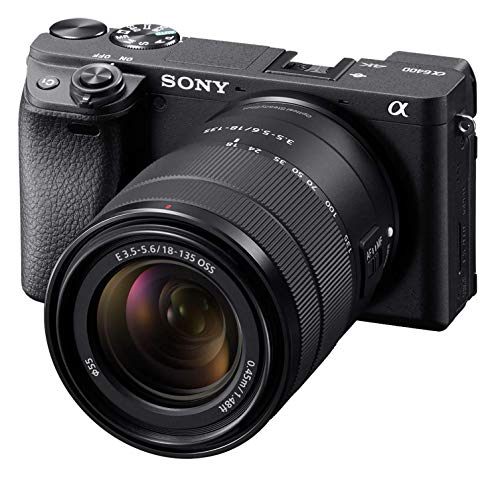
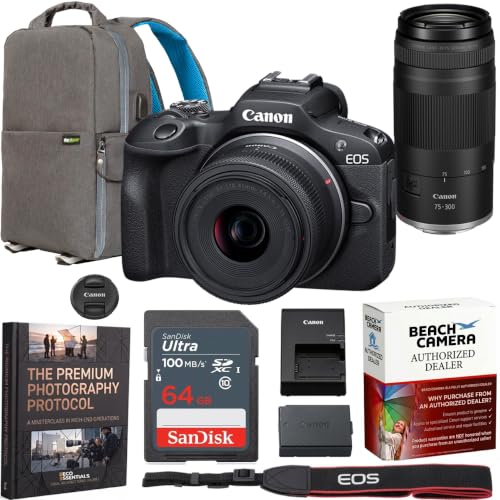
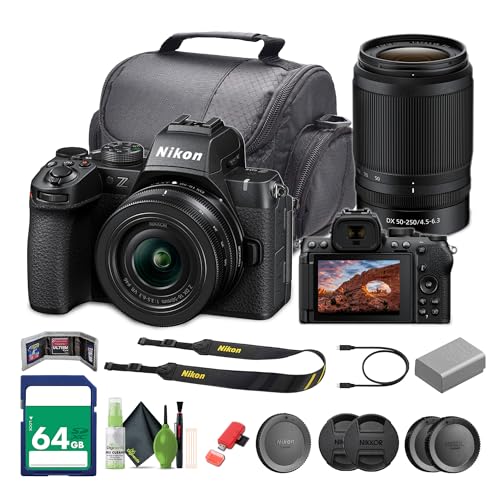
You do not need a professional budget to freeze action well. You need a body that keeps up, a lens with enough reach, and settings you understand before the whistle blows. Use the comparison table below to see how the main options differ, then read on for the plain English version of each feature.





Cameras 101: The Basics for New Sports Shooters
A camera records light through a lens onto a sensor, and three settings control each photo: shutter speed, aperture, and ISO. Shutter speed matters most for sports, because a fast shutter freezes motion while a slow one blurs it. Aperture controls how much of the scene looks sharp, and ISO raises brightness when light drops, though very high values add grain.
Most new sports shooters choose between mirrorless cameras, older DSLR designs, and fixed lens bridge models with long zoom ranges. Mirrorless bodies are now the most common starting point, because they show your exposure on screen and pack strong tracking into smaller bodies. Whatever style you pick, the best beginner cameras for sports photography share one trait: they respond instantly when you press the shutter.
Who Should Buy a Beginner Sports Camera
Beginner sports cameras suit people who shoot moving subjects often but still want guided modes and fair prices. If you are still building general skills, see our guide to the best photography cameras for beginners.
Parents Shooting Youth League Games
You stand on a sideline, often far from the play, in light that shifts from bright sun to shade within one match. You need reach to fill the frame with your child, a burst mode for breakaways, and face detection that locks on without menu diving. A kit with a telephoto zoom and a reliable auto mode covers most Saturday games, and a second battery keeps you shooting through a tournament day.
Students Covering School Sports
School gyms and evening fields are dimmer than they look, so clean high ISO results matter as much as speed for you. You also carry your camera between classes, which makes a lighter mirrorless body easier to live with. Look for good grip, a clear viewfinder for bright days, and wireless transfer so photos reach the school paper or your phone quickly.
Hobbyists Following Local Teams and Track Days
You shoot adult leagues, runners, cyclists, or cars, and your subjects move faster and less predictably than youth players. Prioritize tracking autofocus and a deeper buffer over extra megapixels, because a long rally rewards cameras that keep firing. As your skills grow past entry level settings, see our guide to the best cameras for sports photography for the next step up.
Key Features to Compare
Burst Speed and Buffer Depth
Burst speed tells you how many frames the camera captures per second while you hold the shutter down, and around 8 to 15 frames per second suits most beginner sports work. The buffer holds those frames before they reach the card, so a deeper buffer means longer bursts at a goalmouth scramble. A fast memory card matters too, because a slow card fills the buffer sooner and pauses your shooting.
Autofocus Tracking and Subject Detection
Tracking autofocus follows a player across the frame instead of locking onto whatever sits in the center, and it most improves a beginner hit rate. Many current models detect people, animals, or vehicles and hold focus on an eye or helmet as the subject turns. Practice by half pressing the shutter while a player runs toward you, and check that the focus box stays attached.
How Sensor Size Shapes Image Quality for Sports
Sensor size shapes image quality more than the megapixel count on the box. A 1 inch sensor in a compact body beats a phone but limits you in dim gyms, APS C sensors in most beginner mirrorless cameras balance size and quality well, and full frame sensors gather the most light at the highest cost and weight. Around 20 to 26 megapixels is plenty for sports.
Lens Reach and Mount Choice
The lens decides how close the action looks, and sports usually demand telephoto reach of about 200 to 400 mm in full frame terms. Built in optical zoom on a bridge camera is convenient, while interchangeable lens mounts let you add a longer telephoto later. Readers set on one brand system can see our guide to the best canon cameras for sports photography. For camera types beyond action, see our guide to the best cameras for photography.
Low Light Performance for Gyms and Night Games
Indoor courts and floodlit fields push cameras hard, because you need a fast shutter and the light is weak, so ISO climbs. A camera that stays clean around ISO 3200 to 6400 gives you usable gym photos instead of smeared ones. A lens with a wide maximum aperture, such as f2.8 to f4 at the long end, lets in more light and lowers the ISO you need. Image stabilization helps with hand shake during slow pans, though it cannot freeze a moving player.
Ease of Use and Guided Modes
A beginner camera should teach you as you shoot, with a guided interface that explains each mode in plain words and a sports preset that sets a fast shutter for you. Touch screens that let you tap a player to focus, plus wireless transfer to your phone, remove friction on game day. Check that the main dials fall under your fingers without looking down, because plays develop in seconds.
Getting Started: Setup and Your First Sports Shoot
Charge the battery, format the memory card in the camera, and set the date so files sort correctly later. Attach the lens until it clicks, and switch to sports or shutter priority mode. Set continuous autofocus and high speed burst before you leave home, because menus feel ten times slower once a match starts.
- Arrive early and stand where the action comes toward you, near a goal or finish line.
- Take practice shots during warm ups and zoom in on screen to check sharpness.
- Shoot bursts of three to five frames as a play peaks, then pause to keep your buffer clear.
- Review a few images at halftime and adjust your position for the second half.
Common Mistakes to Avoid
- Using a slow shutter speed for moving players, which turns the key moment into a blur.
- Buying on megapixels alone, which leaves you with big files but weak tracking.
- Standing at midfield for every play, which keeps the action small in your frame.
- Shooting only single frames, which means the best contact happens between shots.
- Forgetting a spare charged battery, which ends your coverage before the final whistle.
- Watching the screen after every burst, which makes you miss the next play.
Care and Maintenance for Sports Cameras
Wipe the front lens element with a clean lens cloth, never your shirt, because grit in fabric can scratch the coating. Blow loose dust off the body after outdoor games, and let a rain damp camera dry at room temperature before storing it. Weather sealing resists splashes, but it is not waterproof, so use a rain cover in heavy downpours.
Store the camera in a padded bag with the battery removed if it will sit unused for weeks, and recharge spares before each event. Keep the sensor covered when you swap lenses, and change lenses with the camera facing down in dusty places. Check for firmware updates once a season, since updates often improve autofocus.
FAQ
What makes a beginner sports camera different from a regular beginner camera?
A beginner sports camera differs mainly in speed, with faster burst shooting, tracking autofocus, and quicker response than a general model. It also pairs with longer lenses, because sports subjects are rarely close. One point new buyers miss is grip shape: a deeper grip helps you hold a long telephoto steady through a whole match.
What burst rate does a beginner need for sports photography?
Around 8 to 15 frames per second covers most beginner sports well. Faster rates help with bat swings and finishes, though they fill cards quickly. Shoot short bursts around the peak of a play rather than holding the button down, and you will keep the decisive frames without sorting hundreds of near duplicates.
Does a beginner sports camera need 4K video?
No, a beginner sports camera does not need 4K video for good stills, because video resolution has no effect on photo quality. Choose 4K only if you plan to film games too, and check recording time limits before a full match. Many beginners get more value from putting that budget toward a longer lens instead.
How far can a beginner sports camera lens reach for field sports?
A lens reaching about 200 to 400 mm in full frame terms fills the frame with players across a soccer or football field. Shorter lenses work for basketball from courtside, where the action stays close. Position matters as much as reach, so moving to the end you expect the attack to reach often beats buying more zoom.
Can a beginner sports camera handle indoor gym lighting?
Yes, a beginner sports camera can handle gym lighting if it keeps good detail at high ISO and pairs with a reasonably wide aperture lens. Raise ISO until your shutter reaches about 1/500 of a second and accept some grain over motion blur. Sitting closer also helps, because light on the players near you is stronger than at the far basket.
Final Thoughts on Beginner Cameras for Sports Photography
Choose on the three things that decide sports results: tracking autofocus that holds a moving player, a burst rate with a buffer that keeps firing, and a lens long enough for your field. Match the body to your setting, lighter for students, longer reaching for sideline parents, and practice the setup steps before game day. Compare your shortlist in the product table above, and the best beginner cameras for sports photography for your budget will be one whose speed fits your sports.