
Best Cameras for Snowboard Filming in 2026: The Buyer Checklist We Use
Disclosure: We may earn a commission when you buy through links on this page, at no extra cost to you. As an Amazon Associate I earn from qualifying purchases. Learn more

Compare cameras for snowboard filming by stabilization, cold battery life, autofocus and sealing, with a clear checklist for action and vlogging use.
Snowboard filming punishes a camera in ways a sunny walk never does. You shoot while moving, in freezing air, with bright snow fooling exposure and gloves making small buttons hard to use. The best cameras for snowboard filming stay steady, stay awake in the cold, and stay simple to control. Use the comparison table below to check each model against that test.
Start with how you plan to shoot. A rider recording a personal point of view needs a different body than a friend filming beside a jump or a creator talking to the lens in the lodge. This guide sorts those needs first, then compares stabilization, sensor and autofocus.





Who Should Buy Which Camera for Snowboard Filming?
Match the camera to the job you repeat most. Mount options, screen style and pocket weight matter more than headline specs.
Riders Recording Their Own Runs
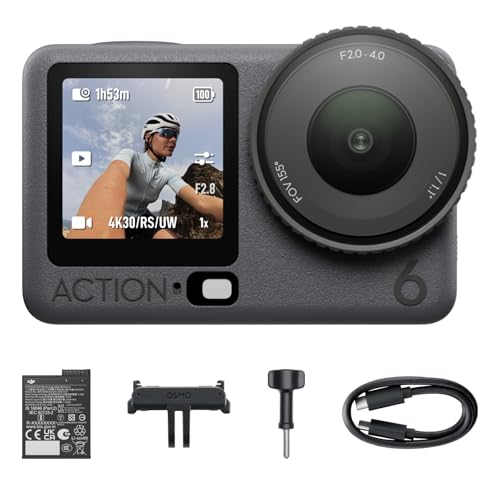
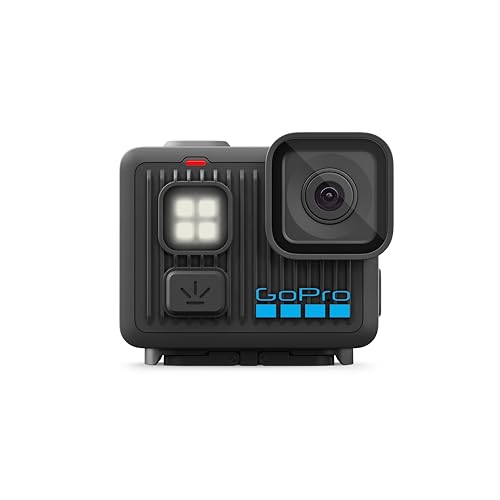
You need a small action camera that mounts to a helmet, chest strap or pole and starts with one large button or a voice command while gloves stay on. A wide view keeps your board and the slope in frame even when the mount shifts. Choose a body that is weatherproof on its own, so snow spray and a soft fall do not end filming.
Friends Filming Riders From the Slope
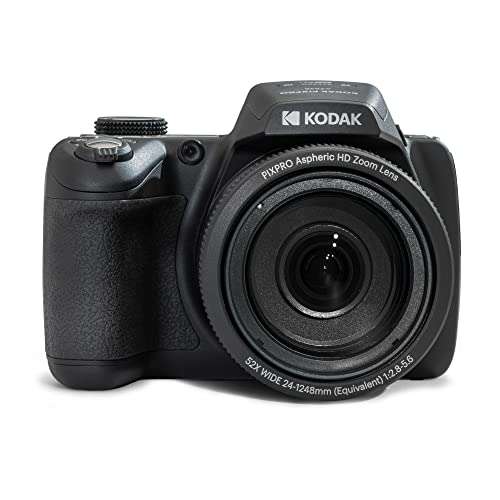
You stand a short distance away and pan to follow each run, so reach and tracking matter more than tiny size. A camera with a zoom lens, a bright screen you can read in snow glare, and room for a small tripod suits you best. If you also shoot other field action, see our guide to the best cameras for filming sports for a broader view of panning work.
Creators Filming Park Sessions and Talking Pieces
You mix riding clips with pieces to camera in the lodge, so sound and screen angle shape your choice. Vlogging cameras with a screen that flips to face you and a socket for an outside microphone serve you well. Face detection keeps you sharp while you talk, and a larger sensor keeps lodge clips clean in dim light.
Key Features to Compare
That balance of steadiness, cold tolerance and simple control separates the best cameras for snowboard filming from a travel camera. Work through each factor before price.
Image Stabilization and Frame Rates for Motion
Image stabilization smooths the bounce from uneven snow, board chatter and a mount moving with your body. Strong electronic or in body stabilization keeps the horizon level on follow shots, though the strongest settings crop the view a little. Look for 4K video at 60 frames per second for normal runs, with 120 frames per second for slow motion replays of jumps.
Sensor Size and Exposure in Bright Snow
Sensor size shapes how clean footage looks at dawn, dusk and inside a lodge. A 1 inch sensor suits small bodies, APS C sensors gather more light in mid size bodies, and full frame sensors give the cleanest dim light results at the highest cost and weight. Bright snow often tricks a meter into making riders look dark, so exposure compensation and wide dynamic range help hold detail in snow and dark jackets at once.
Autofocus That Tracks a Moving Rider
Autofocus has to lock onto a rider who grows larger as they ride toward you, then shrinks down the slope. Continuous autofocus with subject tracking holds that lock while you pan, and it matters more here than fast still photo bursts. A jacket that stands out from the snow gives the system an easier target.
Weather Sealing and Toughness on Snow
Snow is water waiting to melt, so weather sealing around battery doors, card slots and lens mounts protects the parts you open most. A weatherproof action body rides through spray and light snowfall without a case, while larger bodies need more care in heavy snow. Check the rated working temperature too, since a camera rated only for mild weather may shut down on a summit.
Battery Life in Cold Air
Cold air cuts battery runtime, often by a wide margin compared with the rating quoted at room temperature. Carry at least one spare in an inner pocket close to your body, then rotate a warm spare in when power drops. Larger bodies tend to hold larger batteries and run longer per charge.
Size, Weight and Controls With Thick Gloves
Weight feels different on a helmet than in your hand, and even a small camera can pull a mount out of line over a long day. In a pocket, a slim body rides better than a deep grip and long lens. Large buttons and clear dials beat small touch controls with thick gloves, because many touchscreens respond poorly through glove fabric.
Camera Types for Snowboard Filming Compared
Three broad types cover almost every snowboard filming job. If you are sorting out the wider market, see our guide to the best digital cameras for how these types sit beside stills models.
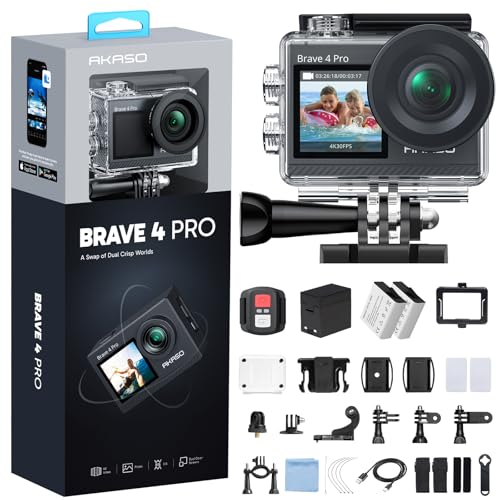
Action cameras. These tiny, rugged bodies give you the widest view, strong mounts and simple one button recording for point of view clips. They suit riders who film themselves and friends at close range. Their small sensors limit zoom reach and dim light quality, so they are weaker from far down the slope.
Mirrorless and vlogging cameras. These bodies pair larger sensors with changeable lenses, flip screens and microphone sockets, so they lead on image quality and talking pieces. They suit creators who can carry more weight. If that route appeals, see our guide to the best canon cameras for filming for one major lens system.
Compact and bridge cameras with zoom. These fixed lens models sit between the types above, giving you real zoom reach in a body that fits a large pocket. They suit a friend filming runs from one spot without swapping lenses. You give up some low light quality, but you gain simple handling and lower cost.
Questions to Answer Before You Buy for the Slopes
Answer each question before you order. A single no on the first four points usually means frustration.
- Can you start recording while wearing thick gloves?
- Is it rated for the coldest temperature you ride in?
- Does it record 4K video at 60 frames per second or faster?
- Can autofocus lock onto a moving rider and hold that lock?
- Can you carry a spare battery for a full day out?
- Does your mount fit helmet, chest strap or pole?
- Is the screen bright enough to read in snow glare?
Common Mistakes to Avoid
Most filming problems on snow come from these choices.
- Mounting a large, heavy camera on a helmet makes the mount sag and leaves you with tilted footage.
- Leaving spare batteries in a cold outer pocket drains them before you swap one in.
- Trusting auto exposure on bright snow turns riders dark and hides jacket detail.
- Filming all day at the highest frame rate fills cards and drains batteries before the last lift.
- Wiping a wet lens with a glove smears grit across the glass and can scratch the coating.
Setup and Care Tips for Snowboard Filming Cameras
Set resolution, frame rate and exposure compensation in the lodge, before gloves go on. Attach a short tether from the camera to its mount, then record a ten second test clip to check the angle. A mount that points at your knees or at the sky wastes the run.
Clean the lens with a soft lens cloth, never your shirt or glove, and let snow melt off the body before you wipe it dry. Shake snow from mounts, check screws for cracks, and store the camera in a dry, padded bag away from heaters.
Frequently Asked Questions
What features matter most when filming snowboard runs in cold and bright snow?
Stabilization, cold weather battery life and weather sealing matter most for filming snowboard runs. Together they decide whether footage stays smooth, the camera stays on, and melt water stays out. One point many buyers miss is wind noise, which can swamp speech on an exposed ridge. A foam wind cover over the microphone, or a mic inside your jacket collar, cuts that roar.
What camera specs matter most for beginners filming snowboarding?
Simple auto modes, strong stabilization and one button recording matter most for beginners filming snowboarding. Those traits let you learn framing instead of fighting menus on a cold lift. Add one spec that rarely makes headline lists, namely memory card speed. A card that is too slow can stop a 4K recording mid run, so buy cards rated for sustained video writing.
How much should you spend on a first camera for snowboard filming?
A sensible first budget is about $250 to $500 for an action or compact camera for snowboard filming. That range buys solid stabilization, 4K video and basic weather protection without a lens system. Keep part of the budget aside for mounts, cards and a spare battery, since those extras often cost about $50 to $120 and decide whether the camera is ready on day one.
Is a smartphone enough for snowboard filming instead of a dedicated camera?
Yes, a smartphone is enough for casual snowboard filming in good light and for short clips shared the same day. Its limits show up on longer days, when cold drains the phone you also need for calls and lift maps, and one drop on ice risks the device you rely on most. Many riders start with a phone, then add an action camera and keep the phone as a backup.
How do you stop a snowboard filming camera lens from fogging after a cold session?
You stop fogging by letting the camera warm up slowly while sealed away from warm, damp indoor air. Place the cold camera in a closed bag with a packet of silica gel before you enter the lodge, and leave it closed until it reaches room temperature. Opening a cold camera indoors lets moisture settle on the lens and inside ports.
Our Verdict
Put stabilization, cold battery life and glove friendly control ahead of headline resolution, and match the type to how you film. Riders who film themselves need mounts and toughness, friends need reach and tracking, and creators need sound and a flip screen.
Compare the best cameras for snowboard filming on those points, check your shortlist against the product table above, and choose the simplest body that covers your usual day.


