
Best Cameras for Snorkeling of 2026: Complete Buying Guide
Disclosure: We may earn a commission when you buy through links on this page, at no extra cost to you. As an Amazon Associate I earn from qualifying purchases. Learn more

Compare waterproof depth, sealing, stabilization, battery life, and zoom for snorkeling cameras, then pick a setup that suits your swims, light, and budget.
Choosing the best cameras for snorkeling starts with the water itself, because a camera that looks fine on land may fog, leak, or run out of power halfway through a swim. Depth rating, sealing, and handling under water matter at least as much as resolution. The comparison table below gives you a quick way to weigh the main types side by side before you read the detail.
This guide compares the features that truly affect snorkeling photos and video, from waterproof ratings to stabilization and battery life. It also explains how to care for a camera after salt water use, so your investment lasts beyond a single holiday. Follow the maker guidance for depth limits, seals, and rinsing, and never push a camera past its rated depth.

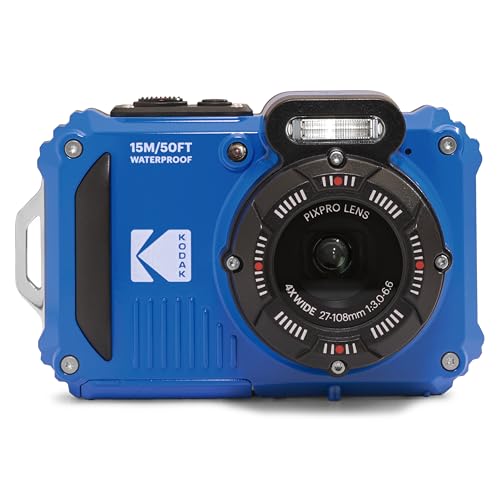
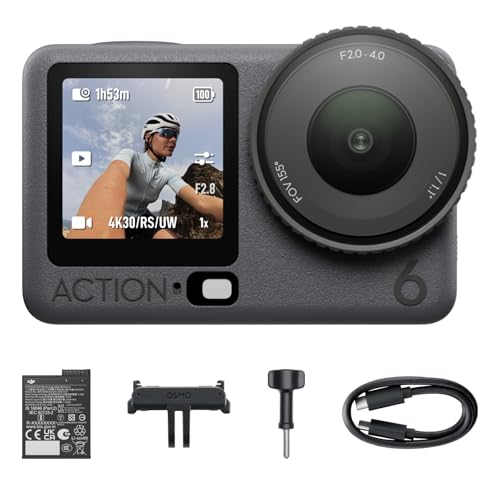


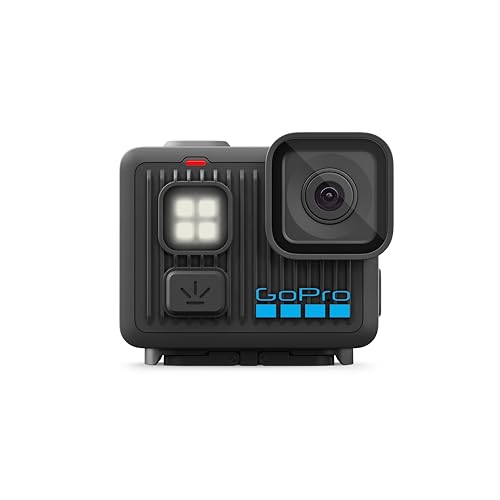
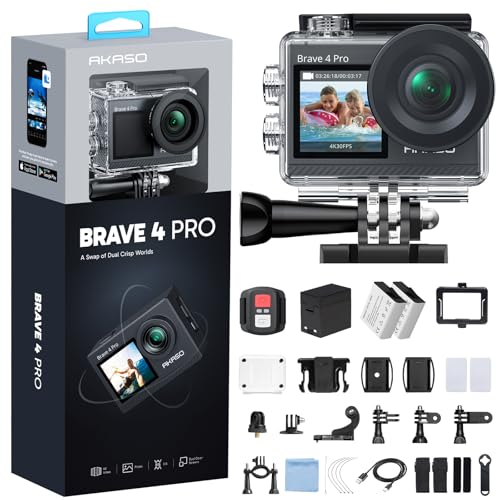


Spending Levels at a Glance
Price tiers for snorkeling cameras reflect sealing, stabilization, and lens quality more than brand names. Use the three levels below to set expectations, then compare individual kits within the level that fits your budget. Remember that mounts, spare batteries, and memory cards add to the total cost.
A Sensible Starter Budget
A starter budget usually covers a compact waterproof camera or a small action style camera with a modest zoom and simple controls. Expect a depth rating suited to surface snorkeling, decent daylight video, and basic stabilization that handles gentle movement. You may give up strong low light performance and long battery life, so carry a spare battery and keep swims shorter. This level suits occasional snorkelers who want reliable memories without a large investment.
A Midrange All Rounder
A midrange budget buys stronger stabilization, better low light results, and more flexible video options such as higher frame rates for slow motion. Sealing tends to be more robust, controls feel easier with wet hands, and battery life stretches further across a full morning of swims. This level suits regular snorkelers who want both photos and video and who swim in varied light, from bright shallows to shaded reefs. It is often the sweet spot for travelers who snorkel several times on one trip.
A Premium Setup for Serious Swimmers
A premium budget buys the strongest sealing, the best stabilization, and the most control over exposure, color, and audio. These kits often pair a capable camera with a dedicated housing, filters for color correction, and mounts that keep the camera steady in current. The trade is size, weight, and complexity, plus stricter care routines after every swim. Choose this level only if you snorkel often, edit your footage, and value image quality enough to accept the extra upkeep.
How to Choose the Best Cameras: Buying Guide
The factors below decide whether a snorkeling camera delights you or frustrates you in the water. Read them in order, and note which ones matter most for the depths, light, and swim lengths you expect. A camera that excels in one area may lag in another, so the goal is a balanced kit rather than a single headline feature.
Features That Matter for Snorkeling
Snorkeling demands a waterproof rating with real margin above your planned depth, because waves, dives below the surface, and pressure changes all add stress. Check whether the rating applies to the bare camera or only with a housing, and inspect how seals, doors, and latches work before you buy. Controls should be large and simple enough to use with wet hands, and the screen should stay readable in bright sun. A float or a wrist strap is a small addition that can save a camera dropped in open water.
Sensor Size and Image Quality
Sensor size shapes detail and low light behavior, but under water the lens, color handling, and light matter just as much. Larger sensors often produce cleaner files in shaded water and more room to crop, yet they usually need a housing that adds bulk and cost. Smaller sensors can still shine in bright shallows, especially when paired with good stabilization and accurate color. Judge samples taken under water rather than on land, look for natural skin tones and reef colors instead of oversaturated demo shots, and see our guide to the best digital cameras for a broader look at sensor choices.
Video Capabilities
Video often matters more than stills for snorkeling, because movement, light rays, and marine life come alive in motion. Look for smooth stabilization, a frame rate that suits slow motion, and a microphone setup that handles water noise without drowning out natural sound. A flip screen or a wide field of view helps you frame yourself and companions without guessing. Check how long the camera records continuously under water, since heat and battery limits can cut sessions shorter than the headline recording time suggests.
Battery Life and Charging
Battery life decides how many swims you can cover before you must dry, open, and recharge the camera, which also exposes seals to sand and salt. Check the rated number of shots or minutes of video per charge, then allow a margin for cold water and frequent screen use. USB C charging makes top ups easy on travel, but a spare battery is still the simplest insurance for a full day. Keep batteries dry, follow maker guidance for charging, and never open a wet camera near sand.
Low Light Performance
Light fades quickly under water, and colors shift toward blue and green as depth increases, so low light ability matters even on sunny days. A lens with a wide maximum aperture gathers more light, while a larger sensor keeps noise lower when sensitivity rises. Filters can restore warmer color at depth, but they also reduce light, so balance filter use against available brightness. Compare results from shaded reefs and deeper swims, not just bright surface shots, and see our guide to the best quality cameras for more on balancing sensor size and lens choice.
Durability and Weather Sealing
Durability for snorkeling means more than a depth number, because salt, sand, and repeated pressure cycles test every seal and latch. Look for clear maker guidance on rinsing in fresh water after each swim, drying before opening, and replacing seals on schedule. Nitrogen purged housings resist internal fogging when moving between warm air and cool water, which keeps the lens clear during a swim. Treat the camera gently on boats and beaches, since a knock that seems minor on land can weaken a seal.
Lens and Zoom Range
Under water, a wide to moderate zoom usually beats a very long one, because water clarity limits useful distance and movement is harder to control. A wide view captures reefs, turtles, and companions in one frame, while a moderate zoom lets you frame a single fish without chasing it. Check the maximum aperture across the zoom range, since lenses often darken as you zoom in, which hurts low light results. Optical zoom preserves detail far better than digital zoom, so give it real weight in your comparison.
Types of Cameras
Three broad types cover most snorkeling needs, and each one suits a different style of swimming and shooting. Think about how you hold the camera, whether you need a screen or a viewfinder, and how much gear you want to carry on a boat.
Mirrorless Cameras
Mirrorless cameras offer the best image quality and lens choice, but they need a dedicated housing for snorkeling, which adds cost, size, and care steps. They suit experienced swimmers who want full control and are willing to rinse, dry, and inspect seals after every outing. If you already own one and love its results on land, a housing can extend that quality under water.
Vlogging Cameras
Vlogging cameras prioritize easy framing, flip screens, and clear audio, which suits snorkelers who narrate swims or film companions. They are lighter than a housed mirrorless kit, though their waterproof depth often depends on a case rather than the bare body. Check the case rating, audio quality under water, and stabilization before you rely on one for a full trip.
Action Cameras
Action cameras are small, rugged, and easy to mount on a mask, chest, or float, which makes them ideal for active swimmers. Their wide field of view captures the scene well, though distant subjects stay small and low light results lag behind larger cameras. For hands free swimming and simple operation, they are often the easiest choice, especially for beginners.
Best Cameras for Specific Needs
Best Action Cameras for Snorkeling
The phrase best action cameras for snorkeling points to small, mountable cameras built for movement and rough handling. Look for strong stabilization, a waterproof rating with margin above your planned depth, and controls you can use without looking. Battery life and heat matter on long swims, so carry spares and keep sessions realistic. A float mount and a tether are cheap insurance, since a dropped camera sinks fast and is rarely recovered.
Setup and Care Tips
- Use a lens cloth, not your shirt, because sand and salt on fabric can scratch the lens port and soften every shot after.
- Carry a spare battery, and store it dry, since opening a wet camera on a sandy boat risks grit in the seal that can cause a leak.
- Store the camera in a dry, padded bag between swims, and rinse it in fresh water after salt water use following maker guidance.
- Update firmware for autofocus improvements before you travel, and test the camera in a pool or shallow water before a big trip.
- Inspect seals, latches, and the lens port before every swim, and replace worn seals on the schedule the maker recommends.
- Follow maker electrical safety guidance for charging, keep the camera away from children when it is not in use, and never open a flooded camera near power sources.
Cameras: Your Questions Answered
What features matter most in cameras for snorkeling?
Waterproof depth with margin, reliable sealing, stabilization, and battery life matter most, because they decide whether the camera survives the swim and captures steady footage. A wide to moderate zoom suits reef scenes better than a very long lens, while a readable screen helps framing in bright sun. Color handling matters too, since water shifts colors toward blue and green with depth. Choose a kit whose depth rating, controls, and care routine fit your actual swims rather than the deepest number on the box.
How much should I spend on my first snorkeling camera?
A sensible first snorkeling camera usually costs about $150 to $600, depending on whether you choose a compact waterproof camera, an action camera, or a housed setup. Lower budgets cover surface snorkeling in good light, while higher budgets add stabilization, low light ability, and stronger sealing. Add mounts, spare batteries, cards, and a float to your total, since those extras are easy to forget. Spend enough for a depth rating with margin, then put the rest toward accessories you will actually use.
Which camera setup is better for low light under water?
A larger sensor with a wide aperture lens usually performs best in low light, because it gathers more light and keeps noise lower as sensitivity rises. Under water, though, depth and clarity limit light before the camera does, so filters and artificial light also shape results. Stabilization helps for still subjects by allowing slower shutter speeds, but it cannot freeze a moving fish. Compare samples from shaded reefs and deeper swims, and see our guide to the best cameras for photography for more on sensor and lens trade offs.
Is a smartphone enough instead of a snorkeling camera?
A smartphone in a waterproof pouch can work for shallow, calm snorkeling, especially for quick photos near the surface. Pouches vary in quality, touchscreens respond poorly under water, and a leak can destroy the phone, so the risk is real. Dedicated snorkeling cameras offer better sealing, stabilization, and controls designed for wet use. If you use a phone, test the pouch empty first, keep swims shallow and short, and accept that image quality will lag behind a purpose built camera.
What specs matter most for beginners?
Beginners should prioritize a trustworthy waterproof rating, simple controls, strong stabilization, and good battery life over advanced manual features. A camera that is easy to operate with wet hands and frames reliably will produce more keepers than a complex kit. Weight and mounting options matter too, since a camera that feels awkward stays in the bag. Start with a versatile setup, practice in a pool or calm bay, add filters or lights only after you know what your footage is missing, and see our guide to the best underwater cameras for snorkeling for a closer look at dedicated options.
Our Verdict
The best cameras for snorkeling are the ones whose depth rating, sealing, stabilization, and battery life match the swims you actually take. Start with a trustworthy waterproof rating and simple wet weather controls, then weigh image quality and video features against size and upkeep. Use the product table above to narrow your shortlist, test the camera in shallow water before a big trip, and follow the maker care routine after every swim.

