Best Cameras for Professional Photography in 2026: Everything to Know Before Your First Purchase
Disclosure: We may earn a commission when you buy through links on this page, at no extra cost to you. As an Amazon Associate I earn from qualifying purchases. Learn more

Shopping for the best cameras for professional photography for the first time? Learn the terms, compare options, and avoid rookie mistakes with this guide.
Buying your first professional kit feels different from buying a hobby camera, because the camera stops being a pastime and becomes a tool your income depends on. Clients rarely ask which body you used, but they do expect files that arrive on time, in focus, and safely backed up. This guide explains the best cameras for professional photography from the first purchase angle: what the work actually demands, which specs matter on a paid shoot, and the order to buy in so nothing essential is missing on day one.
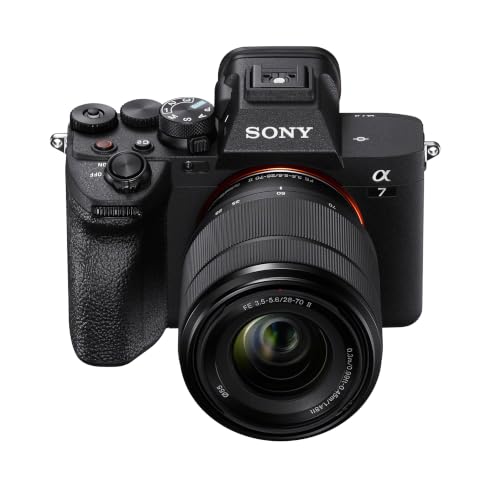
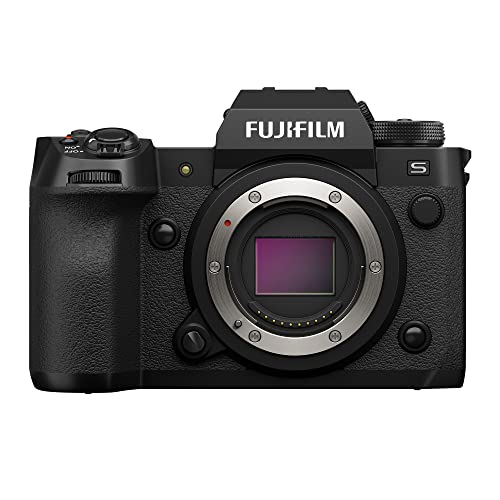
We will start with the work itself, then translate the spec sheet into plain English, then build the kit piece by piece, including the used market and one famous name you should not try to buy new. The comparison table below gives a quick view of the main classes, and the sections after it go deeper. One warning before we start: the body is only part of the bill, and for most first kits it should not be the biggest part.





Start With the Job, Not the Camera
Professional work is not one job, and the right first system depends on which of three broad kinds you plan to sell. Event work, such as weddings and conferences, means changing light, no second chances, and long days on your feet. Portrait work is slower and more controlled, so lenses and lighting usually matter more than the body. Product and food work happens on a tripod in a studio corner, where steady support and a tethered view of the shot matter more than speed.
Professional work is the demanding end of the field covered in our guide to the best cameras for photography, and the real difference is less about image quality than about reliability under deadline. Choose the system that fits your work type first, because you are buying into a lens library and a service network, not just a camera.
The Specs That Matter on a Paid Shoot
Every current candidate is a digital camera, and the classes described in our guide to the best digital cameras for professional photography share the same basic shape, so the differences that matter are about working habits rather than headline numbers. Read the specs below as job requirements. A feature earns its place only if it protects a delivery, a client relationship, or your own working day.
Features That Separate Working Cameras From Hobby Cameras
Two memory card slots, writing the same files to both cards at once, are the clearest line between a working camera and a hobby one. Cards do fail, and a wedding or a product launch cannot be restaged because one card died. Working bodies also bring shutters and controls built for heavy daily use, ports for tethering and audio, and menus that let you save setups for repeat jobs.
None of this shows up in a sample photo. All of it decides whether you deliver on the one day something goes wrong, which is the day professional gear earns its price.
Sensor Size and the Megapixel Myth
Megapixels are not the quality story, and chasing the highest count is the classic first buyer error. What clients receive is a file that must be sharp at the size they print or publish, and most modern sensors clear that bar with room to spare. Larger sensors earn their money in dim halls and in the smooth shallow depth that portrait clients love.
Smaller formats stay legitimate professional tools, with lighter kits and extra reach for the same lens. Choose sensor size by the work you will sell, and spend the savings on glass.
Weather Sealing Is a System, Not a Sticker
A sealed body only stays sealed when it is paired with a sealed lens, every port door is closed, and the hot shoe is covered. One unsealed lens on a sealed body leaves the system open at exactly the joint where rain enters. Treat sealing as insurance rather than permission: it buys you time to finish the shot and get under cover, and a simple rain cover still earns its tiny cost on wet jobs. After any wet shoot, dry the kit with doors open before it goes back in the bag.
Battery Life Across a Full Working Day
Published shots per charge are numbers from ideal conditions, and real event days cut into them with screen review, cold weather, and constant autofocus. Plan on spares rather than hoping the rating holds, and build a charging routine the night before every job. Bodies that can top up over USB between locations soften the problem, but they do not remove it. Label your batteries, rotate them evenly, and retire packs that fade early, because a dead camera at the first dance is a business failure, not bad luck.
Size, Weight, and Carrying Two Bodies
Professionals often carry two bodies at once, one with a wider lens and one with a longer one, so the weight of each body is paid twice. Grip shape and control layout matter more across a ten hour day than a few grams on a spec sheet. Swapping lenses in dust, rain, or a dark reception is how sensors get dirty and moments get missed, which is why the two body habit exists. When you handle a candidate body, hold it one handed and find the main dials by touch, because that is how you will work.
Building the First Kit in the Right Order
Buy in the order of what loses the job if it is missing. Files first, then coverage, then backup, then the specialty pieces. The order below keeps a first kit honest and avoids the classic trap of a flagship body with nothing around it.
One Body and Two Lens Classes
The honest starter kit is one capable body plus two lens classes: a versatile standard zoom class that covers groups, rooms, and general reporting, and a fast prime class that handles dim light and portraits. Together they cover most first year work without renting. Notice that this plan names classes, not models, because every current system offers both. It also puts more money into the pair of lenses than many first buyers expect, which is correct: lenses stay in your bag through several bodies and shape the look clients actually see.
The Backup Body Is the Step That Makes It a Business
A single body is a hobby kit no matter how expensive it is, because bodies fail at the worst available moment. The backup does not need to match the main body or be current; it needs to share the same lenses and batteries and be ready in the bag at every paid job. Many photographers buy the backup first and promote it later, which is a sound path. What matters is that a failure on a paid day becomes an inconvenience you handle quietly, not a refund and a reputation problem.
Buying Used Professional Bodies Is the Rational Door
Professional bodies are built for heavy use, which makes the used market the smartest entrance for a first kit. Working bodies are commonly rated around 100,000 to 150,000 shutter actuations as a class expectation, so ask for the shutter count, buy from sellers who accept returns, and leave room in the budget for a service. Our guide to the best affordable cameras for professional photography maps the lower price doors, and that map includes older DSLR classes; our guide to the best dslr cameras for professional photography explains how those bodies differ from current mirrorless classes. A used professional body with a known count is a safer business tool than a new consumer body with none of the working features above.
Best Minolta Cameras for Professional Photography
This name needs an honest answer before anything else: Minolta ended its camera business long ago and sells no new cameras today, so there is no current Minolta body to put in a working kit. Listings that use the name refer to used gear from the film era and the early digital era, plus a lens mount heritage that a later system carried forward, which is why old Minolta lenses still turn up in used cabinets. Collectors and hobbyists can enjoy that equipment on its own terms. A professional buying a first kit needs live service, current lenses, and rental depth, so spend the money inside a system you can still buy, repair, and expand today.
Pick a System You Can Rent, Service, and Feed With Lenses
Judge any maker class by three tests: the lens library you can grow into, the service network that can turn a repair around before your next booking, and the depth of the used market where you live. The systems described in our guide to the best nikon cameras for professional photography are one example of a mature maker class that passes those tests for many working photographers, with a deep library of lenses, an established service network, and shelves of used bodies and glass. Whichever system you choose, you are marrying the mount, so make sure the marriage includes local rental counters for the specialty lens you need twice a year.
The Unglamorous Costs Nobody Budgets For
Three costs separate a professional setup from an expensive hobby. Insurance comes first: gear insurance covers the kit, and many venues expect liability cover before you work on their property. Storage comes second: keep two copies of every job before you format a card, with one copy stored away from the studio, because the files are what the client actually bought.
Maintenance comes third: sensor cleaning, worn straps and grips, and the occasional service visit are routine running costs, not surprises. Budget for all three from the start, in general terms a modest yearly amount, and the business side of the kit is covered.
Rookie Mistakes to Avoid
- Buying the flagship body and one slow kit lens, which leaves nothing for light, storage, cards, or a backup body.
- Treating megapixels as quality, when clients judge focus, exposure, and delivery instead.
- Shooting a paid job to a single card with no backup copy, so one failure ends the business.
- Skipping the used market, where a previous generation professional body costs far less than it did new.
- Forgetting insurance and storage, which protect the files the client is actually paying for.
Your First Week: Set Up Before the First Paid Shoot
- Charge every battery, label them, and set up a rotation so no pack sits unused for months.
- Format your memory cards in the camera, not the computer, and set the second slot to backup mode.
- Register the warranties and save the receipts with your business records.
- Run a practice job at home: shoot, transfer, and back up to two places before you format anything.
- Save your working settings as a custom setup, so a reset never costs you a shoot.
Questions Answered for First Time Professional Buyers
How much does a first professional photography kit really cost?
More than the body price suggests, because the body is only about half of an honest first kit. With two lens classes, cards, batteries, storage, and insurance included, a sensible first setup often totals about $2,500 to $5,000 when bought carefully with some used pieces. The way to keep that total sane is to own the everyday kit and leave rare specialty items to rental counters, rather than buying a lens you will use three times a year.
Is full frame required for professional photography work?
No, clients pay for delivered files, not for the size of your sensor. Many working professionals choose smaller formats on purpose, for the lighter travel kit and the extra reach the smaller sensor gives a telephoto lens. What clients actually check is whether the file is sharp and clean at the size they print or publish, and current smaller sensors pass that test for most work. Buy the format that fits your jobs and your shoulders, and let the portfolio make the argument.
How many shutter actuations are too many on a used professional body?
There is no hard cutoff, because the rating is an estimate and plenty of bodies work far past it. Ask the seller for the count and weigh it against the price: a high count body at the right discount can be a smart backup, since a shutter replacement generally costs less than a second new body. What should stop you is an unknown count from a seller who will not accept returns, because then you are buying the risk blind.
Can one lens cover a first year of professional photography?
One versatile zoom class can carry general event and reporting work surprisingly far, and plenty of photographers start exactly there. The gap appears in dim rooms and in portraits, where a faster lens earns money the zoom cannot. A common professional habit closes that gap without a purchase: rent the specialty lens for the specific job and treat the rental as a production cost of that job. Own the lens you use weekly; rent the one you use monthly.
Does a first time professional buyer need a backup body right away?
For paid work that cannot be repeated, such as a ceremony or a launch, treat the answer as yes, because there is no reschedule when the only camera stops. The backup does not have to be owned on day one: a borrowed or rented second body covers the first paid jobs while income builds toward buying one. What you cannot do is hope. The first failure always arrives on a paid day, and the photographers who survive it are the ones holding a second body.
Final Thoughts
Buy in the order the work demands: a body with two card slots, two lens classes that cover your jobs, a backup body, and the unglamorous protection of insurance and storage. Megapixels and headline features come last, because clients pay for delivered files. Work through the best cameras for professional photography in the product table above with that order in mind, lean on the used market without embarrassment, and your first kit will be a business tool rather than an expensive gamble.