Best Affordable Cameras for Professional Photography: A First Time Buyers Guide for 2026
Disclosure: We may earn a commission when you buy through links on this page, at no extra cost to you. As an Amazon Associate I earn from qualifying purchases. Learn more

The best affordable cameras for professional photography: which sensor, autofocus, lens, and durability choices matter most for paid work.
Starting paid photography work does not require the most expensive camera on the shelf, but it does require a camera that can deliver reliable files under real working conditions. The best affordable cameras for professional photography balance sensor size, autofocus, lens choice, and build quality, so you can handle portraits, events, and product work without constant frustration. This guide explains each choice in plain language, and the product table lets you weigh the main options side by side before you spend.
Think of your budget as a starting point, not a ceiling on quality. A sensible body paired with a good lens often produces better results than a costly body paired with a weak lens, and a camera you understand well will serve you better than a complex camera you never fully learn. Read on for the basics, the specs that matter, and the mistakes new buyers make most often.
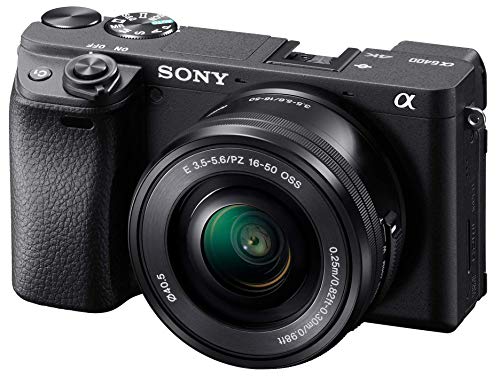
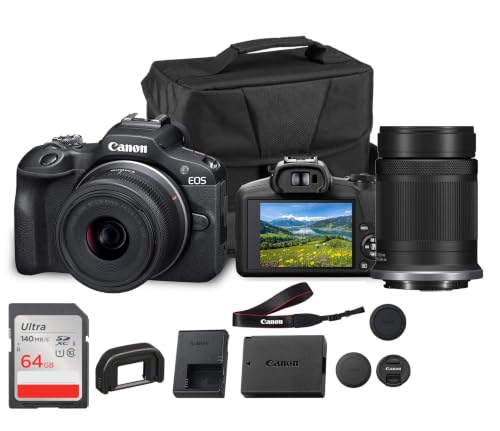
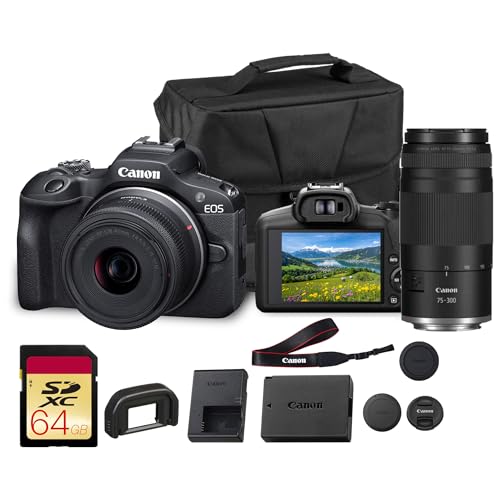

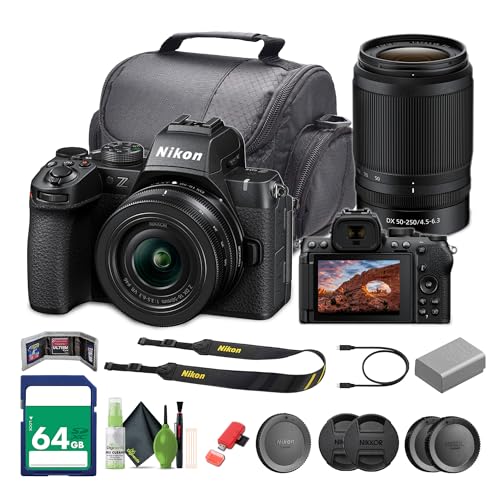
Cameras 101: The Basics
A camera body captures light through a lens and records it on a sensor. The sensor size, the processor, and the autofocus system decide how much detail you keep, how well the camera handles dim rooms, and how quickly it locks onto a moving subject. Lenses shape the picture just as much as the body does, because focal length controls framing, aperture controls background blur and low light ability, and optical quality controls sharpness across the frame.
Mirrorless cameras have become the usual choice for new professionals because they show exposure changes live in the viewfinder, focus across most of the frame, and accept a wide range of lenses through mounts and adapters. Older mirrored designs still work well, but their autofocus coverage is usually narrower and their live view focusing is often slower. For a clear starting point, see our guide to the best cameras for photography and compare how different body styles handle everyday shooting.
Key Specs for the Best Affordable Cameras for Professional Photography
What You Can Realistically Get on a Budget
At about $800 to $1,500 for a body and a starter lens, you can expect a capable sensor, dependable autofocus for still subjects and slow movement, and usable image quality up to moderately high sensitivity settings. You may give up the fastest burst rates, the largest buffers, dual card slots, and the most rugged weather sealing found on costlier bodies. Spend first on sensor quality and a sharp standard zoom or prime lens, then add lighting and memory cards, because those items improve paid work sooner than a marginal body upgrade. For more budget focused options, see our guide to the best affordable photography cameras before you narrow your shortlist.
Features That Matter for Professional Photography
Professional work rewards consistency more than headline specs. Look for accurate color, clean files at the sensitivity levels you actually use, a comfortable grip for long sessions, and controls you can reach without looking away from the scene. A second card slot matters when a shoot cannot be repeated, and a good battery life matters when charging breaks are scarce. Tethering support helps studio work and a silent shutter helps ceremonies and quiet venues, so judge each feature by whether it protects a paying job, not by whether it sounds impressive on a spec sheet.
Sensor Size and Image Quality
Sensor size affects depth of field control, low light performance, and dynamic range, which is the ability to hold detail in bright highlights and deep shadows at the same time. A 1 inch sensor suits compact cameras and light travel work, an APS C sensor suits most new professionals, and a full frame sensor suits low light events and shallow depth of field portraits. Megapixel count alone does not decide quality, because a well designed 24 megapixel sensor often beats a crowded higher resolution sensor in dim light. For a deeper look at pro oriented bodies, see our guide to the best cameras for professional photography and note how sensor size pairs with lens choice.
Autofocus and Stabilization
Autofocus decides whether moving subjects stay sharp, and eye detection helps enormously for portraits and events by tracking a face across the frame. Check how the camera behaves when a subject turns away, walks toward you, or passes behind an obstacle, because those moments reveal tracking limits that a spec sheet hides. In body stabilization steadies handheld shots at slower shutter speeds, which helps in dim venues and with longer lenses, but it cannot freeze a moving subject, so shutter speed still matters. If you shoot video alongside stills, check focus smoothness and whether stabilization stays steady while you walk, and for alternatives at a similar price, see our guide to the best affordable professional cameras to compare autofocus behavior across body styles.
Durability and Weather Sealing
Weather sealing protects buttons, dials, and seams against dust and light rain, but it does not make a camera waterproof, and a sealed body still needs a sealed lens to complete the protection. Check the grip shape, the weight with your heaviest lens attached, and whether the card door and battery door feel solid, because those details matter during eight hour wedding days. A sturdy strap, a rain cover, and a padded bag protect your investment more cheaply than any single feature, and regular cleaning keeps dust out of the sensor area. If you work outdoors often, treat sealing as a working requirement rather than a luxury.
Rookie Mistakes to Avoid
- Buying the most megapixels available while ignoring sensor size, lens quality, and low light behavior, which matter more for paid results.
- Choosing a body first and leaving almost no budget for lenses, lighting, spare batteries, and fast memory cards.
- Skipping an in person check of grip, menu layout, and viewfinder comfort, then discovering the camera fights you during long shoots.
- Assuming kit lenses suit every job, when portraits and events often need a wider aperture or a longer reach.
- Forgetting backup: a second card, a second battery, and a clear file backup routine protect work that cannot be reshot.
Getting Started: Setup and First Use
After unboxing, charge the battery fully, set the date and time, and format the memory card in the camera so the file system matches the body. Set image quality to raw plus a high quality JPEG if you need quick delivery, and assign your most used settings to custom buttons so you can change them without digging through menus. Clean the lens with a lens cloth, not your shirt, because fabric fibers and grit can scratch coatings over time.
Carry a spare battery, try the camera at the sensitivity levels you plan to use, and run a short practice shoot before any paid job so surprises surface at home, not on location.
Frequently Asked Questions
What features matter most in cameras for professional photography?
Sensor quality, reliable autofocus, and lens choice matter most, because they decide sharpness, low light results, and framing flexibility on every job. A comfortable grip, good battery life, and dual card slots protect you during long or unrepeatable shoots, while video features matter only if clients ask for clips. Beyond the body, budget for a sharp lens and basic lighting, since those items often improve results more than a small sensor upgrade. Try the camera in a dim room before buying, and favor controls you can operate quickly under pressure.
Is a smartphone enough instead of a camera for professional photography?
A smartphone suits casual portraits and social media snaps, but it struggles with large prints, shallow depth of field control, and fast moving subjects in dim light. A dedicated camera gives you larger sensors, interchangeable lenses, manual control, and raw files that survive heavier editing for client delivery. Phones also overheat and drain quickly during long sessions, and their small lenses limit creative framing choices. If clients pay for quality, a dedicated camera remains the safer professional tool, with a phone kept as a backup and behind the scenes device.
Which camera type is better for low light photography?
Larger sensors usually perform better in low light because they gather more light and produce cleaner files at high sensitivity settings. A full frame body paired with a wide aperture lens gives the most headroom, while an APS C body with a bright prime lens still handles receptions and evening portraits well. Stabilization helps static subjects at slow shutter speeds, but moving people need faster shutter speeds regardless of sensor size. Always check results at the sensitivity you plan to use, and see whether noise stays acceptable after editing.
What specs matter most for beginners in professional photography?
Beginners should prioritize sensor size, autofocus reliability, and a lens system with affordable options, because those three choices shape almost every picture you take. Battery life, dual card slots, and a clear menu system matter more in practice than burst rate or video resolution you may never use. Spend time learning exposure, lighting, and posing, since skill improves results faster than any single specification. Choose a system you can grow into, so later lens purchases build on your first body rather than replacing it.
Should a new professional choose a crop sensor or a full frame camera?
A crop sensor camera costs less, weighs less, and gives extra reach with telephoto lenses, which suits sports, wildlife, and travel work on a budget. A full frame camera gives wider angles, shallower depth of field, and cleaner low light files, which suits weddings and portraits. The practical difference shrinks when you use good lenses and proper lighting, so match the sensor to your main jobs rather than chasing prestige. Start with the system that leaves room in your budget for lenses, lighting, and backup storage.
Our Verdict
The right affordable camera is the one that matches your main jobs, feels comfortable through a full day, and leaves budget for lenses, lighting, and backup gear. Sensor size, autofocus, and durability deserve the most weight, while headline specs deserve the least. Use the product table above to compare options, shortlist two or three, and try them in person when you can. With a sensible body and a sharp lens, the best affordable cameras for professional photography can carry real client work with confidence.